The holidays are almost here! It’s the season of giving, family time, and probably a little too much eggnog. While it’s tempting to just relax and watch holiday movies, there’s still work to be done! If your target audience isn’t full of super-organized shoppers, you still have people to reach who haven’t finished their holiday shopping.

That means there are still plenty of sales to be made! To help you make the most of the rest of the holiday season, we’ve put together this guide. We’ll look at five important statistics to keep in mind, and then discuss five practical tips for finishing the year strong. Let’s get started!
5 key stats for the end of the holiday season
1. 16% of people finish their shopping right before Christmas
Our first statistic comes from Best Black Friday, a website focused on retail news. Their survey of over 1,000 American adults found that around 16% of consumers wait until the week of Christmas to finish their holiday shopping.
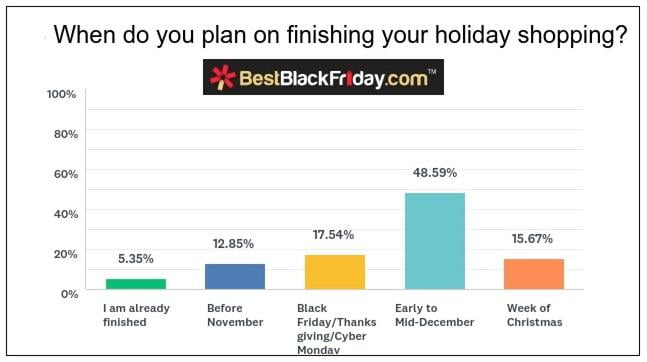
Okay, I know 16% might not seem like a big deal at first. But think about it this way: With over 250 million adults in the US, that means there are about 40 million people who wait until the very last minute to shop! That translates to a lot of potential sales for all kinds of businesses, even this late in the game. Don’t slow down until Santa’s sleigh has come and gone!
2. Last year saw a 24% increase in shipping discounts
According to eMarketer, the 2018 holiday season saw a 24% year-over-year jump in the number of shipping discounts offered by businesses. We don’t have all the data for this year yet, but it’s safe to say that your competitors are likely offering even more shipping deals to attract those last-minute shoppers.
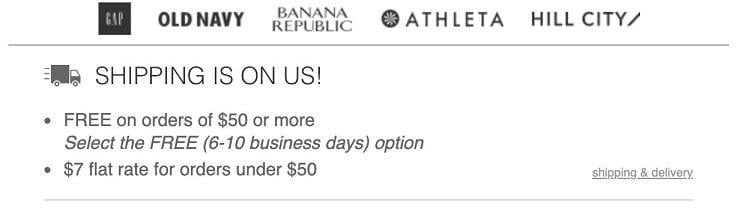
We all know online shoppers love free or discounted shipping, but it’s even more important when they’re short on time. As eMarketer’s data shows, more and more companies are recognizing this and changing their strategies. If you don’t want to miss out on those last-minute sales, you’ll need to do the same.
3. 35% of shoppers want you to remember their information
To be clear, I don’t mean they want you to remember everything about them! They just want you to remember their shipping and billing information so they don’t have to enter it again every time. This finding comes from Google’s Global Retail Study which was carried out earlier this year. It’s easy to see why this is important: We all hate it when we have to re-enter our information on a site we’ve already used. Many shoppers, even those on your site right now, just want to place their order and move on with their day. In other words, they want a smooth and easy checkout process.
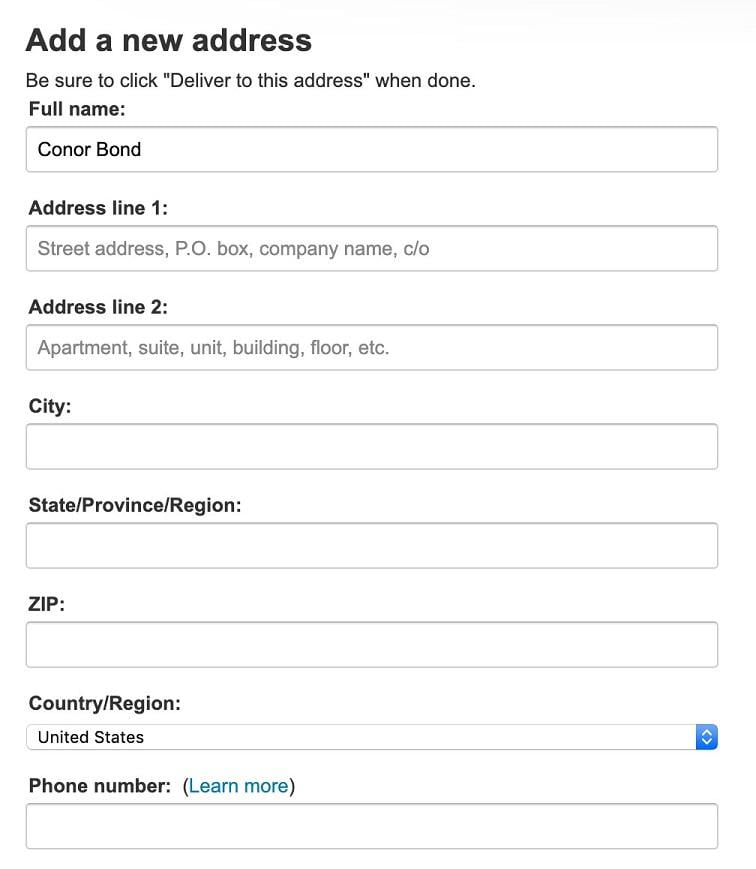
No one wants to go through this every single time they make a purchase. If you’re looking for a quick win this holiday season, make sure your checkout process is as quick and painless as possible.
4. 49% of shoppers want to see ads based on their purchase history
Here’s another gem from Google’s latest Global Retail Study: Almost half of shoppers say they appreciate seeing personalized ads based on what they’ve bought in the past. We’ll come back to this idea later, but it’s a big one! Your potential customers are telling you they want to see ads that are relevant to them.
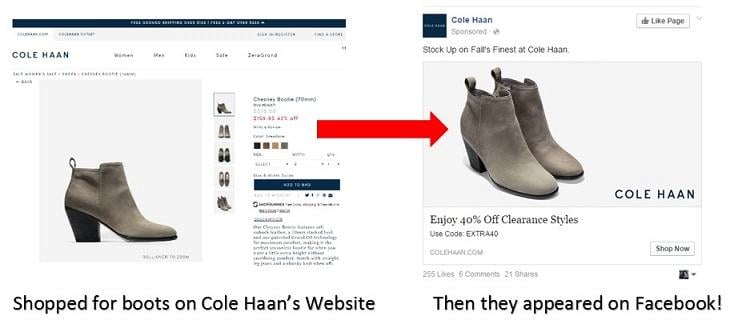
The end of the holiday season is the perfect opportunity to remind those past customers about your products. As the pressure to find the perfect gifts increases, people become more open to suggestions. A well-timed, personalized ad—on Facebook, Instagram, Google, or elsewhere—can be just what they need.
5. Microsoft product ads can boost your conversion rates by 20%
Before we move on to our list of tips, there’s one last statistic to share, this time from our friends at Microsoft Advertising (formerly known as Bing Ads). Their data shows that product ads have helped businesses achieve a 35% increase in clicks, a 62% increase in conversions, and a 20% increase in conversion rates! In simple terms, this ad format from Microsoft can bring you more traffic and sales. What better time to try it out than during the busiest shopping season of the year? Similar to Google Shopping ads, Microsoft product ads are visually appealing promotions that appear at the very top of the search results page. These ads include an image, title, price, and your brand name. You can also sweeten the deal by including a special offer, such as “Get 20% off”, which helps you stand out from the crowd. No wonder they’re so effective at attracting clicks, right?
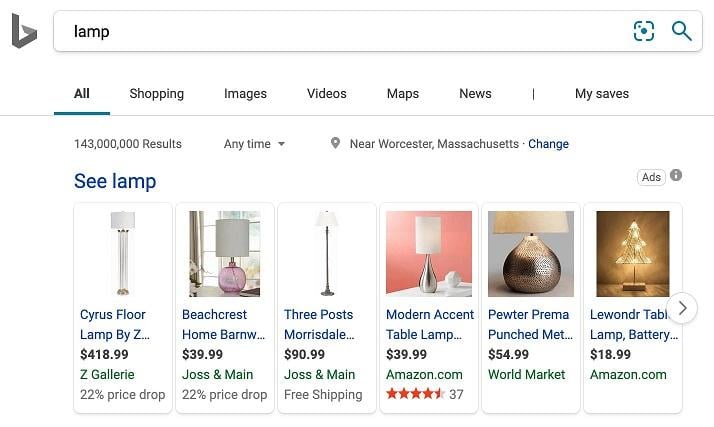
Here’s the catch: If you aren’t already running Google Shopping campaigns, you probably won’t have time to get Microsoft product ads set up before Christmas. To use this ad format, you need to create and upload a product catalog, which takes time. But if you are already using Google Shopping, you’re in luck! Microsoft Advertising lets you easily import your existing campaigns so you can start using product ads quickly. Microsoft will still need to approve your ads, and you’ll need to take care of details like negative keywords and sitelink extensions. But if you act fast (and remember to offer attractive shipping options), you can get in front of last-minute Bing shoppers who are rushing to finish their holiday shopping. And even if you don’t quite make it in time for Christmas, you’ll still have a powerful new ad format ready to go in the new year.
5 actionable tips for the end of the holiday season
1. Run one-day sales on Super Saturday
You might already know this, but the last Saturday before Christmas is known as Super Saturday. It’s the last chance for those 40 million procrastinators to buy gifts, and ABC News estimates that retailers make around $15 billion in sales on this single day. But you can’t just open your doors and expect the sales to roll in. You need to give shoppers a good reason to choose you over everyone else. This means offering some amazing one-day-only deals.

Everyone loves a good sale, but you can get creative with your Super Saturday strategy. Think about products that complement each other. For instance, if you own a bookstore, you could create a promotion around different genres: Buy one mystery novel, get 50% off another!
2. Use local inventory ads on Google & Bing …
In 2018, Google reported a fascinating statistic: Searches using the phrase “near me” had increased by over 500% in just two years! It’s clear that shoppers want to know if a store has what they’re looking for in stock before they head over there. And this is probably even more true in the days leading up to Christmas, when no one has time to waste. Google created local inventory ads to capitalize on this trend. Here’s how they work: When someone searches for “women’s perfume near me,” they’ll see a list of local inventory ads. Each ad displays a product image, price, whether it’s in stock, and (most importantly) directions to the store. It’s an easy way to let people know that you have exactly what they need, right when they need it.
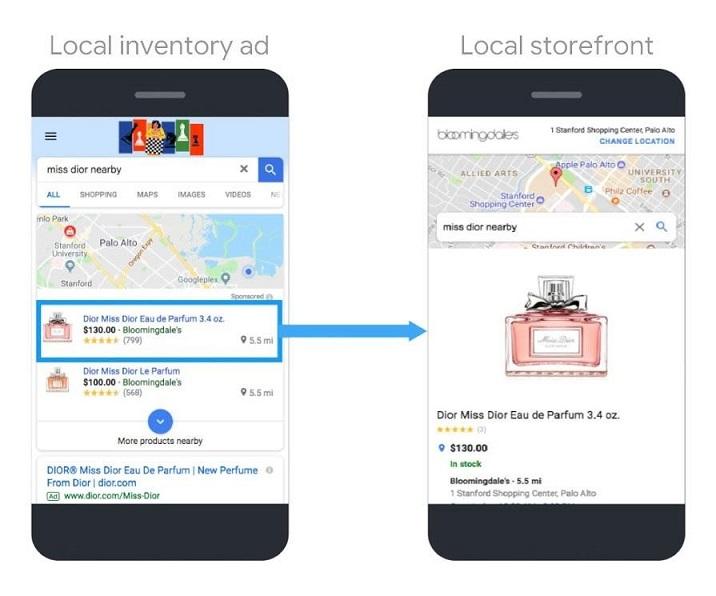
Just like with Microsoft product ads, you need to act fast. Google takes a few days to review and approve your local inventory feed. To speed things up, start by including only your most popular products in your feed. This will help you get approved faster. Even if your ads don’t go live until a day or two before Christmas, that’s okay. People will still be shopping, and your ads will still be useful after the holidays are over. And speaking of Microsoft: They offer local inventory ads too!
3. … and don’t forget about Facebook offer ads!
Offer ads on Facebook are a mobile-only ad format that allows you to promote your irresistible deals, whether you have a physical store or sell online. Users who claim an online offer receive a discount code and are redirected to your website. If you’re targeting in-store shoppers, they receive a barcode or QR code to scan at checkout.
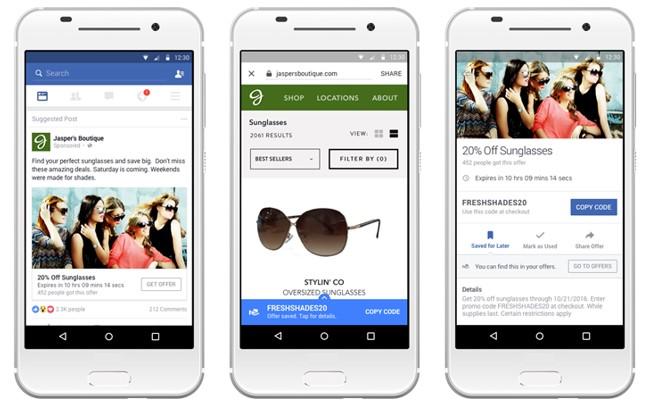
If you’re interested in learning more, here’s a detailed guide on creating Facebook offer ads. Here’s a tip: Before you start writing your ad copy, decide who you want to target. This will help you craft personalized and engaging messaging. When you’re competing for the attention of last-minute holiday shoppers, every detail matters. If you can make them feel like you’ve created a special offer just for them, you’ll be more likely to get their business.
4. Use location bid adjustments to your advantage
Here’s a pro tip: You can set your keyword bids to automatically adjust based on the searcher’s location. This means your bids can be higher or lower depending on where the person searching is located. If you have a physical business—like a clothing store, restaurant, or hair salon—location bid adjustments are a great way to increase brand awareness, drive traffic to your website, and boost sales.
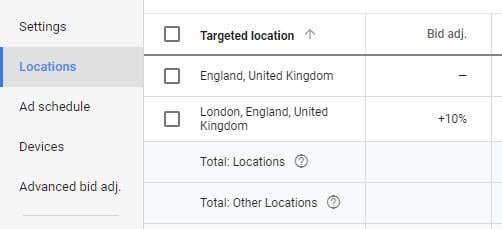
Image source: Emarketeers. The end of the holiday season is the perfect time to combine location bid adjustments with super-specific ad copy. For example, imagine you own an Italian restaurant. If someone in your area searches for “restaurant gift card,” a location bid adjustment can help your ad appear at the top of the results page, along with your compelling ad copy: “Give the Gift of Italy│Gift Cards Now Available.” P.S. The bid simulator in Google Ads (under the Keywords tab) lets you see how changing your bids might impact your results.
5. Reconnect with past customers through remarketing
Remember stat #4? 49% of shoppers like seeing ads related to their previous purchases. If I had to pick just one statistic to make the case for personalized remarketing, that would be it! Your potential customers are telling you that they appreciate seeing relevant ads. It bears repeating: As Christmas gets closer and the competition heats up, personalized messaging becomes incredibly important. While platforms like Google and Facebook allow you to target new audiences based on demographics and interests, there’s no one you know better than your existing customers. That’s why it’s crucial to focus on them as the holiday season winds down.
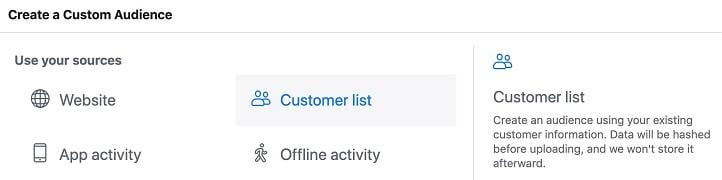
Knowing what your past customers have purchased gives you a huge advantage. For instance, let’s say you’ve been keeping track of all the Facebook users who purchased a pair of running shoes from your website. Instead of targeting a brand new group of people, why not retarget those existing customers with a carousel ad featuring your other running-related products? Even though you’ll be reaching fewer people, you’ll have a much higher chance of getting clicks and conversions. When you’re trying to reach your holiday sales goals, it makes sense to target your most qualified leads! But remember, social media isn’t the only place to leverage remarketing. Remarketing lists for search ads (RLSAs) let you raise your bids for specific keywords when they’re used by people who have visited certain pages on your site. Let’s stick with the running gear example. If you have a list of everyone who’s visited your website page for a specific pair of sneakers, you can increase your bid for the keyword “running gear” whenever someone on that list searches for it. When time is short, focusing on high-quality leads is the best way to maximize your holiday sales.