Dynamic Search Ads (DSAs) can be incredibly effective for driving high volume and profit, but if not managed carefully, they can also lead to wasted budget and cannibalization. To leverage their strengths, it’s crucial to establish clear goals and workflows beforehand and understand when to shift to more focused strategies.

This guide will cover everything you need to know about DSAs:
- What they are
- How they function
- When to avoid using them
- When they are most effective Let’s dive in!
What are Dynamic Search Ads?
Unlike traditional search campaigns that rely on keyword bidding, DSAs center around specific sections of your website. Google crawls your site, identifies relevant pages that match user searches, generates headlines with relevant content, and links the ad to the appropriate page.
During setup, you can choose to target specific pages, broader sections like product categories or destinations, or allow Google to target your entire site.
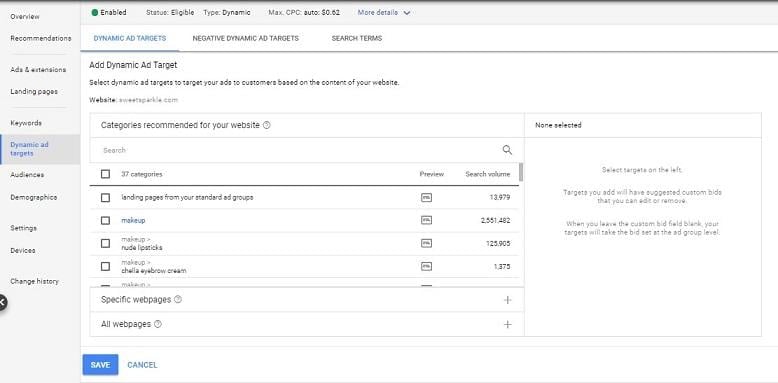
Once you’ve defined your targets, you’ll need to create your ad copy. Since Google dynamically generates the headlines, it’s best to keep your DSA descriptions flexible, making them perfect for using dynamic keyword insertion. This allows you to control the messaging while still leveraging Google’s headline generation.
When and Where DSAs Excel
DSAs are a practical application of AI in marketing. While not suitable for every situation, they can be incredibly effective when implemented correctly. Here are a few industries where DSAs shine:
1. Ecommerce
Managing a search campaign structure that matches the detailed level of shopping campaigns can be challenging. DSAs offer a powerful solution in this area.

With DSAs, you can target product groups before investing time in building out your shopping feed and campaign structure. Running DSAs initially provides insights into product search demand, conversion rates, and competitive auction prices. While DSAs may not include product images, they allow you to target more specific search queries.
2. Real Estate and Automotive
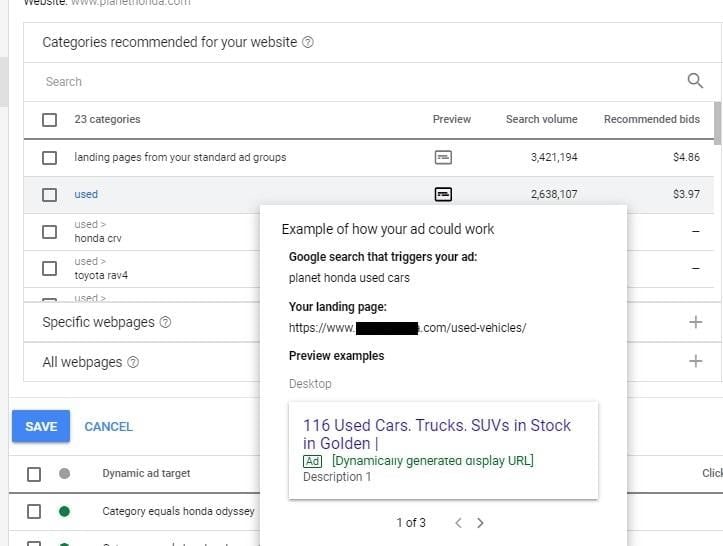
For businesses with numerous listings, directing users to the most relevant page can be tricky. Users often refine their searches using filters like price, features, or other criteria. DSAs provide a solution by allowing for highly specific targeting, ensuring that the landing page perfectly matches the user’s query, increasing the likelihood of conversion.
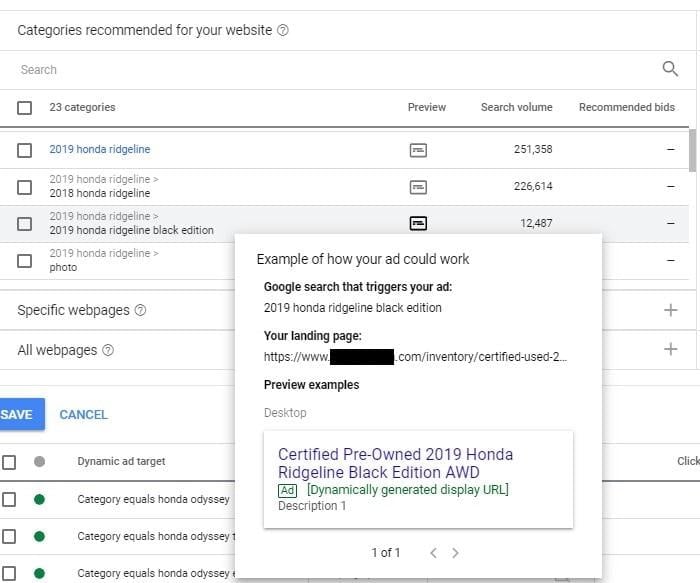
DSAs streamline campaigns and budgets, which is particularly valuable for businesses with limited resources. By consolidating traffic to different parts of the business under a single controlled budget, DSAs allow for targeted advertising even with budget constraints.
3. Local Businesses or Landing Pages
Budget limitations often force compromises in account structure, especially for local branches of national brands or franchises. DSAs address this challenge by allowing for location page targeting.
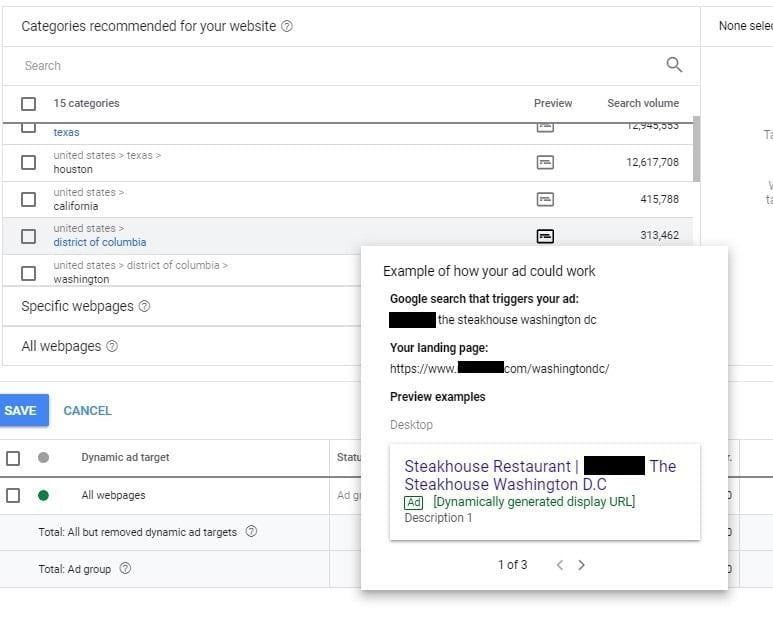
Instead of creating separate ad groups for each location, which can create structural issues, or having individual campaigns per location, which requires a higher budget, DSAs consolidate campaigns and target location pages effectively. This approach provides insights into how people search for services in different markets.
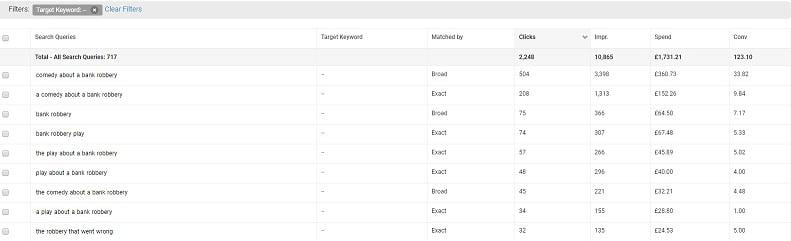
Across all these use cases, DSAs offer the added benefit of keyword harvesting. By analyzing the search terms that trigger your ads, you can gain valuable insights into how potential customers are searching for your products or services. This information can then be used to improve your keyword research and campaign structure.
Pitfalls to Avoid with Dynamic Search Ads
DSAs are excellent for gathering data, providing insights into user search behavior, cost per click, and the crawlability of your website.
However, some situations can hinder the effectiveness of DSAs:
- Integrating them into existing campaigns
- Failing to utilize exclusions or negatives effectively
- Targeting everything within a single ad group
Let’s examine each of these issues in detail:
Problem #1: Integrating DSAs with Existing Campaigns
Incorporating DSAs into established campaigns can disrupt budget allocation. Since DSAs compete for the same budget as proven strategies, they can divert resources away from high-performing campaigns. As the DSA ad group gains traction, it can inflate the average cost per click (CPC), potentially impacting the performance of previous top performers.
Problem #2: Neglecting Exclusions or Negatives
Even when DSAs run in dedicated campaigns, which is highly recommended, there are still potential risks. DSAs rely on crawling your site and displaying the most relevant results, often influenced by SEO. While the home page is usually the most optimized, it might not be the desired landing page for all campaigns. Similarly, blog content, contact pages, and support sections, while informative, may not be optimized for lead generation or sales. However, due to their high SEO value, they might consume budget intended for more transactional pages.
dynamic-search-ads-targeting-rules
To prevent this, excluding these pages from your DSA campaign is crucial. Additionally, any keywords actively targeted in other campaigns, including branded terms, should be set as exact match negatives. This ensures that DSAs don’t compete with other campaigns while performing their intended function.
Problem #3: Broad Targeting Within One Ad Group
DSAs excel at automation, with Google handling headline generation, landing page selection, and even bidding. However, crafting compelling descriptions is still crucial. It’s essential to tailor these descriptions for each targeted section. Different targets will have varying auction prices. When using DSAs to inform your shopping campaign structure, maintaining separate auction prices for each target allows for setting optimized bids and budgets.
Assessing SEO with Dynamic Search Ads
Beyond their core functions, DSAs can also serve as a diagnostic tool for your website’s SEO. If the automatically generated targets seem inaccurate or irrelevant, it could indicate underlying SEO issues. This feedback prompts a review of your website, content, and overall SEO strategy, ensuring that the most compelling information is prominently displayed on the page and reflected in your DSA ads.