In recent years, account-based marketing (ABM) has gained significant traction in the digital marketing world. Many B2B and SaaS companies, particularly those targeting large enterprises, are heavily investing in ABM platforms. These platforms enable them to tailor messages and content for potential prospects across various marketing channels.
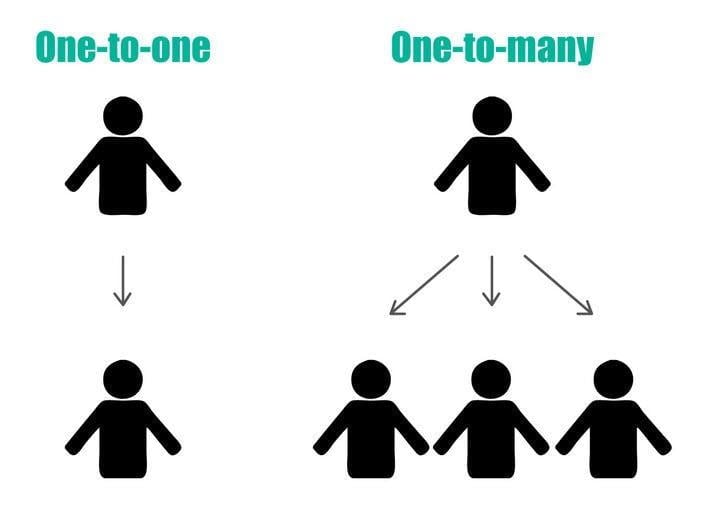
However, some marketers hesitate to integrate Google advertising into their ABM strategies. Their reasoning? ABM focuses on delivering unique ads to specific companies or decision-makers, while Google Ads lacks control over who sees and interacts with ads. Despite Google’s targeting options, pinpointing specific users remains a challenge. This makes platforms like LinkedIn, Facebook, programmatic networks, or DSPs seem more suitable for ABM, as they allow targeting based on industry, company, and job title. However, excluding Google Ads from your ABM strategy is a substantial missed opportunity. ABM is a complex process involving target account selection, predictive analytics, platform choices, personalized ad delivery, and meticulous tracking. Investing in a dedicated ABM platform or building an ABM strategy in-house represents a significant commitment. Yet, without web traffic, your ABM strategy is like a high-performance car without fuel. That’s where Google Ads shines. Its diverse offerings, including search, display, video, and remarketing ads, can be a primary driver of website traffic, effectively kickstarting your ABM process.
Powering ABM with Google Search
Targeting large organizations and their decision-makers can be complex, especially with numerous individuals holding similar job titles. However, many of them will likely land on your site through a Google search. A click from a Google search ad reveals valuable information about the visitor, including their search intent. This intelligence allows ABM platforms to guide the account through the sales funnel, refine future strategies, and prompt appropriate actions from sales and marketing teams.
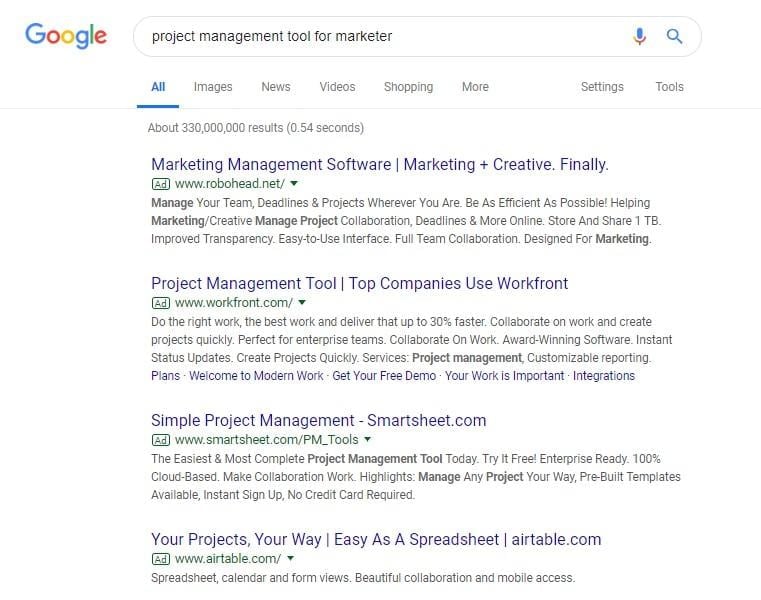
How Google search traffic benefits ABM Web traffic is the lifeblood of any ABM engine. Most ABM platforms track commercial IPs, providing insights into visiting companies and their content interactions. For those who can’t afford expensive ABM platforms and opt for in-house solutions, standalone reverse-IP tracking tools like LeadForensics and LeadLander are available. When a targeted company clicks a Google search ad, you gain visibility into their search query, pages visited, content engagement, conversions, and even their location. This empowers marketers to take the next step in lead nurturing and provides sales teams with valuable insights for closing deals.
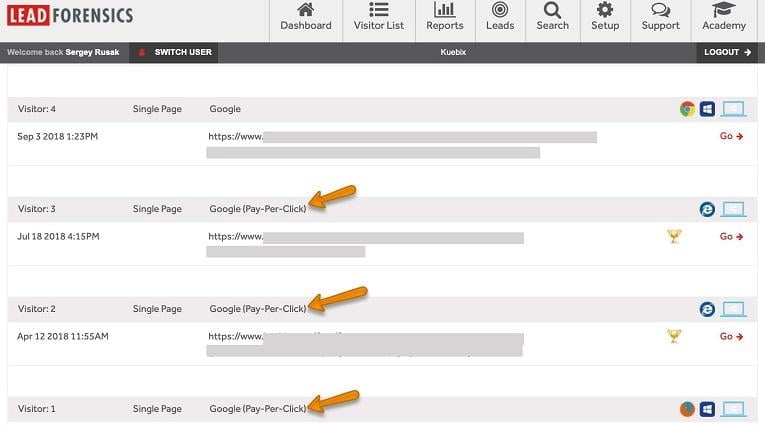
LeadForensics tracks the source of every visitor from the same organization. Here’s how different PPC campaign options can generate valuable clicks for your ABM strategy:
- General keyword clicks: When a target company representative lands on your site after searching for a general keyword like “PPC management software,” it indicates they are actively researching and comparing vendors. Your ABM strategy can engage these accounts, provide further education, and guide them through the sales funnel.
- Clicks from queries with giveaway words: Words like “companies,” “best,” “affordable,” “what is,” “scam,” “advise,” or “review” reveal specific concerns or questions. Your ABM campaign can address these directly, and the sales team can engage in personalized conversations to build trust and move towards closing.
- Clicks from branded or competitor terms: Branded searches indicate a potential customer in the buying cycle, actively evaluating vendors. Capitalize on this momentum by reinforcing your brand message or, if it’s a competitor’s name, strategize to win them over.
Expanding ABM with Google Ads: 3 More Strategies
While Google search is a potent ABM tool, it’s not the only way PPC advertising can enhance your account-based marketing efforts. Here are three additional strategies:
1. ABM-driven Google Display & YouTube Ads
Like search ads, banner and video ads can drive traffic from your ABM target list. Vertical banner campaigns are particularly effective, ensuring your ads reach professionals in your desired industry.
2. Remarketing for ABM on Google
Remarketing aligns perfectly with ABM principles. By serving personalized ads to previous site visitors, you can guide them toward specific content and encourage further engagement.

For Google remarketing, you need a minimum of 100 website visitors within a 30-day period. This can be sufficient for targeting individual companies if your focus is on large enterprises.
3. Uncovering New ABM Targets through Google Ads
ABM software and reverse IP-tracking tools can “unmask” companies visiting your site. This can reveal potential targets that are not yet on your radar but are engaging with your content through Google Ads. For instance, you might be targeting major players like Kroger or Trader Joes for a food and beverage campaign. However, by analyzing Google Ads click data, you might discover a large, low-profile convenience store chain with a significant presence across the country.

The Power of ABM and PPC Together
Importantly, ABM platforms can optimize your Google campaigns. Instead of solely relying on conversions or Google Analytics, ABM insights reveal what truly drives engagement, education, influence, and ultimately, sales. Before pausing a seemingly ineffective campaign, consult your ABM software. It might be the first touchpoint for a significant deal in the making.