In the dynamic world of marketing, connecting with your audience effectively is paramount. Today, we’ll delve into the realm of multi-channel marketing, exploring its significance and how to leverage it for business growth.

Understanding Multi-Channel Marketing
Multi-channel marketing revolves around engaging customers through various channels, empowering them to interact with your business on their preferred platforms. It’s about providing choices and meeting customers where they are.
In today’s digital age, businesses have a plethora of channels at their disposal, including:
- Physical stores
- Online advertising, such as PPC
- Websites, encompassing content and blogs
- Traditional mail marketing
- Email campaigns
- Printed catalogs
- Mobile-focused marketing
The Importance of Multi-Channel Marketing
With such diverse channels available, your potential customers are scattered across different platforms, and it’s crucial to establish your presence wherever they are. As new channels emerge, embracing multi-channel strategies becomes increasingly vital for attracting high-value customers.
Research shows that multi-channel customers spend three to four times more compared to those engaged through a single channel. Don’t miss out on these valuable customers. However, the key to successful multi-channel marketing lies in well-coordinated cross-channel marketing strategies, as we’ll explore below.
Identifying Effective Channel Combinations
Certain marketing channels complement each other better than others. MediaPost conducted a study earlier this year analyzing media pairings among adults aged 18-64. The most popular combinations were:
- Computer and Mobile
- TV and Mobile
- Computer and TV
- Radio and Mobile
- Computer and Radio
Interestingly, while Computer/Mobile dominated during work hours (9 am to 5 pm), TV/Mobile took the lead during evenings (5 pm to 11 pm).
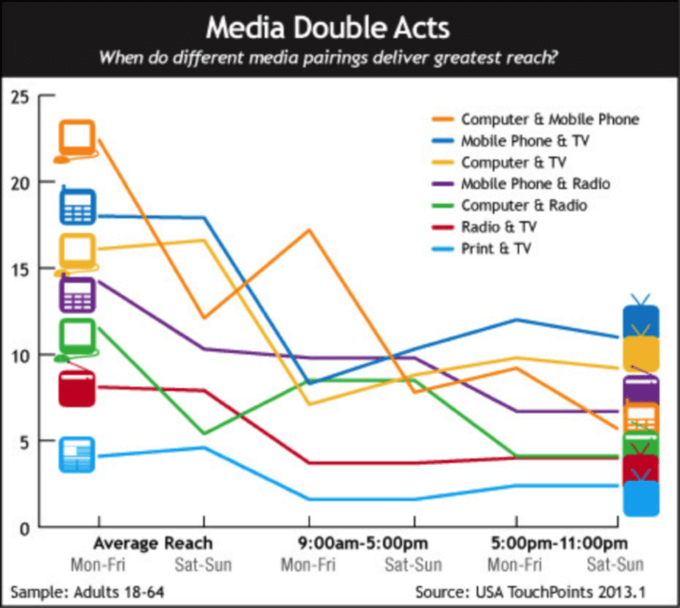
This highlights the prevalence of multi-device usage in consumers’ lives. Capitalizing on this trend through multi-channel marketing is essential. Let’s illustrate this with some examples.
Examples of Effective Multi-Channel Marketing
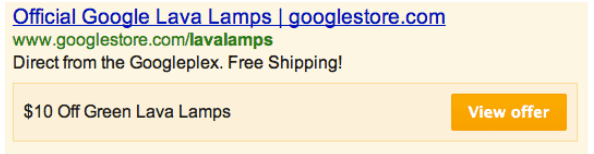
Google Ads (formerly Google AdWords) PPC Ad Extensions: These extensions seamlessly integrate multi-channel marketing. The Click-to-Call extension adds a phone number to ads, bridging PPC and mobile, while the Offer Extension allows businesses to include printable coupons, merging online and offline interactions.
Direct Mail with URLs: Some catalogs drive customers to websites with exclusive offers, such as a 15% discount using the code “MAILOFFER.” This caters to those who prefer online ordering but enjoy browsing products in print. Television Hashtags: Many shows leverage the “second screen” phenomenon (using a smartphone or tablet while watching TV) by incorporating Twitter hashtags, fostering online discussions.

Responding to the trend of Nielsen reports that 1/3 of active Twitter, Bravo introduced “social editions” of their shows, featuring Twitter and Facebook comments. This boosted ratings and social media engagement.
The use of hashtags during TV shows has become so prevalent that Twitter has a whole guide dedicated to helping TV networks successfully implemented a hashtag campaign.
Advertisers have also jumped on board, adding hashtags to TV ads, especially during high-viewership events like the Super Bowl.


Advantages of Multi-Channel Marketing
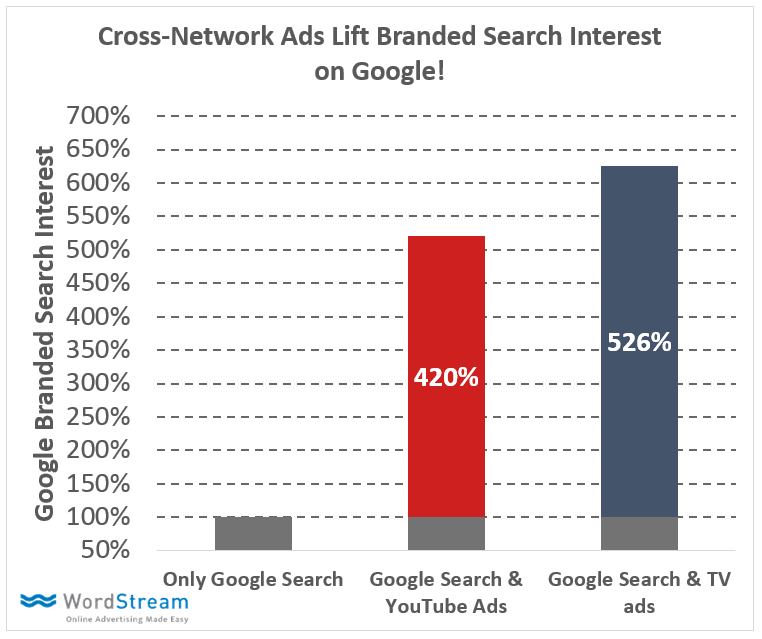
Increased Visibility: A multi-channel approach enhances brand recognition and customer reach. For instance, YouTube advertising can significantly increase brand-related Google searches.
Customer Choice: Offering various interaction options caters to individual preferences, improving the likelihood of conversions. Data Collection: Multiple touchpoints provide valuable data, enabling businesses to analyze campaign performance and optimize strategies. Brand Consistency: Maintaining a consistent brand image across all channels is crucial for building a strong brand identity.
Challenges of Multi-Channel Marketing
While offering multiple channels is advantageous, some challenges exist: Channel Preference: Businesses might favor specific channels, but multi-channel marketing requires embracing various avenues. For example, while some prefer online transactions, telephone sales might yield higher conversions. Increased Complexity: Managing numerous channels and coordinating cross-promotions can be overwhelming. Time and Resource Intensive: Multi-channel marketing demands significant time and resources, potentially requiring additional staff.
Keys to Successful Multi-Channel Marketing
Channel Integration: Strive for cross-channel marketing, seamlessly integrating different mediums for maximum impact. Performance Measurement: Establish control groups to accurately assess the effectiveness of your multi-channel efforts. Touchpoint Creation: Maximize data collection and customer engagement by creating multiple touchpoints, such as social media, surveys, newsletters, and physical mailers. Audience Understanding: Identify the channels frequented by your target audience to tailor your approach effectively.
This concludes our introduction to multi-channel marketing. We wish you success in your cross-marketing endeavors! Feel free to share your own multi-channel marketing insights in the comments below.