For many entrepreneurs and marketing professionals, the phrase “growth marketing” might appear repetitive. After all, marketing is inherently about expanding a business, isn’t all marketing, therefore, growth marketing?
 The truth is that a lot of professionals misunderstand this definition and, as a result, overlook significant growth opportunities. So, what exactly is growth marketing? In this comprehensive guide, we will explore:
- The real meaning of growth marketing and its advantages.
- The differences between growth marketing, traditional marketing, and growth hacking.
- Implementing growth marketing using the five stages of the AARRR framework.
- Specific strategies and key metrics for each stage of growth marketing. Let’s dive in.
Defining Growth Marketing
To grasp the concept of growth marketing, let’s compare it to traditional marketing. Traditional marketing often centers around short-term, campaign-driven objectives. It tends to prioritize the company’s perspective, mainly focusing on acquiring customers. Planning in traditional marketing often relies on opinions and is reviewed annually.
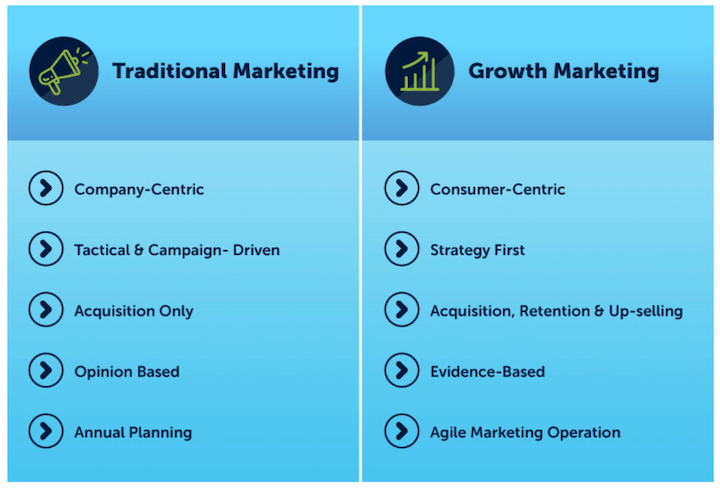
Image source Growth marketing, in contrast, is strategy-oriented and focuses on long-term goals. It utilizes evidence-based planning and prioritizes customer acquisition, retention, cross-selling, and upselling.
Illustrating Growth Marketing with a Simple Example
Imagine your online store isn’t generating sufficient revenue because customers typically purchase only one or two items per order. This results in a low average order value and profits that barely cover customer acquisition costs. In this scenario, you could implement cross-selling and upselling techniques to encourage customers to buy more products during their initial purchase. Additionally, you can utilize engagement strategies to boost purchase frequency, as subsequent sales after the first or second one usually don’t involve acquisition costs, particularly when you leverage email marketing to communicate with your customers.
Differentiating Growth Marketing from Growth Hacking
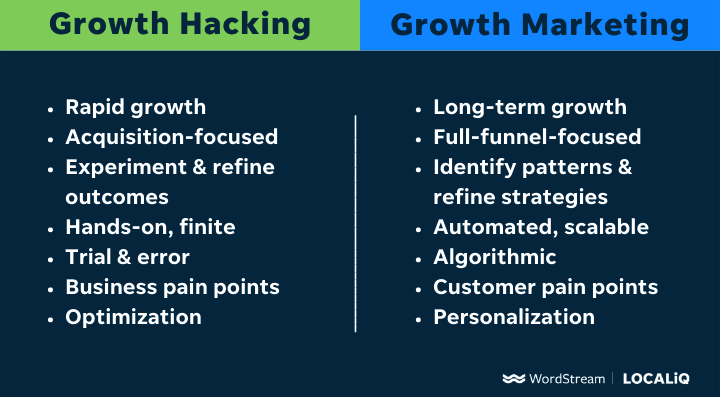
It’s important to note that growth hacking and growth marketing are not synonymous. Growth hacking primarily focuses on achieving rapid, short-term results, while growth marketing takes a broader, long-term approach. Let’s delve deeper into their distinctions:
- Growth hacking aims for rapid growth, usually through customer acquisition, while growth marketing focuses on sustainable, long-term growth by employing a comprehensive set of full-funnel strategies.
- Growth hacking uses data for experimentation and refining specific outcomes, whereas growth marketing analyzes data to identify patterns and refine the overall strategy.
- Growth hacking relies on hands-on tactics involving constant testing and adjustments, while growth marketing utilizes automated and algorithmic processes with periodic modifications.
- Growth hacking primarily addresses business pain points and goals, whereas growth marketing centers around resolving customer pain points.
A Real-World Example of Growth Hacking: The Dropbox Referral Program
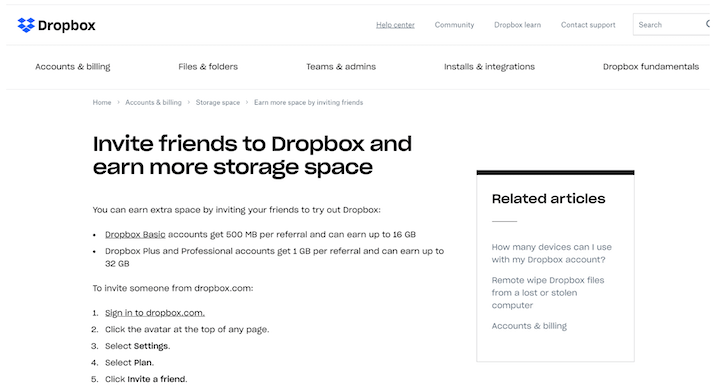
The beauty of growth hacking lies in its ability to rapidly develop unique solutions through experimentation and iteration. A prime example of this is the Dropbox Referral Program. Facing challenges in acquiring new users, Dropbox found that paid advertising wasn’t yielding the desired results. Their growth hack? A double-sided referral program that led to a 60% increase in signups.
Growth Hacking Evolving into Growth Marketing: The Case of Slack
Slack holds the record for being the fastest-growing B2B SaaS company ever. During its beta phase, Stewart Butterfield, the founder of this freemium communication platform, cleverly used extensive media coverage to invite organizations to request access and try it out. This strategy resulted in an impressive 8,000 signups in 24 hours and garnered 15,000 signups within just two weeks – a true testament to the power of growth hacking. Over the following six months, Slack diligently gathered user feedback from this beta phase to refine its product. Once launched and with a strong brand presence and upward growth trajectory established, Slack shifted its focus towards more consistent, sustainable strategies for acquiring new users and enhancing the platform experience to foster retention – this marked their transition into growth marketing. Today, Slack boasts over three million paid users.
Advantages of a Growth Marketing Strategy
Adopting a growth marketing mindset offers numerous benefits, including:
- Improved decision-making: Growth marketing eliminates the reliance on intuition, a common characteristic of traditional marketing. By embracing a data-driven approach, you can clearly identify what works and what doesn’t, leading to more informed decisions.
- Enhanced brand perception: This approach emphasizes understanding the customer journey, delivering exceptional experiences, and nurturing personal customer relationships, ultimately bolstering your brand’s reputation.
- Scalability: Growth marketing is inherently scalable. You can adjust your marketing efforts based on your budget and resources, allowing for flexibility and avoiding wasteful spending on large-scale campaigns.
- Unified approach: Growth marketing necessitates collaboration across different departments. The marketing team works closely with product development, sales, customer support, and analytics, fostering a cohesive strategy.
- Revenue target achievement: Driven by sustainable growth, growth marketing focuses on setting and achieving agile goals that directly impact revenue. It eliminates guesswork and instead focuses on identifying promising opportunities and strategically pursuing them. Now, let’s break down each stage of the growth marketing funnel and examine their corresponding key metrics.
Understanding the AARRR Framework
One of the most widely used frameworks for growth marketing is AARRR, also known as The Pirate Funnel. This framework segments your growth strategies into five distinct stages and assigns specific metrics to track progress throughout the customer journey. These stages are:
- Acquisition: Converting viewers into leads and ultimately customers.
- Activation: Creating that “aha” moment where customers truly grasp the value your business offers.
- Retention: Encouraging customers to make repeat purchases or maintain their subscriptions.
- Referral: Transforming satisfied customers into enthusiastic brand advocates.
- Revenue: Maximizing customer lifetime value.
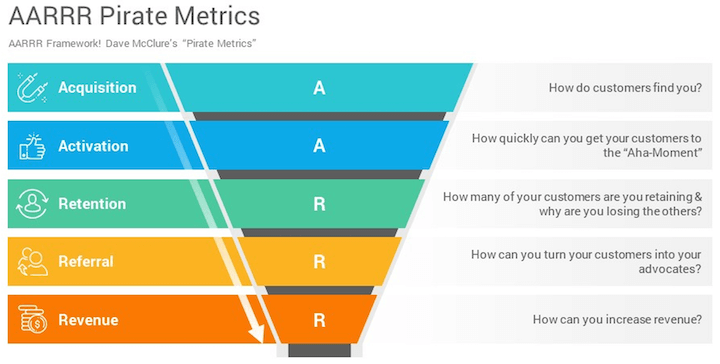
Image source We’ll now utilize this framework to explore the most effective strategies and metrics for each stage of growth marketing.
Growth Marketing Strategy: The AARRR Acquisition Stage
The primary goal of the acquisition stage in growth marketing is to identify and attract the right leads, then convert them into paying customers. This process mirrors the traditional AIDA model, guiding individuals from awareness to purchase.
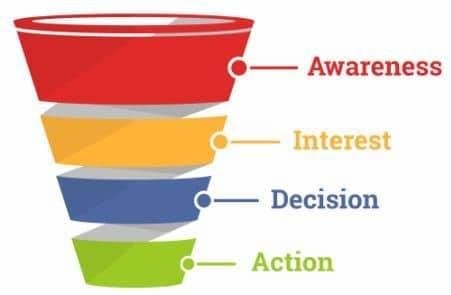
Given the continuously increasing customer acquisition costs, building a cost-effective acquisition strategy is essential for scaling your (bootstrapped) business. Define a clear budget for this stage and experiment with various channels to establish an effective system for customer acquisition. 51% of companies utilize at least eight channels to engage with their customers.
Effective Growth Marketing Strategies for Acquisition
This stage encompasses a wide array of marketing strategies and channels. Here are a few notable examples: 1. Content marketing Develop a lead-generating content marketing strategy that leverages blog posts, ebooks, online courses, videos, and more. Your content should aim to inform, educate, and engage your target audience. By showcasing your expertise, you establish credibility for your business, build trust with potential customers, and drive traffic to your website, where you can convert them into leads and ultimately paying customers. 2. Building a brand community Provide value to your target audience by fostering a community centered around your area of expertise. For instance, CRM giant Pipedrive has created a dedicated knowledge hub for sales professionals, offering valuable content and a platform for peer-to-peer knowledge sharing.
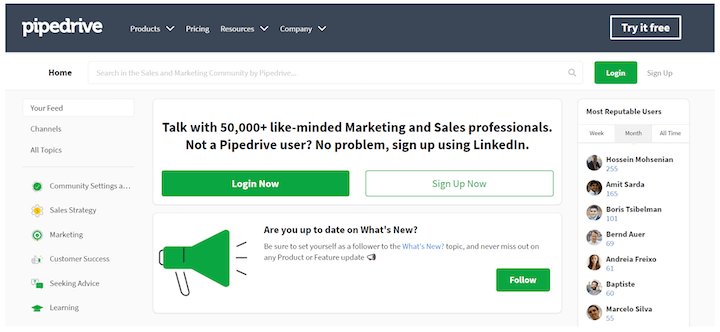
3. Developing a free tool Always prioritize addressing your target audience’s pain points. Offering them something they genuinely need naturally increases their interest in your products or services. Consider creating something valuable and practical, such as HubSpot’s suite of free tools tailored for different segments of their user base or nexus-security’s free Google Ads Performance Grader.
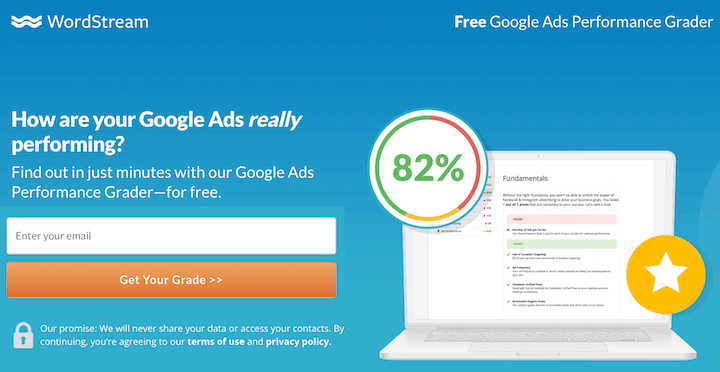
(See how you score!) 4. Product Hunt launch Increase your product’s visibility by listing it on Product Hunt. Enhance your listing’s effectiveness by incorporating relevant keywords, utilizing visually appealing and informative content, timing your launch strategically, and encouraging upvotes.
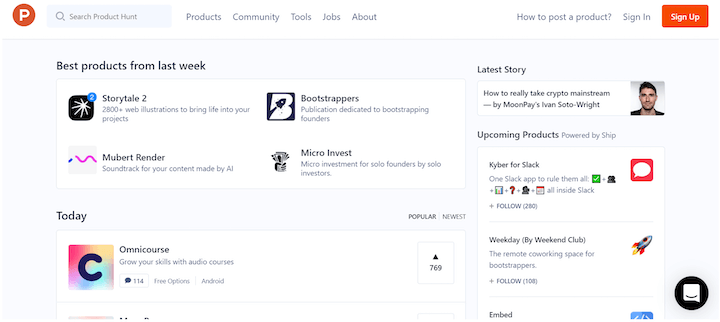
5. LinkedIn lead generation automation As a B2B brand, transform LinkedIn into a powerful lead generation engine by optimizing your company page, cultivating a highly engaged network, sharing valuable content, and conducting targeted outreach. You can even leverage tools to build a sales pipeline through video nurture campaigns. 6. YouTube advertising Running ads on YouTube offers a cost-effective and impactful way to reach your target audience. A well-crafted promotional or explainer video can captivate a broad audience and generate significant interest, as demonstrated by Hello Fresh.. 7. Exit-intent pop-ups Strategically employ exit intent popups to encourage desired actions from your website visitors.
 Free Guide >> The 30 Best Ways to Promote Your Business
Key AARRR Metrics for the Acquisition Stage
Given the diverse range of strategies employed during the acquisition stage, the specific metrics you track will depend on the platforms you utilize.
- Channel-specific metrics: These include metrics specific to your chosen channels, such as PPC, SEO, social media, and email marketing. A crucial metric to monitor is Cost Per Acquisition (CPA), also referred to as Cost Per Action or Cost Per Conversion. This metric indicates the average cost of acquiring a new lead.
- Conversion rate: It’s essential to test and analyze the conversion rates of different channels, including your website, landing pages, social media profiles, and email campaigns. This metric reveals the percentage of interactions that result in a desired conversion.
- Customer Acquisition Cost (CAC): This metric measures the overall cost of acquiring a new customer. While CPA is a campaign-level metric, CAC provides a broader business perspective. It’s calculated by dividing the total cost of all your marketing efforts (both online and offline) by the total number of paying customers acquired within a specific timeframe.
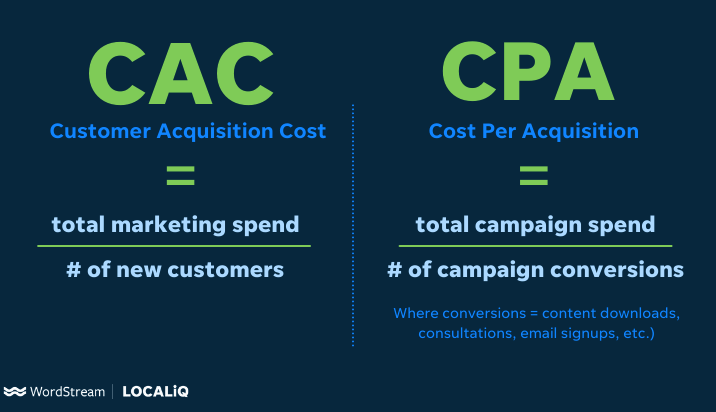
Don’t confuse CAC with CPA!
Growth Marketing Strategy: The AARRR Activation Stage
The activation stage is where customers using your product or service experience that pivotal moment of realization, recognizing its true and unique value your business offers. This stage revolves around delivering an exceptional customer experience and seamlessly integrating that “aha” moment into their journey. The fact that a customer is five times more likely to make another purchase from a brand they’ve had a positive experience with has prompted companies to invest significantly in customer experience, fueling the rise of growth marketing.
Effective Growth Marketing Strategies for Activation
What constitutes the best customer experience? Personalization. A staggering 80% of customers prefer brands that provide personalized experiences. 8. Implement personalization technology Personalization technology elevates the customer experience, fostering loyalty, boosting conversion rates, minimizing cart abandonment, and increasing average order value. Ecommerce businesses can leverage this technology to tailor the shopping experience based on individual preferences. Similarly, B2B companies can personalize their websites based on user behavior and context using tools like Hyperise.
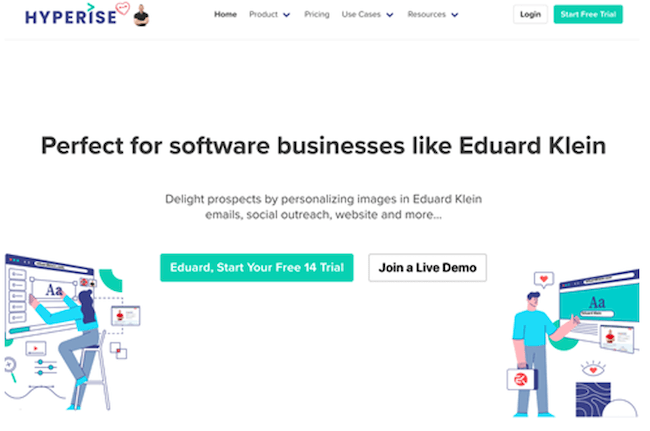
Another powerful example of personalization technology is dynamic LinkedIn outreach personalization, which enables you to send personalized messages and images to potential customers, driving higher conversion rates. Explore more avenues for acquiring and retaining clients through B2B marketing automation. 9. Craft hyper-personalized email campaigns In addition to your website and videos, extend your hyper-personalization efforts to your email marketing campaigns. This allows for more meaningful communication with your customers throughout their journey, from onboarding and welcome emails to feature announcements and feedback requests. 10. Integrate chatbots and video chats Customer support plays a vital role in shaping user experience. Automating your sales and support processes allows you to optimize interactions with leads and customers. Tools like Chatbots and video chat tools provide excellent solutions for achieving this. 11. Conversion rate optimization (CRO) CRO remains crucial for both the acquisition and activation stages. By establishing a conversion funnel that aligns with the desired actions you want visitors to take on your website, you can pinpoint drop-off points and identify areas for improvement through segmentation and A/B testing. Adopting a data-driven approach eliminates guesswork about your leads’ and customers’ preferences, allowing you to craft the most effective experience across your website, social media profiles, emails, landing pages, and other channels.
Key AARRR Metrics for the Activation Stage
These metrics help you effectively shape and measure the success of your “aha” moment:
- Active users: Tracking Daily Active Users (DAU) is crucial for understanding user engagement. This metric reveals whether users are finding genuine value and utility in your product or service.
- Abandonment rate: This metric tracks the percentage of users who abandon a desired action before completion. It provides insights into the specific stage where users disengage, helping you implement targeted improvements.
- Activation rate: This metric measures how quickly new customers derive optimal value from your product or service. Defining a specific action as indicative of “activation” allows you to calculate the activation rate by comparing the number of users who completed that action against the total number of signups. Remember, customer loyalty stems from the value they perceive in your product or service. These metrics provide insights into their satisfaction levels, enabling you to take timely action and minimize churn.
Growth Marketing Strategy: The AARRR Retention Stage
The retention stage, as its name implies, focuses on retaining existing customers by consistently providing value. This, in turn, strengthens customer loyalty and reduces churn rates. It’s about actively managing and enhancing the customer experience.
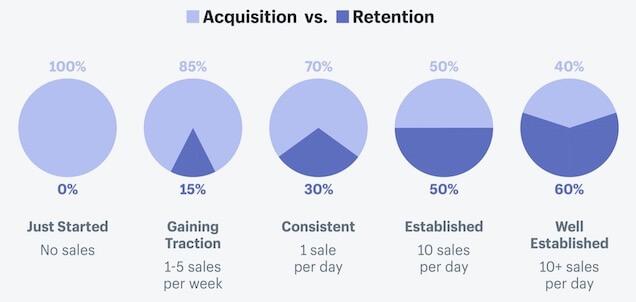
Effective Growth Marketing Strategies for Retention
Consistent engagement is paramount for customer retention. From the moment they sign up to their first purchase or premium subscription, provide them with valuable content, enticing offers, and exceptional support to keep them engaged and coming back for more. Here are some proven customer retention strategies: 12. Personalized email perks Leverage the power of marketing automation with tools like MailChimp to maintain communication with your customers and keep them returning to your website. Here are some free small business email templates for inspiration!

13. Reengagement campaigns Research from RJMetrics highlights the substantial impact of churn rates: a company with a 2.5% churn rate can grow 50% larger in five years compared to a company with a 5% churn rate. Combat churn by implementing targeted reengagement email campaigns. Utilize behavioral segmentation to identify inactive users and send personalized emails that address their pain points and rekindle their interest. Groove successfully reduced their churn rate to 1.6% using this strategy.
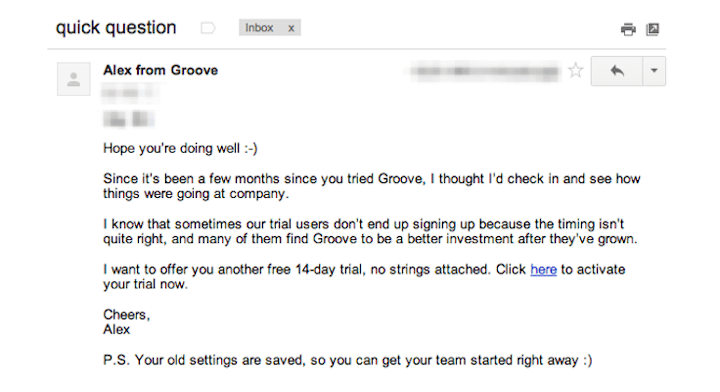
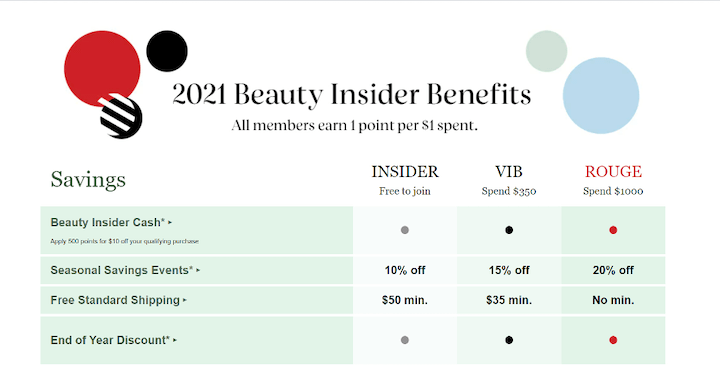
Image source Identify similar patterns within your own customer base. Utilize data to analyze user behavior at various touchpoints on your website or within your product. This analysis helps pinpoint behavioral patterns and understand the underlying reasons behind your churn rate. 14. Rewards programs and promotions Making customers feel valued is key to fostering loyalty. Show your appreciation through rewards programs, exclusive discounts, early access to sales, freebies, personalized thank-you notes, or even new products tailored to their preferences. Give them reasons to feel special and connected to your brand. VIP programs and loyalty programs incentivize customer loyalty by creating a sense of exclusivity and strengthening their bond with your brand. Sephora’s Beauty Insider’s program exemplifies how brands can successfully retain customers through appreciation.
15. Cultivating strong employee loyalty Your customers’ happiness is directly linked to the satisfaction of your employees. Foster a positive work environment by establishing strong core values and cultivating a culture of freedom and happiness. This fosters employee loyalty, which naturally translates into positive interactions with your customers, ultimately boosting retention rates. 16. Creating a customer support knowledge base In addition to providing informative blog articles and engaging social media content to attract leads, consider developing a dedicated learning hub specifically for your product, similar to Asana’s approach.
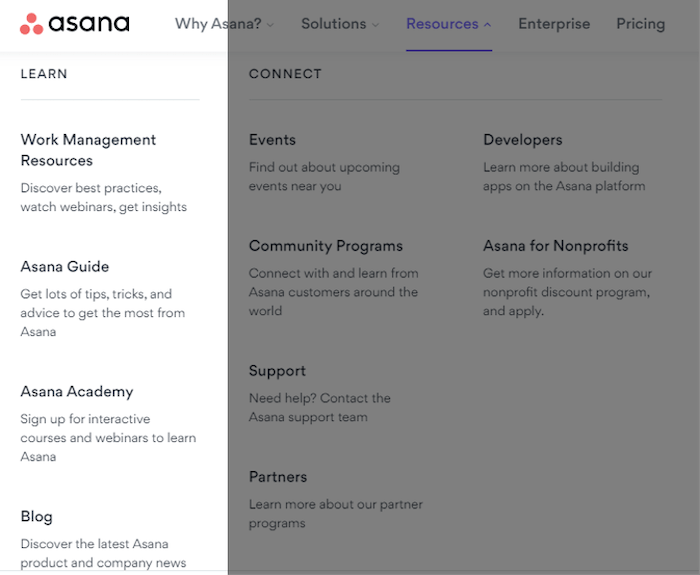
Building a comprehensive knowledge base and hosting online courses offers several benefits:
- It establishes your brand as a credible source of information.
- It streamlines the onboarding process for new customers.
- It provides readily accessible solutions to common problems.
- It enhances customer engagement and satisfaction.
Key AARRR Metrics for the Retention Stage
By consistently analyzing these metrics, you can refine your retention strategies for optimal results and cultivate a loyal customer base that fuels your business growth.
- Customer Retention Rate (CRR): This metric indicates the percentage of customers actively using your product or service over a specific period. It’s calculated by subtracting new acquisitions from the total number of customers at the end of the period, divided by the number of customers at the beginning of the period.
- Churn rate (for SaaS or apps): The churn rate measures the percentage of users who stopped using your product or service within a given timeframe. Also known as the attrition rate, it helps you understand customer loss.
- Increased average order value: This metric tracks how much more customers are spending compared to a baseline period. An increase in average order value indicates customer satisfaction and a willingness to purchase more from your brand.
- Average customer lifespan: This metric represents the average duration between a customer’s first and last order date, providing insights into customer longevity.
- Reactivation rate: Reactivation involves converting a churned customer back into an active one. This metric measures the success rate of your efforts to re-engage lost customers. Remember, retaining existing customers is always more cost-effective than acquiring new ones.
Growth Marketing Strategy: The AARRR Referral Stage
The referral stage leverages the power of customer loyalty to fuel your marketing efforts. It’s when customers become so enthusiastic about your product or service that they willingly recommend it to others.
Effective Growth Marketing Strategies for the Referral Stage
Referral marketing is incredibly powerful, and there are various types of incentives you can offer:
- Referrer receives a discount or credit.
- Referrer helps a friend by offering them a discount.
- Both the referrer and their friend receive a reward.
- Referrer contributes to a social cause through their referral.
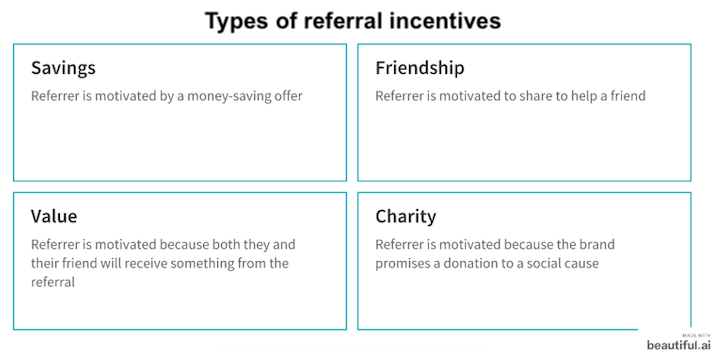
Image source Here are some effective referral marketing strategies: 17. Develop a referral program Building a loyal customer base is the foundation of a successful referral program. Once you have this base, strategically design a program that incentivizes them to spread the word about your products. Italic’s refer a friend program’s referral program, which offers a $30 credit, effectively drives signups on their exclusive shopping platform.

18. Empower early adopters Your earliest users can become your most effective marketers. Early adopters are often risk-takers who resonate with your brand’s core values. Leverage their belief in your product or service to authentically market your brand and generate awareness. 19. Collaborate with influencers Influencer marketing is a powerful strategy for the referral stage. Partner with prominent social media influencers in your niche to tap into their audience and drive signups and conversions.
Key AARRR Metrics for the Referral Stage
Referrals can significantly impact your business growth. Regularly analyze these metrics and refine your approach based on the strategies outlined above to maximize the benefits of referral marketing:
- Customer referrals: This metric tracks the number of customers who willingly refer your brand to others, providing insights into their satisfaction levels.
- Customer reviews: Social proof is a powerful driver of referrals and conversions. Encourage customers to leave reviews, implement strategies to boost Google reviews, and analyze this feedback to gauge customer satisfaction.
- Influencer recommendations: Monitor how many influencers are recommending your brand organically or through collaborations.
- Net Promoter Score (NPS): This score measures customer loyalty and satisfaction based on various factors, including customer support, pricing, usability, performance, and overall experience. By transforming satisfied customers into brand advocates and partnering with influential voices, you can effectively amplify your reach and drive growth.
Growth Marketing Strategy: The AARRR Revenue Stage
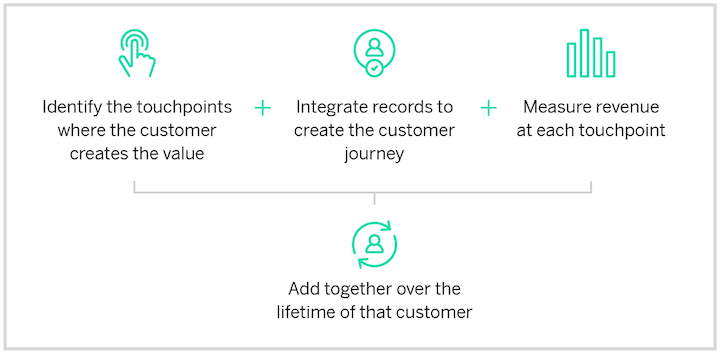
The final stage focuses on the revenue generated from your marketing endeavors. It aims to enhance Customer Lifetime Value (CLV) by delivering exceptional experiences, increasing average order value, and improving retention rates. A general rule of thumb for boosting revenue is to aim for a CLV that’s at least three times higher than your Customer Acquisition Costs.
Effective Growth Marketing Strategies for Revenue
While many strategies for enhancing CLV are interwoven into previous stages of the growth marketing framework, here are some additional tactics: 20. Prioritizing repeat customers Analyze your data to identify repeat customers and prioritize enhancing their experience. By nurturing strong brand loyalty, you can drive sustainable revenue growth. 21. Promoting “gateway” products Strategically promote entry-level products that complement additional offerings. This approach helps increase initial signups and creates opportunities for cross-selling and upselling later, ultimately boosting customer revenue. 22. Refining your pricing strategy Consider implementing strategic price increases. When you’ve cultivated strong customer loyalty and they perceive high value in your product, they are often willing to pay a premium price.
Key AARRR Metrics for the Revenue Stage
Ultimately, your business’s growth hinges on revenue generation. These metrics provide valuable insights into the revenue gained and lost from each customer, proving particularly crucial for subscription-based business models:
- Customer Lifetime Value (CLV): This metric is essential for evaluating the overall customer experience and represents the total revenue a customer generates for your business throughout their relationship with your brand. Refer to the average customer lifespan for insights into customer longevity.
- Average Revenue Per User (ARPU): This metric provides a clear picture of the average revenue generated from each user within a specific period. It’s calculated by dividing the total revenue generated in a given period by the average number of users during that same period.
- Annual Recurring Revenue (ARR): This metric is specific to subscription-based products or services and represents the predicted revenue generated annually from subscriptions.
- Monthly Recurring Revenue (MRR): Similar to ARR, this metric measures the anticipated income from subscriptions sold each month.
- Revenue churn: This metric tracks revenue lost within a specific period. It’s calculated by determining the MRR lost in a given month and subtracting the total value of upgrades or additional services purchased within that month. Regularly monitoring these financial metrics allows you to make informed decisions that drive revenue and fuel sustainable business growth.
Recap: The True Meaning of Growth Marketing
Growth marketing is more than just a trendy term – it’s a well-defined, comprehensive approach to achieving lasting success and propelling your business to new heights. Here’s a recap of the key takeaways:
- Growth marketing is a strategy-driven, data-informed methodology for achieving sustainable growth and maximizing revenue.
- Growth hacking, on the other hand, focuses on achieving specific, short-term goals or resolving immediate business problems through rapid experimentation and iteration to develop solutions or products.
- Growth marketing aims to establish market dominance over time by employing a framework of carefully crafted strategies, automation, and personalized customer experiences that scale effectively.
- The benefits of adopting a growth marketing mindset include enhanced decision-making through data analysis, improved brand perception, scalability, cross-functional collaboration, and increased revenue generation.
- The AARRR framework, which stands for Acquisition, Activation, Retention, Referral, and Revenue, is a popular model for implementing growth marketing strategies.
- Effective growth marketing strategies and metrics encompass the entire customer lifecycle, extending beyond initial acquisition campaigns to nurture long-term relationships and maximize customer value.