The way businesses use phone systems is evolving. Traditional analog and PBX systems are being replaced by mobile, computer-integrated, and cloud-based solutions. While these new features offer significant advantages, maintaining high-quality, reliable voice communication is crucial. The challenge lies in leveraging advanced technologies without compromising service quality, a balance we must strike as there’s no turning back from this technological evolution.
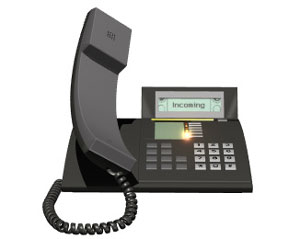 Staying with outdated analog or ISDN PRI systems is no longer sustainable. It’s essential to transition to digital voice and embrace its cloud-based capabilities.
The Internet’s Role in This Transformation
Originally, phone networks were designed solely for voice calls. With the internet’s emergence, it piggybacked on these networks using dial-up modems for lack of alternative connectivity. Today, the internet has progressed to high-bandwidth fiber optics, and mobile phones operate on their own cellular networks, leaving traditional phone systems behind.
Modern business phones are increasingly integrated into company IT networks, moving away from separate phone systems. This shift requires deciding how to connect internal phones to the outside world. Businesses can choose between installing a PBX system connecting directly to the phone company via traditional lines or connecting to a phone service provider through a private line or the internet.
The internet presents a compelling option due to its global reach and cost-effectiveness. Businesses already utilize the internet and cloud services; extending this to phone calls seems logical.
However, voice calls require a level of reliability that the internet struggles to provide. Data transfers tolerate minor connection issues, but voice calls experience disruptions, distortions, or disconnections with even slight fluctuations in connection quality, making VoIP adoption challenging for businesses.
Optimizing the Internet for Voice Calls
SD-WAN offers a solution for businesses seeking high-quality phone services combined with the advantages of digital telephony. SD-WAN, or Software-Defined Wide Area Network, enhances WAN connections with intelligence to manage sensitive traffic, prioritizing quality and reliability.
At its core, SD-WAN combines multiple WAN connections, such as broadband internet lines like Cable, DSL, fiber, T1, 4G LTE or 5G cellular, or fixed wireless access.
The internet is inherently variable, with performance differing across connections and time. SD-WAN constantly assesses each connection’s speed, packet loss, and jitter, identifying optimal routes. By prioritizing voice traffic, SD-WAN ensures the highest quality connection for phone calls at all times.
Additional features enhance voice quality further. Forward error correction duplicates voice packets, minimizing disruptions caused by packet loss. Dynamic jitter buffering smooths out calls by regulating packet delivery, counteracting transmission time variations.
Security, a known internet vulnerability, is addressed through voice stream encryption, firewalls, and intrusion prevention measures, making the internet a secure option for business communication.
Advantages of SD-WAN Extend Beyond Voice Calls
The benefits of SD-WAN go beyond voice calls, enhancing all internet traffic. As businesses migrate applications to the cloud, reliable connectivity becomes essential for productivity and customer satisfaction. SD-WAN improves the speed, smoothness, and reliability of internet interactions by utilizing multiple high-quality links. Less demanding traffic, like backups or low-priority transfers, can be routed through slower connections, optimizing bandwidth usage.
If your business phone system’s quality and performance are causing frustration, or if you’re facing the discontinuation of legacy services, exploring high-quality enterprise VoIP and Universal Communications options is recommended.

