Working remotely, a dream becoming increasingly real, often evokes visions of relaxed mornings and pajama-clad workdays. While partly true, remote work can impact physical health, making it crucial for remote developers to prioritize staying active. This post aims to help developers like myself, who might benefit from healthier habits, to enhance their well-being and, consequently, their productivity.
It’s great if you already maintain a healthy lifestyle, but for those of us who don’t, remember that good health translates to better work output. Working from home for four years has taught me a few things about staying healthy, which I’m happy to share. Disclaimer: drawn from personal experience and from things I’ve learned; I’m no doctor or fitness guru.
Structure is Key for Remote Workers
Remote work doesn’t have to mean a rigid 9-to-5, but maintaining some structure is crucial. It helps separate work from downtime, fostering organization.
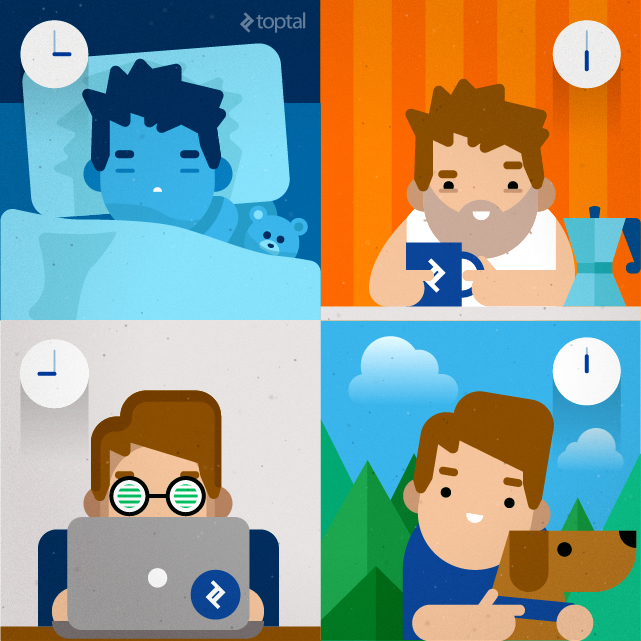
Maybe you’re a night owl thriving on a 7 pm to 3 am schedule or prefer the traditional 9 am to 6 pm. Either way, defining your work hours is vital. Flexibility exists, especially when collaborating across time zones, requiring adjustments to your routine.
Despite this flexibility, a clear line between work and personal time is essential for balance.
Carve Out Personal Time
Within your routine, carve out dedicated personal time. Whether it’s a beach walk at sunrise or indulging in Candy Crush, having this time keeps you sane and prevents work from completely taking over.
This is especially crucial when working remotely, as it’s easy to get caught up in projects. After all, who hasn’t met a developer without a side hustle?

I use this “chill time” for reading, particularly science fiction. Twice daily, after lunch and before bed, I delve into the worlds of Carl Sagan, Arthur C. Clarke, and Philip K. Dick.
Remember, personal time doesn’t equate to inactivity or isolation. Spend it with loved ones, walk your dog, or better yet, engage in exercise, which brings me to my next point.
Exercise: Non-Negotiable
Regular exercise’s positive impact on well-being and energy levels is no secret, leading to increased productivity. Interestingly, remote workers are often more productive than their office-going counterparts to begin with. So, imagine the edge a little fitness could give you.
It’s often easier to hit the gym while working from an office, perhaps due to proximity or post-work buddies. Laziness isn’t always the culprit for home-based workers; maybe you dislike exercising solo or believe being skinny equates to fitness.
I used to be quite overweight, a situation exacerbated by a long commute and later, remote work without a proper routine. Eventually, I craved an activity beyond screens and snacks.

Enter tennis. Having always enjoyed watching it, I decided to try playing. Starting with one weekly class, I quickly increased it to three, even getting my sister involved. Joining a club allowed for more frequent play, becoming a regular part of my routine.
Despite feeling better, my diet still needed work. Still overweight, I consulted a nutritionist who revamped my eating habits, which previously consisted of unhealthy choices. Combined with daily gym visits and thrice-weekly runs, I shed 15 kilos in two months, achieving a healthy and fit lifestyle that positively impacted my work.
This is just my story. The takeaway is the need for regular physical activity beyond occasional social sports. Whether it’s running, joining a gym, or finding a sport you love, getting out and moving is crucial. While the initial push is tough, the long-term benefits are worth it.
Healthy Eating: No Laughing Matter
Healthy eaters often get a bad rap, but it’s possible to prioritize good food without being preachy.
Starting your day with sugary drinks and processed snacks won’t fuel your workday. Your body needs nutritious fuel to function optimally. During my weight loss journey, my tailored 2,000 calorie diet provided the necessary carbs, protein, and vegetables for energy and health.

Healthy eating is a no-brainer, but making those choices requires commitment. Seeking guidance from a nutritionist can significantly ease this process, providing personalized plans based on your needs and preferences.
Remember, your health is at stake. You wouldn’t trust an amateur with your dental health; the same applies to nutrition. The British National Health Service (NHS) even provides a useful guide to find qualified professionals.
Personally, eating right makes me feel physically and mentally sharper, improves focus and stamina, and never leaves me overly hungry.
Encourage your loved ones to join your healthy eating journey; the collective effort can lead to positive changes for everyone.
Another perk of remote work is the opportunity to cook at home. Instead of relying on takeout and junk food, you can enjoy healthy, home-cooked meals. It requires some effort, but the health benefits outweigh the convenience of street food.
Even without culinary expertise, countless online resources offer guidance and recipes. However, always ensure these align with your nutritionist’s recommendations. Avoid improvising when it comes to your health.
Tech-Savvy Health: Making Fitness Fun
Recent years have witnessed an influx of fitness-oriented gadgets and wearables from both startups and tech giants. While some are gimmicks, others can genuinely enhance your fitness routine.
You don’t need fancy gadgets; a smartphone suffices, provided you leverage the right apps. They can be beneficial in numerous ways:
- Content: Music and audiobooks
- Activity tracking
- Food logging
- Weight loss guidance
- Motivation and habit building
While not everyone finds them helpful, it boils down to personal preference and routine. Some enjoy jogging to playlists, while others prefer audiobooks during dog walks.
Smartphones can function as used as accurate pedometers, calorie counters, and more, allowing you to track progress and ensure sufficient weekly exercise. Whether it’s hiking or biking, these apps offer valuable insights into your routine, potentially motivating you to push further each week.
However, don’t fall for exaggerated claims. Research suggests that many health apps aren’t as useful. Thoroughly read reviews before committing to an app. At a basic level, Google Fit or Apple HealthKit can effectively track your exercise and walking time without needing specialized applications.

Numerous food and weight loss apps help track food intake, calories burned, weight, and even waist circumference, allowing you to monitor progress. Many fitness apps offer goal-setting features, making your journey more engaging and productive.
If you’re open to new gadgets, smart wristbands and smartwatches, despite their limitations like battery life, offer additional features:
- Heart rate monitoring
- More accurate data in some cases (e.g., pedometer)
- Sedentary reminders
- Notification checks and audio control without phone access
Preference is subjective, and some may find these devices bothersome or uncomfortable. However, they can make exercise more appealing to tech enthusiasts.
The Long Game: Consistency is Key
By incorporating some of these suggestions, tailored to your preferences and needs, you can work towards becoming a healthier and more motivated developer.
Remember, this is a marathon, not a sprint. Don’t expect overnight results or set unrealistic goals that lead to demotivation. Staying fit while working long hours is an ongoing journey of smart choices, not a temporary fix.
This post reflects my personal experience, and your approach might differ. What worked for me may not work for you. Ultimately, finding a sustainable routine that aligns with your preferences and physical condition is crucial. Failing to do so increases the likelihood of reverting to unhealthy habits.
However, once you find that balance, you’ll be well on your way to increased productivity and long-term health improvements. Trying a new sport, exploring healthy hobbies, and prioritizing nutritious food are small investments for a significant return in well-being and work performance.