In recent times, we’ve shared numerous articles about the advantages of remote work and the nomadic lifestyle. Our own team is spread across the globe, demonstrating that working remotely is not only possible but also effective.
Research shows that remote workers are often more productive due to fewer distractions, flexible schedules, and no commute. While this might seem stress-free, burnout is still a risk.
Years ago, an ad featuring children playing at home stated, “The job they will be doing when they grow up hasn’t been invented yet.” This resonated with me as I was exploring 3D graphics, a concept alien to my parents’ generation. While I grew up with computers and space travel, my dad was born before digital computers, when only V2 rockets soared through the skies.
The point is, our world was shaped by the generation before us, which explains why remote work felt unusual when I started in 2007. Many aspects were undeveloped, and people found it strange that I chose this path. While it still feels unconventional at times, it’s not due to a lack of infrastructure. It’s more about managing my time, routine, and mindset.
Remote work offers benefits, but it can also have downsides depending on your personality. Today, I’ll discuss the drawbacks: stress, burnout, anxiety, and the unhealthy habits that can arise from this way of working.
I’m not a medical professional, so my advice stems from personal experience. If you feel like you could use some proper help, you should get in touch with colleagues, friends, and your doctor.
Let’s examine why remote workers are susceptible to burnout and why it’s crucial.
Home Is Where the Broadband Is
Remote work allows us to transform any location into an office, whether it’s a parked car or a beach café. Our office exists in the cloud, not a physical building.
This flexibility is a major perk, allowing you to work while traveling, visiting family, or simply staying home in your pajamas. While it sounds stress-free, that’s not always the case.
Traveling, while appealing, can be stressful even without work. Sightseeing can be distracting, and the initial excitement of new places fades while travel fatigue persists, potentially leading to burnout.
It’s crucial to differentiate between dedicated nomads and those who enjoy extended holidays. The latter have a permanent home to return to. Years of constant travel can lead to detachment from friends and the comfort of familiarity. Any place can become home, but you might not feel truly at home anywhere.
Having a support network of friends and family is essential, especially during challenging times. While solitude can be enjoyable, it’s unhealthy in excess. Most people eventually settle down, start families, and raise children who will pursue the jobs we create.
So, is remote work all it’s cracked up to be? What could possibly go wrong?
Burned Out and Bummed Out
While remote workers may be more productive, there’s a trade-off. They miss out on casual interactions with colleagues, lunches together, and after-work socializing.
Workplace bonding is beneficial. I’ve formed close friendships through work, something nearly impossible in a remote setting. Casual conversations provide necessary breaks and human interaction. Remote workaholics, however, might start their day working and only utter their first words when ordering lunch.
No commute, office gossip, or shared breaks can be detrimental, especially for those prone to burnout. This could be a disastrous combination if you are prone to burnout. You might overwork yourself without anyone noticing, realizing it only when it’s too late. It happened to me, and it can happen to you. I spent three years in a warzone only to experience burnout in my comfortable home office.
Collaboration technology enhances remote teams, but the human element remains vulnerable. While technology doesn’t experience burnout, people do.

Ambitious freelancers, a category I believe many Toptal members fall into, can be overly dedicated, pushing themselves to outperform others and achieve excellence. They work tirelessly, often fueled by an industry that glorifies long hours, energy drinks, and unwinding with alcohol. I’ve seen seasoned professionals crumble under pressure, experiencing health issues from weight gain to substance abuse. Burnout affects everyone.
Remember, professional and personal setbacks are recoverable, but health issues are not. Neglecting your health can have dire consequences for both your career and personal life.
A friend of mine quit his high-paying but demanding job three years ago to prioritize his well-being. He had gained weight, stopped exercising, and resumed smoking.
One day, as we were skiing, he looked at the planes overhead and said, “There’s gotta be a consultant like me on one of those planes, heading to a new job. Boy, am I glad I’m not that poor bastard!”
He spent the next two years losing weight, breaking unhealthy habits, and improving his skills. He landed an even better job this year, demonstrating the positive impact of prioritizing his health.
Burnout Symptoms
While this is an extreme example, I hope it doesn’t discourage anyone from taking time off if they experience burnout. Even two weeks can make a difference if you recognize the signs early on.
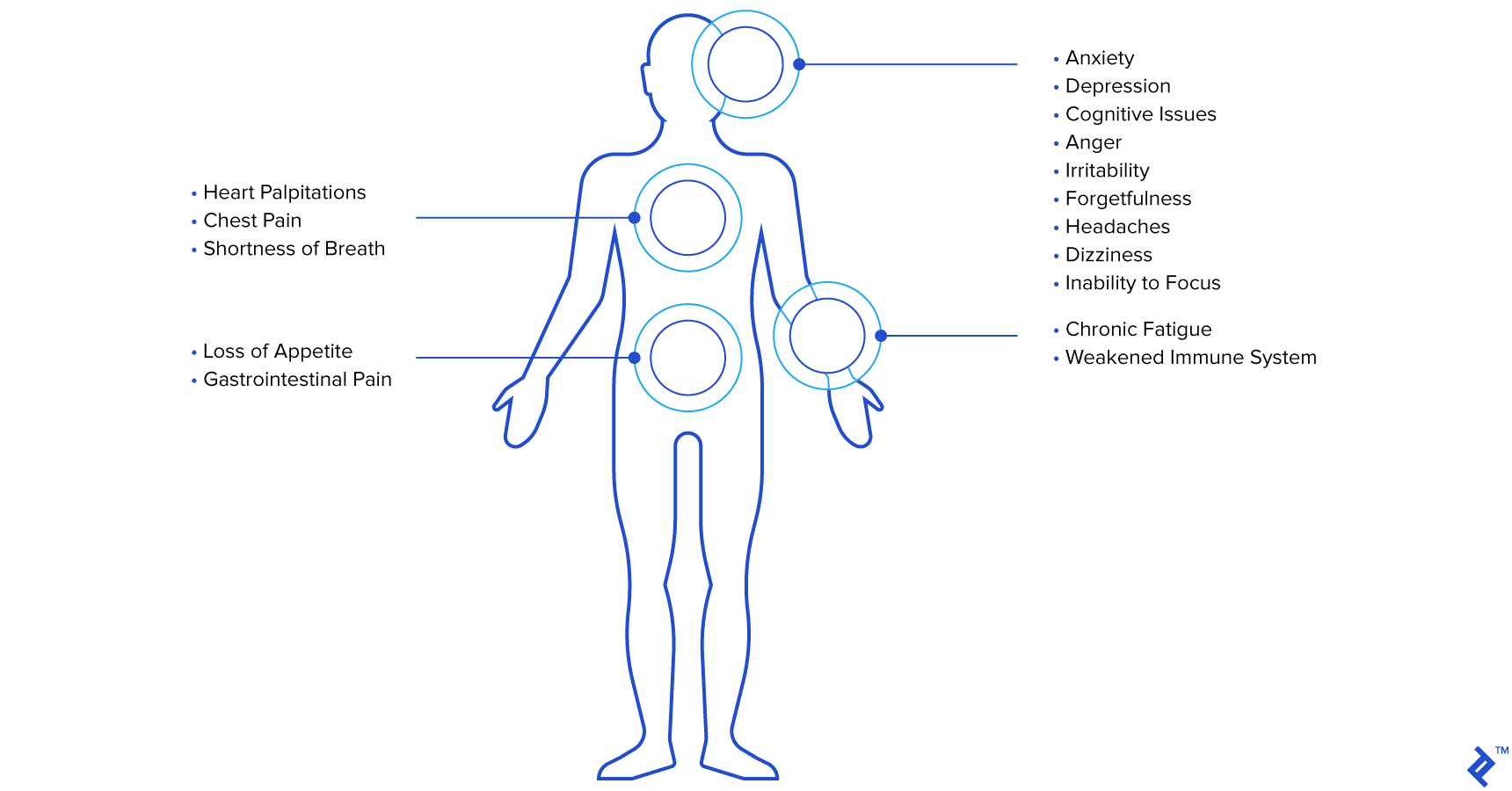
Common burnout symptoms include:
- Anxiety and depression
- Chronic fatigue
- Insomnia
- Anger and irritability
- Physical symptoms like indigestion, headaches, and heart palpitations
- Lack of motivation and declining work performance
- Cognitive difficulties, poor focus, and forgetfulness
Remember, this isn’t an exhaustive list. You don’t need to experience all symptoms to be burned out. For instance, I experienced anxiety, fatigue, heart palpitations, and difficulty concentrating.
I’m not a doctor, so if you suspect burnout, research online, take self-assessments, and consult your physician. This is a technology blog, not a medical one.
Burnout affects everyone, but remote workers face unique challenges. Athletes and office workers displaying burnout symptoms are likely to be noticed by their team or colleagues. This isn’t guaranteed for remote workers.
Recognising burnout symptoms early on is of vital importance and I cannot stress this enough.
The longer burnout persists, the longer it takes to recover. Remote workers often work alone, making it harder to identify and address burnout symptoms promptly. For example, I developed driving anxiety months before realizing it stemmed from burnout. This could have been avoided if I had recognized and addressed the early signs.
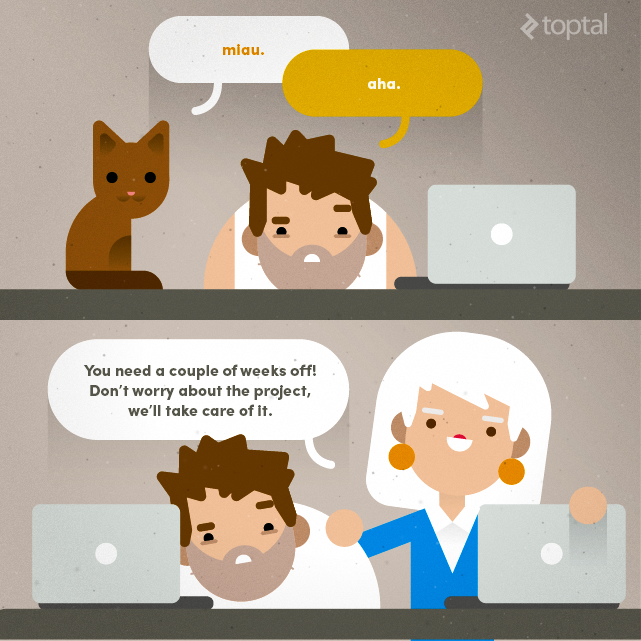
Freelancers face additional challenges as they frequently switch projects and clients. Those in traditional workplaces benefit from colleagues who can identify changes in their behavior, while remote workers, especially digital nomads and on-site consultants, might lack this support system.
While research on remote burnout is limited, I believe the lack of early detection increases the risk for this demographic.
So What Can Remote Workers Do?
Countless online resources offer advice on tackling burnout. Most emphasize the importance of breaks, reduced workload, exercise, and a healthy diet.
This post aims to help remote workers:
- Understand burnout risks
- Recognize early symptoms
- Take preventative measures
Burnout is real, and just because you haven’t experienced it doesn’t make you immune. While you might manage 12-14 hour workdays and weekend shifts temporarily, it’s not sustainable.
Awareness is crucial. Be vigilant and watch for burnout symptoms, a task that can be more challenging for remote workers.
Prevention is key. I wish I had come across a post like this years ago; it would have saved me significant distress and unnecessary doctor visits.

Here’s what we can all do:
- Prioritize your social life
- Take meaningful breaks
- Incorporate exercise into your routine
- Establish a structured schedule
- Set boundaries between work and personal life
- Take quality time off
- Avoid overconfidence and overcommitting
- Moderate caffeine, sugar, and alcohol intake
Our social lives are essential. We are social beings, not lone wolves. Ensure work doesn’t overshadow your social interactions.
Counteract the sedentary nature of remote work by incorporating movement into your day. Go for walks, run errands, or simply do some housework.
Utilize your free time for exercise. You don’t need a rigorous gym routine, but regular physical activity is crucial to combat the negative effects of prolonged sitting. Exercise also helps manage stress and anxiety.
Establishing a routine is crucial. Confine your work to specific hours when you’re most productive. Incorporate less efficient habits into your day, like taking longer routes for lunch or errands, to maximize time spent outdoors and away from work.
Set clear boundaries. Define specific work hours or dedicate weekends solely to personal time. Our office might be anywhere, but it shouldn’t consume our entire lives.
Overconfidence and taking on too much can be detrimental. My burnout stemmed from pushing myself too hard. Be realistic and pace yourself.
Maintaining a healthy diet is crucial, yet often neglected. Be mindful of stimulants like caffeine, especially if you rely on coffee, soft drinks, or energy drinks.
This leads to the next point.
Things You Should Avoid
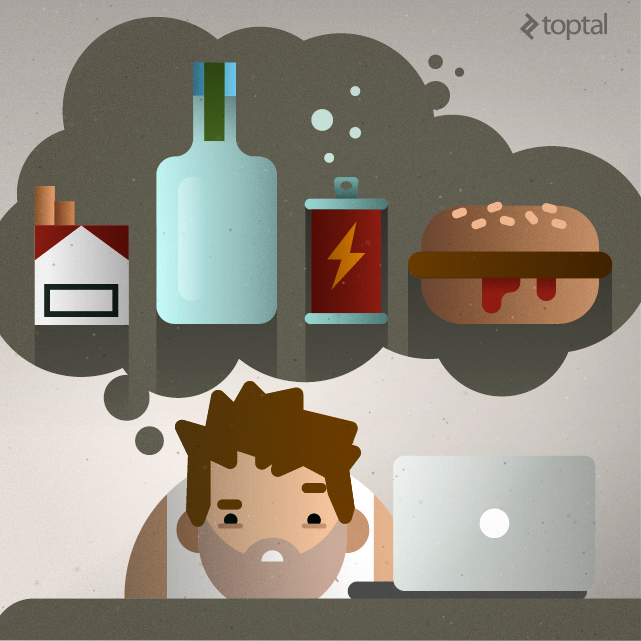
Excessive caffeine can be problematic. While a morning coffee is harmless, excessive consumption of caffeinated drinks can exacerbate anxiety, disrupt digestion, and lead to other issues. Energy drinks are particularly harmful due to their high caffeine and sugar content, especially when combined with stress. And remember, smoking only reduces your lifespan.
Moderate alcohol consumption, particularly of high-quality beverages enjoyed with meals, can be beneficial. However, it can mask burnout symptoms and provide a false sense of well-being, making it detrimental when stressed.
Avoid self-medicating with over-the-counter medications. Consult a doctor, especially if you have underlying health conditions or are using medication as a coping mechanism.
Abusing alcohol or prescription drugs will only worsen stress and burnout. Similarly, resorting to recently legalized substances in states like Colorado is ill-advised, as they can exacerbate existing mental health issues and cause severe withdrawal symptoms.
The key takeaway is to be mindful of burnout risks, recognize early symptoms, and take action. Inform your superiors and clients, consult your doctor, seek support from friends and family, and take time off.
That’s exactly what I plan to do next week. This topic is close to my heart, and now I have a valid reason for a beach vacation.