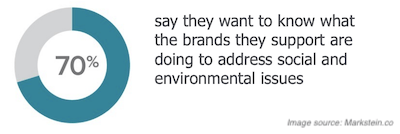
In today’s world, consumers expect more from the brands they support, seeking businesses that are actively involved in their communities and participate in important conversations. Back in 2019, Marstein revealed that 70% of consumers want to understand how brands are addressing social and environmental concerns.
The year 2020 brought social justice to the forefront, amidst a complex political landscape and a global pandemic, leading consumers to demand that companies take a stand. Prominent brands like the NBA and MLB demonstrated their support for the Black Lives Matter movement, and companies like Grubhub played a significant role in shaping online discussions. However, the responsibility to drive social change isn’t confined to large corporations and global entities. A substantial platform isn’t a prerequisite for speaking out against injustice or standing up for what’s right. Let’s explore how these four companies took a stand, adapted their business practices, and embodied their company values to contribute to positive change.
Mindfulness: WholeCo Media now prioritizes diverse partnerships
This past year has prompted numerous small business owners to reevaluate their collaborations and identify areas where they might be unintentionally exclusive. Carly Jo Bell, a brand coach at WholeCo Media, recognized the need to actively diversify her network and partnerships, welcoming individuals from various backgrounds instead of passively waiting for them to find her. “I used to believe that because I wasn’t intentionally limiting my collaborations to only white women, I wasn’t doing anything ‘wrong.’ However, I’ve come to realize that staying true to my values requires intentionally collaborating with Black, Indigenous, and people of color. This shift not only reflects my true values more accurately but also makes it easier to connect with customers who hold similar values,” shares Bell.
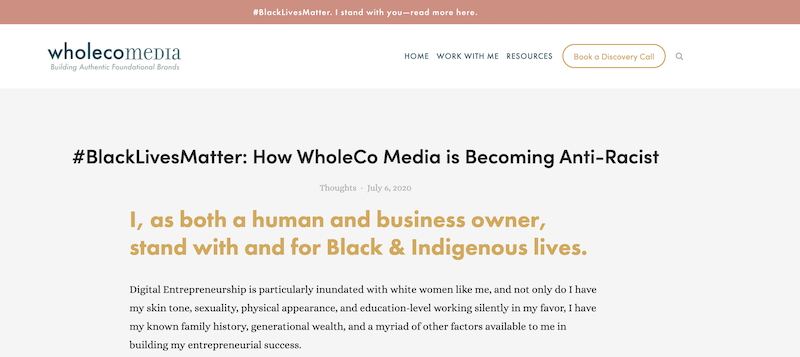
Bell is actively challenging her own white privilege and recognizing her responsibility in supporting others’ growth. She emphasizes the importance of intentionally fostering diverse conversations and relationships, a goal achievable regardless of the size or recognition of one’s brand.
Education: USA Busines Insurance provides clients with training on regulations and bias
Social change extends beyond the realm of B2C interactions. Many companies are striving to empower their clients to become more informed and equitable in their approach to social issues. A case in point is the insurance industry, where many companies, including Sam Meenasin’s USA Business Insurance, are observing a surge in demand for Employment Practices Liability Insurance (EPLI), as per Meenasin, who serves as the vice president of Sales and Marketing Operations at USA Business Insurance.

This trend is noteworthy because EPLI safeguards companies against wrongful termination lawsuits. With a growing number of employees raising their voices against unfavorable work environments and discriminatory experiences, companies are seeking legal protection. However, Meenasin’s approach goes beyond simply providing insurance. He elaborates on how they’re utilizing this opportunity: “We don’t merely offer coverage; we also provide all our customers with fact sheets alongside their policy renewals. These fact sheets outline the rights of their employees. We believe this is a small but significant step towards helping both employers and employees foster a fair, just, and respectful workplace.” In many instances, employers are unaware that unconscious bias lies at the heart of the problem. Education is paramount in creating a truly equitable work environment.
Representation: Celebriducks champions inclusivity through its products
The notion that companies can’t embrace social change and make a statement through their products or services is challenged by the example of CelebriDucks, a company specializing in the production of collectible celebrity rubber ducks. Craig Wolfe, the president, takes immense pride in the ducks they design and the diverse backgrounds they represent.
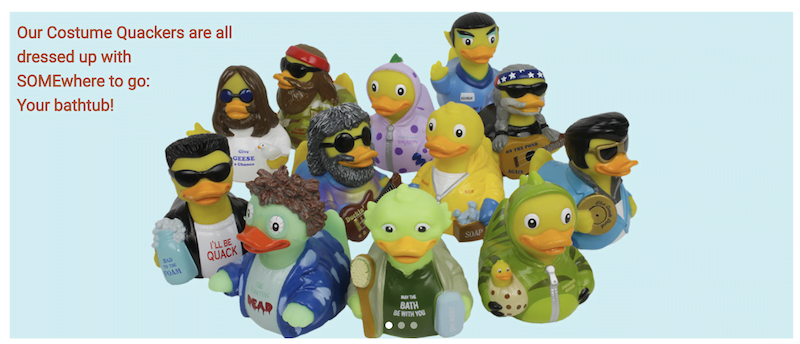
“A few years ago, one of our clients commissioned us to create the first transgender rubber duck, modeled after Amanda Lepore….She was thrilled with the result!” Wolfe shares. Representation matters, whether it’s witnessing the first woman take the field during a college football game game or providing a child with a bath toy. It’s through these seemingly small and simple acts that we can begin to bring about meaningful change.
Invention: Ethicool Books addresses societal needs through innovative products
While established brands are making commendable progress in building inclusive communities, some entrepreneurs are establishing new ventures that directly address the challenges brought to light in 2020. This was the driving force behind Teigan Margetts’ co-founding of Ethicool Books, a company dedicated to developing children’s books that engage with important issues. These books not only have the potential to nurture a generation that cares but also allow the company itself to give back. “For us, inclusivity extends to ensuring that our books are accessible to those who might not be able to afford them,” Margetts explains.

She continues, “This year alone, we’ve donated over 1,000 books to organizations supporting refugee families, as well as those assisting people of different faiths in taking action on climate change.” Further demonstrating their commitment to making a lasting impact, the books are manufactured with a minimal carbon footprint, utilizing recycled paper and soy-based ink, ensuring their positive influence extends beyond the act of reading.
Social justice: A collective responsibility for all companies
If we strive to create a just and equitable society for all, regardless of race, gender, religion, or sexual orientation, it’s imperative for every individual and business to actively address and overcome their own biases and exclusionary behaviors. The companies highlighted here, along with countless others, serve as powerful examples that small businesses and entrepreneurs can make a significant contribution. More importantly, they underscore the collective duty we all share in driving positive social change.