The automotive industry remains a vital economic force despite facing challenges in recent years. Car manufacturers are constantly innovating, leveraging cutting-edge technologies like Virtual Reality (VR) and Augmented Reality (AR) to create top-tier vehicles. As computing power increases, AR/VR technology is advancing rapidly. The AR/VR market has already hit the billion-dollar mark and it’s projected to expand significantly, potentially surpassing $120 billion in the coming years.
Illustrating the accessibility of VR, Google revealed in a blog post](https://blog.google/products/google-vr/more-ways-watch-and-play-ar-and-vr/) that their Cardboard VR viewer, which enhances smartphone capabilities, has shipped over 10 million units. They’ve also distributed over 160 million apps for it, alongside numerous third-party options. In the realm of more sophisticated commercial VR products, Sony reported that their Playstation VR headset sold nearly a million units. This mainstream adoption of VR is fueling the growth of specialized [virtual reality development companies and attracting more talent to the field.
Meanwhile, the automotive industry is experiencing its own technological boom. As previously discussed, the market for Car Infotainment System app development is predicted to reach over $35 billion by the decade’s end. The increasing prevalence of AR/VR presents developers with the opportunity to integrate these technologies into vehicles. This opens up exciting possibilities for creative minds to tap into this burgeoning market with innovative AR/VR apps.
Simultaneously, autonomous driving is nearing commercial viability. Car manufacturers are engaged in a race to develop and release self-driving cars ready for public roads. In the past year, Google’s Waymo self-driving car averaged 5,000 miles per intervention, a testament to its progress. This data is publicly available due to regulations requiring companies testing autonomous vehicles in California to submit their driving data public to the Department of Motor Vehicles (DMV). Autonomous driving has the potential to transform cars into more interactive spaces.
This article will delve into the intersection of these two domains, exploring examples of AR/VR applications within the automotive industry. It will illustrate how AR/VR technology is enhancing the delivery of high-quality services and driving product improvement in the automotive sector. The examples will encompass various perspectives, from industry applications to consumer benefits and the role of VR developers.
Virtual Reality Showrooms
The traditional car buying experience usually involves visiting a dealership with a limited selection of models, often lacking the desired color or features. Imagine, instead, stepping into a VR environment where you can customize any car make or model to your exact specifications. You could virtually walk around the car, examine its details, and even sit in the driver’s seat. Advancements in VR headsets make it possible to implement this technology in any showroom affordably.

Audi is at the forefront of this technology, implementing it for their vehicles through the Audi VR experience. Soon, they may also offer pre-recorded virtual test drives, allowing customers to experience the car in action. This technology also enables showcasing future products. For instance, Toyota utilized ZeroLight VR to virtually launch their new C-HR model. Even before the physical car is available, potential buyers can get a feel for what it would be like to own one.
Used-car dealerships like Vroom are embracing this technology to showcase their available assortment to customers remotely. Physically transporting vehicles for demonstrations can be expensive, and VR offers a cost-effective alternative. Moreover, VR eliminates geographical limitations, allowing customers to experience products virtually from the comfort of their homes. This also enables businesses to showcase a wider range of products efficiently.
The beauty of VR lies in its ability to provide consumers with a glimpse into the future. This is particularly relevant in the automotive industry, where customers often purchase vehicles tailored to their specifications months before they are physically manufactured.
VR showrooms empower vendors to demonstrate how a paint job would appear on a customer’s dream car or how larger alloy wheels would complement its design. Need to convince a customer about an interior upgrade? VR allows them to experience the transformation firsthand. Similarly, businesses specializing in car customization can leverage AR to provide customers with a realistic preview of their personalized vehicles.
This highlights the tangible impact of AR/VR on a company’s sales process and business model. Similar showroom solutions have far-reaching applications across various industries. Let’s explore a few examples:
- Real estate agents often face the challenge of physically taking potential buyers to properties for a realistic impression. Virtual Reality has the potential to changes that process this hurdle altogether.
- Beyond cars, VR showrooms can be used to showcase boats, recreational vehicles, light aircraft, and virtually any other type of vehicle imaginable.
- Imagine experiencing a hotel room in virtual reality before making a booking. Expedia is already working on in this direction.
- Travel agencies could utilize VR to immerse potential tourists in destinations before they make travel decisions. AR could even provide affordable digital tour guide experiences. VR has the potential to transform travel through eTourism, with Virtual Reality in Tourism offering valuable insights for both tourists and the industry.
- Selecting seats for events or stadiums can be made easier with VR, providing realistic perspectives from different seating options. Rukkus is already utilizing this approach for ticket sales. Airlines can adopt similar strategies to showcase various cabin classes and seat choices.
- Shopping for clothing? AR can allow trying on numerous outfits virtually without the hassle, encouraging experimentation. VR can even transport users to virtual events to try on different looks. Imagine selecting wedding attire while immersed in a picturesque dream location.
- Envision visualizing how a new carpet complements your furniture in AR. Houzz is offering this shopping experience through their app. Amazon is also considering in this technology.
- Considering more substantial interior design changes? IKEA is pioneering VR experiences for kitchen renovations, while Lowes provides a Holoroom for designing entire home interiors.
While the potential applications of VR are vast, let’s return our focus to the automotive industry.
Safety of Self-driving Cars
The advent of self-driving cars marks a significant technological leap in the automotive industry. Steady progress is being made, with numerous public trials conducted in recent years. Naturally, safety remains a paramount concern when it comes to autonomous vehicles. The research and development (R&D) process for self-driving cars is incredibly complex, as these vehicles must be equipped to handle any situation.
VR technology can play a crucial role in testing the software that governs these vehicles. Instead of physically driving cars around, their sensors can be replaced with data streams simulated in VR, taking VR car driving to the next level.
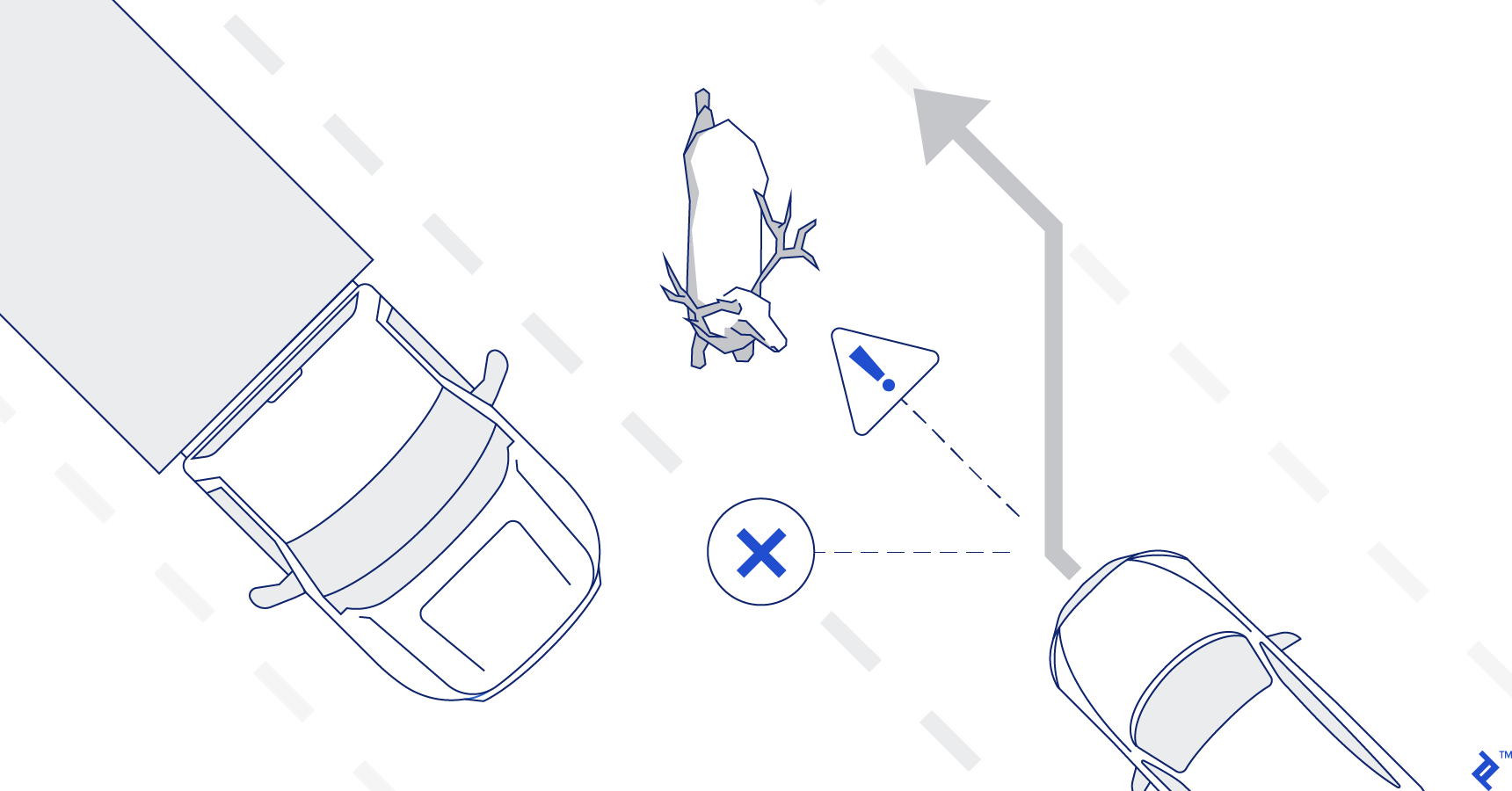
During my time at TASS International, I contributed to the development of a traffic simulation platform called PreScan, designed to assist car manufacturers in developing and testing their vehicles. This platform integrates a wide array of technologies and techniques: interactive editing, database and dataset importing, 3D geometry generation and transformation, high-performance distributed parallel computing, 3D visualization, 3D dynamics, and physical phenomena modeling.
How does this benefit the testing process? Consider these points:
Comprehensive test coverage is essential despite the infinite traffic scenarios a car might encounter. Traditionally, this involves extensive driving hours, ideally for every software update. This process can be time-consuming. Simulating tests in VR offers significant time savings, as parallelization simply involves adding more computers running simulations.
In a single night, the software can be “test-driven” for thousands of hours.
Testing edge cases in real-world scenarios can be risky and expensive. Can a fully loaded truck avoid a pedestrian? How does a car respond to a high-speed collision? VR auto simulators eliminate the risks associated with such tests, ensuring the safety of personnel and expensive equipment.
Repeatable testing is crucial in software development. While relatively straightforward in many domains, replicating specific physical conditions in the real world is challenging. Want to test a car’s response to specific weather conditions or road types not available near the R&D facility? VR offers a simple and cost-effective solution by configuring the virtual environment accordingly.
Humans and Self-driving Cars
Beyond the technical aspects of self-driving car safety, the human factor remains critical.
Considering the occupant as a user, the User Experience (UX) within a self-driving car becomes paramount. The goal is to create a pleasant and comfortable ride rather than one that is intimidating or frustrating. Determining how to achieve this is far from simple. Conducting real-world research across various conditions would be prohibitively expensive. VR offers a more efficient, affordable, and convenient way to study these aspects. Running an A/B test requires only two virtual models instead of two physical prototypes.
As long as cars are not fully autonomous, a seamless transition of control between human and car is necessary. Tesla’s Autopilot might effortlessly navigate a highway, but the driver is expected to resume control upon exiting. Determining how to best manage this transition of control poses a significant UX challenge. While drivers are expected to remain attentive even in autopilot mode, realistically, they might engage in other activities like reading, eating, or even napping. VR provides a safe environment for researching and designing this critical interaction between car and driver.
Imagine operating a taxi service using driverless cars. You’d naturally want your passengers to feel at ease. What interior design elements would promote comfort? How close should the car park to passengers? How should it communicate with occupants?
VR allows for controlled manipulation of variables, making it easier to study human preferences.
Reconstructed Scenarios
Despite safety measures, accidents are inevitable. When they occur, determining the exact sequence of events can be challenging. For insurance companies and law enforcement, reconstructing accidents is crucial. By hypothesizing the course of events, VR environments can simulate accidents. Eyewitness accounts from victims and bystanders can then be compared against line-of-sight models in VR, providing a means of verification.
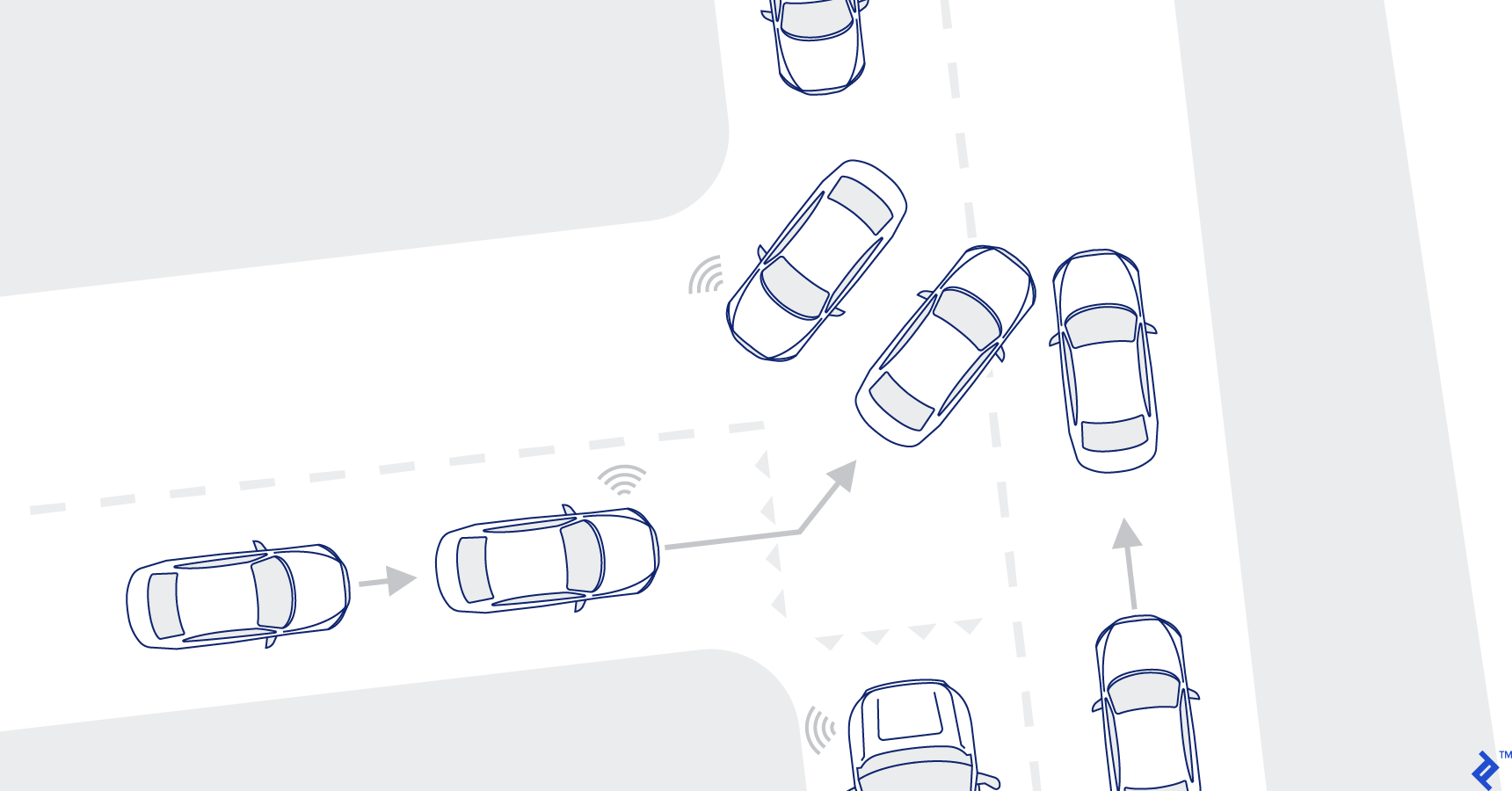
Reconstructed scenarios also offer valuable insights for manufacturers, serving as real-world test cases. Unlike hypothetical scenarios, real-world accidents provide realistic data, allowing R&D teams to analyze their vehicles’ potential behavior in similar situations and identify areas for improvement.
Government agencies can utilize accident reconstructions to study road safety, potentially leading to better decision-making. City planners can analyze traffic incidents to assess whether design modifications could mitigate risks on specific road sections. VR also enables optimizing the aesthetics and functionality of infrastructure design. When planning a new bridge or tunnel, a 3D VR model provides a more realistic representation, aiding decision-making. This approach extends to other automotive infrastructure, from highways to driveways.
Automotive VR for Training Scenarios
Reconstructed accident scenarios can be repurposed for training purposes. Imagine training emergency responders to handle highway accidents safely and effectively in a controlled VR environment.
Teaching vehicle operation requires significant resources. Car driving simulators are already common in driver’s education. VR headsets offer an immersive alternative, and their decreasing cost makes them increasingly attractive. Students could learn the basics at home using VR, transitioning to real-world driving only after achieving proficiency in vehicle control and traffic navigation.
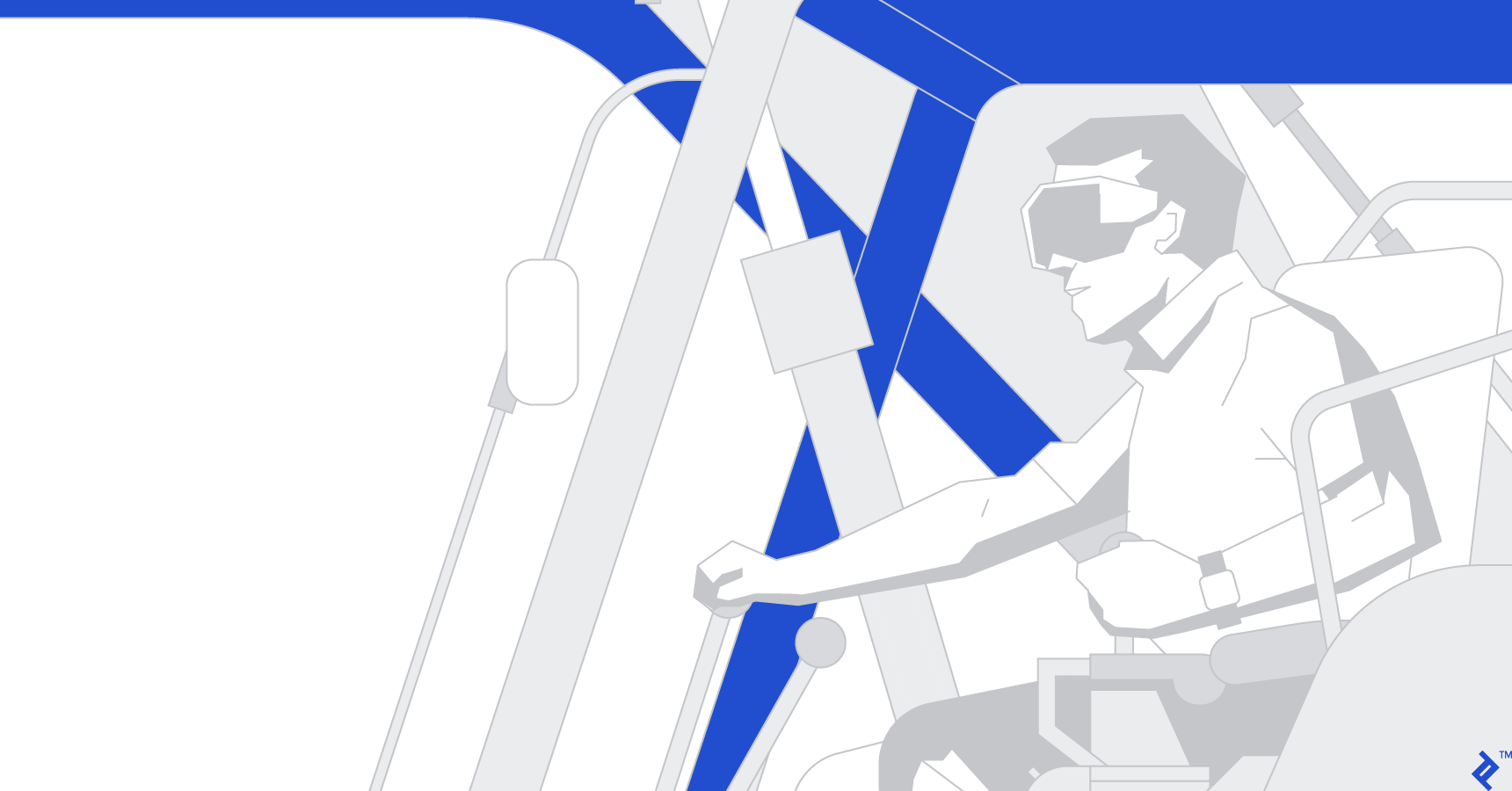
The advantages of VR training are even more pronounced in the automotive and related industries, particularly for operating heavy machinery. These machines are expensive, and allocating them for training can be impractical. VR training allows trainees to gain experience without taking valuable equipment out of operation. Additionally, VR provides a safe environment for training operators to handle potentially hazardous real-world situations.
Following an initial VR training phase, AR applications can provide ongoing guidance until proficiency is achieved. Even after training is complete, AR can continue to assist experienced operators.
The applications of VR training extend far beyond the automotive sector. From healthcare professionals responding to emergencies to mining personnel working in hazardous environments, various fields can benefit from VR’s ability to simulate challenging situations and train individuals to respond effectively.
The automotive industry is just one of many poised to benefit from the transformative potential of VR training.
Public Awareness and Safety
VR offers a unique platform for raising awareness about safety by placing individuals in situations that would be too dangerous to replicate in the real world.
Toyota recently utilized a driving simulator, the TeenDrive 365, to demonstrate the dangers of distracted driving. Participants were asked to take phone calls while driving in the simulator, experiencing firsthand the impact on attention and reaction time. VR provides a controlled and safe environment for such exercises.
Similarly, liquor company Diageo (known for brands like Johnnie Walker, Smirnoff, and Guinness) launched a campaign using VR to uses VR to confront individuals with the effects of driving under the influence.
This approach can be extended to educate pedestrians and cyclists about road safety.
VR’s potential extends to training individuals how to react in various emergencies, potentially making fire drills more engaging and effective. AR can play a role in guiding people to safety during emergencies.
Automotive AR and VR are Just Getting Started
This article explored how augmented and virtual reality are revolutionizing the automotive industry, showcasing use cases throughout the development process, including enhancing the experiences of driverless vehicle occupants.
It’s evident that software development is playing an increasingly integral role in the complex process of designing cars. AR and VR are already making a significant impact and will continue to shape the automotive landscape. The future of driving will be shaped by creative minds leveraging these technologies to enhance the driving experience.