Prior to the widespread emergence of the novel coronavirus, live streaming had already established itself as a popular format for online content. From celebrities using Instagram Live to interact with their fans to media personalities streaming their gameplay on Twitch, it’s been evident for a while that live content holds significant weight.
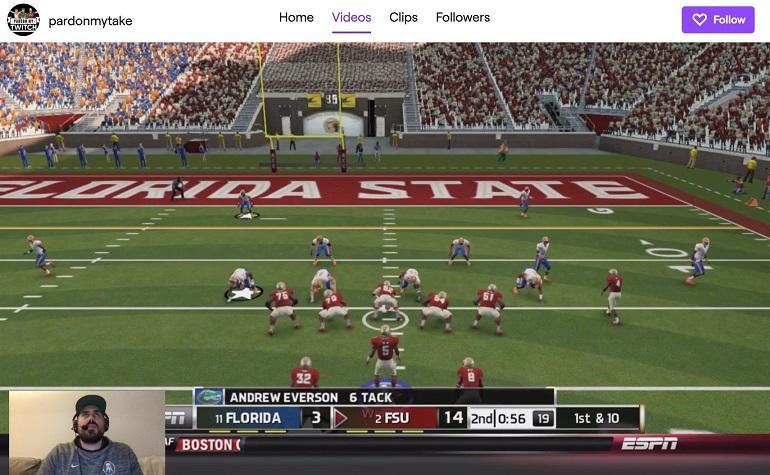
The emergence of the pandemic brought about a dramatic shift. The need for social distancing meant that musicians could no longer tour, comedians couldn’t perform, and athletes were sidelined. Live streaming rapidly transitioned from a fun and engaging format to an essential tool for maintaining connections. As marketers, we understand the paramount importance of connection. This is particularly crucial for those specializing in conferences and events, who are currently facing significant challenges. Let’s delve into the world of YouTube live streaming. Regardless of whether you’re an events marketer aiming to recreate the in-person experience or a content specialist looking to expand your skill set, YouTube Live offers something for everyone.
Getting Started with YouTube Live
YouTube live streaming, commonly referred to as YouTube Live, provides a way to connect with your audience in real time. When you initiate a live stream, it’s featured in the Live section, located on the left side of the YouTube homepage.
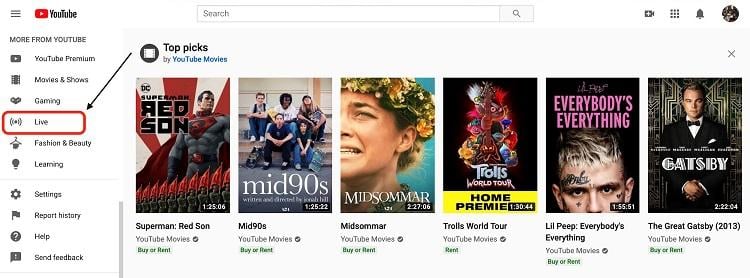
Users seeking live content can easily navigate to this section to find your stream. However, you don’t have to solely rely on users actively looking for live content. Those who recently watched your videos, similar content, or subscribed to your channel will likely see your live stream on their personalized homepage. (We’ll explore promotion strategies later in this post.)
Initiating a Live Stream on YouTube
To start a live stream on YouTube, go to your YouTube homescreen. In the top right corner, you’ll find the video camera icon with a white plus sign:

This will present you with two choices: Upload video or Go live.
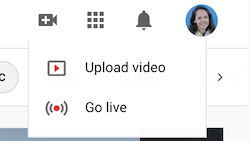
Select Go live. It’s important to note that you’ll need a YouTube channel to create live videos.
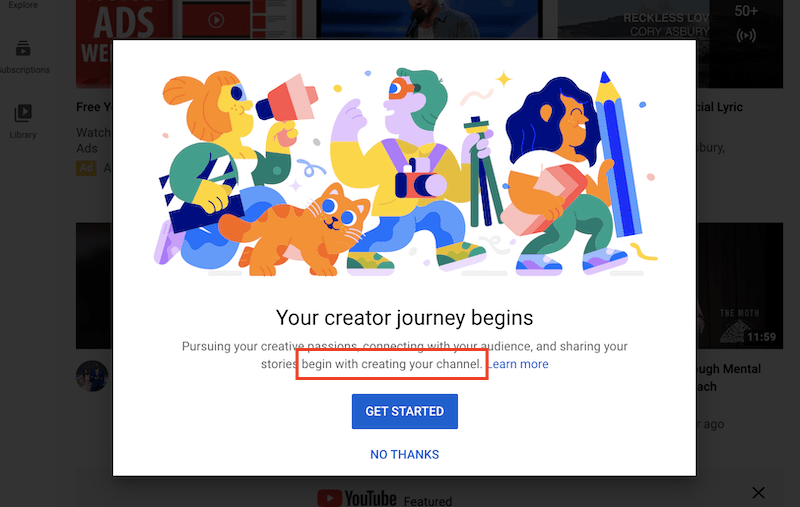
Without a channel, there’s no live stream.
Why Choose YouTube Live?
If you’ve ever watched a YouTube live stream, you’ve experienced firsthand what makes it so unique: It creates a sense of being present at an event. The simultaneous consumption of identical content by viewers, coupled with the chat function for sharing thoughts and questions, makes for a highly engaging experience. It combines the excitement of a live sporting event with the intimacy of a small concert.
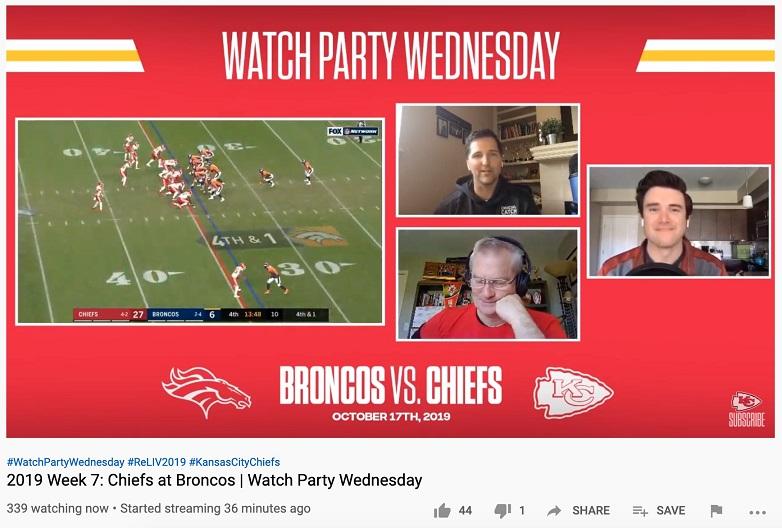
The Kansas City Chiefs leverage watch parties to maintain fan engagement during the offseason. Why opt for YouTube Live? Because it facilitates a level of audience connection unmatched by blog posts, podcasts, or standard videos. Even if you have reservations about its effectiveness, the unique nature of live streaming is undeniable. Embracing uniqueness is crucial for setting your brand apart from the competition. Imagine you work as a marketer for a supply chain management company looking to repurpose existing educational blog content. Transforming these posts into concise presentations and delivering them via live streams is an excellent strategy. This allows you to engage with potential customers directly, showcasing your brand’s personality in a novel way. The ability to instantly address prospect queries is incredibly powerful.
Exploring Different Types of YouTube Live Streams
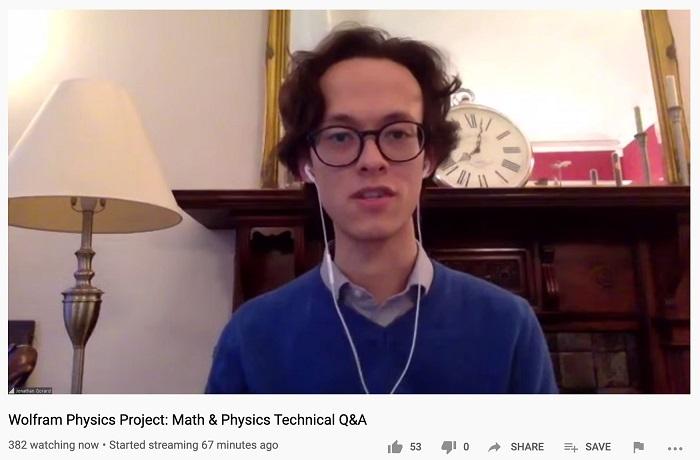
It’s important to understand that not all YouTube live streams are created equal. Google broadly classifies them into two main types: simple and customized. Simple live streams typically involve a webcam. With an internet connection and a laptop, you’re good to go. If your channel boasts over 1,000 subscribers, you can even go live using your smartphone. This option is ideal for those with limited resources who want to use YouTube Live for Q&A sessions or straightforward presentations.
Customized live streams, on the other hand, involve a more elaborate setup. They utilize an encoder—software that enables screen sharing and the use of multiple cameras and microphones. This is necessary if you intend to stream your podcast recording or deliver a visually enhanced presentation. Google provides a comprehensive list of YouTube Live verified encoders here. RELATED: Going Live on TikTok: Ideas & Examples
Delving into YouTube Live Statistics
Before proceeding, let’s examine some compelling statistics from a an insightful study conducted by Livestream and New York Magazine. A survey of 1,000 adults revealed their content consumption preferences:
- 81% favored live videos over blog posts.
- 82% preferred live video content to social media posts.
- 70% chose YouTube as their preferred platform for live content. These figures underscore the effectiveness of live streaming on YouTube. For more insights on measuring your video marketing success, explore Four Underrated YouTube Metrics to Quantify Your Video Marketing Success.
Effective Promotion of Your YouTube Live Stream
Let’s be realistic: Going live on YouTube is pointless without an audience. While simple webcam or phone streams are practically free, time spent live streaming is time diverted from lead generation and sales. Customized streams involve investment in expensive equipment.
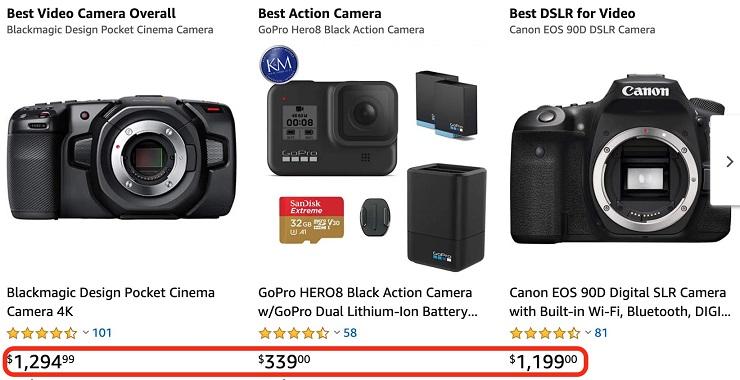
Even a single camera represents a significant investment. This emphasizes the need for a well-thought-out promotion strategy for your live stream. Let’s explore some tactics to maximize your reach.
Leveraging Social Media for Promotion
A straightforward way to promote your YouTube live stream is through your social media channels. Utilize tweets, Instagram stories, Facebook posts—the entire spectrum. Avoid simply replicating the same message across platforms. People use different social platforms for distinct reasons and anticipate diverse content formats. While your Facebook audience may prefer a professional tone, your Twitter followers might appreciate humor and a casual approach. Tailoring your promotional messaging across platforms yields better results. Beyond organic social media efforts, consider small-scale Facebook ad campaigns. Facebook offers flexibility, allowing you to spend as little as you want and advertise for any duration you deem suitable.
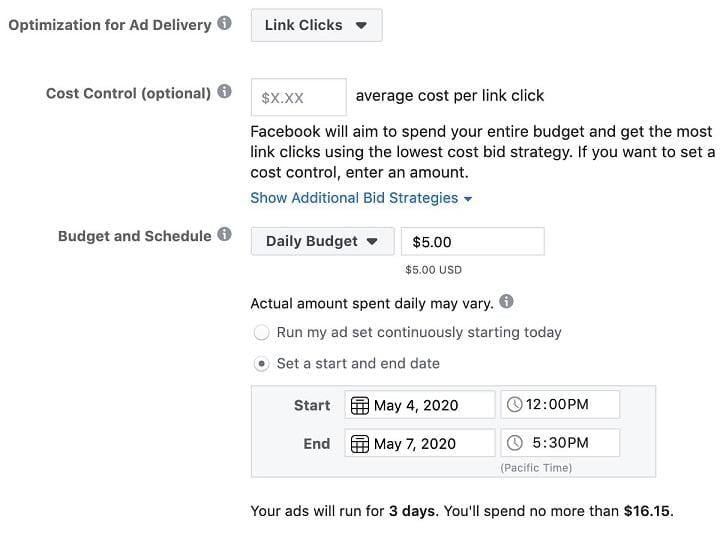
Here’s an idea: A few days before your live stream, allocate a small budget to a Facebook ad targeting users who follow your main competitor’s page. Link to your YouTube channel with a message like, “Join our live stream on YouTube this Thursday at 6 p.m.! We’ll be sharing valuable insights you won’t want to miss. Subscribe now to receive a notification when we go live!”
Engaging Your Email Contacts
While email marketing may not be the most glamorous digital marketing strategy, its effectiveness is undeniable—it really, really works. It’s a reliable tool for promoting your upcoming YouTube live stream.
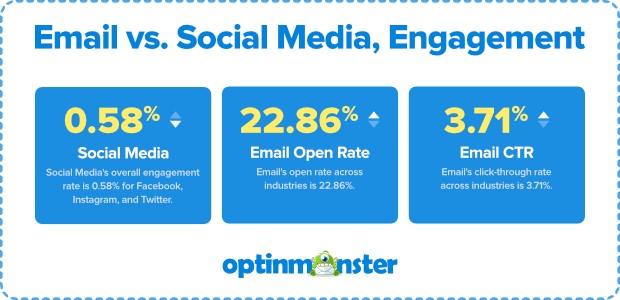
Via OptinMonster. While cold email has its merits, promoting your live stream to complete strangers isn’t recommended. (Followers of your competitor’s Facebook page aren’t complete strangers; they’ve displayed interest in your industry.) Focus on individuals who willingly shared their email address—newsletter subscribers, whitepaper downloaders, prospects who requested quotes or consultations, etc. Essentially, target those who have shown interest in your business. When crafting your email copy, highlight the value your live stream offers. What topics will you cover? Which pain points will you address? What specific takeaways can viewers expect?
Expanding Your Audience on YouTube
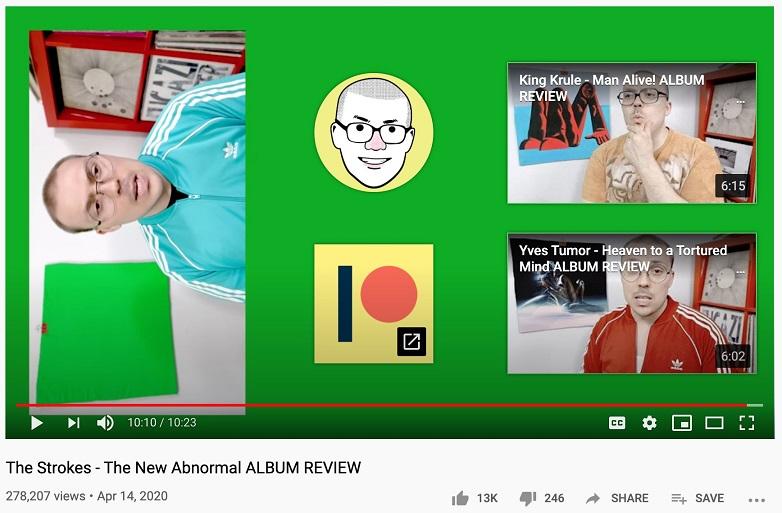
YouTube’s algorithms ensure that some users watching your content (and related content) discover your live streams through their personalized homepages. To grow your live stream audience organically, focus on expanding your overall YouTube following. The more viewers you have for your regular videos, the more YouTube will notify about your live streams. Several minor tweaks can boost viewership and subscriber count. Use compelling video titles that pique curiosity. Incorporate end cards to promote related content. Collaborate with creators whose audiences align with yours. Implement YouTube SEO best practices.
Achieving Success with YouTube Live: Six Key Tips
Now that we’ve covered the fundamentals of YouTube live streaming and promotion, let’s explore six tips to ensure your live streams resonate with your audience.
1. Prioritize Value for Your Viewers
This might seem self-evident, but it’s crucial to reiterate: Viewers will only tune in if they believe they’ll gain something from your live stream. To consistently attract a sizable audience, thorough preparation is non-negotiable. Identify your customers’ common pain points and challenges. What keeps them up at night? What are their goals, and what obstacles might hinder them? What insights can you offer to simplify their lives? These questions should guide your live stream content brainstorming. Success in YouTube live streaming, and content marketing in general, hinges on providing your audience with actionable information.
2. Encourage Real-Time Interaction
An effective way to maintain viewer engagement is by encouraging participation through the live chat. Remember, a significant part of a live stream’s appeal is the feeling of being part of something exclusive. Encouraging viewers to share their thoughts and questions enhances this feeling.
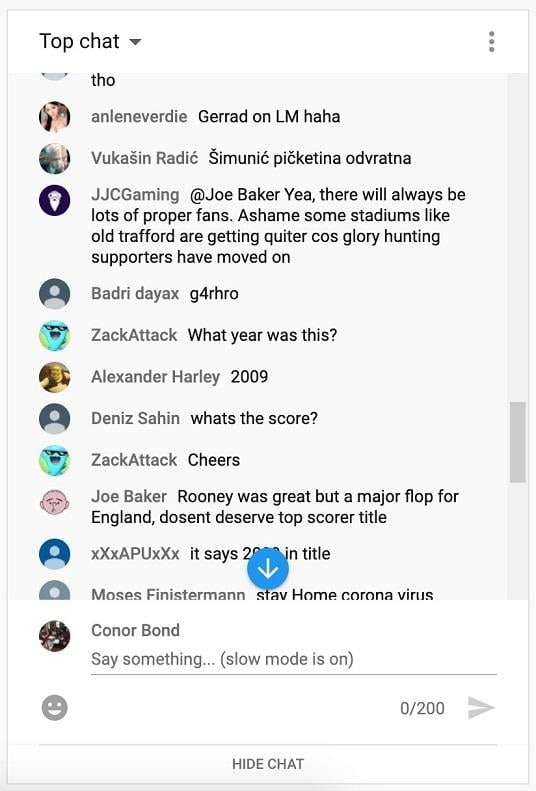
Let’s revisit the example of the supply chain management marketer. Suppose you’re hosting a live stream on the importance of sustainability. Encourage discussion by asking viewers how they incorporate sustainable practices into their production processes. This generates user-generated content while fostering interactivity.
3. Incorporate Visual Aids
While a webcam setup might suffice for Q&A sessions, full-blown presentations, such as webinars or virtual speaking engagements, demand visual aids. Without supporting materials like notes, charts, graphics, or other complementary content, viewers are likely to lose interest. Retention also suffers, making the entire exercise futile.
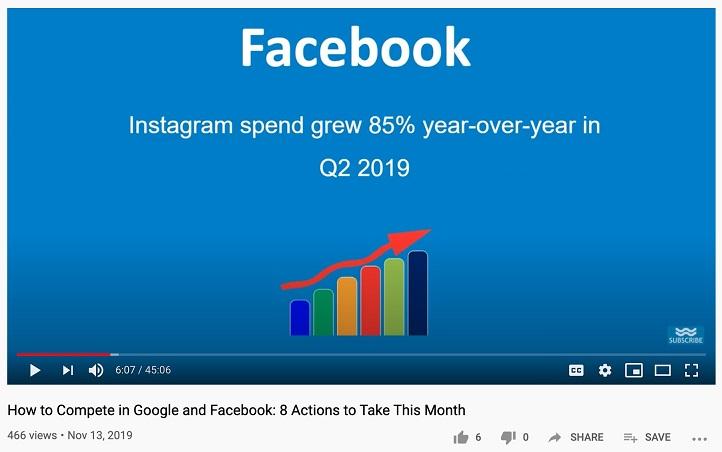
Check out the full video here. Here’s a suggestion: Create a Word document outlining everything you want to cover. (Avoid reading from a script during your live stream.) As you review your notes, identify areas where visual aids would be most impactful. While stretches of talking head content are acceptable, breaking up the monotony is crucial. Aim for a visual element, such as a graphic or image, at least every 30 seconds.
4. Injecting Fun into the Experience
Providing value doesn’t equate to a dry and boring presentation. While educating your audience is paramount, making the experience enjoyable is equally important. If viewers are bored, they won’t retain information. One way to add an element of fun is by creating a happy hour atmosphere. Discussing cloud computing doesn’t preclude enjoying a refreshing beverage. Schedule your live stream for late afternoon on a Thursday or Friday, encourage viewers to bring their own drinks, and deliver 30 minutes of insightful yet casual content. Alternatively, invite a customer to join your live stream. This alleviates the pressure of being the sole speaker and provides prospects with an authentic testimonial. While some structure is necessary, it doesn’t have to be a formal interview. A natural conversation about your customer’s experience can be incredibly valuable and memorable.
5. Actively Seek Feedback
No live stream is perfect. Regardless of your preparation and understanding of your audience, challenges are inevitable. Different marketers encounter different obstacles. Some might struggle with technical difficulties, while others might miss the mark with their messaging. Regardless of the specifics, always solicit constructive feedback from your viewers. This leads to continuous improvement and makes your audience feel valued.
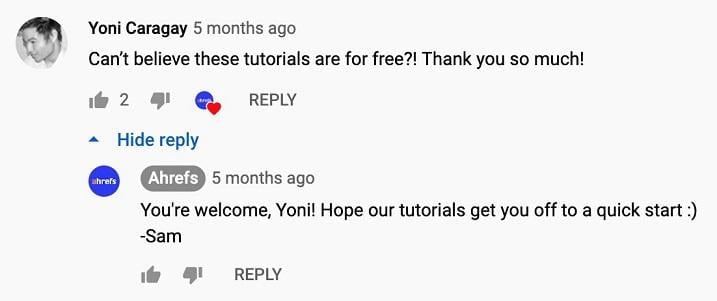
Even small gestures can have a significant impact. Start your next live stream by encouraging viewers to share feedback via social media or email. Since viewership tends to decline as a stream ends, it’s best to encourage feedback from the outset. Respond to every message you receive. Even if you disagree with a particular suggestion, acknowledging the viewer’s effort is crucial. When you do agree with feedback, consider a shout-out during your next live stream. This demonstrates that you genuinely value and appreciate audience input.
6. Embrace Continuous Experimentation
While unique, YouTube live streaming shares a common thread with all other marketing endeavors: Diligent A/B testing is essential for success. To enhance content quality and expand your audience, constant experimentation is key. Experiment with various elements, such as the day and time of your live streams, viewer interaction strategies, live stream formats, topics covered, stream duration, and promotion channels. This is just a glimpse of the many variables you can tweak to optimize your YouTube live streams. While experimentation is crucial in any marketing activity, it’s particularly vital for live streaming. Live streams, while excellent for audience engagement and brand building, aren’t directly tied to revenue. This isn’t meant to downplay their significance but rather to highlight the freedom you have to explore new approaches. Now that you understand the intricacies of going live on YouTube, it’s time to step outside your comfort zone. Embrace unconventional ideas and experiment with unique approaches. The results might surprise you. And don’t forget to measure your success! Check out:
- Four Underrated YouTube Metrics to Quantify Your Video Marketing Success
- 4 Incredibly Useful YouTube Studio Reports You Won’t Find in Google Ads