Scrolling through my Instagram feed, filled with beautiful, high-quality images, is a “mind break” I find incredibly soothing. Surprisingly, many of these professional-looking photos are taken by everyday iPhone users who have mastered the art of Instagram filters.
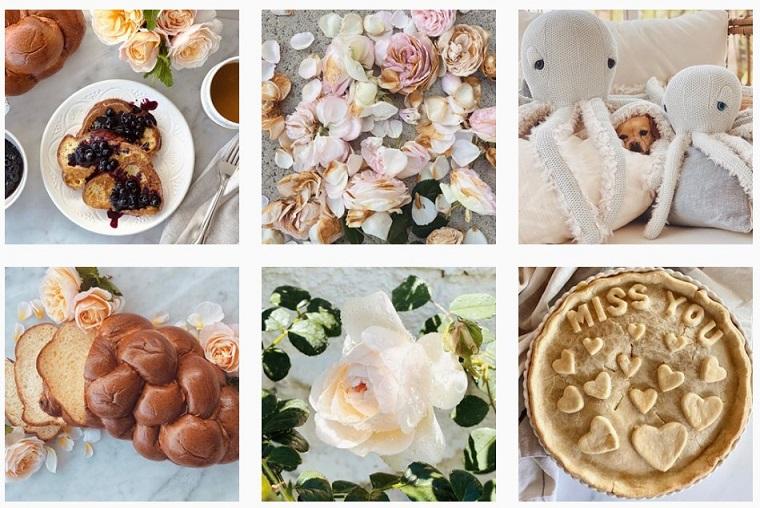
Whether you’re a newbie or a seasoned pro in the world of photo filtering, you’re in the right place! This guide will bring you up to speed on everything about Instagram filters, covering the basics and beyond. You’ll discover:
- The importance of Instagram filters.
- Essential guidelines for using them effectively.
- The most popular Instagram filter.
- How top brands use Instagram filters for maximum impact. Let’s start with the fundamentals…
What exactly are Instagram filters?
Instagram filters are built-in features that let you edit photos instantly. With a single tap, you can apply pre-set edits crafted by Instagram, transforming your images effortlessly. These filters debuted in 2011 with simple options for higher resolution, borders, and tilt-shift effects. Though they might seem basic now, they were groundbreaking for those without photo-editing skills. Today, Instagram boasts a whopping 25 filters! To illustrate, here’s a cake I baked, captured in poor lighting. The leftmost photo is unfiltered. The center photo is enhanced with Instagram’s “Gingham” filter, while the rightmost photo has a vintage black-and-white feel thanks to the “Inkwell” filter.
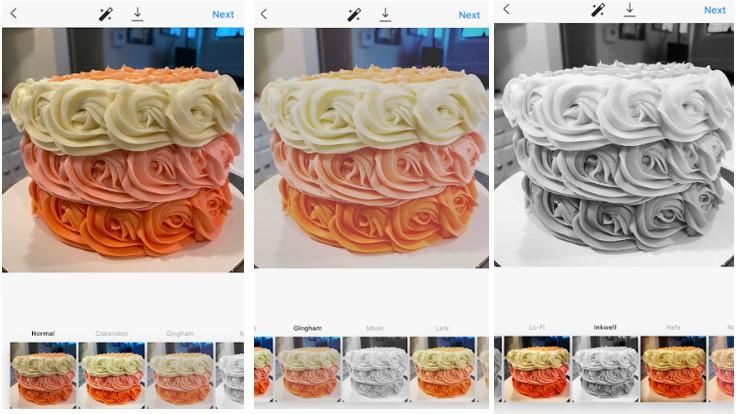
As evident, a simple filter can dramatically change a photo’s look and feel. This brings me to my next point.
3 crucial rules for using Instagram filters
While Instagram filters are fun and easy to use, it’s crucial not to go overboard, especially for businesses aiming to convert followers into customers. Keep these three guidelines in mind to align your filter game with your business objectives.
Maintain consistency
Your feed should have a consistent feel so users aren’t confused by mixed messages. Consistency has also been statistically proven to work for marketers. In fact, a staggering 60% of leading brands stick to the same filter for every post!
Avoid over-filtering
Please, please, please refrain from over-filtering! You’ll discover that Instagram offers additional editing options even after applying a filter, like saturation and tilt-shift. These features are cool and fun but can be easily overdone. Consider the middle image of my cake, now subjected to several edits.
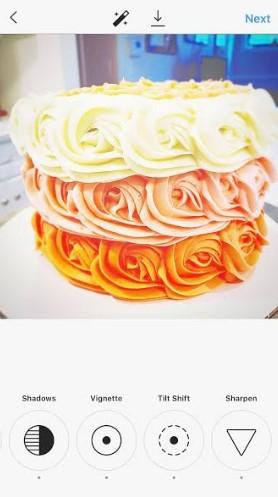
At first glance, it might not seem terrible, but closer inspection reveals harsh colors due to over-saturation and loss of detail in the white rosettes due to excessive exposure. While there are other issues, the key takeaway is to avoid getting carried away. Focus on enhancing your original image, not diminishing it.
Ensure brand alignment
Lastly, your chosen filters should reflect your brand’s identity, not just visually but also in terms of your company’s overall image. For instance, if you sell party supplies but use dark and gloomy filters, it clashes with the brand’s vibrant and celebratory vibe. Ensure consistency across all your marketing imagery so potential customers have a unified experience.
Which Instagram filters are most loved?
Perhaps you’re hesitant to choose a filter yourself. Fret not! Canva recently analyzed over a million Instagram photos globally to determine filter popularity. Here are the top three:
- Clarendon: This filter brightens, highlights, and enhances photos, making them stand out. No surprise it’s number one!
- Gingham: Used in my middle cake photo, it adds a pleasing vintage touch.
- Juno: This filter infuses warmth and saturation. While popular filters are a safe bet, every photo is unique. Select a filter that best enhances your image and aligns with your brand.
5 brands acing the filter game
Need more inspiration? Check out these brands that filter like seasoned professionals.
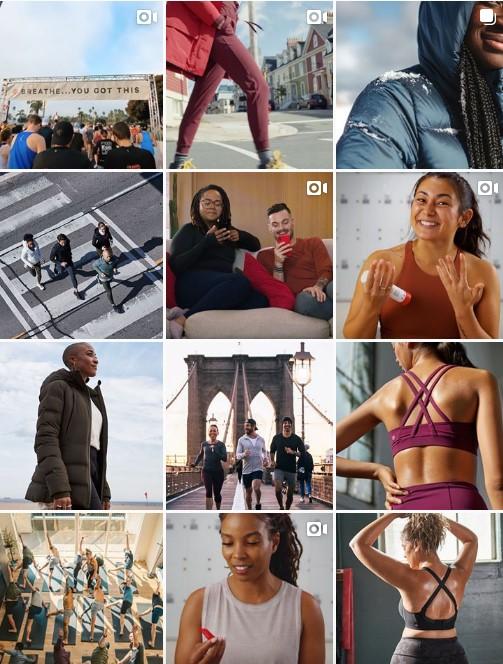
1. luluemon
This premium fitness brand is renowned for its high-quality yoga wear and its impactful marketing and branding. Their Instagram presence is no exception, showcasing their masterful use of filters. Scrolling through their feed, you’ll notice a consistently clean, crisp, and motivating aesthetic.
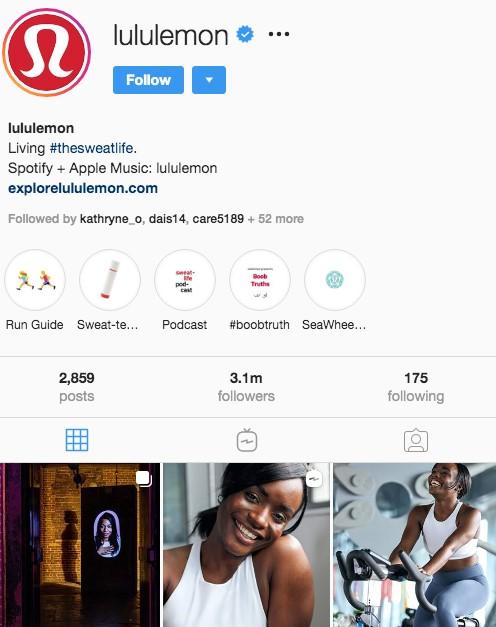
The filters used in the photos below are nearly identical, delivering sharp visuals that emphasize the vibrancy of each image. This consistent filtering approach clearly works, as demonstrated by lululemon’s success.
2. West Elm
West Elm is known for modern furniture featuring calming colors like greens, blues, natural woods, and whites. Their Instagram filters beautifully reflect this aesthetic. As seen below, the photos share a clean, bright, and natural filter, creating a cohesive and desirable look.

Don’t these images make you want to revamp your living space? West Elm is clearly achieving its goal!
3. JetBlue
JetBlue’s Instagram game is strong, with filtering playing a key role. The brand cleverly incorporates its name into its filtering strategy by enhancing blue tones in every photo, resulting in a strikingly consistent feed.

Even this photo of a JetBlue plane’s interior is awash in blue. This consistent, brand-aligned filtering is a major takeaway from JetBlue’s Instagram strategy.

4. Sephora
Sephora knows how to work those filters! Their Instagram photos exude a fierce, bright, and energetic vibe that leaves you wanting more. While Sephora is a big brand with resources to spare, that doesn’t mean you can’t achieve similar results with a smaller budget.
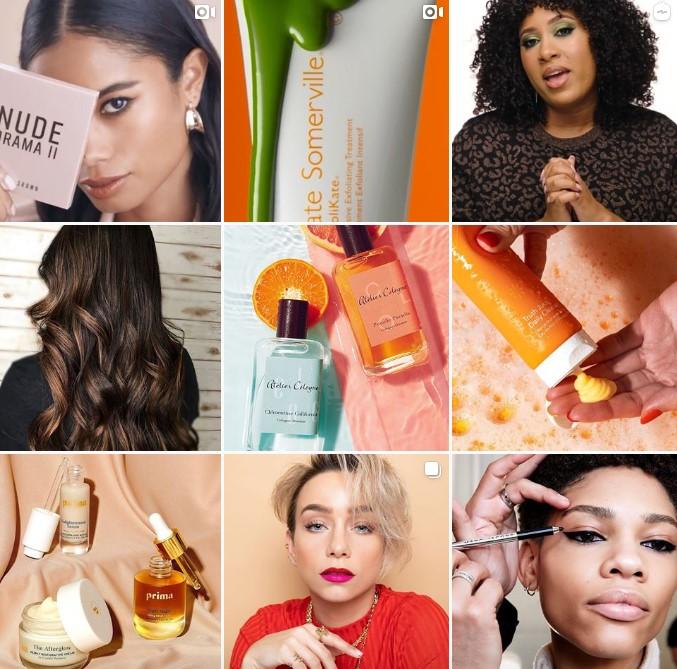
Scroll through their feed for some filtering inspiration!
5. HubSpot
Last but not least, let’s acknowledge a non-glam brand that excels at Instagram filtering. HubSpot, a marketing software company, understands its audience well. Their Instagram posts are informative and educational without feeling overwhelming. Most importantly, they use filters consistently, making their content easily digestible and aligned with their brand.
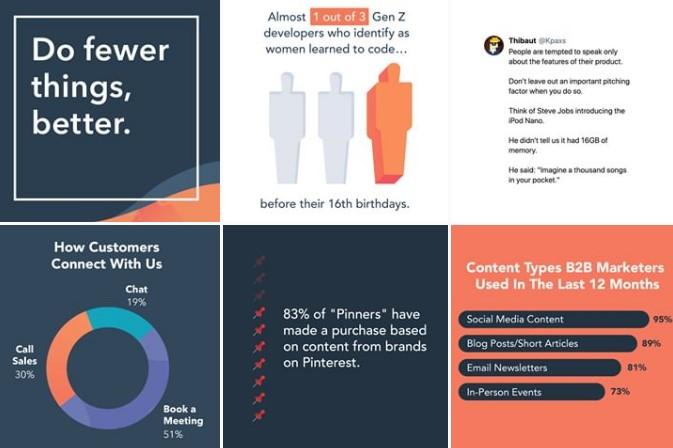
The key takeaway is that Instagram filtering shouldn’t be an afterthought. It’s crucial to put thought into your filter choices to ensure your posts are visually appealing, on-brand, and captivating for your target audience.
PS: If you’re interested in exploring further, check out our post on How to Create Your Own Snapchat Filters.