It’s a common belief that fresh content improves SEO, but the specifics of what that means and its importance for ranking are often unclear. This post will delve into:
- The definition, measurement, and significance of content freshness for ranking.
- Identifying when content needs refreshing and strategies to enhance your freshness score.
What constitutes fresh content?
Fresh content encompasses recently published, updated, or rewritten material. Both Google and its users value fresh content for its likelihood of accuracy. Since its freshness algorithm update in 2011, Google prioritizes newer pages with the most current information for queries related to trending or time-sensitive keywords. This update affected at least one search result for 35% of searches.
Any URL published online has four associated dates:
- Published: The date the page was uploaded to the website.
- Indexed: The date Google’s crawlers first detected and added the page to Google Search.
- Last crawl: The date those bots last crawled the page.
- Modified: The date of the last change made to the page.
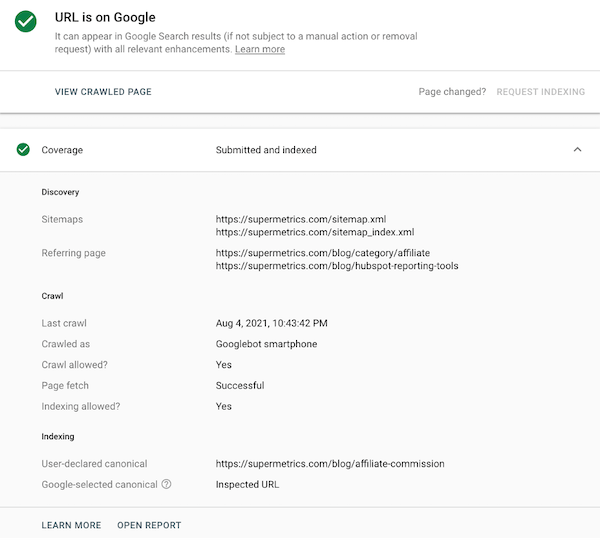
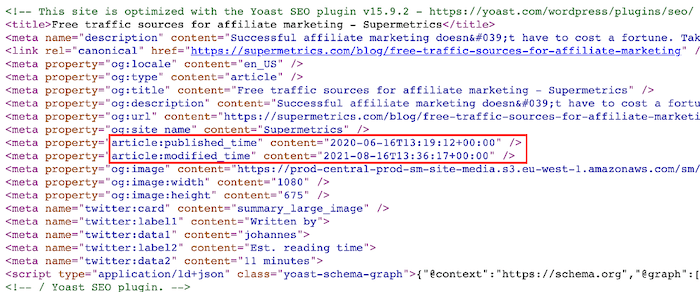
If a page is updated and republished after the initial crawl, the published date reflects the most recent edit by the website. If updated without republishing, it’s displayed as the modified time.
How does Google gauge content freshness?
According to Moz, Google uses various factors to determine your content’s freshness, such as:
- Page inception date: The date Google indexed the page.
- Extent of changes to the updated page: Significant modifications indicate greater freshness.
- Number of core content changes: Main body content updates contribute more to freshness than modifying date/time tags.
- Frequency of page changes: Regular updates signal higher freshness.
- New page creation rate: Websites frequently adding new pages may receive higher freshness scores.
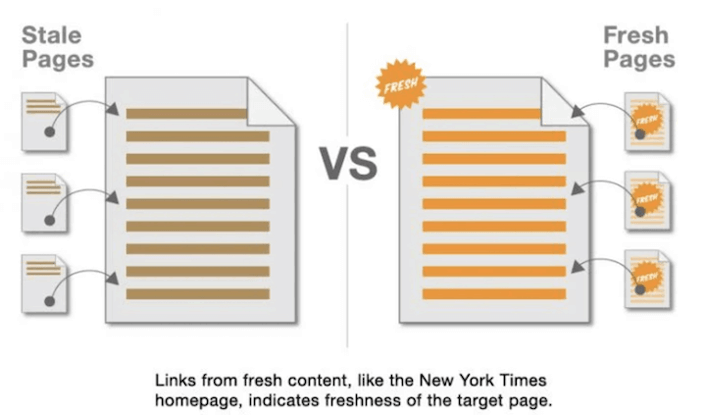
- Freshness of backlinks to the page: Links from websites with high freshness scores can benefit yours.
Is content freshness a Google ranking factor?
The freshness factor isn’t isolated but one of many trust signals search algorithms use for ranking and that users consider before clicking a result. Freshness’s relevance varies depending on the query; therefore, the need for fresh content should be assessed based on your primary keyword.
Fresh vs. “Unfresh” queries
Query categories where Google seeks fresh content include:
- Recent events (e.g., a playoff game)
- Trending topics (e.g., Google’s page title update – current at the time of writing).
- Recurring events and reports (e.g., presidential elections, annual conferences).
- Constantly evolving information (e.g., product reviews).
Query categories where recency has minimal impact on information accuracy include:
- Food recipes
- Historical facts
- Broad topics
- Evergreen topics
Here are some examples.
Fresh queries
Someone researching ecommerce trends likely seeks current industry trends, not outdated ones.
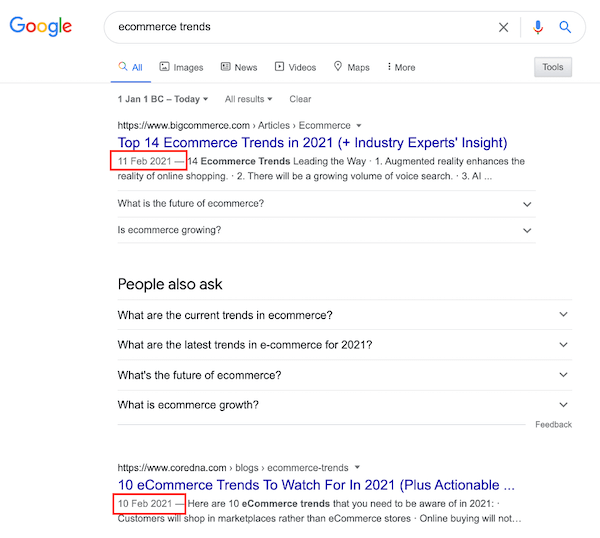
Without updates, a page targeting a recency-sensitive query gradually loses relevance, while frequently updated content is more likely to be reassessed for its position.
“Unfresh” queries
For a keyword like “search marketing,” freshness isn’t necessarily paramount. Users likely want fundamental information about search marketing, which hasn’t drastically changed recently.
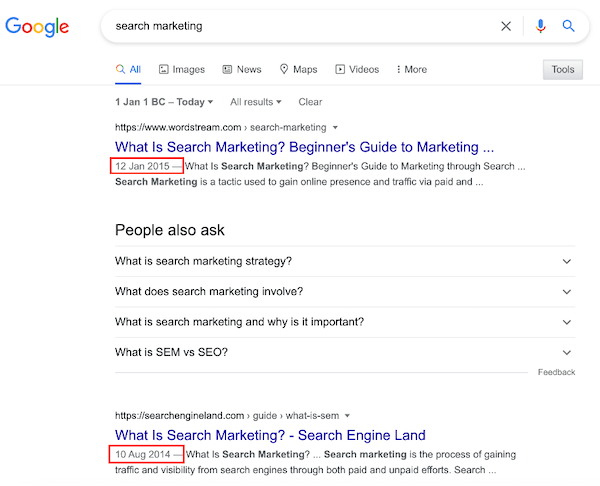
An older but accurate page consistently gaining new backlinks can compete with a newer page lacking backlinks or losing existing ones.
Best practices for boosting your freshness score
Since content freshness impacts rankings for time-sensitive queries, let’s explore tips and best practices for incorporating it into your SEO strategy.
1. Analyze the SERP
To determine the desired freshness level for a query, examine the publication dates of the top results. Analyze the first 10 or 20 results and calculate their average age, giving more weight to higher-ranking results.
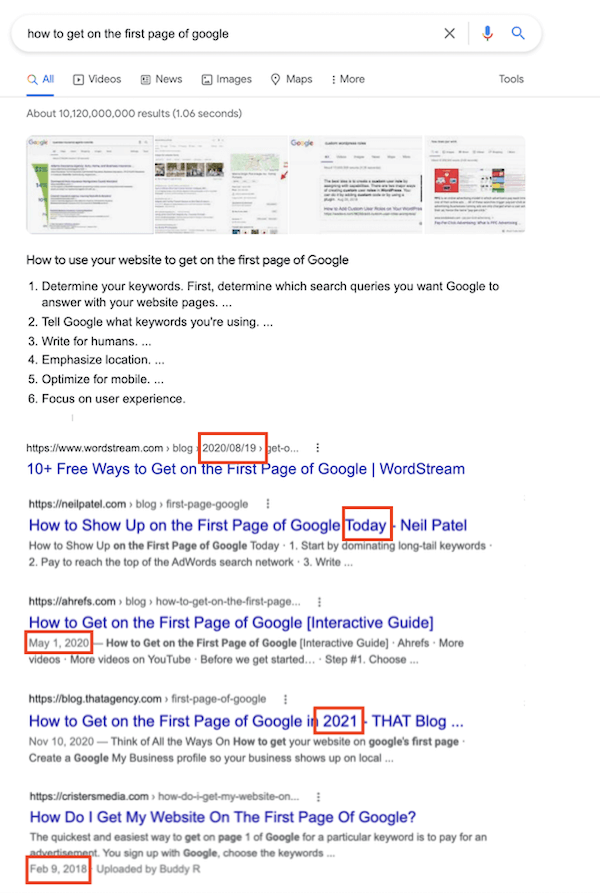
The SERP indicates that recency is important but not crucial for “how to get on the first page of google.”
2. Regularly publish new (evergreen) content
While constantly publishing on new topics isn’t necessary, your new page creation rate affects your freshness score. Regularly publish new evergreen or time-sensitive content. Frequent publishing alerts Google to crawl your site more often.
3. Regularly update existing content
This Google research publication highlights that search engines can’t recrawl every page constantly due to the vast amount of new content published daily.
Therefore, Google prioritizes pages for crawling based on their content update frequency.
Regularly updating old content improves your freshness score, potentially aiding your time-sensitive content’s ranking.
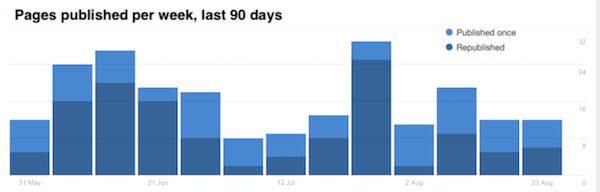
As expected, this ahrefs report for a social media marketing brand shows frequent content updates.
4. Prioritize already-ranking content
Updating content that never ranked won’t magically propel it to the top. Here are some resources to help your content rank:
- 10 Free Ways to Get on the First Page of Google
- How to Rank for a Keyword in 10 Steps
- The Complete Guide to SEO Basics
5. Make substantial content updates…
While changing the published date and year in the title is common, it minimally signals freshness to Google. As discussed, main body content changes matter more than adjusting date/time tags. Therefore, update the page’s core content.
Creating artificial freshness might temporarily increase CTR but likely leads to shorter dwell times if users find the content outdated.
Weaker engagement metrics negatively impact your ranking.
6. …and then adjust the publish date
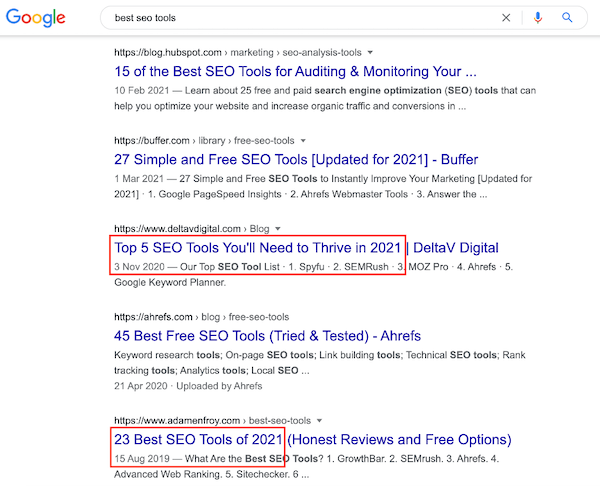
In his SEO Blueprint training course, Glen Allsopp emphasizes aligning the published time Google associates with your URL with the year in your page title.
Mismatched published times and title years are surprisingly common.
7. Submit to Google via Search Console
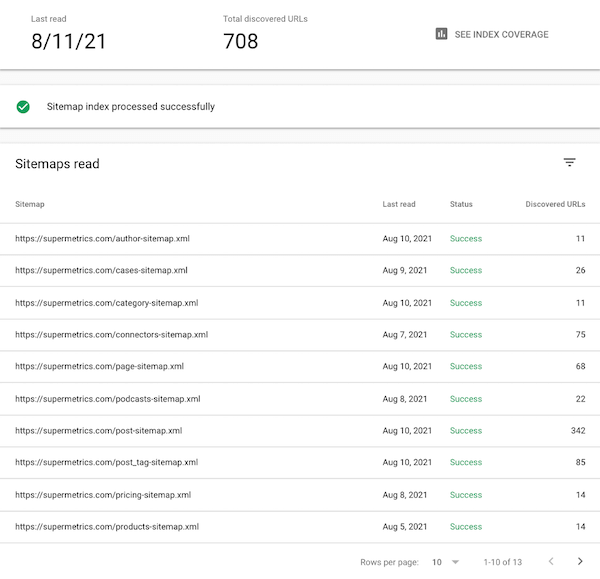
After updating core content, resubmit your sitemap on Google Search Console to expedite recrawling. This step isn’t essential for minor changes, as Google will eventually detect them.
When to update, republish, or publish new content
Whether updating content for more frequent Googlebot crawls and rank it higher is worthwhile depends on freshness’s importance for your query.
Here’s what Ahrefs recommends:
- High freshness importance: Frequently update the page or regularly publish new articles on the topic.
- Moderate freshness importance: Update regularly; if ranking declines, consider revising and republishing.
- Low freshness importance: Focus on creating the best possible guide on the topic.
Let’s analyze your options when freshness is crucial or important.
When to update content
While Google prioritizes major updates, minor ones remain crucial because a page’s freshness diminishes over time, regardless of its evergreen nature. Examples of minor updates include:
- Adding new internal links
- Updating platform screenshots
- Adjusting headings
- Adding new list items
This approach effectively drives traffic to evergreen posts without major revisions.
When to revise and republish content
Revising outdated content and updating the published date effectively boosts freshness. This is relevant when an article needs a complete overhaul to provide users with current information and should yield a higher freshness score than a simple update.
This method suits evergreen topics resonating long-term with your audience and pages where preserving backlinks and other SEO elements is desired.

Sprout Social provides an excellent example of revising and republishing.
When republishing revised articles, share them on social media like any new article to enhance engagement.
Pro tip: Combine several outdated, topically related articles into one updated guide, redirecting traffic from the old pages. This preserves traffic from well-performing old pages.
When to publish new content
Topics requiring regular new content include articles listing and explaining trends.
For instance, at Supermetrics, we cover affiliate marketing trends annually. Searching for “affiliate marketing trends” yields no results older than 2020 on the first two pages.

To maintain freshness, we annually publish a new article featuring new experts and covering recent developments.
We also target the query “affiliate marketing [current year].”
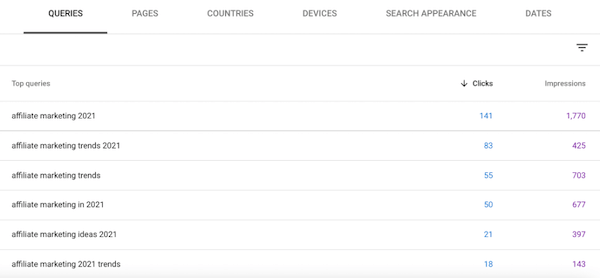
An added benefit is that older posts provide valuable historical data for analyzing trends over time.
Determining when to refresh your content
Monitoring page performance, including traffic trends and engagement, is crucial for understanding freshness.
Track performance metrics
For example, a page ranking lower but attracting significant clicks resulting in high average visit durations and low bounce rates signals to Google that users find the content relevant and fresh enough.
Explore more SEO metrics here.
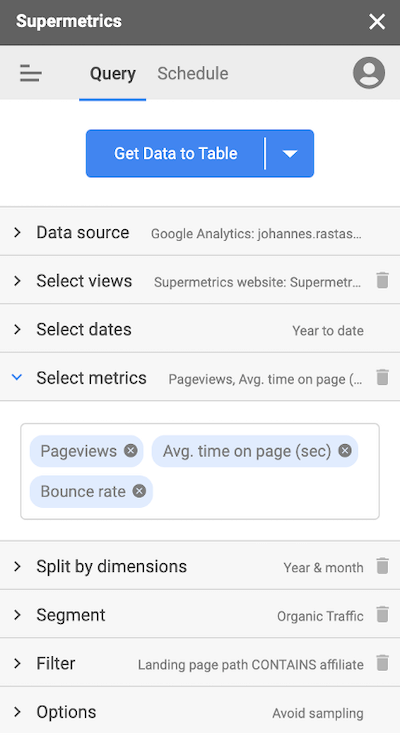
Tracking these metrics over time provides insights into page performance and identifies update or revision needs. Use Google Analytics or a reporting tool like Supermetrics (as shown below).
Check keyword and query data
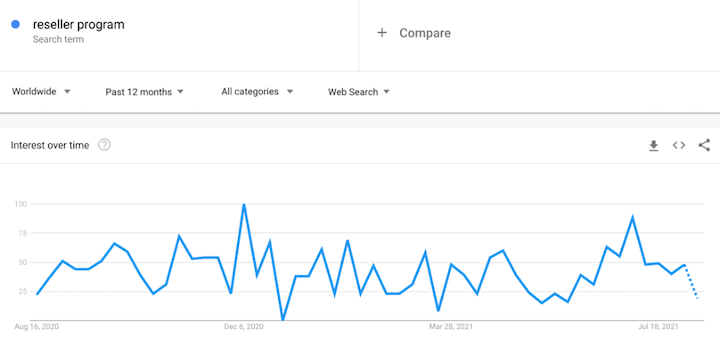
Keyword traffic volumes fluctuate, and not just for trending topics. Declining page traffic might be due to recent drops in keyword volume for that query.
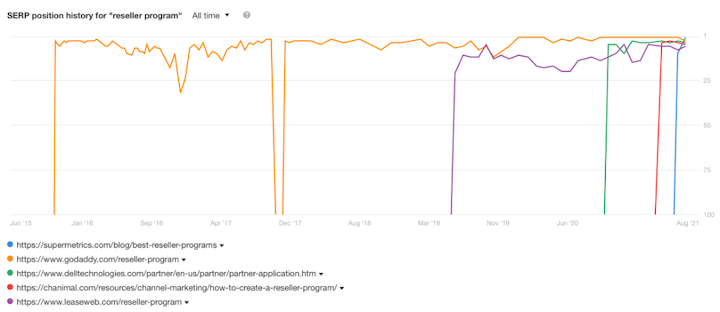
Look at position history
Perhaps new competition for your target keyword exists, and a competitor’s fresh content has overtaken your ranking. Analyzing the SERP position history can reveal such instances.
Monitor clicks and impressions
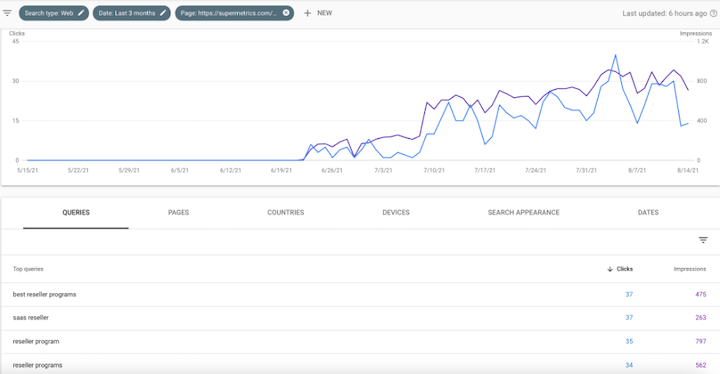
Closely monitoring clicks, impressions, and their generating search queries helps determine when to update your page for improved freshness.
Recap
Keeping content fresh aims to serve users better with up-to-date information. This should organically lead to more clicks, engagement, and backlinks, signaling to Google that your page deserves a top ranking.
Here’s a recap of the key points:
- Freshness is a Google ranking factor, but only for pages targeting time-sensitive and trending queries.
- Frequent updates won’t help outrank older, authoritative results if recency doesn’t benefit the targeted query.
- To determine freshness importance for a keyword, analyze the top 10-20 results for that query.
- If freshness matters, monitor page performance and update content when ranking declines.
- Based on performance metrics, choose to update regularly, revise and republish, or create entirely new content.