Everyone makes mistakes occasionally – it’s human nature. When it comes to ad copywriting, search engines provide us with open-ended text fields and minimal guidance on what to write. Besides technical limitations like punctuation and symbols, we have significant freedom in crafting ad copy. It’s easy to understand why some attempts fall flat.
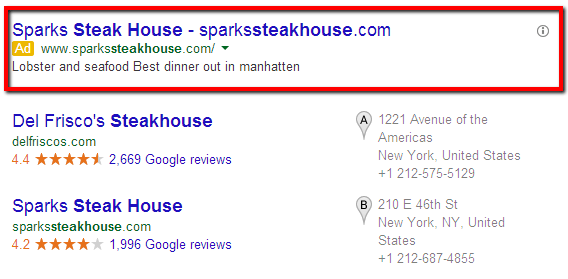
I’m a firm believer in testing almost everything in ad copy. With search engine results pages (SERPs) becoming increasingly crowded and competitive, finding new ways to test and improve results is crucial, and that means eliminating ineffective copy. Underperforming ad variations often share common mistakes. Let’s explore the top five mistakes to avoid in your ad copy.
1. Keyword stuffing
We’re not in the year 2000, and this isn’t SEO. If your ad copy resembles it, you’re in trouble. While it’s best practice to include keywords, moderation is key. It’s challenging to summarize everything in a limited character count, and every business wishes for more ad copy space. However, we all have the same limited space.

Resist the urge to cram keywords and phrases into an ad. It won’t work. Searchers, and you, should demand more. Would you click on an ad filled with repetitive phrases and buzzwords? I wouldn’t. Use natural phrases and sentences. You might not fit everything into one variant, but that’s why multiple ads per ad group exist. Test them against each other to determine the most effective approach.
 Ready to hit the jackpot of ad copywriting tips? Download the free guide:
>> 10 Tricks to Get the Click: How to Write Exceptional PPC Ad Copy
2. Not utilizing ad extensions
As mentioned, we have limited space within standard character limits. That’s why platforms offer additional options to expand our reach. Sitelinks, callout extensions, and structured snippets are essential for all accounts. We’ll explore their effective use below, but in short, they provide extra text control without complex integrations.
Sitelinks
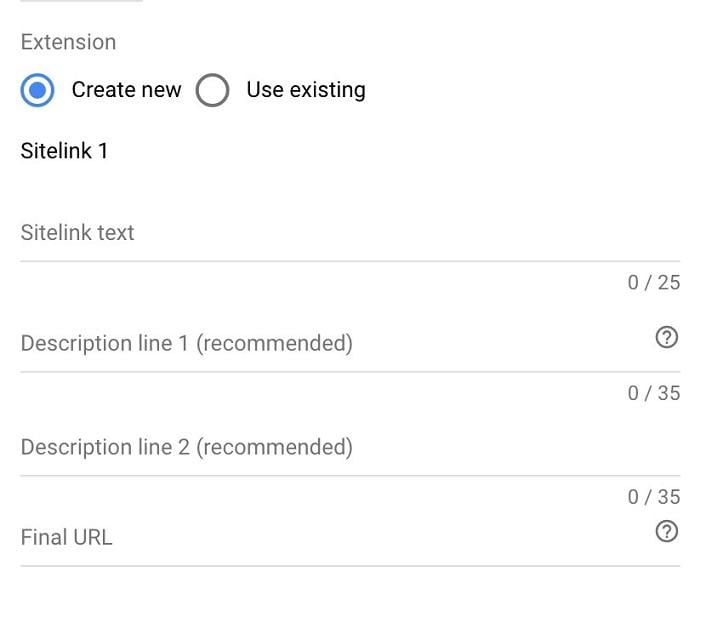
Writing sitelink text is similar to regular ad copywriting but should avoid repetition.
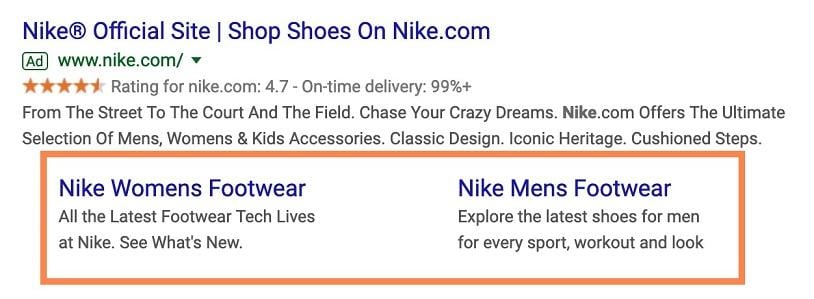
Remember, they appear alongside your ad copy, so ensure your sitelink messaging adds value to your existing copy.
Callout Extensions
Callout extensions can satisfy the keyword-stuffing urge in all of us.
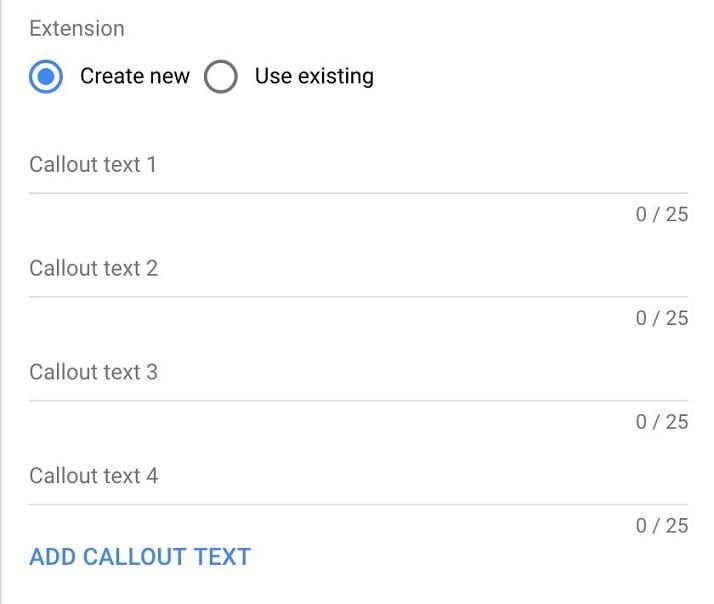
The format allows for concise text bursts to refine our ad copy’s focus.
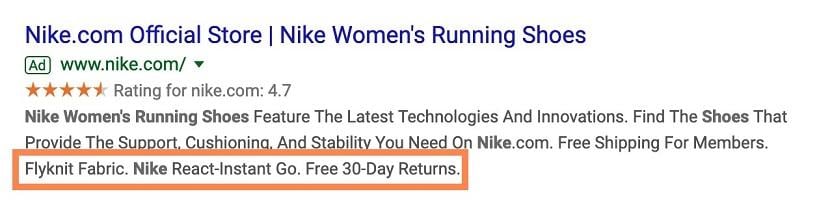
I experiment with various callout approaches, including product model names, features, benefits, and more.
Structured Snippets
Structured snippets resemble callout extensions but include a predefined list “type.”
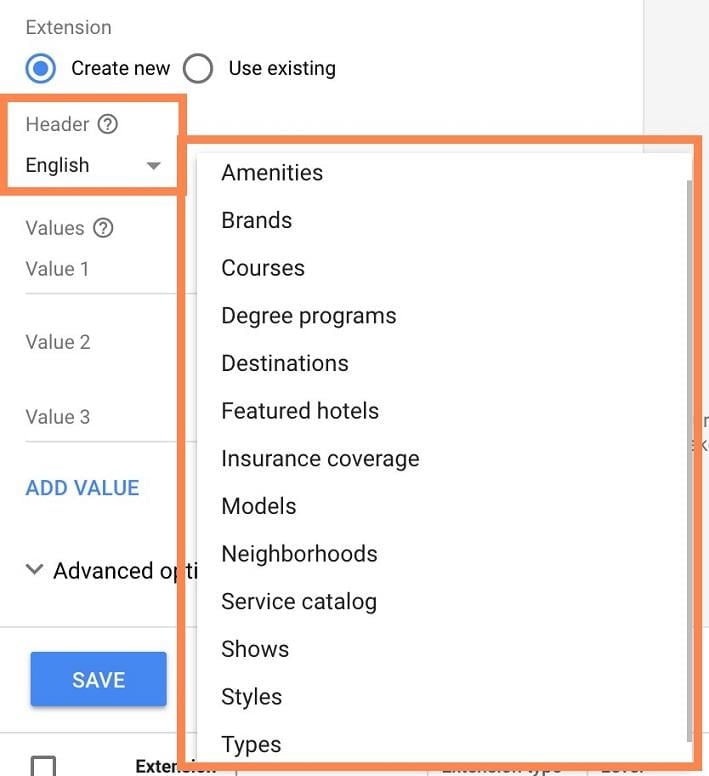
This helps communicate your message without sacrificing character count.
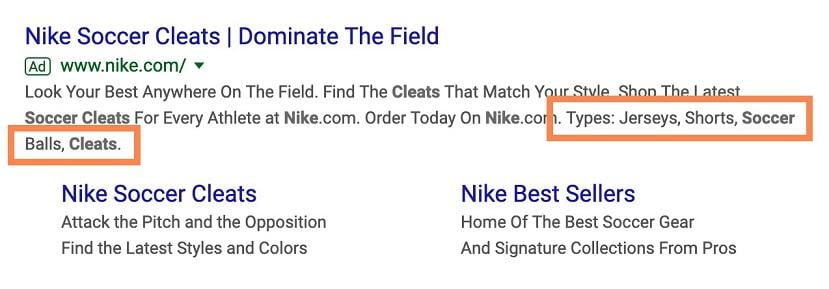
The image above demonstrates structured snippet usage and the importance of aligning ad extensions with the appropriate account level. Nike, for instance, should dedicate a campaign to cleats with a specific structured snippet. This example is slightly absurd, but it illustrates how they appear in practice. Remember: Testing is crucial. While extensions increase ad space, they don’t guarantee improved performance. Regularly review their effectiveness and prevent any single extension from bring down the performance of your campaign.
3. Omitting a call to action
Why advertise without prompting customer action? Surprisingly, ads lacking calls to action are common. A fantastic solution might be presented, but without a next step or guidance for potential customers, it falls short. A simple two-word phrase might seem insignificant, and while it might not directly translate to clicks, a call to action significantly impacts landing page performance and conversion rates. Including a call to action in your ad copy guides users on the next step. Remember, their search stems from a need. Each query carries a different intent. Delivering high-quality, engaging ad copy that addresses their problem AND includes an intent-matching CTA is a winning formula. Calls to action don’t need complexity. Here are sixteen simple yet effective examples adaptable for almost any business.

4. Neglecting new testing opportunities
Times have changed since 2000. Text ads are more diverse than ever, and they’re constantly evolving. We witnessed Expanded Text Ads a few years ago, now further expanded with a potential third headline and a second description.
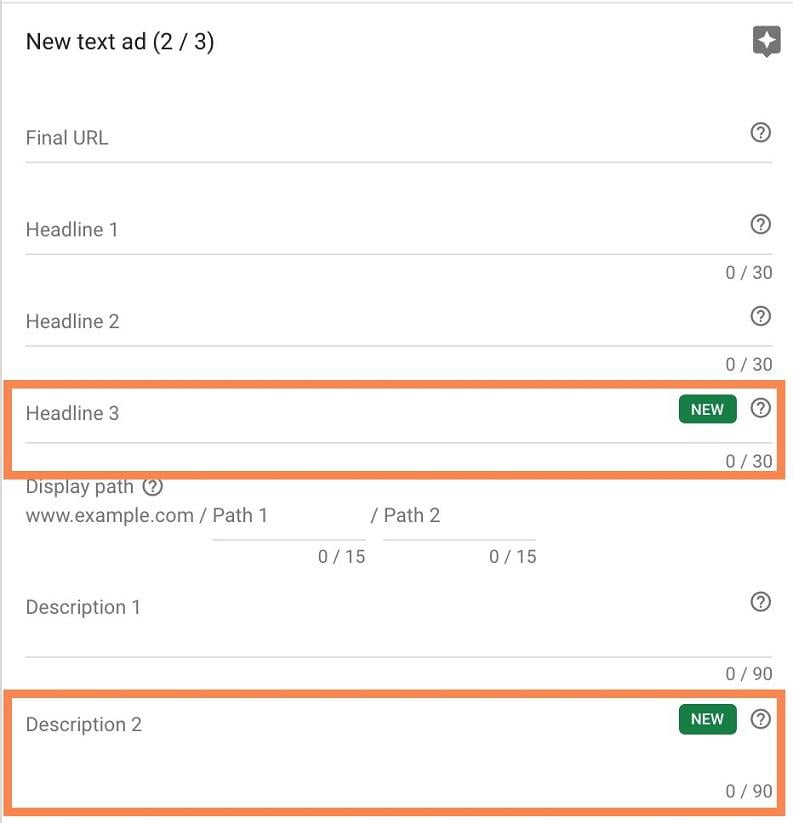
Continuously test these new variants as they emerge on advertising networks. While they might not always yield immediate (or eventual) success, history shows that new formats can quickly become the ONLY format. Remember Standard Text Ads?
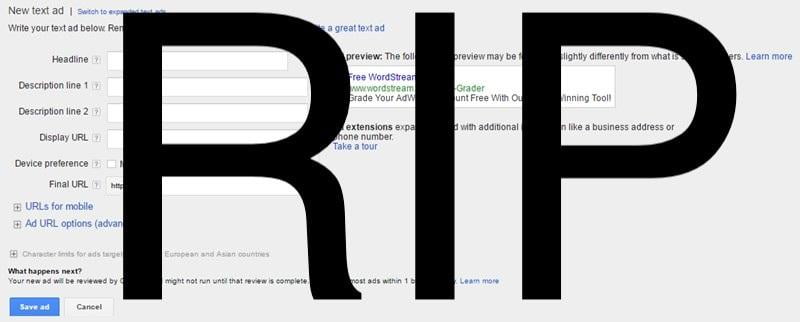
Failing to test and identify what works during this period, while other ad formats can compensate for lower performance, will leave you stranded when new formats become the only option.
5. Overlooking customer goals
If ads solely benefited advertisers, they’d all read: “Help Me Make Money!” Focus on your customers’ wants and needs, and how you can fulfill them. Pay attention to search queries and deliver on what they seek. Strive for specificity without making assumptions – you might be wrong.
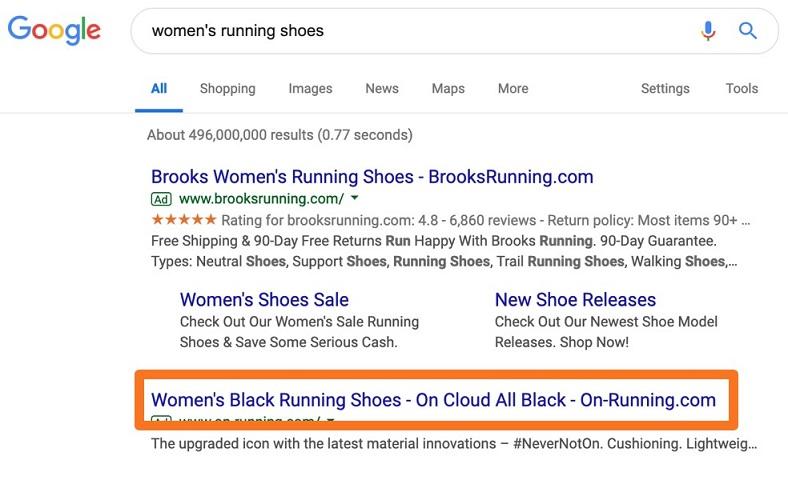
In this example, most ads on this SERP are well-tailored. However, one ad makes a faulty assumption: I don’t want black running shoes. They’re immediately disqualified, not because they lack my desired product, but because other options cater to my needs directly on the SERP without requiring further searching.
Start testing your ad copy!
Ad copywriting is a delicate balance between art and science in PPC campaign management. The goal is to craft creative, compelling copy while ensuring its effectiveness through testing. Start drafting, testing, and avoid these mistakes. Happy ad writing! P.S. For more Google ad copy tips, check out these 24 creative, competitive, and click-worthy ad copy examples worth emulating.