For many years, ad blockers have been a presence on the internet, but recently, online advertisers worldwide have expressed growing concerns about these programs. Certain news outlets have even gone so far as to suggest that ad blockers could bring about the demise of the internet as we currently know it. What’s the real story with ad blockers, and should you, as an online advertiser, be worried?

Understanding Ad Blockers
Ad blockers, also sometimes referred to as content blockers, are straightforward software programs designed to prevent ads from appearing on websites. These programs are typically added to web browsers like Chrome, Firefox, Opera, Safari, and Internet Explorer. Among the most widely used ad blockers is AdBlock Plus. This particular browser plugin boasts millions of downloads and installations and is compatible with various browsers. While AdBlock Plus enjoys widespread popularity, numerous alternative ad blockers are also available.
Ad Blockers in the Spotlight
Apple recently made waves by revealing that iOS 9, the latest version of its mobile operating system for iPhones and iPads, would now support ad blocking technology.

A British software developer named Dean Murphy created an ad-blocking app for iOS called Crystal. Available on Apple’s App Store for 99 cents, the app operated similarly to AdBlock Plus and other ad blockers. Murphy clarified that his intention behind creating Crystal was not to generate substantial profits but rather to enhance his iOS programming skills. The week following Crystal’s launch on September 16th, Murphy earned $75,000 from sales of his app. Meanwhile, Marco Arment, the mind behind Instapaper and co-founder of Tumblr, also developed an iOS ad blocker named Peace. This immensely successful app, downloaded tens of thousands of times, was taken down by Arment just 36 hours after its release. Arment cited a “crisis of conscience” about Peace’s possible impact on websites that rely on advertising revenue for survival.
The Controversy Surrounding Ad Blocking
The majority of websites on the internet rely heavily on online advertising. From small personal blogs to large corporate-owned magazines, millions of websites depend on online advertising revenue to stay afloat. While ad blockers have existed for some time, the open support from Apple, one of the world’s largest and most financially successful tech companies, marks a significant turning point.
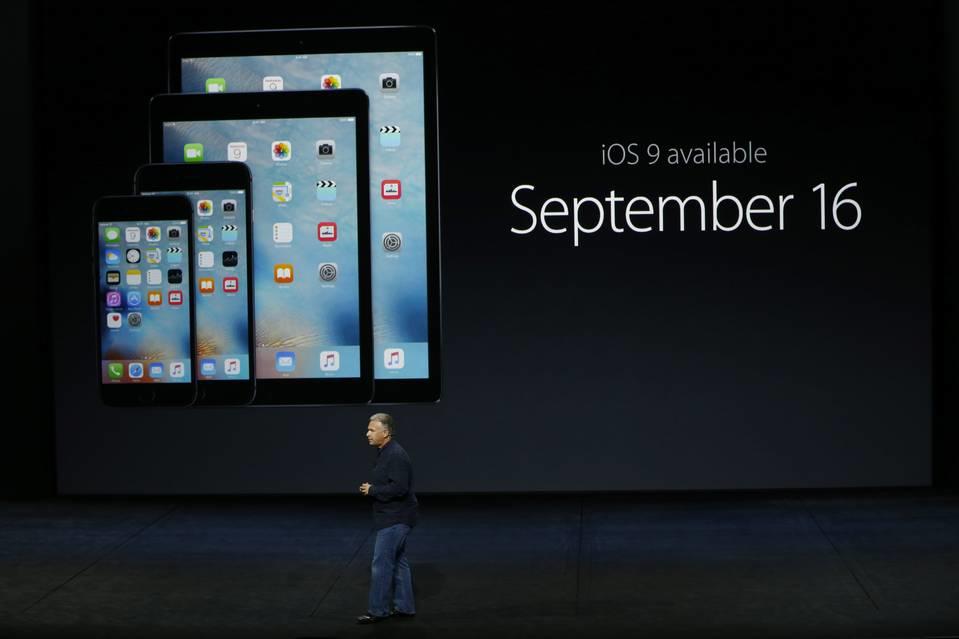
Image via WSJ.com A major source of concern surrounding Apple’s decision is the possibility that providing users with the option to block ads could lead to a much wider adoption of ad blockers. Although Android remains the biggest player in the mobile device market, with ad blockers now readily available on iOS, a larger user base could adopt them, potentially impacting internet advertising revenue significantly. Data from Adobe and PageFair indicate a steady rise in the adoption of desktop ad blockers in recent years, increasing from roughly 21 million users in 2010 to over 181 million users in January of this year:
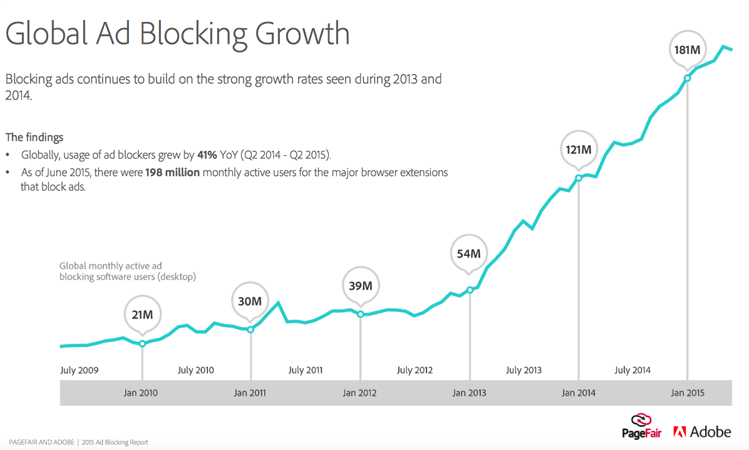
Image via Adobe/PageFair Experts speculate that the adoption rate of mobile ad blockers, such as those now permitted on Apple’s iOS 9 platform, could surpass these figures considerably as these software programs gain traction. Opinions are divided regarding the potential impact of ad blockers on advertisers. The aforementioned report by Adobe and PageFair suggests that the increasing use of ad-blocking technology could cost advertisers over $40 billion by next year:
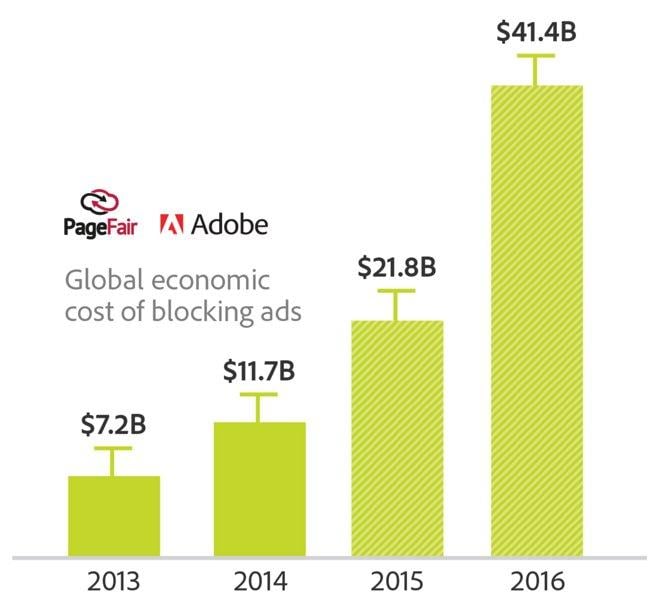
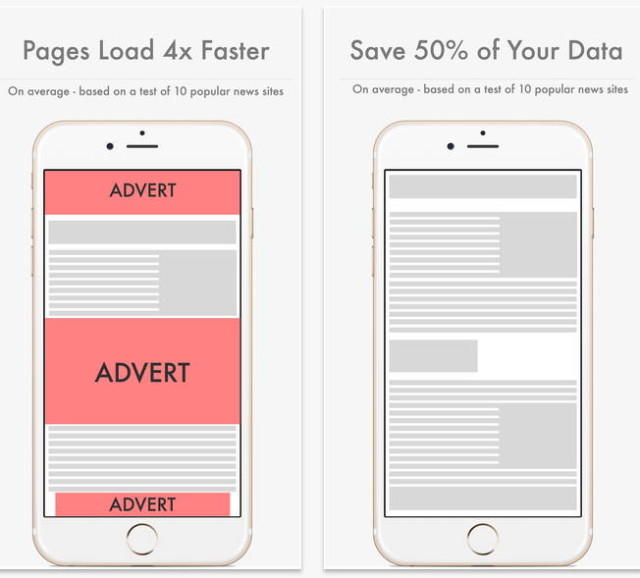
Image via Adobe/PageFair However, other estimates are significantly more conservative, predicting potential economic damage closer to $1 billion. At this point, the true extent of the impact remains uncertain. While the most evident reason behind ad blocker usage is to eliminate ads from the browsing experience, several other benefits are associated with their use. Removing ads from web pages often leads to significantly faster page load times and reduced data usage, which is particularly beneficial for users with limited data plans.
Additionally, some individuals turn to ad blockers because certain advertisements utilize scripts – small, self-contained pieces of code that execute specific actions on a web page – which can be exploited to access a user’s sensitive data. Considering that numerous advertising platforms utilize tracking and behavioral monitoring technology that creates user profiles based on browsing history, content blockers offer an appealing solution for individuals who prefer not to have their online browsing habits sold to advertisers and content delivery networks. This explains the popularity of add-ons like Ghostery, which operates similarly to many ad blockers and caters to privacy-conscious users.
The Drawbacks of Ad Blockers
Let’s address the potential downsides. The increasing use of ad blockers will have consequences for advertisers – the key questions are how and to what extent. Some advertisers may experience a noticeable decline in the performance of their mobile PPC (Pay-Per-Click) campaigns, while others might not observe any significant changes. This situation can be compared to Google’s “Mobilegeddon” algorithm update earlier this year – some websites were significantly impacted, while others remained unaffected.

A mobile SERP (Search Engine Results Page) before and after installing an iOS 9 ad blocker, via @soundboy Ad blockers affect the way PPC and display ads are shown across platforms like Google AdWords, Bing Ads, and other advertising networks. This means that advertisers running any active campaigns could potentially feel the impact of the rising use of these programs. If you are currently running a PPC or display campaign targeting mobile users with Apple devices, and these users have ad blockers enabled, they will not be exposed to your ads. Regardless of the extensions you utilize, the variety of ad formats you leverage, or the quality of your ads, users with ad blockers who search for keywords you are bidding on will not see your ads at all.

Example of a mobile site with ad blocking disabled (left) and enabled (right)
The Positive Side of Ad Blockers
The situation is not entirely bleak – there are some positive takeaways.
Impact of Mobile Ad Blockers on Desktop Search Campaigns
While the increasing use of ad blockers will undoubtedly impact certain advertisers, it’s crucial to remember that this development stemmed from Apple’s decision to allow ad blocker downloads and installations on mobile devices. This change does not affect desktop campaigns in any way. If users are not utilizing ad blockers on their desktops, your ads will continue to be displayed as usual. Furthermore, it’s essential to acknowledge that a majority of users do not utilize ad blockers at all. Just because Apple has made them accessible on the App Store doesn’t automatically translate to a complete shift in user behavior. Another factor to consider is the targeting options you employ in your campaigns. While this is something you should already be doing, by refining your targeting options, you can be confident that your ad budget is being utilized effectively, reaching your ideal target audience.
Mobile Ad Blockers and Apps
Another positive aspect is that ad blockers do not interfere with app functionality. Considering that most mobile device users spend the majority of their time within apps, ad blockers only affect browser-based searches and only if the user has an ad blocker installed.
The Growing Importance of Remarketing
The potential rise in ad blocker adoption highlights the significance of remarketing, not just standard display campaigns. Remarketing is about prioritizing bottom-line metrics such as conversions.
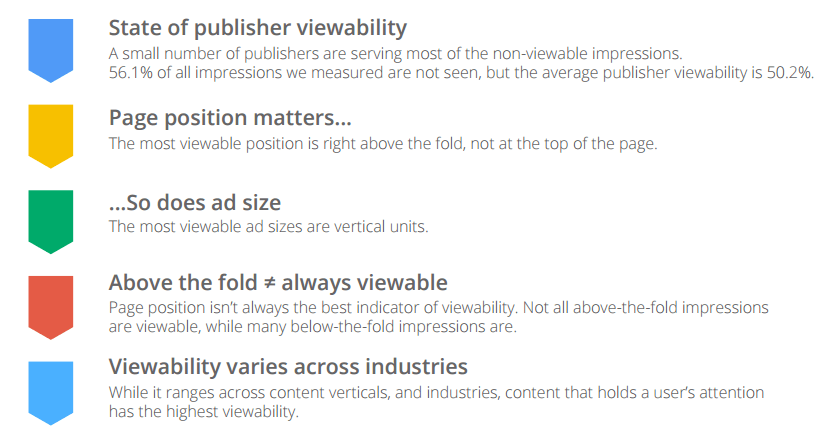
Image via Google Accurately quantifying impression data for display campaigns has always been a challenge, but by focusing on remarketing, you can ensure that your campaigns are not only potentially reaching the right audience but also those most likely to convert further down the sales funnel. Focus on clicks and conversions, not just impressions – remember, more than half of display ad impressions aren’t even seen.
New Opportunities in Native Advertising
One potential outcome of the renewed interest in ad blockers could be an increase in the popularity and use of native advertising. Native ads are designed to seamlessly blend in with “organic” content, making them indistinguishable from genuine articles or posts, thus circumventing ad-blocking technology. Native advertising has experienced a surge in popularity in recent years, and this trend could accelerate if ad blocker adoption continues to rise. While native advertising may not be suitable for every advertiser (or even feasible, despite having the resources), it represents a potential direction for the future of online advertising.
Minimal Impact on Small Businesses
Given that most small businesses are not currently seeing substantial conversion rates from mobile ads, they are less likely to be significantly affected by the increasing adoption of ad blockers on mobile devices.
In a Nutshell: What Ad Blockers Mean for You
To summarize:
- Ad blockers are software programs that prevent online ads from appearing.
- Apple sparked controversy by allowing ad-blocking technology in iOS 9, the latest version of its mobile operating system.
- Increased use of ad blockers could affect actual impressions for PPC and display advertisers (users may appear to be seeing your ads when they are not).
- Social media advertising, for now, will remain unaffected by ad blockers.
- The most effective way to counter ad blockers is to diversify your advertising channels – across search and social – and ensure you are utilizing all available ad targeting options to maximize your ROI.
UPDATE: Google’s “No Impression, No Charge” Policy for the Display Network
On Wednesday, September 30th, Google revealed plans to implement changes to its Display Network that aim to optimize advertisers’ budgets. According to an official blog post, Google will soon stop charging display network advertisers for impressions that are not viewable to users. Whether an ad is not seen due to its position below the fold, being in a background browser tab, or scrolled out of view, the advertiser will no longer incur charges. While not explicitly stated, this move appears to be a direct response to growing concerns regarding the adoption of ad-blocking technology, although the issues highlighted in the post have undoubtedly been a longstanding problem for Display Network advertisers. Edit: This post was updated on 10/6 to reflect the observation that certain ad blockers can block ads on social media platforms like Facebook and Twitter on desktop clients.