Video marketing was a dominant force last year, and it shows no signs of slowing down in 2019. As we approach the next decade, approximately 86% of marketers are leveraging video content for advertising, educational, and entertainment purposes. The emergence of new formats and increasing consumption rates continue to solidify video’s position as a highly effective and engaging medium. For businesses, it’s a trend they can’t afford to ignore.

Let’s explore the top seven video advertising trends that are poised to gain even more traction in the coming year.
1. The Rise of Shorter Video Ads
The sheer volume of video content available today has created a fiercely competitive landscape for advertisers. With a plethora of options at their fingertips, viewers are increasingly selective, choosing to engage only with ads that are relevant, captivating, and offer value. Consequently, the average viewing time for ads has declined across most mediums. This trend has prompted brands to experiment with shorter video ads in an effort to combat ad skipping and cater to shrinking attention spans. Creating impactful content within the constraints of a short bumper ad, typically under 15 seconds, presents a unique challenge for marketers tasked with conveying a brand story concisely. The format demands impactful visuals and narratives that evoke immediate emotional responses from viewers. This highlights the critical role of creative video editing, made more accessible than ever by user-friendly editing tools like Clipchamp Create. Below are two prime examples of prominent brands leveraging humor, unexpected elements, and dynamic visuals to deliver compelling and effective short pre-roll ads. Hefty Brands
Mom’s Touch
Concise video ads like these have become increasingly prevalent in video-centric marketing strategies. A Google study revealed that 90% of bumper ad campaigns experienced a boosted global ad recall of 30% on average. It’s highly likely that more brands will embrace this trend in the coming year.
2. The Rise of OTT Advertising
Over-the-top (OTT) refers to content providers that deliver streaming media directly to consumers via the internet. These services are disrupting the traditional broadcast television model, prompting a new generation of consumers to “cut the cord” with cable and satellite providers. Three primary video-on-demand (VOD) models currently dominate the OTT landscape:
- Subscription VOD: Netflix, Hulu, HBOGo
- Transactional VOD: iTunes, Amazon, Google Play
- Ad-supported VOD: YouTube, Twitch, Vimeo Marketing through these platforms offers advantages similar to traditional online advertising. However, unlike conventional commercials, OTT empowers marketers to leverage targeting capabilities, ad insertion options, and sophisticated analytics to create shorter, more personalized ad experiences. This allows brands to deliver full-screen ads tailored to the viewing habits of an entire household. Moreover, viewers streaming content on OTT devices typically lack the ability to skip ads or use ad blockers. As a result, video completion rates for OTT advertising are significantly higher for OTT compared to in-browser video ads. The number of OTT platforms offering advertising opportunities is rapidly expanding. Future iterations may even integrate data from other household devices to further enhance targeting precision. This technology has the potential not only to maximize ad campaign effectiveness but also to ensure that viewers are presented with ads that genuinely align with their interests. In the years to come, OTT could emerge as one of the most lucrative channels available to modern advertisers.
3. Prioritizing Mobile-First Advertising
Smartphones have become indispensable, with mobile devices accounting for over 52% of global online traffic in 2018, and all video marketing stats indicate continued growth in this area. Marketers are keenly aware of consumers’ reliance on their phones for news, shopping, and a substantial portion of their entertainment. Consequently, forward-thinking brands have prioritized making their websites, advertisements, and even their services mobile-friendly. Cultivating this intuitive user experience is paramount, especially considering that nearly half of all online transactions now occur on smartphones. Beyond transforming how we consume content, mobile phones are also influencing how video content is created. The majority of videos captured on mobile devices today are shot in a vertical format, commonly known as vertical video. This trend has prompted numerous brands to develop vertical advertisements specifically designed for platforms such as Instagram Stories, Snapchat, and even Facebook. Embracing this vertical format enables marketers to deliver engaging content to modern consumers while minimizing on-screen distractions. Vertical Stories are projected to surpass Facebook and Instagram news feeds in terms of user engagement. Furthermore, the emergence of shoppable Instagram Stories and the dedicated vertical video platform IGTV provide a clear incentive for content creation in this format. We can anticipate the continued proliferation of mobile-first content throughout 2019 and beyond.
4. Exploring the Potential of Cinemagraphs
Cinemagraphs represent a captivating new form of digital art gaining traction online. These hybrid creations, blending elements of photography and video, feature subtle motion that loops seamlessly within a static image. This visually intriguing effect gives the illusion of animation. Whether depicting waves crashing ashore or the flickering flame of a candle, the end result is a mesmerizing image that commands the viewer’s attention. Cinemagraphs are typically created using sophisticated cameras and post-production software to combine a sequence of photographs or video footage. New York-based photographers Kevin Burg and Jamie Beck are credited with pioneering or popularizing this technique. Initially intended to breathe life into their fashion week photography, cinemagraphs quickly captivated the online world. It wasn’t long before advertisers recognized their potential and began incorporating Cinemagraphs for marketing into their campaigns. Cinemagraphs offer a compelling alternative to static images, capturing attention without the complexities of full-fledged video production. While requiring a touch of imagination, they represent another tool in the advertiser’s arsenal for storytelling in 2019.
5. Harnessing the Power of User-Generated Content
Even in today’s digital landscape, word-of-mouth marketing remains a potent force for brands. A recent survey revealed that 76% of consumers of consumers place greater trust in content shared by “average” individuals than in content produced by brands themselves. This underscores the importance of leveraging user-generated content (UGC) to cultivate trust with your target audience. UGC encompasses a wide range of content created by unpaid “fans” of your brand, including images, videos, reviews, social media posts, and more. Not only is UGC more budget-friendly than many other marketing methods, but it has also been proven to generate 7X higher engagement than standard brand generated content. The true allure of UGC lies in its authenticity. Modern consumers are increasingly discerning and less responsive to pushy sales tactics. They seek genuine connections with brands that resonate with their values. Transparency and storytelling are key to building this rapport. Brands that find ways to authentically incorporate their fans into their marketing efforts aren’t simply targeting them; they’re fostering a vibrant community that people are eager to join. Toyota, for instance, has witnessed a remarkable 440% boost in ad engagement by incorporating UGC.
As consumers increasingly seek out brand experiences aligned with their passions, our online interactions are becoming more content-driven. Marketers who excel at creating or encouraging UGC will be well-positioned to build brands that foster genuine connections.
6. Exploring Facebook In-Stream Ads
In-stream ads offer advertisers the opportunity to insert 5-15 second video ads directly within live and on-demand video content on mobile devices. These concise mid-roll ads can be optimized for various objectives, including video views, brand awareness, app installs, reach, and engagement. The format has proven remarkably effective, with 70% of ads achieving are watched to completion. In-stream ads are also non-skippable and boast an average on-target rate of 89%, making them an attractive option for tapping into Facebook’s massive user base, which generates an average of 8 billion video views daily. Another advantage of in-stream ads is their compatibility with Facebook’s Audience Network. This allows advertisers to extend their reach by displaying ads to users while they consume video content on third-party websites and apps. Video ads delivered through the Audience Network differ slightly from traditional in-stream ads. They can appear as pre-roll or mid-roll ads and have a maximum duration of 30 seconds. Additionally, Audience Network in-stream ads can be served on both mobile and desktop devices. With over a billion people exposed to ads through Facebook’s Audience Network each month, it represents a valuable channel for expanding the reach of your ad campaigns.
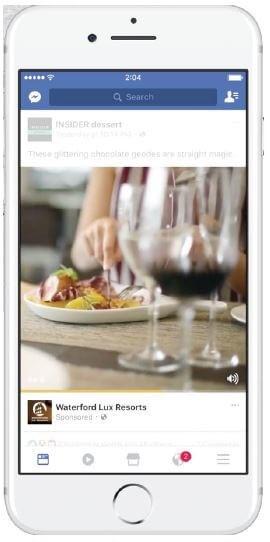
Facebook recently introduced a premium option for in-stream advertisers. Brands can now opt for In-Stream Reserve, guaranteeing placement in high-performing videos from reputable publishers and creators. As Facebook continues to prioritize video content, in-stream ads are poised to become an integral part of the platform’s advertising ecosystem.
7. Anticipating an Increase in Ad Spend
The surge in video consumption has prompted platforms like Facebook, Instagram, Twitter, and even LinkedIn to place a greater emphasis on video marketing. In 2018, brands invested over $90 billion in video ads. According to a recent Forrester report, this figure is projected to reach $102.8 billion by 2023. The explosive growth of video, coupled with sophisticated analytics, has cemented video advertising as an indispensable component of any comprehensive online marketing strategy. Mobile video is expected to experience one of the most significant increases in ad spending. As the fastest-growing video category among consumers, accounting for more than half of all video plays, mobile video advertising attracted over $30 billion in investment in 2018 alone. These numbers are likely to climb even higher as content providers continue to roll out mobile-first platforms and experiences. For advertisers seeking to capitalize on this burgeoning opportunity, prioritizing the creation of high-quality, story-driven video content will be paramount. Marketers driving this surge in video ad spend will also be at the forefront of testing new and emerging formats, such as those mentioned earlier. We can anticipate seeing more brands incorporating vertical, six-second, and non-skippable ads into their online marketing strategies in the coming year. The convergence of larger budgets and more sophisticated, optimized ads creates a powerful opportunity to capitalize on the exponential growth of video. It remains to be seen what exciting innovations in technology and online advertising this growth will inspire in the years ahead.