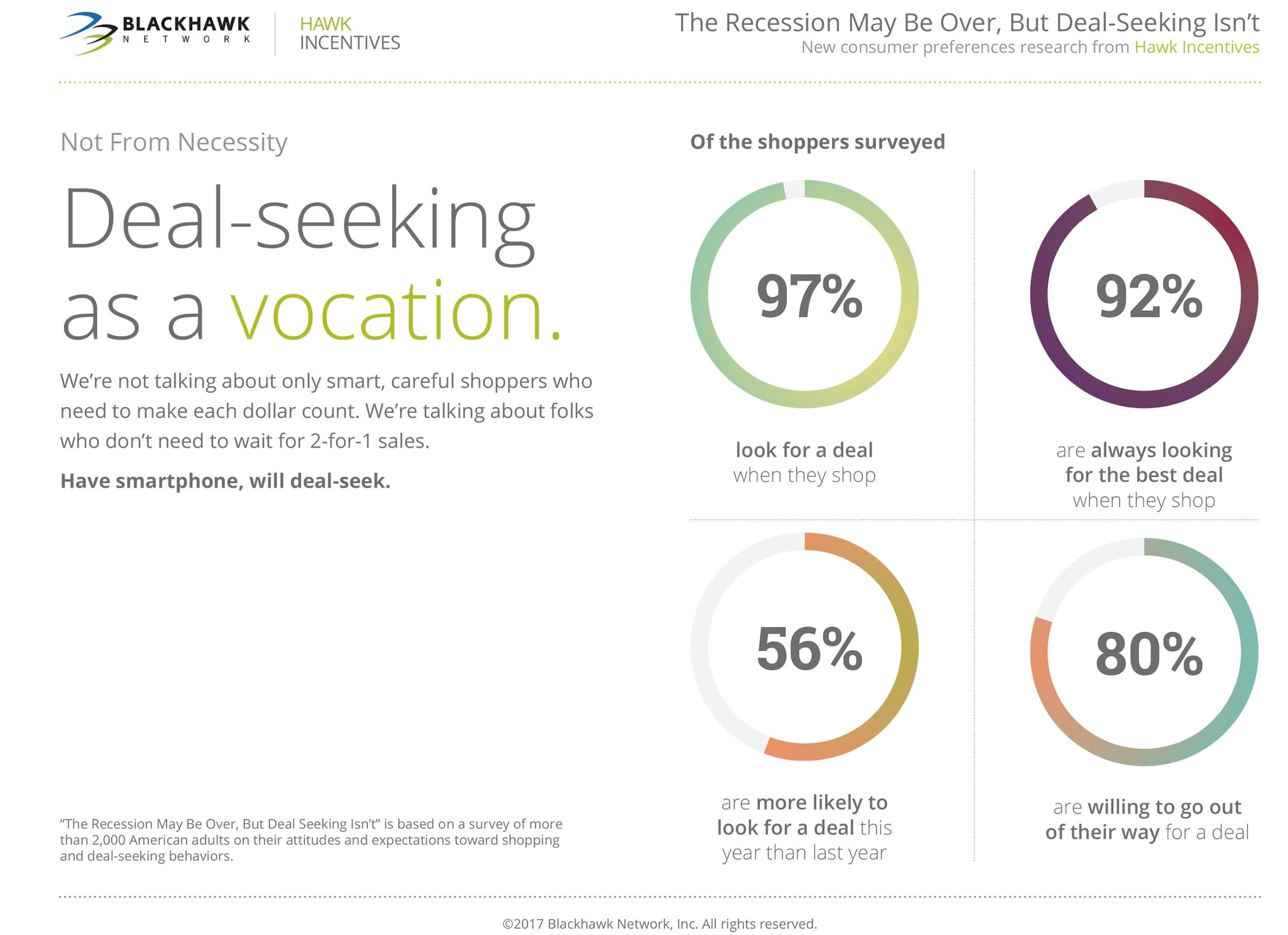
Everyone enjoys a bargain. Consumers have been captivated by the cost-saving potential of coupons since Coca-Cola introduced the first paper-free drink voucher back in 1881. In fact, 97% of US consumers say they look for deals when they shop, and 92% claim to “always” be on the lookout for deals.
Marketers can’t afford to overlook the promotional potential of coupons. When executed well, they are a potent customer segmentation strategy that can help you boost sales when and where you need them. However, if not properly managed, coupons can be abused and cut into profits.
In today’s digital and social media-driven world, coupons, and the websites that promote them, can be a vital part of any marketing plan. This guide will give you an insider’s look at how coupon sites operate, provide strategies for success, and explain how to avoid common pitfalls. But first…
What is affiliate marketing?
Many marketers are accustomed to display advertising, in which advertisers compensate publishers based on impressions or, in some cases, clicks, when it comes to collaborating with publishers. In contrast, coupon websites typically use CPA (cost-per-acquisition) affiliate marketing platforms. CPA marketing differs from traditional advertising formats in that advertisers only pay for sales or conversions generated by their publisher partners.
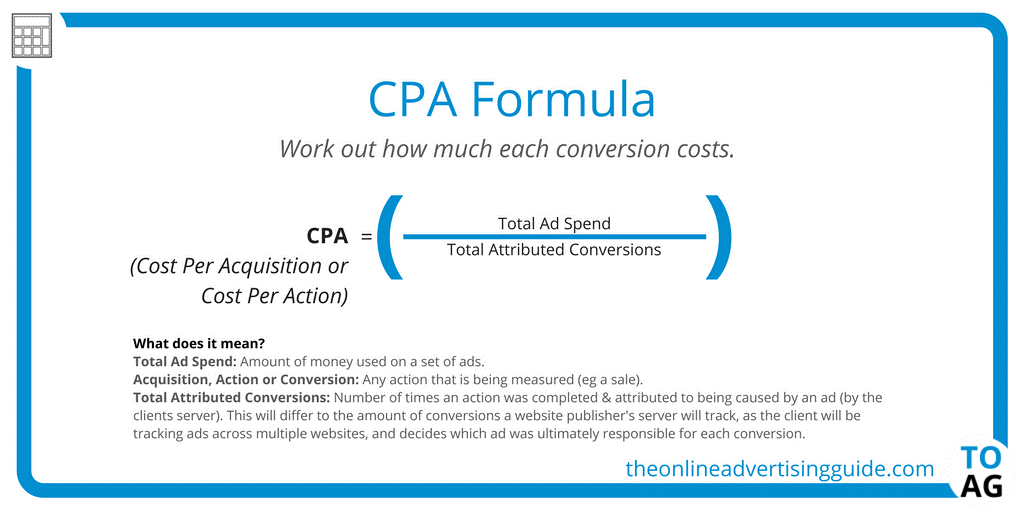
(image source) Working with a coupon website typically entails collaborating with an affiliate network. These networks act as a go-between for you and the coupon website, monitoring sales and conversions, and managing payments. CJ Affiliate, Rakuten LinkShare, and Shareasale are a few of the more well-known affiliate networks. From the advertiser’s perspective, one of the most appealing aspects aspects of affiliate marketing is the lack of upfront costs, which reduces risk. You are only paying for conversions rather than impressions or clicks that may or may not result in sales. On the other hand, due to the nature of affiliate marketing, your partners have considerable latitude in how they market you, necessitating greater oversight.
Should your brand use coupons?
If you don’t already provide coupons, you’ll need to determine whether they’re appropriate for your company. Coupons are especially effective in crowded or commoditized industries because they can help your brand stand out and entice customers to buy from you by offering a sizable discount.

Offering discounts might not be very beneficial and might simply reduce your margins if you sell a very distinctive or specialized service that doesn’t face much direct competition. However, coupons can be a useful tool for encouraging sales if pricing is a major factor in consumer decisions in your market. If your product or service has a high lifetime value per customer, using coupons to encourage the first sale can be very beneficial. To entice new customers, some high-value subscription services provide sizable initial discounts or even completely free packages. Every brand is unique, so consider how coupons might fit into your marketing strategy to increase incremental value.
The online coupon landscape
Marketers can connect with deal-seeking customers through coupon websites. The top coupon websites have extensive email lists that they use to distribute curated lists of deals; they also draw customers to their homepages, where they highlight the day’s best coupons. One of the most crucial roles that coupon websites play, especially for promo codes, is to test and validate coupons so that users can be confident that they will find valid ones when they need them. Although this is a crucial task, it is also time-consuming; some coupon websites excel at it, while others fall short (more on this below). In addition, some coupon sites provide cash-back loyalty programs, in which they reward customers for making purchases through their website with a portion of the commissions they receive.
Types of coupon sites
There are many different kinds of coupon sites, and although many of them haven’t altered much in over ten years, there have lately been some new developments in the field.
Traditional coupon sites
Traditional coupon sites are probably the ones you are most accustomed to. Offers.com and Savings.com fall under this category. They concentrate on gathering all available retailer coupons and discount codes and making them easily accessible to their customers.
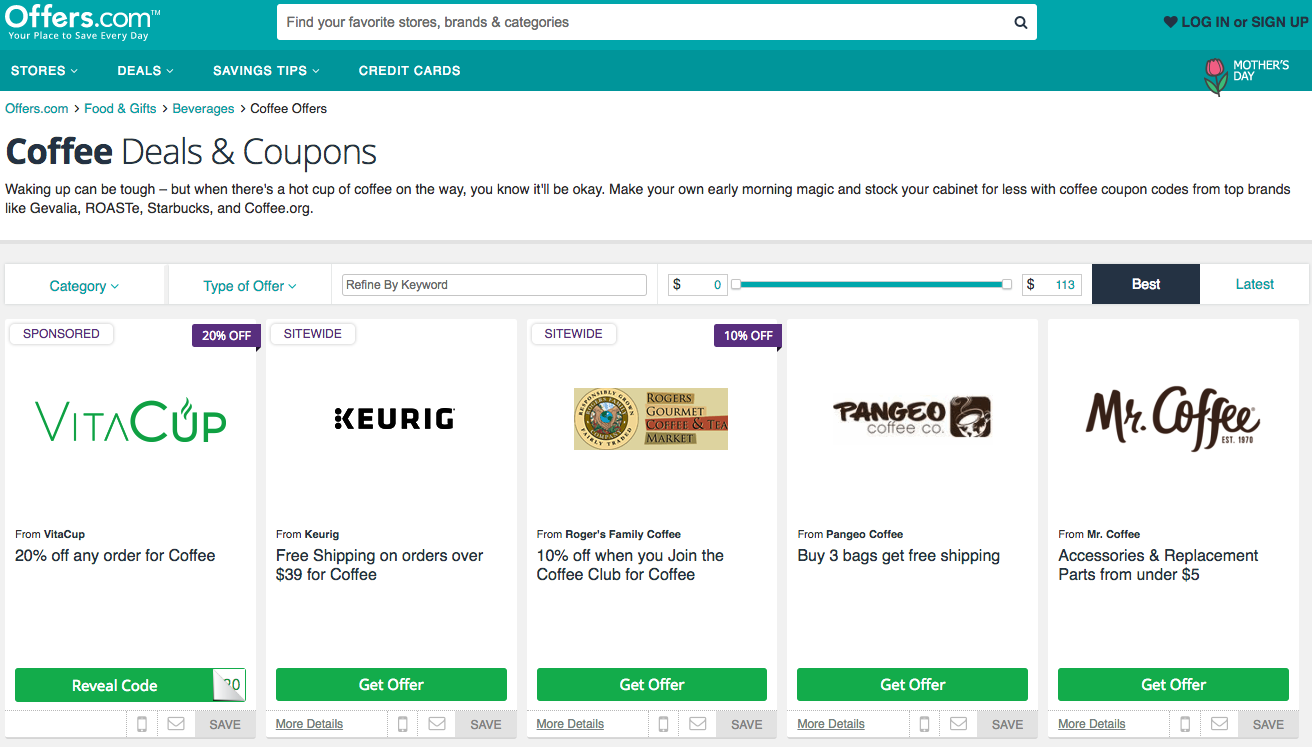
They frequently have extensive email lists and can use their newsletters to drive traffic to your business. Search engines are another significant source of traffic for conventional coupon websites because customers use websites like Google to search for coupon codes and frequently end up on these websites. To offer a reliable and accurate coupon search experience, these sites frequently concentrate on validating thousands of coupons each day.
Curation-driven coupon sites
Typically, curation-driven websites concentrate on choosing the best offers each day, highlighting them for their users, and disseminating them via email. While some of these websites are more general, others concentrate on particular niches. Brad’s Deals, Tech Bargains, and DealsPlus fall into the curation category.
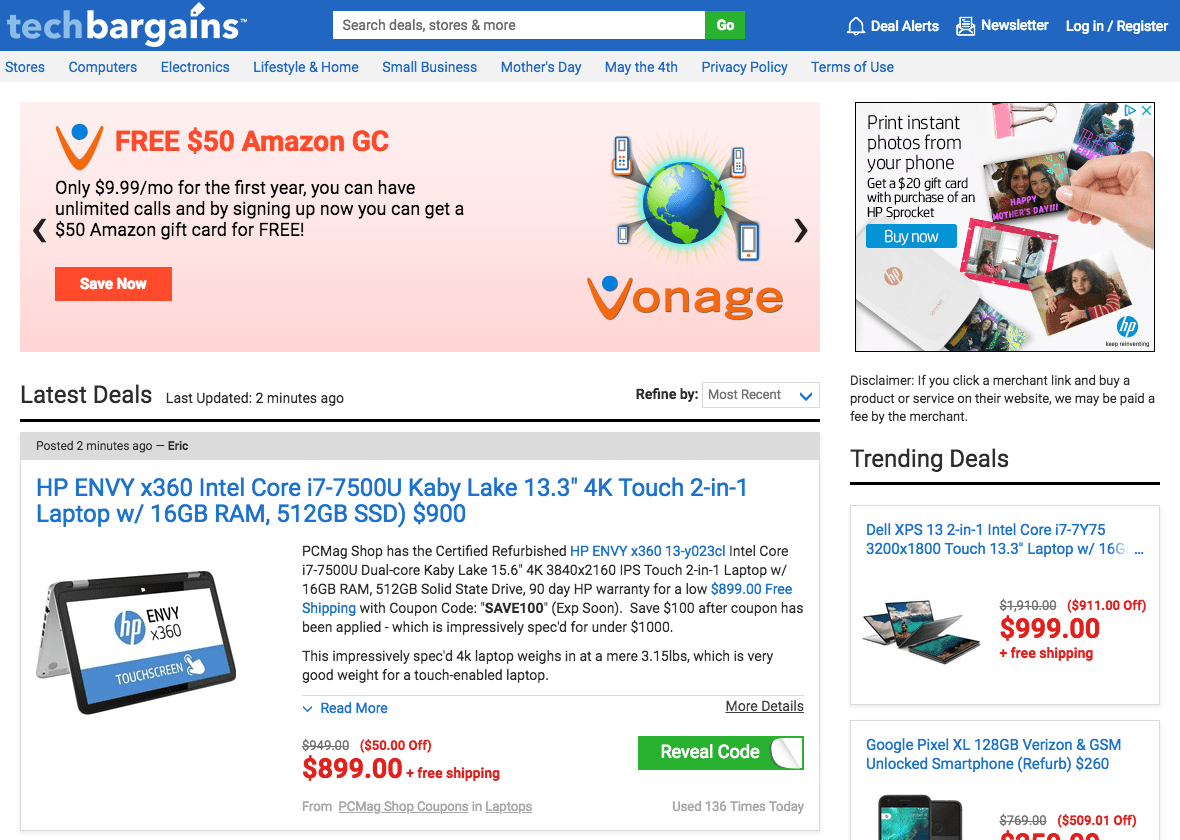
These websites frequently have extremely active audiences and frequently possess insightful knowledge of the kinds of offers that will be successful with their users. The secret to collaborating with these websites is to identify those whose audiences will be interested in your brand and what you have to offer.
Coupon forums
Anyone can use coupon forums to exchange and talk about deals. The biggest coupon forum is Slickdeals, which attracts millions of users daily who are eager to learn about the day’s best bargains.
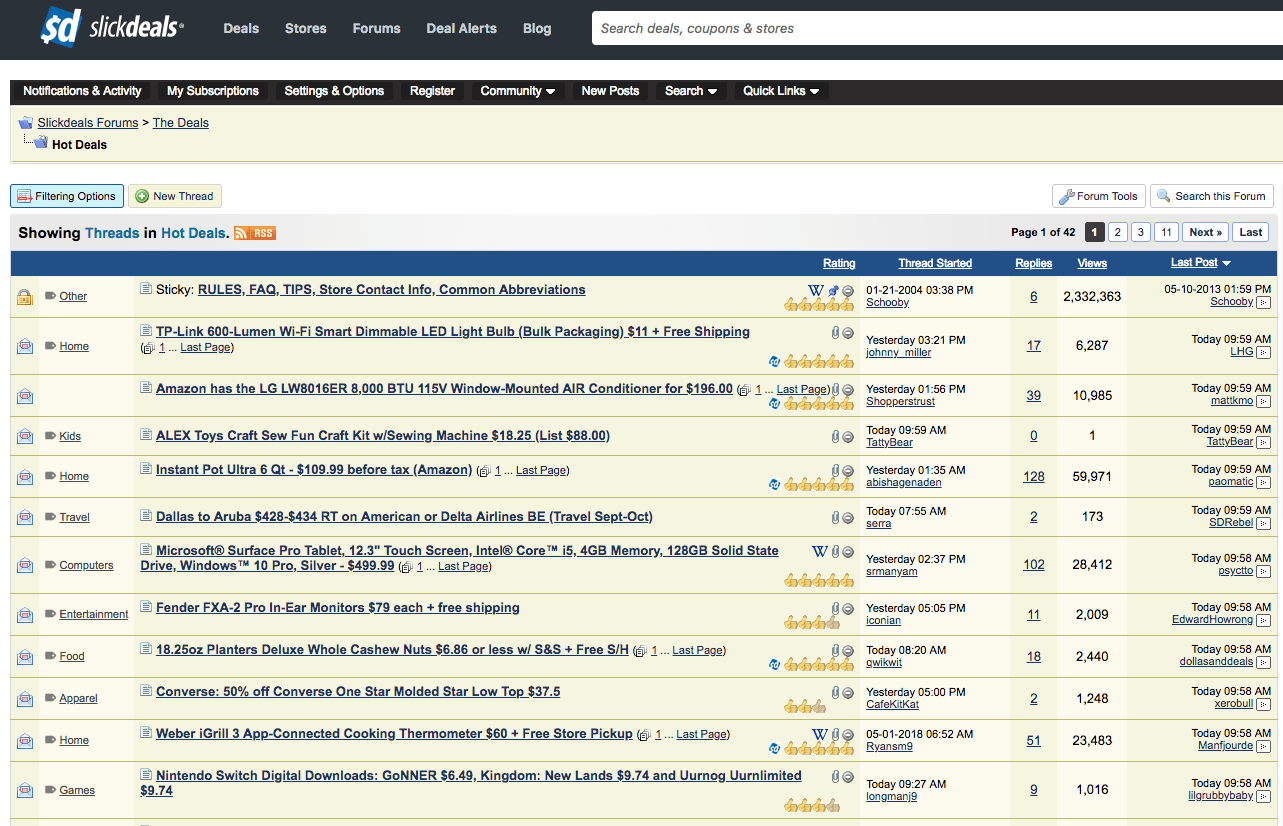
Savvier bargain hunters who are well-versed in deals and are frequently seeking “hacks” or “glitches” that present unusual savings opportunities are drawn to coupon forums. Due to the volume of users that frequent coupon forums, advertisers may find them to be effective venues for promoting their deals (typically on their homepages). In many instances, marketers will reach out to influential forum users and forge direct alliances in which those users will advertise their deals. Each forum has its own set of rules regarding this, so it’s crucial to review them (here’s an example) to determine what is permitted.
Cash-back coupon sites
Cash-back websites like Ebates have existed for a while and are very well-liked by customers because they not only provide coupons but also give their users a cut of the commissions you pay them. These are also known as loyalty sites because the majority of shoppers on these sites make the majority of their purchases through their cash-back programs.
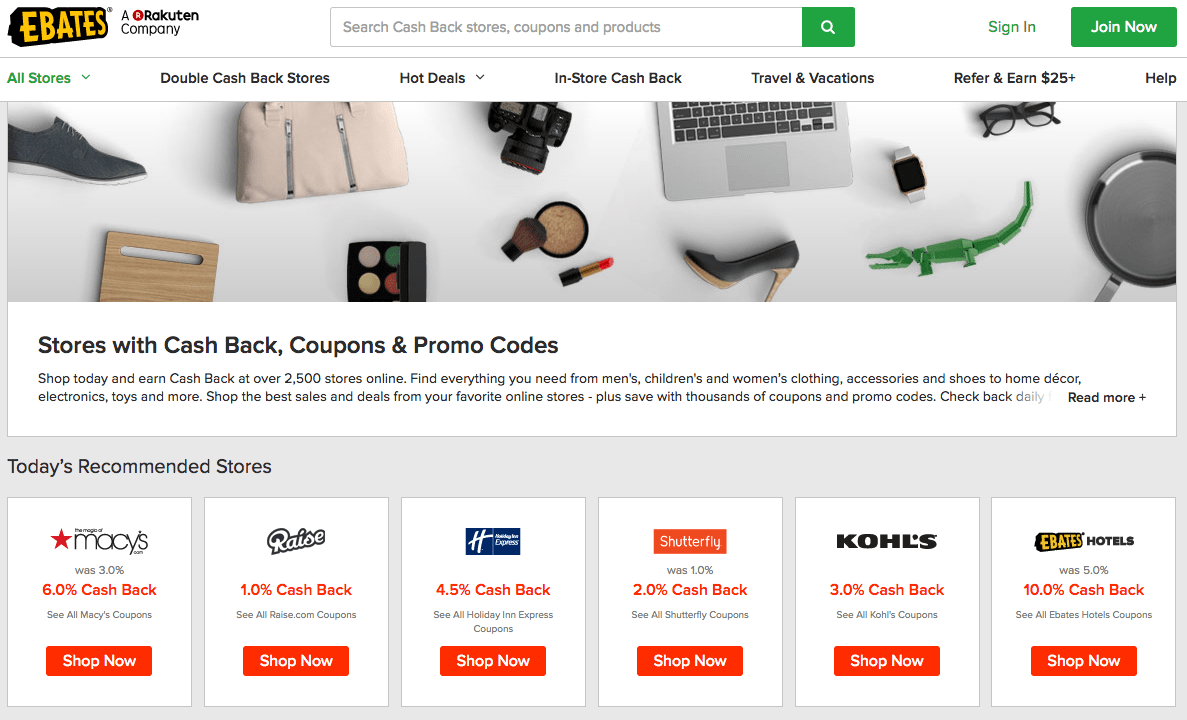
One justification for collaborating with cash-back websites is that because of their customers’ high levels of loyalty, it may only be possible to reach them through the cash-back website. On the other hand, because the majority of devoted customers stick with their preferred cashback websites, they are less likely to become devoted customers of your brand. Customers are likely to switch to your rivals if they provide a coupon through the same cash-back website. In order to increase customer loyalty, many coupon websites, including RetailMeNot, have recently begun to provide cash-back loyalty programs.
Coupon browser extensions
Coupon websites like Honey have recently grown in popularity by providing practical extensions for browsers like Google Chrome and Firefox that automatically look for and use coupon codes for you as you shop. Because no one enjoys having to look for and try out a bunch of invalid promo codes, shoppers adore these programs. Most of these extension websites also provide cash-back schemes. RetailMeNot just debuted its own browser add-on in an effort to compete with Honey. From a marketer’s perspective, one disadvantage of these browser extensions is that, by their very nature, an extension only shows up for the customer when they are prepared to check out and are already on your website. Therefore, from a marketing standpoint, it might not make as much sense to pay the extension company a commission at this time. In contrast, curation-driven websites can draw new clients who are unfamiliar with your brand to your website, so it’s crucial to take your marketing objectives into account when selecting the best types of coupon partners to collaborate with.
Coupon bloggers
Some coupon bloggers have larger audiences than all but the largest coupon websites. Krazy Coupon Lady, Hip2Save, and Coupon Mom boast millions of readers, and if they choose to promote your brand, they can provide a considerable amount of visibility. However, when deciding which brands to actively support, the majority of individual bloggers are picky, and the blogger’s personal preferences have a big impact. Alternatively, there are countless smaller bloggers who can effectively advertise your company. The difficulty here is that managing a campaign with dozens or even hundreds of smaller bloggers can be a logistical nightmare. Fortunately, some platforms are made to simplify this process, like Dealspotr, an influencer marketing platform made expressly for promoting deals, and Famebit, which is designed for YouTube video creators.
Coupon sites to avoid
Sadly, spam and abuse are more prevalent in affiliate marketing than they should be, and coupon websites are no exception. To guarantee success and reduce fraud, you must conduct your research before collaborating with coupon websites. At the most fundamental level, you as a marketer want to collaborate with coupon websites that will bring you, new clients. You want to stay away from coupon websites that profit from commissions without adding value to your sales process. For instance, some coupon websites attempt to reach your customers when they are on your checkout page looking for a promo code on Google. To rank highly for search terms like “yourbrand coupons,” these websites frequently use paid search advertisements or make investments in organic search engine optimization. Although there is nothing inherently wrong with this, the issue arises when websites display coupon codes for your brand that are either false or invalid.
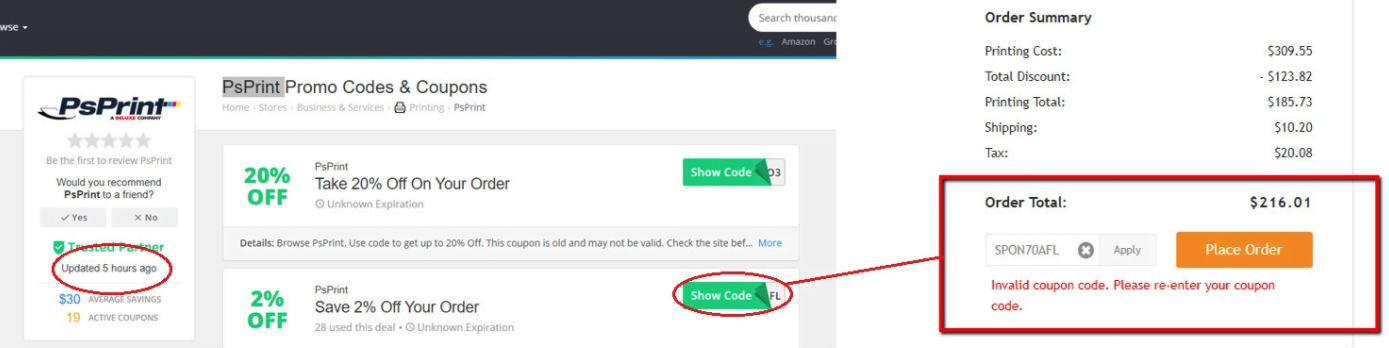
Let’s say, for instance, that your company isn’t running any promo code promotions this week. Some less trustworthy websites might nonetheless list promotional codes for your brand, giving the impression that they have special, exclusive discounts. Worse yet, by clicking on these fictitious codes, these websites can earn commissions even if the codes are invalid. Some websites even have the audacity to post fictitious codes for companies that don’t even have a promo code box on their website (here’s just one example), putting them at an unfair advantage over more trustworthy coupon websites that will (accurately) display no promo codes for those same stores.
5-minute guide to auditing coupon websites
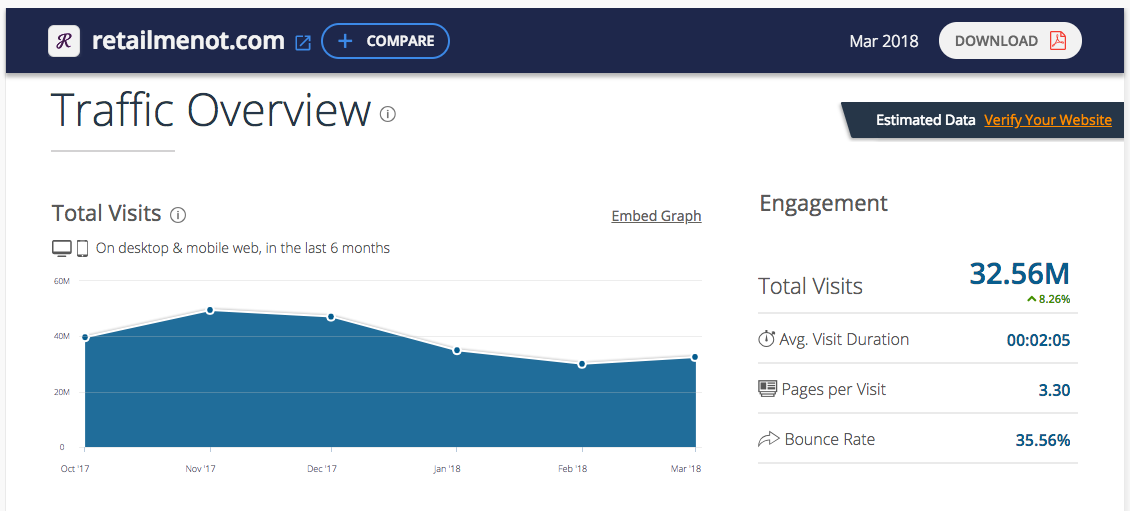
When assessing a coupon website, it’s a good idea to use SimilarWeb to determine what percentage of their traffic originates from search engines. Although the majority of coupon websites receive a sizable portion of their traffic from search engines (this is simply how customers search for coupons)—for instance, RetailMeNot historically hovers in the 70% – 80% range, which is fairly typical—if you see a percentage higher than 90%, you should consider whether this website has any users of its own or whether it is overly reliant on search engines.
You should then go over their coupon pages for a few well-known brands and try out some of their codes. Are you finding some that are broken right away? This is a warning sign—due to their effective content moderation procedures, it will be quite challenging to locate any broken codes on any reputable coupon website.
Best practices for working with coupon affiliate programs
Work with a select few coupon sites
Try being selective and working with a smaller number of high-quality sites rather than accepting every coupon website that applies to your affiliate program. Choose coupon websites with helpful and knowledgeable affiliate representatives who will collaborate with you to make sure the partnership is successful. Check out their website and the metrics mentioned above. Would you personally use this website? Does it appear that actual people frequent this website? Avoid using a website if it seems more like a shell site made for search engine optimization or if you find invalid coupon codes listed.
Maintain your own coupon page
You should also list your coupons on your website if you are offering them to outside parties. Your visitors will then have no choice but to visit other coupon websites in order to locate coupons for your store. You can either prominently link to this page in your header if you want more people to see it, or you can link to it on your checkout page next to your promo code entry box if your brand calls for a more understated approach to coupons. By doing this, there is less of a chance that a customer who is about to make a purchase from you will click out to an affiliate coupon website, reducing your profits.
Optimize your website’s promo code box
First, you need to decide whether to include a promo code field in your checkout procedure at all. The truth is that when this box is presented to many people, they will feel obligated to enter something in it and will go to Google or other websites to try to find a code.
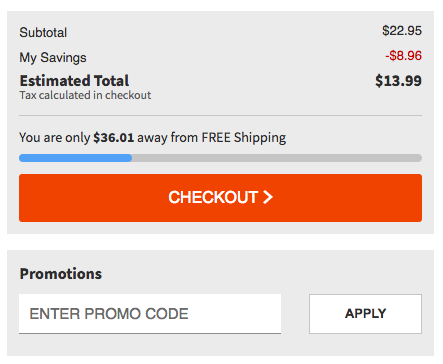
If they can locate a code, they are extremely likely to finish their purchase, which is a plus. However, you must carefully consider how you will present this promo code box and ensure that it fits with your marketing plan. If you wish to offer a promo code box but prefer not to draw attention to it, you can include a smaller text link that reads “Enter a promo code,” and only show the box if the user clicks the link.
Work with influencers, especially micro-influencers
Collaborating with a greater number of micro-influencers and bloggers is an alternative to collaborating with sizable coupon websites. Influencers may have more genuine connections with their followers and are far less likely to engage in overtly spammy behavior. Although you still need to be cautious—there are problems specific to influencer marketing, such as fake followers, which you’ll need to watch out for—working with influencers can be a very positive experience overall and can increase sales significantly. Influencer marketing platforms like Dealspotr, Izea, and Famebit make it simpler to collaborate with a large number of reputable micro-influencers.
Negotiate placements and promotions
Instead of allowing coupon websites to market your business on their own, collaborate with them to arrange placements and unique distribution agreements. In return for an exclusive discount code or a higher commission rate, you can frequently receive a homepage placement or inclusion in their email newsletter. Test out these kinds of placements with several coupon websites to determine who performs the best.
Audit the coupon sites that appear on the first page of Google for your brand
Look up “yourbrand coupons” on Google to see which coupon websites appear. Check the legitimacy of the coupons they are promoting to make sure that none of the websites are being deceptive. You can take immediate action if you discover that coupon websites to which you are paying commissions are posting deceptive coupons.
Do not allow PPC ads for your brand
PPC, or pay-per-click, search advertising can be an effective way to increase website traffic. You should avoid letting coupon websites bid on your brand name in the coupon industry, though. You can be fairly certain that a website that appears as a sponsored search result for “yourbrand coupons” is not increasing the value of your marketing chain.
The bottom line
Finding a way to collaborate with coupon websites can be a crucial component of your marketing strategy because shoppers will always appreciate a good deal. However, because of the unstructured nature of affiliate marketing, these websites operate in a “wild west” setting, so marketers must be watchful and take precautions to avoid spammers. Recognize your marketing strategy and how coupons should fit into it, identify reputable partners, and keep a list of recommended procedures on hand so you can do your homework as you go. Well-designed alliances with coupon affiliates can be very profitable for your e-commerce company if used correctly.