For businesses of all sizes, especially those with limited advertising budgets, getting the word out effectively is crucial. While Google’s Search Network is excellent for capturing user intent, it relies on users already knowing about your brand. This is where the Display Network comes in, offering a powerful solution: Brand awareness is the single biggest benefit of Google Display advertising.
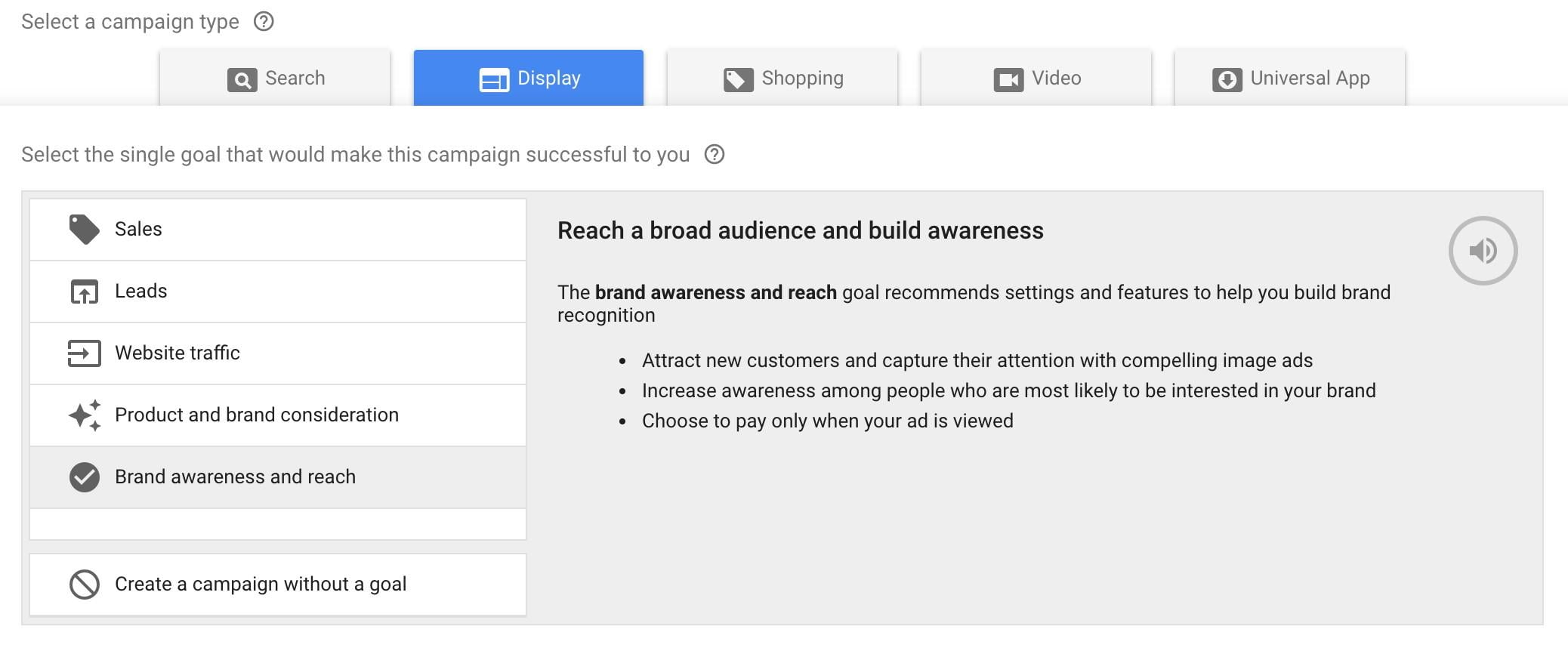
Let’s explore why embracing awareness marketing on the Google Display Network is vital for your success and outline strategies to kickstart your Display Network advertising journey.
Enhancing Brand Awareness through Google Display Campaigns
Consider this scenario: A client, primarily focused on branded Search Network campaigns due to budget constraints, prioritized brand campaigns because of their lower costs and better conversion rates. This approach, while common, doesn’t facilitate growth for smaller businesses.

Suggesting an expansion into non-branded campaigns was met with hesitation due to the higher costs associated with them. Understandably, investing more in less efficient keywords is not ideal. However, their existing brand campaigns were already maximizing their potential. This is where the Display Network shines. As mentioned earlier, people can’t search for what they don’t know exists. To drive more searches for your brand, invest in building brand awareness. The Display Network also fosters brand affinity. As Larry Kim highlighted, brand advertising’s impact on conversions is significant. By allocating budget to reach new audiences, we observed a rise in brand searches and improved performance in non-branded campaigns. Larry aptly summarizes this:
“Prior familiarity significantly influences purchasing decisions.” Strengthening brand presence led to higher click-through rates and lower costs for non-branded campaigns. Essentially, reaching the right audience and building brand familiarity increases trust and preference.
Leveraging Audience Targeting for Brand Awareness
With the importance of awareness established, let’s delve into reaching your target audience effectively. The emphasis in paid advertising is shifting towards audience targeting. This is driven by search engines refining keyword match types and introducing features that prioritize user groups over search terms. Understanding your target user is paramount. Limited budgets shouldn’t hinder user research. Google provides free tools for identifying potential customers. Let’s explore two key tools for Display Network targeting.
Google Analytics
Within Google Analytics’ Audience report, the “Interests” section offers insights into your users’ Affinity and In-Market segments.
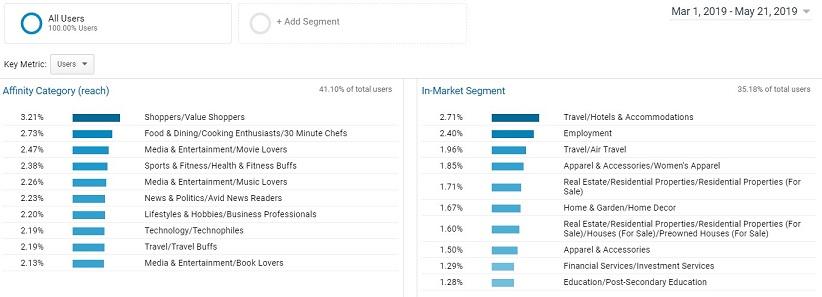
The default “All Users” segment can be customized. By adjusting the date range and key metrics, you can analyze the top ten audiences in each category. Deeper insights are available for each audience type. Note that the displayed data represents a percentage of users within the chosen segment, making it a starting point rather than an exhaustive analysis.
Google Ads Audience Insights
Located within Google Ads’ Tools, Shared Library, and Audience Manager, this tool reveals in-market and affinity audiences associated with “All visitors (AdWords).” Like Google Analytics, it provides targetable audience options for the Display Network. For more tailored research, adjust the base audience to specific website visitors, YouTube users, or customer lists. Here’s a glimpse of the audience types you can analyze:
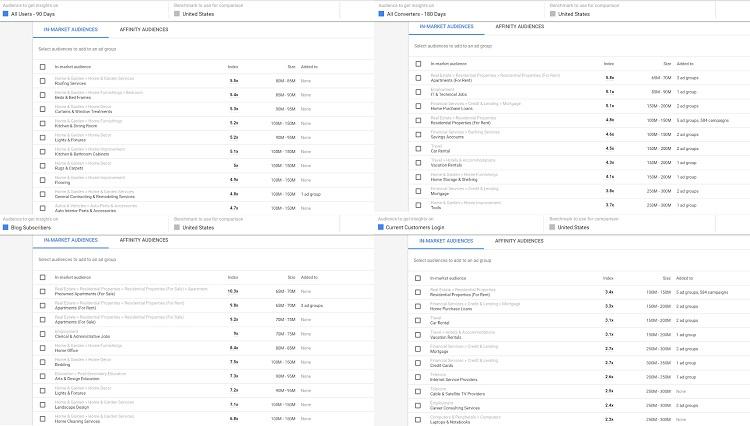
Examining different base audiences, such as all users, converters, subscribers, or logged-in users, reveals varying audience categories. These differences inform the structuring of awareness campaigns based on your objectives. Gray-out audiences within Audience Insights indicate insufficient user data (less than 1,000) for analysis. Consistent patterns across various audience breakdowns, whether from Google Analytics or Audience Insights, suggest a higher likelihood of reaching relevant users. This emphasizes the importance of thorough research for cost-effective and targeted advertising.
Aligning with the Buyer’s Journey
When requesting new image ads, a common oversight is using the same creative across all Display Network campaigns. This is a critical mistake. Website visitors differ from those unfamiliar with your brand. In-market audiences exhibit different purchase behaviors compared to affinity-based audiences. User intent and their stage in the buyer’s journey vary significantly across audiences. Segmentation, when volume allows, is key to optimizing budget allocation and ad creative.
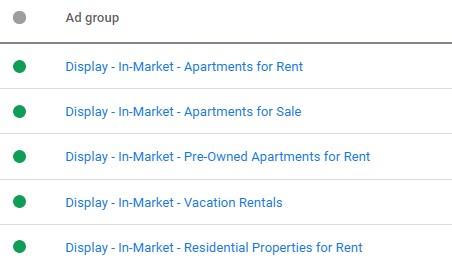
The example above demonstrates an ad group structure based on in-market audiences. Using a single set of ads here would limit the campaign’s potential. Generic branding ads lack the personalized appeal that resonates with user needs. Tailor your creative to specific user contexts. If someone seeks rental apartments, showcase that. If they’re looking to rent a house, display that. Speaking directly to user needs enhances results and maximizes the value of investing in Display advertising.
Cost-Effective Business Growth with Display Advertising
Google empowers small businesses with tools to identify and reach their ideal customers. Staying top-of-mind leads to increased brand searches and direct website traffic. As brand familiarity and trust grow, so does the performance of your search campaigns. If users aren’t searching for your brand or offerings, investing in awareness is key. The Google Display Network offers a budget-friendly solution for achieving this.