Whether you love it or despise it, clickbait has become another tool for content marketers. It seems like every website uses shady tactics to get you to click on their content, and these methods are so common that some experts wonder if clickbait has a future.
Image credit: Slate
Table of Contents
- What is Clickbait?
- The Benefits of Clickbait
- The Dark Side of Clickbait
What Is Clickbait?
Clickbait is content designed to attract as many clicks as possible. Almost any type of content can be considered clickbait - news articles, blog posts, interviews, infographics, videos – anything can be packaged as clickbait. However, clickbait usually has some of these characteristics:
- An attention-grabbing headline
- Easy to skim
- Funny or interesting images/video
- A humorous tone, or strong appeal to emotions (more on this later)
- Designed to encourage social sharing Not all clickbait has all these traits, but most have at least two or three. Content marketers across all industries have tried to create viral content by copying the style and format of clickbait made popular by sites like BuzzFeed and Upworthy, the two biggest and best clickbait producers on the internet.
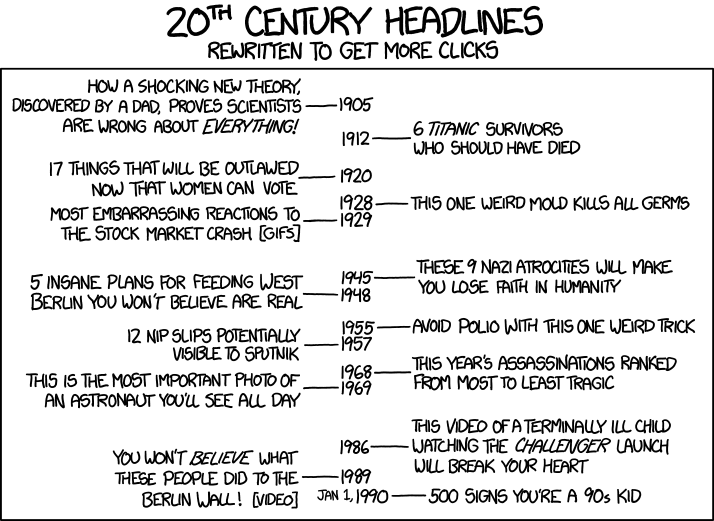
Image credit: xkcd
A Brief History of Clickbait
Although clickbait seems new, the practice of getting users to click on web content evolved from linkbaiting. Just as linkbait was (and is) content designed to get links from other sites, thus boosting the site’s link profile, clickbait aims to attract as many clicks and pageviews as possible. More pageviews usually mean higher ad revenue and bigger profits. Of course, the newspaper industry is familiar with clickbait concepts, using them effectively to sell papers for more than one hundred years. British tabloids, despite being criticized for their lack of journalistic integrity, are known for using many clickbait techniques to boost their circulation.

Hard-hitting British journalism at its finest. As ethical SEO rules evolved, linkbaiting became less common (though great content will always attract links). For now, clickbait is still very popular.
The Benefits of Clickbait
Thinking about creating clickbait content but not sure how you could benefit? Let’s look at some pros of clickbait.
1. More Pageviews
As the primary goal of clickbait, getting more pageviews is the first benefit. If pageviews are your only goal, then clickbait is a great way to get them.
Clickbait can generate more pageviews whether used on your blog or elsewhere, like social media posts or guest columns. To gauge clickbait effectiveness on your website, track your traffic sources using analytics platforms like Google Analytics.
2. Greater Potential for Social Shares
Good (or effective) clickbait is almost as compelling to share on social media as it is to click. However, people won’t share just anything, as their online persona is connected to the type of content they share.
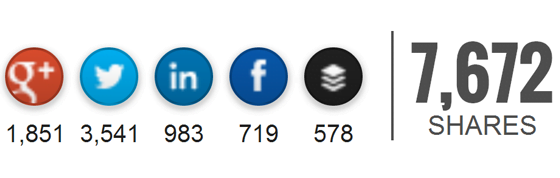
To encourage sharing clickbait, appeal to people’s emotions. The stronger the emotional response, the more likely they are to share the content. While identifying the right emotional triggers can be tough, many social media experts agree that six primary emotions are associated with shareable content:
- Fear
- Anger
- Sadness
- Disgust
- Joy
- Surprise
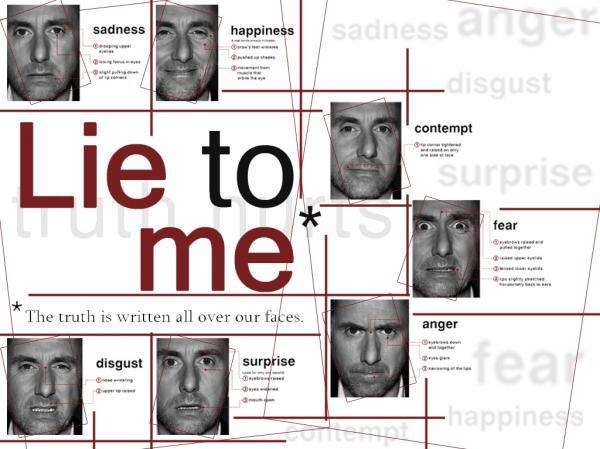
This list, based on the work of psychologist Paul Ekman (who inspired Tim Roth’s character in the TV show “Lie to Me”), is a go-to guide for content creators aiming to manipulate their audience’s emotions into sharing content. Combining a strong appeal to one of these emotions with a captivating headline and well-structured content could lead to the next viral hit.
3. Increased Brand Awareness
The third benefit of clickbait is brand awareness. More pageviews and social shares mean more people will see your brand as your content spreads online.
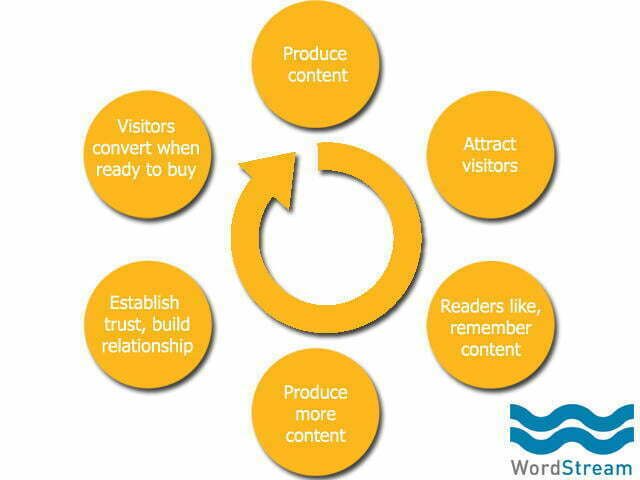
Increasing brand awareness is crucial to content marketing, and creating compelling clickbait is a great way to do it. Brand awareness plays a crucial role in many stages of the content marketing cycle, especially in helping visitors remember your content (and brand) and building trust.
Clickbait content doesn’t have to go viral to build brand awareness. Driving pageviews and encouraging social shares means it’s already working. Of course, the farther your content’s reach (like if it does go viral), the more people will remember your brand.
The Dark Side of Clickbait
No content marketing technique, including clickbait, is without drawbacks. While great clickbait can be valuable, there are pitfalls to consider.
1. Sensationalism Is Getting Old
Back in 2006, when BuzzFeed launched, it quickly became popular because the internet wasn’t used to its tactics of using irresistible headlines to attract audiences. Now, everyone uses clickbait to try and get the benefits mentioned above, leading to declining audience interest.
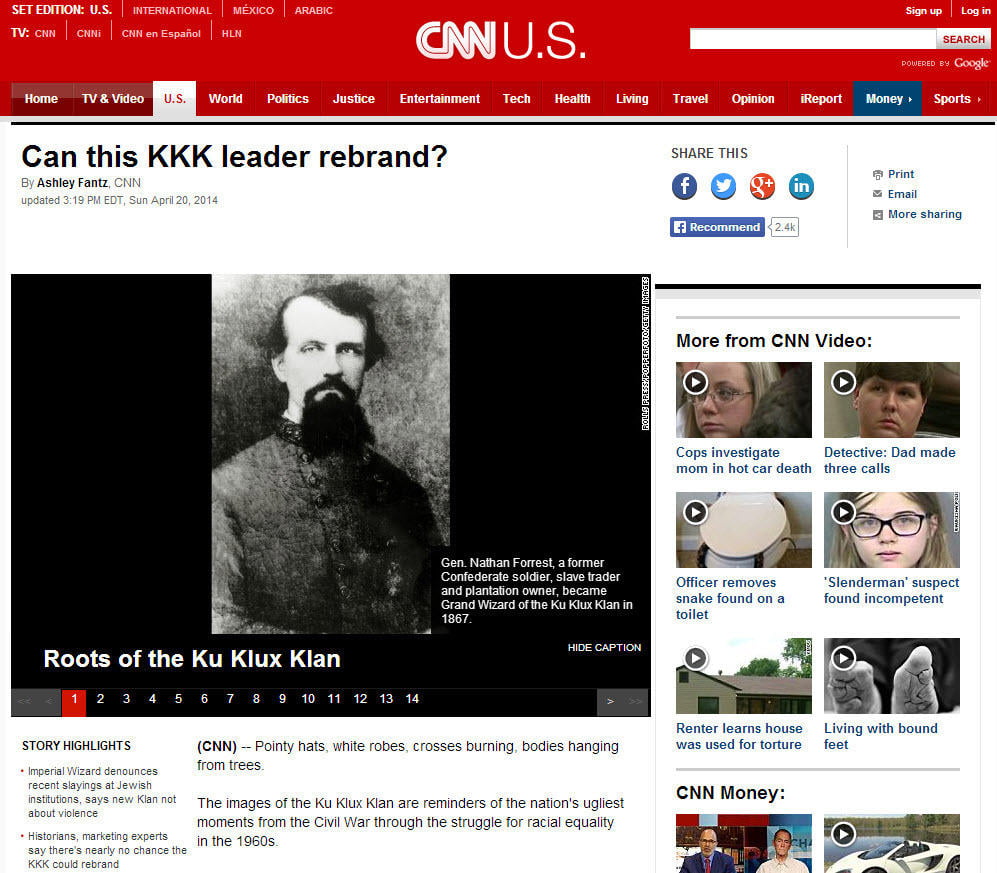
We’re tired of being told what happens next will shock us, that every reaction is amazing, and that we can achieve anything with one weird trick. Frankly, it’s getting old. Sensationalist clickbait saturation is near its peak, and even seemingly trustworthy news sources like CNN can’t resist publishing highly offensive clickbait to get pageviews. The signal-to-noise ratio is so bad that publishers resort to desperate measures to stand out – an unsustainable situation in the long run.
2. Misleading Clickbait Damages Brands and Erodes Trust
Few things will annoy your audience and erode trust faster than intentionally misleading them. When people click on content, they expect it to match their expectations. If you deceive them for a pageview, they will likely leave immediately and view your brand negatively. A recent post on Search Engine Journal illustrates this point.
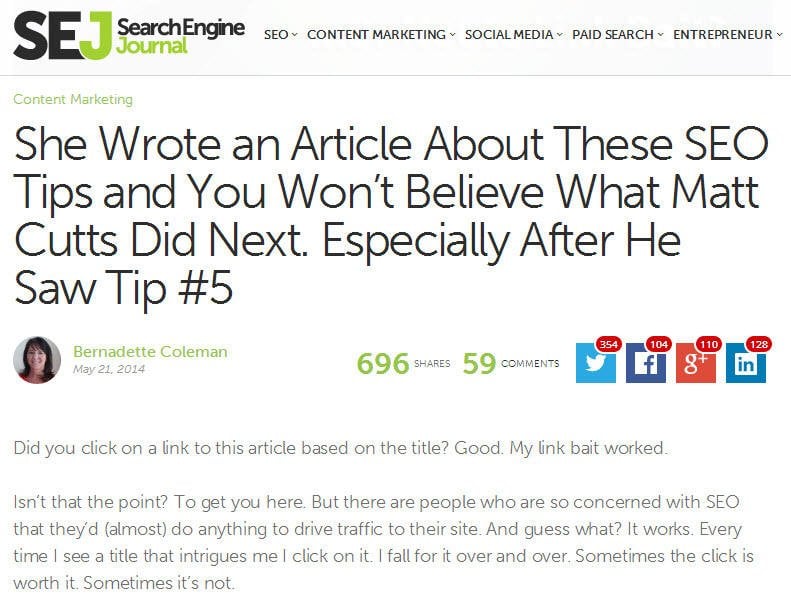
Besides the author and most commenters not seeming to know the difference between clickbait and linkbait, many comments were from angry readers who felt misled. The post got many social shares, but consider if the potential brand damage is worth using similar tactics.
3. Pageviews Aren’t Even That Important
Many content marketers are using clickbait and creating mediocre content disguised as something interesting to boost their pageview count. However, this may be misguided, as some experts believe that pageviews don’t matter as much anymore. In an article in Time magazine, Chartbeat CEO Tony Haile wrote that many publishers are moving away from the “click web,” where clicks and pageviews are the dominant metrics, to the “attention web,” where audience attention and engagement are becoming the key measures of content success. Haile highlights prominent sites shifting away from the click metric model, including blog platform Medium and BuzzFeed rival Upworthy. Medium measures content success using “the only metric that matters” (Total Time Reading). You might have noticed that posts on Medium show an estimated reading time based on scroll depth, position, and absences/pauses caused by reader inattention or switching tabs.
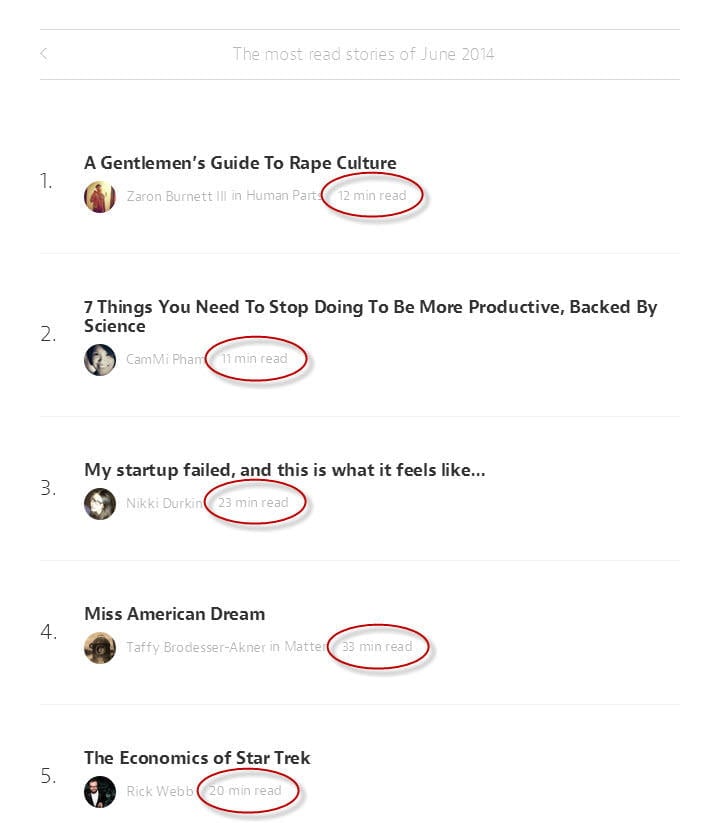
This gives Medium a reasonably accurate measurement of how long a reader spends on content and helps determine which posts were truly the most engaging – a far more reliable indicator than pageviews or social shares. Similarly, Upworthy is focusing on attention minutes instead of clicks/pageviews. Upworthy’s data scientists calculate attention minutes by measuring two things:
- Total Attention on Site (per hour/day/week/month etc.) – This shows which topics get the most interest, similar to unique views or total pageviews.
- Total Attention per Piece – This is calculated using how many people view something and how much they watch/read. Remember – a page viewed is not necessarily a page read. The figure below, based on Upworthy’s attention minutes metric, compares how three sample pieces of content performed compared to the traditional pageview model. See the difference?
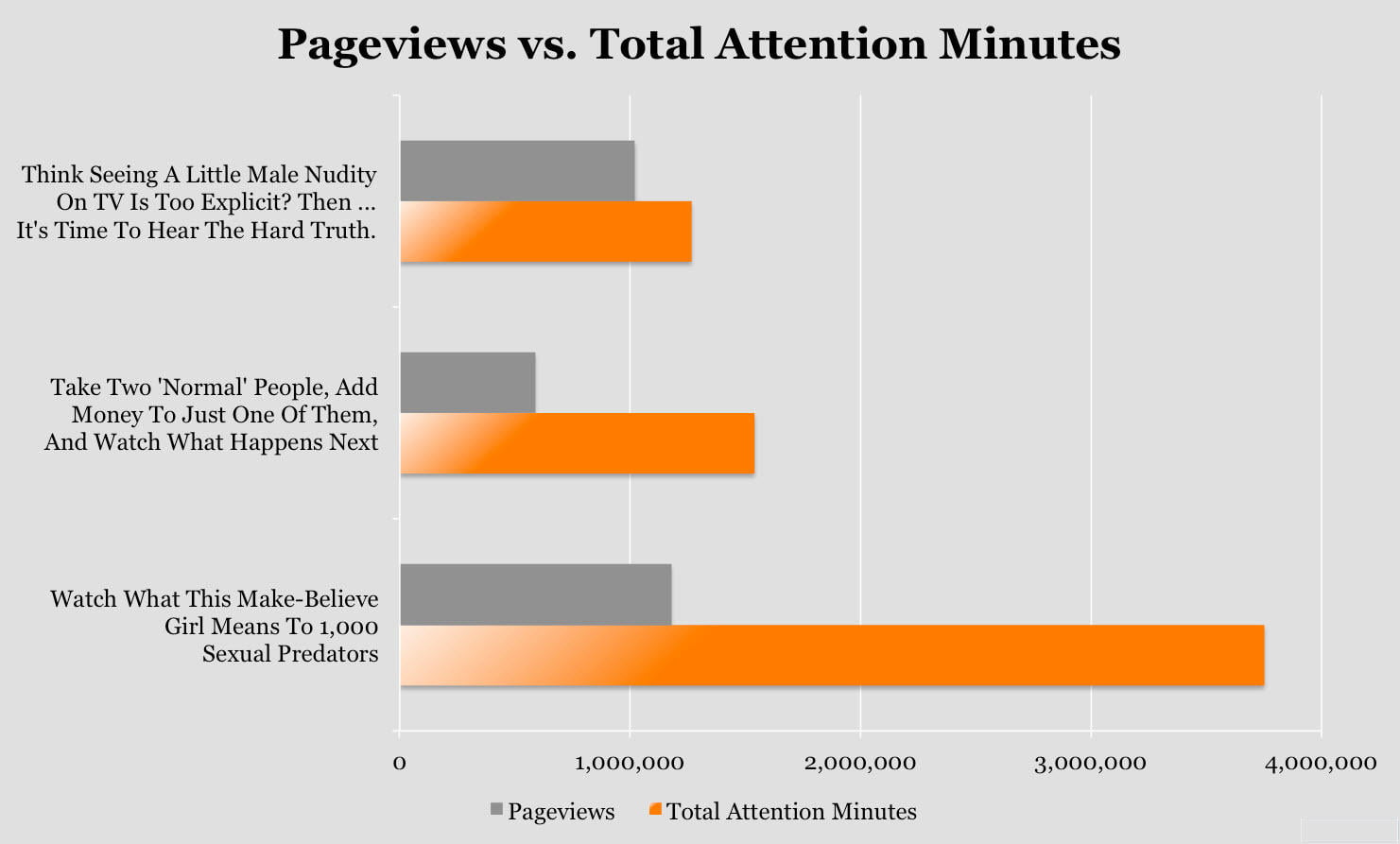
More publishers are moving away from pageviews as a defining metric. As audiences become pickier and content production increases, an attention-based model may soon become the norm.
To Click, Or Not to Click?
Clickbait can be fun for content marketers. Creating witty, sensationalist headlines is a valuable skill, and it’s always nice to see pageview and social share increases when clickbait content performs well. However, as we’ve seen, there are pros and cons to using clickbait - only you can decide if the potential gains outweigh the risks.