Did you ever feel like you’re throwing random tactics at the wall, hoping something sticks and magically improves your AdWords campaigns? While it’s easy to find articles with actionable optimization tips, it’s equally important to think about how you measure their impact. You should know definitively what led to an increase in conversion rates – it shouldn’t be a mystery! This is where a systematic approach to optimization comes in.
Why a Systematic Approach Matters
A key benefit of a systematic approach is the clarity it brings to your optimization efforts. You begin to understand how even small changes, like tweaking ad titles, can impact your results (conversions, sales, etc.). This makes your tactics and improvements repeatable. Reproducibility, a concept borrowed from science, simply means “an entire experiment or study [can] be duplicated, either by the same researcher or by someone else working independently”. Scientists don’t just cross their fingers and hope for the best in experiments; they need to understand why things work.
Reproducing your experiments also requires understanding all the variables that could influence your results. One way to do this is by simplifying – changing your ad title, ad description, and landing page simultaneously makes it difficult to pinpoint which change moved the needle. This is where a simple technique called the Ladder of Improvement can be helpful.
Climbing the Ladder of Improvement in AdWords
The Ladder of Improvement, a concept from the book I Will Teach You To Be Rich by Ramit Sethi, uses the analogy of the “Ladder of Personal Finance” which outlines steps, or “rungs,” to gain control of your finances. The rungs progress like this:
- Rung 1: Enroll in your employer’s 401(k) plan
- Rung 2: Eliminate credit card and other debt.
- Rung 3: Open a Roth IRA.
- And so on. This approach offers two advantages:
- Prioritization of your time and resources
- Small victories at each rung Even reaching the first 3 rungs signifies substantial progress in improving your finances! Our AdWords Ladder of Improvement follows a similar structure, guiding you through a series of incremental steps to optimize your campaigns. We’ll focus on three core metrics:
- Impressions
- Click-through Rate (CTR)
- Landing Page Conversion Rate Start by noting your current values for each metric (from last week, last month, etc.) and compare them to industry benchmarks for CTR and landing page conversion rates. A great resource for industry averages is nexus-security’s guide.
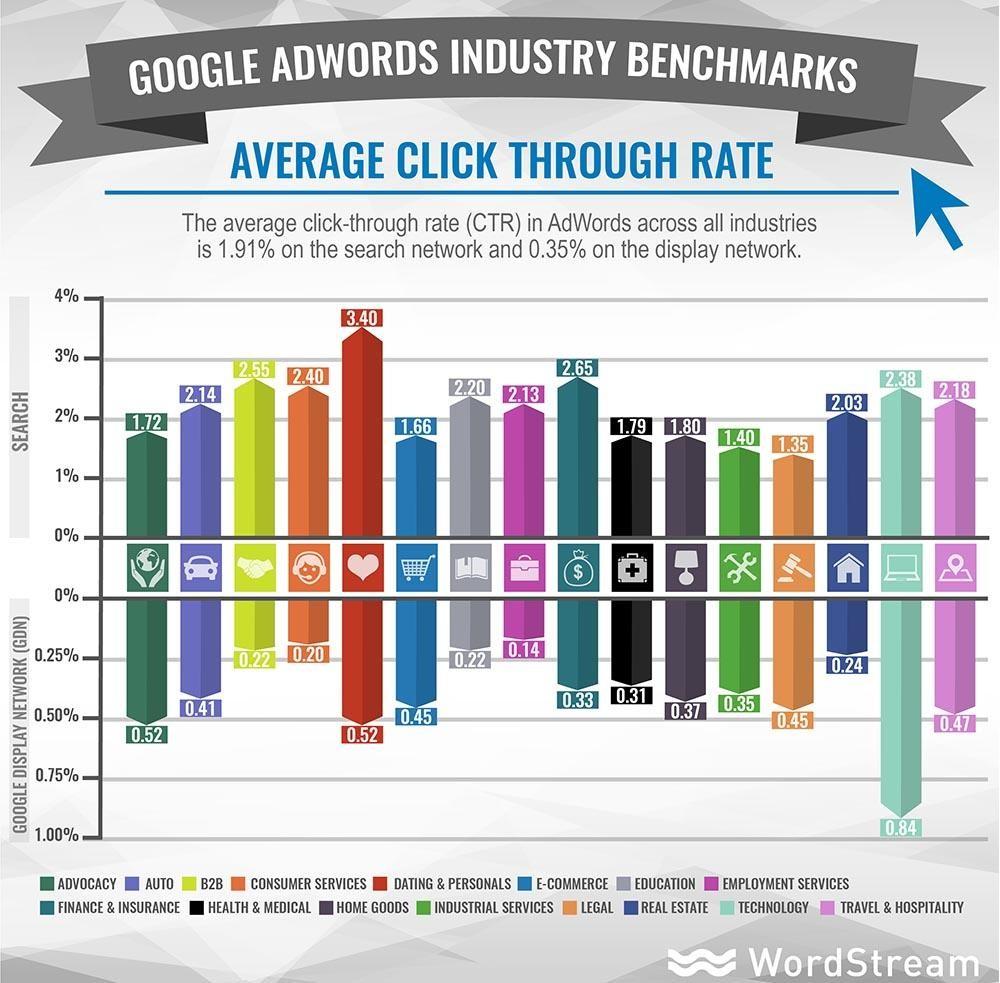
You could be working on improving any of these metrics at any given time. However, some hold more weight than others. For instance, you could have a high volume of impressions, but a low CTR indicates wasted traffic (and a lower Quality Score). So how do you determine your focus metric? Compare your numbers to industry standards. If your CTR or landing page conversion rate lags behind, that’s your starting point. Once you’ve identified your priority metric, explore different tactics to improve it. It’s tempting to tackle all three metrics simultaneously, but you will have much better results if you tackle each one at a time.
Boosting Impression Metrics
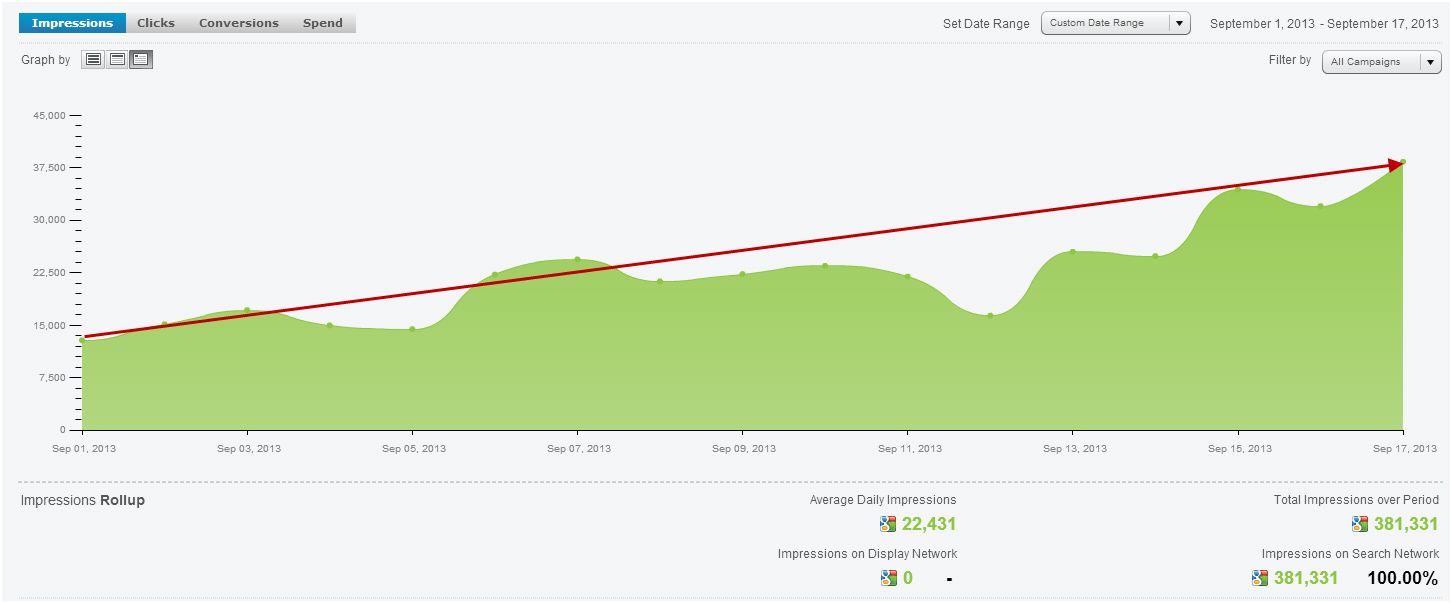
Low impressions might signal low keyword bids, issues with geotargeting, or poor ad quality. For more insights on enhancing impression share, click here.
Elevating CTR
A low CTR generally means your ads aren’t resonating as relevant to users. This could stem from keyword issues like overly broad targeting or not incorporating them into your ad copy.
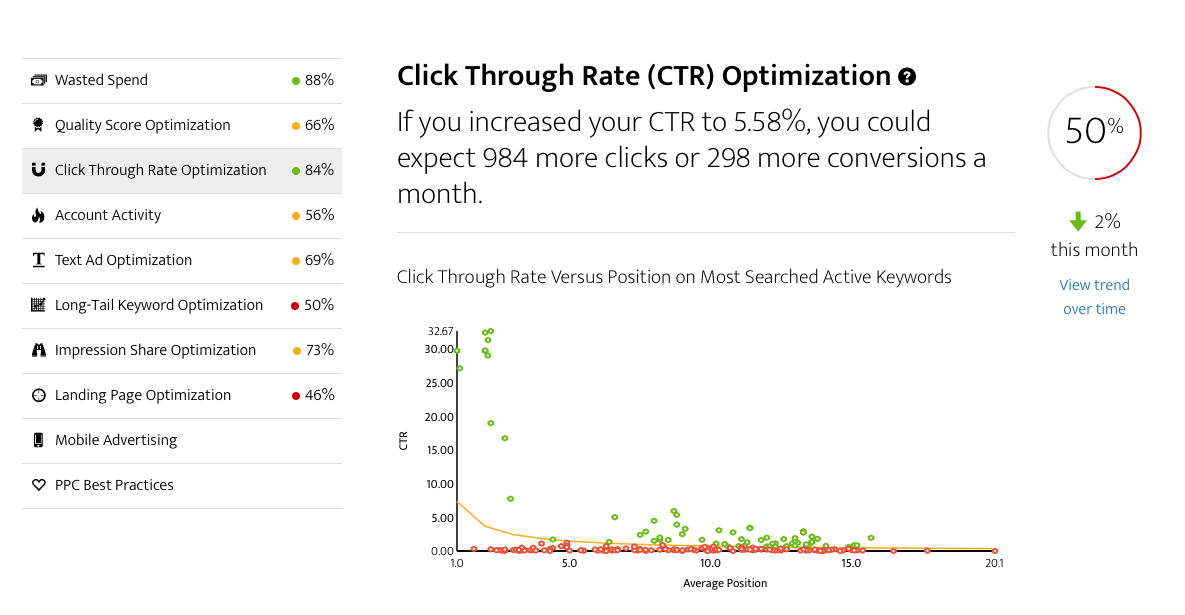
To achieve exceptional click-through rates, focus on crafting compelling, emotionally resonant ads that stand out and leverage CTR-boosting features Google offers. Explore these resources for further guidance:
- Going Unicorn Hunting: The Secrets Behind Ads with 3x the Average CTR
- The 4 Emotions that Make the Best Emotional Ads
- 10 Dos and Don’ts for Sitelink Extensions
- Expanded Text Ads: 7 Best Practices
Optimizing Conversion Rate
A low conversion rate often suggests your offer isn’t hitting the mark. To significantly improve it, you often need a completely different, more compelling offer tailored to your audience’s needs. For more conversion rate optimization strategies, check out these resources:
- What’s the Most Important CRO Metric? (Hint: Not Conversion Rate)
- 3 Ways to Increase Conversions (Without a Single A/B Test)
- How to Increase Conversion Rates Without Touching A Landing Page How do you know when to move on from optimizing a specific metric? This is where “good enough” numbers come into play.
Defining “Good Enough” Metrics
The concept of “good enough” metrics has been talked about by Michael Halbrook, a consultant at Adobe. He draws a parallel from his background in theater and the idea of “good enough” setups: In technical theater – my area of expertise before venturing into digital media, marketing, and measurement – we had a saying in the scene shop: “Close enough for theater!” This meant that on a stage spanning 40 to 50 feet or more, minor construction discrepancies of half an inch or an inch often became unnoticeable in the final production. A good initial goal is to aim for industry average metrics. You might even surpass them. However, always have a clear “good enough” target in mind. Otherwise, you risk getting bogged down in minor tweaks when you could be making substantial improvements elsewhere. The Ladder of Improvement is just one approach to consider. The key is having a system that helps you:
- Focus your efforts and resources effectively
- Determine when your metrics have reached a satisfactory level