As Thanksgiving marks the unofficial end of the year, my focus shifts towards planning for the next. In doing so, I’ve noticed a significant number of new features introduced in 2019 that have the potential to make optimizing Display Network campaigns much more efficient.
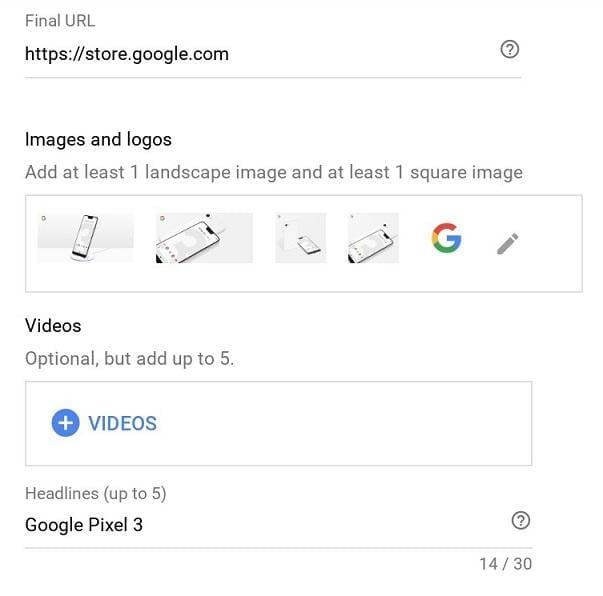
Just a heads-up: The integration of video assets is a personal favorite. I’ve compiled a list of my top five favorite new Display Network features that you might have missed—either way, these are worth leveraging in the coming year.
1. Conversion Tracking at the Campaign Level
Since June 6th, Google Ads has allowed for the configuration of conversion actions at the campaign level. Previously, all conversion actions were applied universally across all campaigns at the account level. Within a specific campaign, navigate to your settings. While the default setting will have your campaign utilizing account-level conversion settings, you can modify this to select specific conversion actions tailored to the campaign. This empowers advertisers to meticulously choose the precise conversion actions they desire for each campaign.
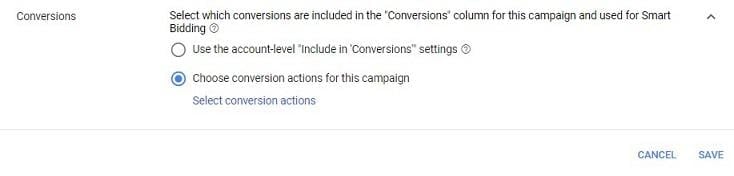
Your immediate thought might be, “Hold on! That feature isn’t exclusive to Display Network campaigns. Rough start, Joe!” Okay, you got me there. Yes, campaign-level conversion tracking is applicable to all campaign types, but its impact on your Display Network campaigns can be particularly advantageous.
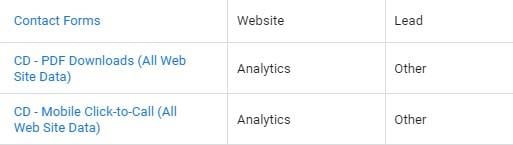
The length of your sales funnel plays a role here. It’s often unrealistic to expect top-of-funnel users to perform the same conversion actions as a nurtured lead. A lot of my clients utilize the Display Network primarily for driving brand engagement. Subtle actions (dare I say, micro-conversions?) such as interacting with the chat tool, viewing landing page videos, or downloading a PDF can be valuable indicators for top-of-funnel users encountering your site for the first time. However, these micro-conversions are unlikely to be the primary objective for your bottom-of-funnel search campaigns. Campaign-level conversions allow us to utilize these engagement actions as metrics for our top-of-funnel Display Network campaigns, enabling us to evaluate their effectiveness in a way that wasn’t possible before.
2. Unveiling Insights with the Combinations Report
Prior to February 2019, advertisers lacked visibility into the specific combinations from responsive display ads that were being served to users. It was challenging to pinpoint which creative element or ad copy was contributing to an ad’s success or failure. Thankfully, Google Ads introduced the combinations report to provide better insights into the actual performance of responsive display ads. To access this report, click the “View asset details” link found under one of your responsive display ads. Initially, you’ll be on the “Assets” tab. Adjacent to it, you’ll find the “Combinations” tab.
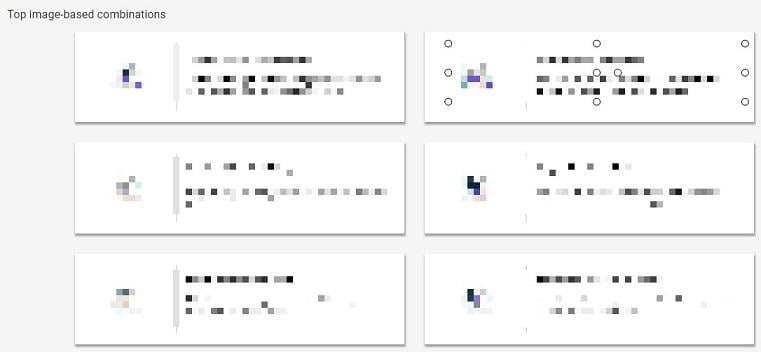
While the image might not be visually appealing, I can’t disclose the client’s actual creative assets and ad copy. First, we can analyze the top-performing image-based combinations within your responsive display ads. Subsequently, as shown below, we can evaluate the top-performing text-based combinations.
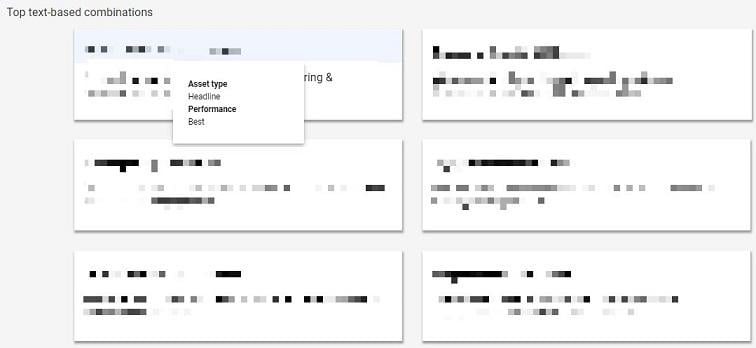
In the example of text-based combinations above, I hovered over one of the headlines to get a quick overview of its performance. In addition to images and text, you can gain fundamental performance data on feeds and videos if you’re incorporating them into your responsive display ads. Remember, combinations are ranked based on their frequency of appearance on the Display Network. Therefore, consider your ad rotation settings when evaluating the effectiveness of your ad creative before making any changes.
3. Enhanced Placement Reporting
When structuring a Display Network campaign, I prioritize being as precise as possible with audience targeting before broadening the campaign’s reach. One straightforward method for precise display targeting is through the use of managed placements, where we manually select where our ads will be displayed. Recently, Google Ads began rolling out updated “Placement” columns within the Report Editor. These columns mirror the information available in placement reports at both the campaign and ad group levels.
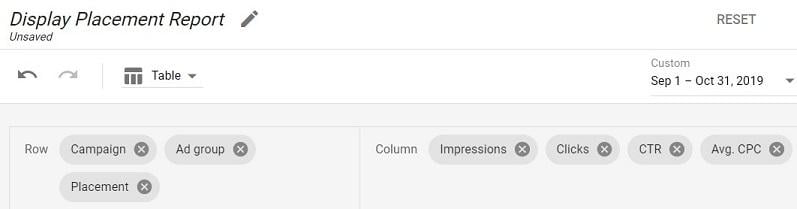
If you leverage the Report Editor to generate custom reports for yourself or your client, you now have supplementary data points to enhance any existing Display Network reports. Earlier, I highlighted managed placements for a reason. This feature exclusively displays metrics for managed placement targeting. While having data on auto-targeted placement information would be ideal, that functionality is not yet available. For now, you’ll need to utilize this new feature within the Report Editor solely for your managed placement reports. To assess the performance of auto-targeted placements, you can refer to the placement report at the campaign and ad group levels within the “Where ads showed” section.
4. Integrating the Power of Video Assets
My enthusiasm for incorporating video into marketing strategies is no secret. So, when Google Ads revealed (also in February of this year) that advertisers could enhance their responsive display ads with video, I was thrilled. Google itself states in its own study on video shopping statistics, “Over 60% of shoppers report that online videos have provided them with ideas or inspiration for their purchases.” Video excels at captivating user attention and fostering brand engagement, and we can now experiment with various video creative elements within our responsive display ads.
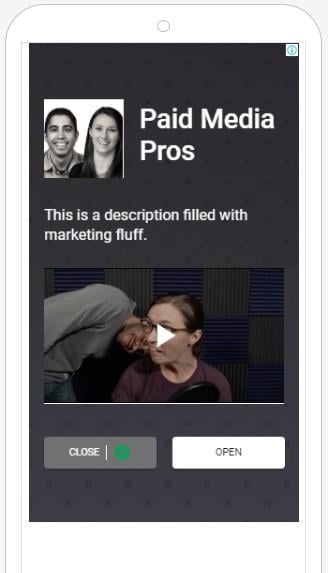
To clarify, you can’t just use any video. The video must be uploaded to YouTube. Whether you’re crafting a new ad or modifying an existing one, you can select up to five videos for testing within your responsive display ads. Subsequently, we can leverage the aforementioned combinations report to determine which videos resonate most effectively with your audience based on their display frequency. Lastly, it’s crucial to remember that when you incorporate video into your responsive display ad, it becomes exclusively eligible to appear on mobile devices. This limitation could be a drawback if your display campaigns aren’t segmented by device.
5. A Performance Boost with Parallel Tracking
While this feature is a more minor update, it’s still noteworthy. In May 2019, Google Ads activated parallel tracking for display campaigns. To illustrate the concept of parallel tracking, I’ll share this quote from Google’s help section on parallel tracking.
“Parallel tracking helps expedite the loading of your landing page, potentially reducing visit abandonment. This can lead to increased conversions and enhanced ad performance. Parallel tracking directs customers from your ad directly to your final URL while click measurement occurs in the background (without initially routing them through tracking URLs).” If you rely on a click measurement provider, it’s advisable to double-check the compatibility of your tracking templates with this new feature. By default, search, shopping, and, of course, display campaigns are already opted into this feature.
Anticipating New Display Features in 2020
While it might feel like the year is almost over, there’s still time for more, though we might not see any further display features until next year. I don’t have insider knowledge about upcoming releases, but it’s reasonable to expect more features geared toward responsive display ads, given Google’s emphasis on campaign types that leverage machine learning. It’s my hope that Google will continue to expand upon its reporting and analysis tools to assist advertisers in identifying the specific creative elements that truly drive performance. Google undoubtedly made significant strides in Display Network analysis in 2019, but there’s still substantial room for further development and enhancement of these features.