Countless small businesses launch marketing blogs daily. Companies of all sizes use them to connect with new prospects, retain sales-ready leads, and engage existing customers. By providing valuable content that caters to their interests and curiosities, a well-executed blog can attract and engage target audiences at various buying stages, empowering them to make informed decisions.
People, including business buyers, revisit and engage with valuable blogs, subscribing to their content or email updates. Conversely, poorly executed blogs that fail to satisfy information needs, entertain, or maintain quality quickly fade from memory.
This begs the questions: What constitutes a good blog? How can a small business create one? And how can you measure its effectiveness?
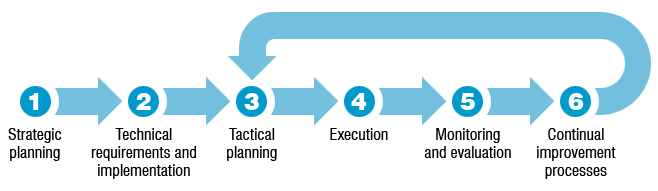
Let’s address these questions with our six-step approach to small business blogging:
- Strategic planning
- Technical requirements and implementation
- Tactical planning
- Execution
- Monitoring and evaluation
- Continual improvement processes
(Read Related: Small Business Online Advertising: Discover the Best Way to Effectively Advertise Online)
Strategic Planning For Small Business Blogs
Effective business blogs typically stem from comprehensive plans developed with individuals deeply familiar with the business’s overarching goals. While department managers possess valuable insights, strategic planning necessitates the involvement of key executives to establish a framework that aligns with high-level priorities.
To begin, a diverse team comprising staff from marketing, sales, finance, service, and product or front-line departments can initiate collaborative discussions encompassing:
- Situation analysis
- Analyzing the current market landscape and latest customer survey insights.
- Competitive review
- Identifying the strengths, weaknesses, and trends within competitor blogging strategies to glean inspiration, not replication.
- Buyer personas (creation or affirmation)
- Ensuring a firm understanding of the top three customer types and adapting them to align with the blog as a communication channel. If personas haven’t been established, prioritize their development.
- Detailed assessment of the prospective audience
- Identifying key themes and interests of the target audience based on buyer personas, analyzing how other blogs address these needs, and pinpointing unmet information gaps within the competitive landscape. Think outside the box.
- Objectives
- Defining the blog’s niche by aligning the information needs of the target audience with the brand’s positioning. If the blog serves as a conversion funnel, outlining the desired reader journey and how the blog can facilitate their decision-making process is crucial.
- Identifying relevant keywords and key phrases to target for a specific period, potentially incorporating local SEO strategies.
- Goals, including success metrics
- Establishing baseline goals that reflect industry trends and company performance, incorporating relevant metrics to track progress. Goals and metrics should be tailored to the specific company, market, and size.
Discussing budget and internal resource allocation with relevant department heads is advisable at this stage.
The above areas might require two to three group sessions lasting a couple of hours each. Start with a clear agenda, communicate it with participation expectations beforehand, and assign a note-taker to document discussions and whiteboard content. Sharing summaries and outlining outstanding tasks after each meeting ensures progress and transparency.
These meetings aim to facilitate productive discussions among stakeholders, leveraging diverse perspectives to inform the blog’s direction.
Upon solidifying the framework through stakeholder input, consider sharing news about the project with the broader employee base. Openly discussing an enterprise-level project like this can foster enthusiasm and unearth hidden talent within the company.
How to Start a Small Business Blog: Technical Requirements & Implementation
Resist the urge to launch a business blog under the radar or delegate its creation to an inexperienced individual. Such actions undermine the collaborative efforts invested in strategic planning, hindering communication and eroding trust.
Involving IT, the web team, and potentially Reporting, Compliance, or legal counsel, though seemingly time-consuming, is crucial. Before these meetings, familiarize yourself with common business blogging best practices.
Prepare to provide IT and web teams with a prioritized list of functional requirements. Engage in discussions about domain structure, anticipated admin users, access rights, analytics packages, and other technical aspects. Acknowledge your limitations, seek their expertise, and maintain a collaborative approach.
Once the technical groundwork is laid, establish a go-live date considering existing workloads. Work backward to set milestones for visual design, user accounts, contributor profiles, RSS feed setup, and other elements. A well-defined timeline with tasks and dependencies demonstrates preparedness and facilitates communication with management.
What to Blog About: Tactical Planning
With the strategy in place and technical and creative resources progressing, delve into the tactical aspects of business blogging:
Editorial focus
- Define the core message, desired reader perception, and intended cognitive impact of the blog. While distinct from strategic objectives, the editorial focus should ultimately support them.
Content development
 Developing engaging content consistently can feel daunting. However, investing time upfront to brainstorm broad topics and specific ideas will save you effort later. Consider various content types like guides, listicles, how-to articles, reviews, and interviews, determining the most valuable formats and publishing frequency for your audience.- Utilize mind mapping tools to explore related content pathways. Many find editorial calendars invaluable for charting content over time. Calendars can be highly detailed, including categories, links, word counts, comments, or provide a high-level overview depending on the level of contributor autonomy.
Guidelines and requirements
- Establish clear guidelines outlining blog objectives, editorial direction, quality standards, submission procedures, original content policy, and more. Supplement this with a separate requirements document covering style, tone, humor, prohibited topics, visual preferences, link usage, compliance mandates, and ideal post length.
Responsibilities and workflow
- Whether relying on in-house writers or external contributors, clearly define expectations and workflow to ensure alignment. Outline responsibilities for sourcing and attributing supporting media, budget allocation for resources, and compensation structures for external contributors.
- Treat the blog as a project aligned with business objectives, leveraging executive support to prioritize its completion. Consider implementing submission processes for titles and concepts to facilitate editorial review and streamline content production.
Running Your SMB Blog: Execution
With all the groundwork laid, launching the blog is a significant milestone. However, the real work begins in maintaining and optimizing its performance. Embrace organization, creativity, and resourcefulness during this phase.
- Blog post idea sourcing and curation
- Continuously scan the industry landscape for timely topics, emerging trends, news, influential figures, and other opportunities for content creation. Encourage subject matter experts within your company to contribute their insights. Keyword research remains crucial. While maintaining alignment with the blog’s editorial vision, explore creative angles and connections to diversify content and engage readers.
- Content curation, such as “best of the week” posts, can supplement original content, fill publishing gaps, and contribute to the social media ecosystem while building an audience.
- Blog promotion
- Promote your blog consistently to maximize its reach. While some posts may naturally garner traffic and comments, others require a strategic push. Sharing content through corporate social media accounts and encouraging employee advocacy can significantly amplify your reach. Avoid mandating employee promotion to maintain authenticity.
- Merchandising
- Maximize your content’s value by repurposing it. Combine blog posts on a central theme into opinion pieces, SlideShare presentations, or Pinterest boards. Transform proprietary data into press releases, infographics, and other shareable formats.

How to Maintain a Blog: Monitoring And Evaluation
Refer back to the metrics and key performance indicators established during strategic planning to evaluate the blog’s performance against business objectives. At regular intervals (3, 6, 9, and 12 months), analyze trends and assess the effectiveness of your strategies. Consider consulting with a reputable expert for a comprehensive blog health assessment and recommendations if needed.
Ongoing SMB Blog Management: Continual Improvement Processes
Rarely is any new process perfect from the start. Embrace a “fall back and regroup” mentality, allowing the team to celebrate initial successes while committing to long-term improvement. Schedule debriefing sessions to gather feedback and identify areas for optimization.
Address technical glitches, refine editorial direction, streamline workflows, and incorporate insights from team meetings or surveys to make your good blog exceptional.
How does this guide resonate with you as a business blog manager or contributor? What additional considerations or blogging tips would you offer? Share your small business blogging successes in the comments below – we’re here to help you excel!

As Principal of Insights & Ingenuity, Heather Rast helps brands earn customer preference. Specializing in digital channels, Heather’s firm provides brand-building positioning and content strategies to B2C and B2B companies. She’s a contributing author to Social Media Explorer, Content Marketing Institute, Shareaholic, MarketingProfs, and other media outlets. Find Heather on Twitter as @heatherrast or circle her up on G+ at gplus.to/heatherrast.