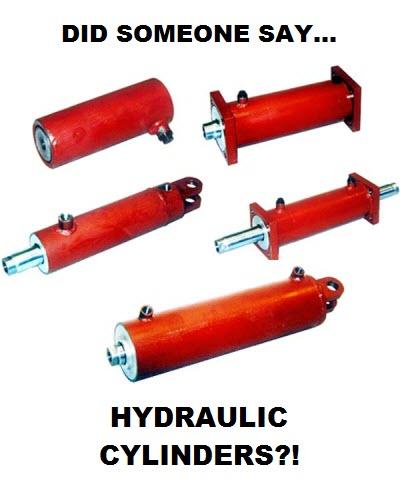
In a nutshell, what connects ground-penetrating radar, hydraulic tie-rod cylinders, and independent PPC software platforms? The answer is straightforward: they all fall under the category of B2B (business-to-business) products effectively marketed through PPC advertising. PPC empowers B2B companies to swiftly and efficiently attract potential customers. It’s like your desired audience is waving their hand, expressing interest in your offerings by entering specific search terms on search engines like Google or Bing. The beauty is, they’re looking for you – no more spending countless hours at trade shows, pitching to anyone within earshot. This proactive approach is what defines PPC as inbound marketing, a far cry from the often-chaotic environment of a trade show. In my book, PPC wins hands down. It’s also potentially much more budget-friendly. This guide will explore the unique traits of the B2B market and their relevance in PPC campaigns. We’ll then delve into practical PPC strategies to supercharge your own B2B paid-search initiatives. To illustrate these points, I’ll be drawing from my personal experiences with ground-penetrating radar, hydraulic cylinders, and software.
(A quick disclaimer: since PPC is a blend of science and art, some of the examples I’ll be using might have exceptions.)
Key B2B Market Characteristics for PPC Success
Seasoned B2B professionals understand their audience is smaller compared to the vast B2C market. Their focus is on businesses, not the general public. Consequently, keyword search volumes tend to be lower in the B2B realm compared to B2C. To illustrate, “shoes” will garner more daily searches (likely even hourly) than “ground-penetrating radar” would in a year. This highlights that B2B targets a specific niche within the larger population—essentially, it’s market segmentation applied multiple times within market segmentation.

Your B2B customer might be anyone from various departments within a company. From end-users and CEOs to IT personnel and accountants, your PPC campaigns (encompassing keywords, ad content, landing pages, etc.) need to resonate with this diverse audience. B2B buyers are also known for their thorough comparison shopping, especially for significant investments, long-term commitments, or potential ongoing partnerships. Unlike B2C’s focus on “hot deals” to drive instant purchases, B2B requires a more comprehensive approach. Providing ample buyer-centric information like case studies and white papers is crucial in your PPC campaigns. Lastly, the B2B sales cycle is typically longer, often spanning three to six months or even more. Therefore, the return on your PPC investment might not be immediate. Reassure your boss that PPC is about playing the long game.
Winning PPC Strategies for B2B
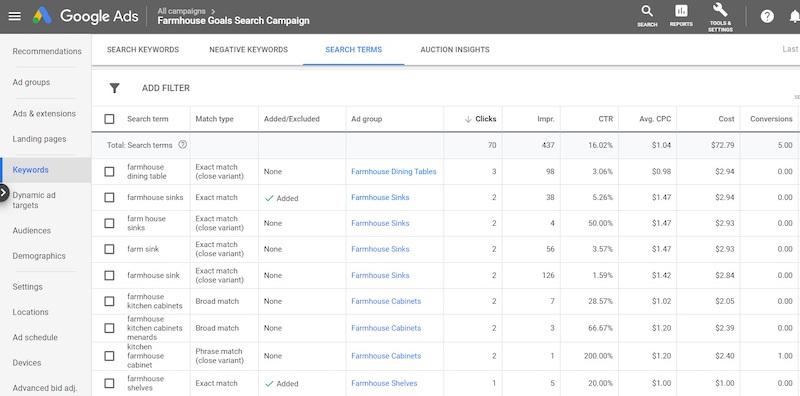
Fundamentally, a B2B PPC campaign shares similarities with its B2C counterpart. You’ll still work with campaigns, ad groups, keywords, and the like. The key difference lies in aligning these elements with the distinct characteristics of the B2B market. 1. Thorough Research is Key Ground-penetrating radar and hydraulic tie-rod cylinders—these aren’t just random examples but represent real clients I’ve had the opportunity to collaborate with. Chances are, your initial reaction mirrored mine: “What in the world?”. These examples, like many situations in the B2B PPC landscape, underscore the importance of thorough research. Even if you have a grasp of your market, navigating the PPC world is a different ballgame, rife with potential missteps. Take my client in the hydraulic cylinder industry. My research revealed two distinct types: tie-rod cylinders and welded-body cylinders. My client specialized in tie-rod cylinders, but a glance at his existing campaign (active for several months, with thousands of dollars spent) showed he was attracting clicks for welded cylinders too. Skipping the research would have led me to assume “a hydraulic cylinder is just that,” resulting in continued wasted ad spend. Instead, I proactively added “welded” as a negative keyword and explicitly mentioned “tie-rod cylinders” in the ad text. This effectively filtered out irrelevant searches and saved my client unnecessary expenses. Lesson learned: Even with a solid understanding of your market, remember that search engines like Google and Bing don’t share the same level of expertise. They cast a wide net, attempting to match your business with as many keywords as possible. Regularly monitoring your search query report is non-negotiable.
Research requires a time investment. If you’re looking for ways to structure your approach, an article I wrote last year might offer helpful tips on researching a new client. 2. Keywords: Speak Your Customer’s Language With a clear understanding of your market and target audience (you’ve done your homework, right?), it’s time to tackle the keywords themselves. The fundamentals of keyword research and match type strategies remain consistent across both B2B and B2C. However, B2B often presents a unique characteristic: the frequent use of acronyms in searches. For instance, “GPR” (the acronym) sees four times the search volume compared to “ground penetrating radar.” Identifying the language your customers use is paramount. Moreover, B2B frequently involves part and model numbers that are popular search terms and contribute significantly to sales. Returning to the tie-rod example, a business might search for a specific model number like “TX-2500 cylinder.” This proves incredibly useful when bidding on precise search terms and crafting compelling ads. Consider incorporating the specific applications of your B2B product or service during your research. Adding target industries like “construction” or “farming” helps unearth valuable long-tail keywords such as “GPR for construction” or “farming hydraulic tie-rods.” Just like in B2C, bidding strategies and cost-per-click (CPC) can vary significantly. However, B2B generally allows for more flexibility in bidding, especially for high-value products and services. Put simply, B2B often enjoys healthier profit margins, making a slight increase in CPC less impactful. Remember to step into the shoes of your target company. Their vocabulary includes terms like “vendor” and “supplier.” Be sure to explore these keywords, along with “companies,” “providers,” and “tools,” when creating keyword combinations. Examples include “PPC software vendors” or “GPR suppliers.” As in B2C, negative keywords in B2B usually consist of terms like “reviews,” “jobs,” and “free.” 3. Campaigns & Ad Groups: A Structured Approach Given the research-intensive nature of B2B, organizing keywords into campaigns and ad groups that reflect the different stages of the purchase funnel—and applying the same logic to landing pages—can be highly beneficial. A typical funnel starts with research at the top, progresses to consideration, and culminates in a commitment (purchase) decision.
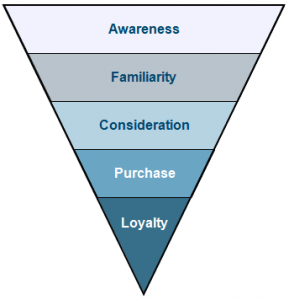
Structure your campaigns and ad groups by mapping them to each stage of this funnel. You might end up with research-focused campaigns/ad groups, consideration-focused campaigns/ad groups, and conversion-focused campaigns/ad groups. The advantages of this approach are undeniable: You’ll instantly recognize that campaigns/ad groups containing “vendor” are attracting prospects in the initial research phase. Knowing this, your ad copy can strategically highlight recent awards or enticing white papers. Over time, you’ll gain valuable insights into your ROI at each stage of the purchasing process, enabling you to allocate your budget effectively. 4. Ad Copy: Tailoring Your Message While best practices still hold true, crafting ad copy for B2B differs significantly from B2C. The presence of multiple stakeholders and varying purchase stages requires careful consideration of appropriate calls-to-action (CTAs) and offers.

In the B2B world, CTAs like “buy now” or “order today” are seldom used. Instead, you’re more likely to encounter phrases like “get more information,” “contact us today,” or “download our free white paper.” This is because B2B buyers require time to make decisions (remember the longer sales cycle), might just be in the exploration phase, and often can’t make immediate purchases due to internal processes or significant price considerations. Unlike B2C’s “Add to Cart” approach, B2B buyers often prefer direct engagement with a company representative. Of course, exceptions exist, depending on the product or service being offered. If you’re unsure about your typical buyer persona (CEO, accountant, marketer?), create targeted ads for each group and analyze their performance. Experiment with phrases like “cost-effective,” “easy to use,” “easy to integrate,” “ranked best in class,” and see what resonates best. Additional tips for effective ad copy:
- Be specific: You don’t just sell hydraulic cylinders; you specialize in hydraulic tie-rod cylinders.
- Prequalify customers with your ad copy: Mention price points to deter those seeking bargain-basement solutions. For example, “Starting at $500 per month…” quickly filters out prospects who fall outside your pricing bracket.
- Address pain points: Buyers seek reliable, long-term suppliers. Craft your copy to directly address their challenges in a clear, compelling manner. Demonstrate empathy, present your solution, and guide them seamlessly through the purchasing journey.
- Leverage social proof: Showcase your positive Google reviews in your sitelinks. If you haven’t set this up, get started as soon as possible.
- Highlight credibility: Incorporate phrases like “top-rated,” “award-winning,” and “voted best-in-class” whenever possible.
- Emphasize ease of doing business: Highlight convenient features like GSA (government) pricing, acceptance of POs (purchase orders), or flexible financing options in your ads.
- Position yourself as a trusted resource: Use sitelinks to offer valuable resources such as white papers, e-books, case studies, downloadable forms, financing calculators – anything that caters to the research phase. 5. Measurement: The Long Game Given the extended sales cycle, diligently tracking website visitors through tools like Google Analytics or other analytics platforms is crucial. During that three-to six-month (or longer) period, expect your prospects to return to your site multiple times seeking additional information. Ensure your website content is regularly updated to cater to their evolving needs. You can also explore remarketing strategies to stay top-of-mind throughout their decision-making process. The key takeaway: a click today might not convert into a sale for another 180 days or more – patience is your ally in B2B.
In Conclusion
As you’ve gathered, B2B PPC demands a long-term perspective, especially compared to the faster-paced world of B2C. However, it remains a highly effective strategy to connect with new prospects and elevate your B2B presence—all without the hassles of trade shows.