Though it’s common to overlook headsets, they are crucial for remote workers who spend hours on video conferences, screen sharing sessions, and other tasks requiring audio hardware.
Despite the Toptal blog’s focus on technical content, we also address the needs of our large, distributed community. We’ve noticed frequent discussions about hardware, particularly headsets. That’s why we’ve gathered community suggestions and analyzed industry trends to guide our members in selecting the right tools.
While not professional hardware reviewers, we offer practical advice based on community feedback.
Five Don’ts for Professional Voice Calls
Let’s start with the basics of what not to do on voice calls, focusing solely on hardware, not etiquette.
- Avoid relying on stock hardware.
- Don’t buy the cheapest hardware; good quality is accessible to developers.
- Consider your environment.
- Avoid unreliable, low-cost wireless options.
- Don’t settle for mediocre audio quality.
Even with a new laptop or smartphone, don’t rely on their built-in audio for professional calls. The existence of a thriving aftermarket audio industry highlights the inadequacy of stock hardware. Laptop microphones, while functional, often pick up excessive background noise. The drawbacks of integrated microphones are self-evident in a tech-savvy audience. Similarly, while smartphone headsets can be useful in a pinch, their short cords often lead to ergonomic issues.

While a cheap headset with a long cable might seem tempting, remember that the disappointment of poor quality outweighs the initial savings. Headsets are relatively affordable, so there’s no need to compromise.
What if you have excellent hardware but still receive complaints about call quality? The issue might be your environment—noise, echoes, or even wind if you work outdoors.
Wireless headsets seem ideal for home offices, allowing for multitasking and freedom of movement. However, many, especially cheaper ones, can be unreliable. Battery life is another concern; wired headsets, or at least a wired backup, are recommended for frequent, lengthy calls.
Good hardware in a suitable environment should result in decent audio quality. But is decent enough? For regular client communication, recurring audio issues appear unprofessional. Aim for consistent clarity.
Identifying Your Needs
There’s no universal headset solution, or this article would be much shorter. Everyone has unique needs and work styles. Ask yourself:
- Do you primarily work from a home office?
- How often do you travel and work remotely?
- Do you work outdoors or in public spaces?
- How often do you participate in voice or conference calls?
- What’s your daily and weekly call duration?
- Will you use the headset with multiple devices?
- Do you need to interact with colleagues while on calls?
- Do you need a binaural (two-ear) or monaural (one-ear) headset?
If you mostly work from a home office, you likely won’t need expensive, specialized hardware. You control the environment, use consistent equipment, and likely have minimal background noise. Noise cancellation and other advanced features might be unnecessary.
However, digital nomads or frequent travelers need portable, compact headsets, perhaps earbuds. Multi-device compatibility is crucial, especially for Bluetooth headsets.

For those who work on the go, robust headsets are essential. Look for noise cancellation and a microphone resistant to wind noise. Active noise cancellation, while compact, can be pricey. Passive noise cancellation, while bulkier, offers consistent performance at a lower cost.
Call frequency and duration are key factors. For occasional calls, ergonomics and battery life might be less critical. However, for frequent, lengthy calls, prioritize comfort and consider wired headsets over wireless ones.
If using a Bluetooth headset across multiple devices, consider battery life and the ease of pairing/unpairing for quick call handling.
Sharing an office presents further considerations. For conference calls with the entire team, a basic conference room setup might be necessary. If only occasional input from colleagues is needed, a monaural or bone conduction headset might suffice. Bone conduction is an alternative for those who dislike earbuds or bulky headphones.
Ergonomics Matter
For those spending several hours per week on calls, ergonomics are crucial. Headsets come in various configurations; find what suits you best, considering factors like whether you wear glasses or your hairstyle.
Start by deciding between monaural and binaural headsets. Binaural offers better noise isolation but monaural is lighter and more compact.
If size and weight are paramount, consider over-ear headsets or in-ear earbuds. While popular for their size and affordability, earbuds often have short cords, designed for phones, potentially affecting posture when used with computers.

Large, over-ear headsets with boom microphones offer an immersive experience, favored by gamers. They are suitable for professional use if you can tolerate the headband and earcups. Smaller, more compact over-ear models are often not worth the compromise; earbuds might be a better choice. Behind-the-neck headsets offer a compromise between earbuds and traditional over-ear designs.
An alternative is bone conduction headsets, which transmit sound through vibrations on the cheekbones. While not for everyone, this technology, commonly used in tactical helmets, is finding its way into consumer products. These headsets are usually wireless, behind-the-neck designs suitable for active individuals who need environmental awareness.
Wireless headsets, free from tangled cords, offer excellent ergonomics. Modern Bluetooth 4.0 headsets are compact and energy-efficient. However, for extended call durations, battery life remains a concern, making wired options potentially more practical.
Toptal’s Headset Recommendations
What headsets do Toptalers prefer? Our network includes numerous audiophiles, with a preference for brands like AKG and Sennheiser.
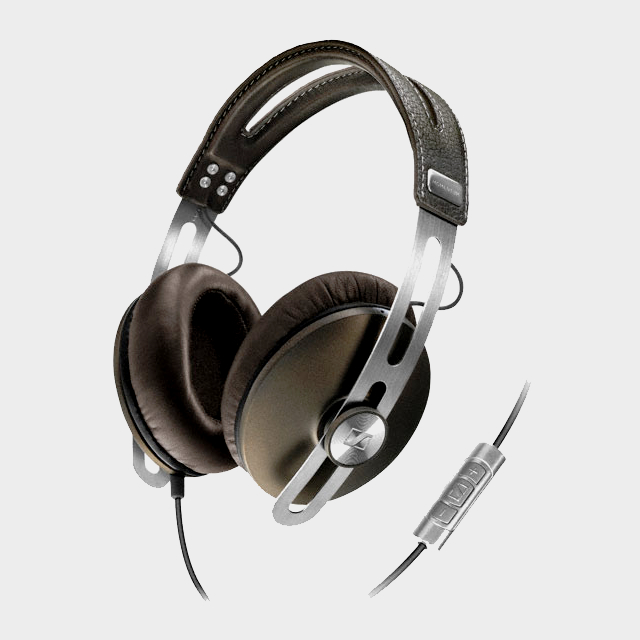
Several use Sennheiser’s flagship Momentum headsets, while others favor the classic AKG K545. V-Moda headphones have also gained popularity. These high-end models offer exceptional audio but are bulky and expensive.
For budget-conscious users, mainstream brands like Logitech, Jabra, Plantronics, and Philips offer excellent value. Many, including Sennheiser, Jabra, and Plantronics, have dedicated lines for call centers and professional communication.
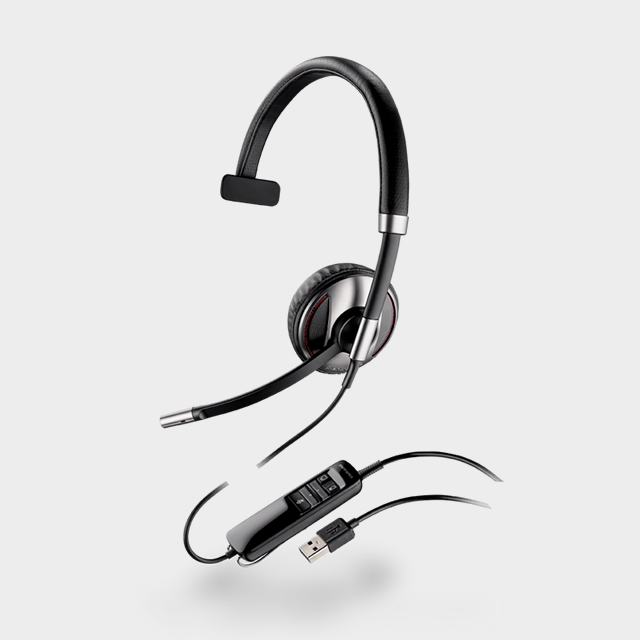
Professional call center headsets typically feature noise-canceling boom mics and ergonomic designs for prolonged use. Many offer dual connectivity, enabling easy switching between USB and Bluetooth connections. While high-end models can be expensive, exceeding $200, quality options are available around $100. Look for deals and share them with your colleagues.
Can gaming headsets double as voice call headsets? It depends on usage frequency. Gaming headsets often offer good sound quality but their bulkiness might be unsuitable for extended calls. Their focus is on immersive audio for gaming, not microphone clarity.
However, high-end gaming headsets from reputable brands like Logitech, Sennheiser, Razer, and SteelSeries can suffice for professional use.
Standard smartphone headsets, though convenient, have drawbacks. Their short cords are uncomfortable for extended use and can affect posture. Short cords also get in the way, while the remote-mounted microphones are prone to rustling against clothing and offer subpar audio quality.
Wireless Options: A Caveat
Wireless solutions are tempting. However, battery life limitations make consumer-grade Bluetooth earbuds unsuitable for extended professional use.
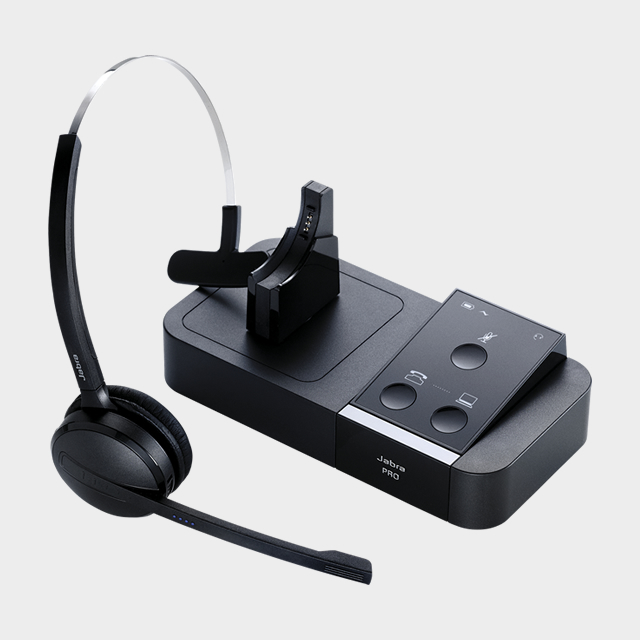
They are fine for occasional calls on the go but cannot replace dedicated solutions. Professional Bluetooth headsets, both monaural and binaural, offer superior battery life, noise cancellation, and microphone quality. However, they come at a higher cost and are less versatile for activities like jogging.
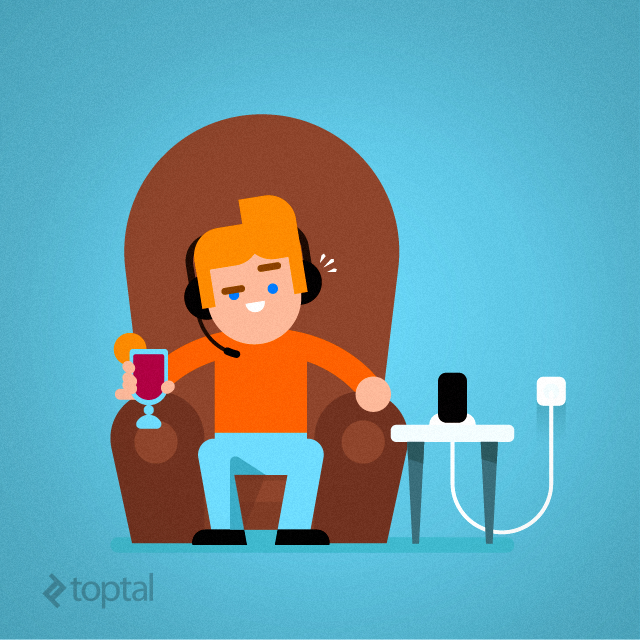
Despite battery limitations, Bluetooth headsets are becoming ubiquitous. If using consumer Bluetooth headsets for work, especially while traveling, carry a power bank to avoid missing calls. Professional Bluetooth headsets generally have better battery life but caution is still advised, especially as batteries degrade over time. For heavy users, professional models with robust batteries are recommended.
Bluetooth speakers, though not professional equipment, can be handy for impromptu team calls. However, they are unsuitable for client communication.
Prioritizing Professionalism
Choosing a quality voice call headset is straightforward: avoid extremely cheap options and invest in a decent one. This is an investment in professional equipment, not disposable headphones. The price difference between a $20 and a $100 headset is insignificant compared to the impact on your professional image.
Key takeaways:
- Avoid extremely cheap devices.
- “Good enough” isn’t sufficient for client calls.
- Choose a headset that meets your specific needs.
- Balance functionality with professional requirements.
- Prioritize clear, professional communication.
- Always have a backup option available.
Headsets, though often neglected, deserve attention, especially for professionals who spend significant time on calls. They are an investment in clear, professional communication.
Remember, even the best hardware can’t replace proper etiquette and communication skills. These are essential for any client interaction.
Project a professional image through your work, your communication, and your audio quality.