In the world of marketing, our goal is to get as many people as possible to see our products and services. We’re always looking for ways to increase reach, engagement, and any advantage we can get to spread the word. In recent years, marketers have focused on “eliminating friction” to make things convenient and accessible for consumers. This has led to things like one-click checkouts, which bypass the traditional checkout process and make buying easier than ever.
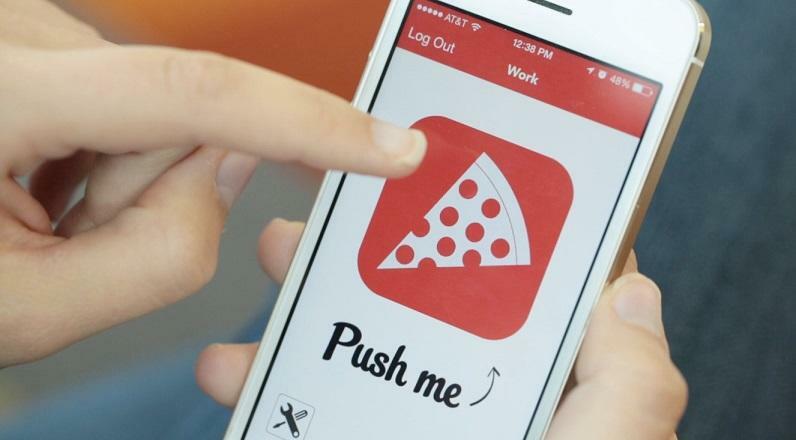
The infamous Push For Pizza app gave users a single button to order…pizza. But what if we challenge that approach? What if we make our product hard to find, limit its availability, or even intentionally create obstacles? That’s what we’ll explore in this article.
Understanding Scarcity Marketing
Scarcity marketing is about intentionally limiting the supply of a product. This could mean offering it for a limited time, producing a small quantity, or both. The idea is simple: people want what they can’t have, and they enjoy showing off exclusive items. Scarcity marketing taps into this desire, creating demand through intrigue and allure. It’s a powerful way to ensure products sell out quickly and generate the excitement every brand desires. Now that we understand scarcity marketing, let’s look at how businesses across different sectors have used it effectively.
Scarcity in Food & Beverage
Seasonal items are a classic example of scarcity marketing. Think of McDonald’s Shamrock Shake or Starbucks’ wildly popular Pumpkin Spice Latte (PSL!). These limited-time offerings draw in even occasional customers. However, some companies take scarcity further, driving up both demand and consumer frustration. Here are three examples:
1. The Allure of Pappy Van Winkle
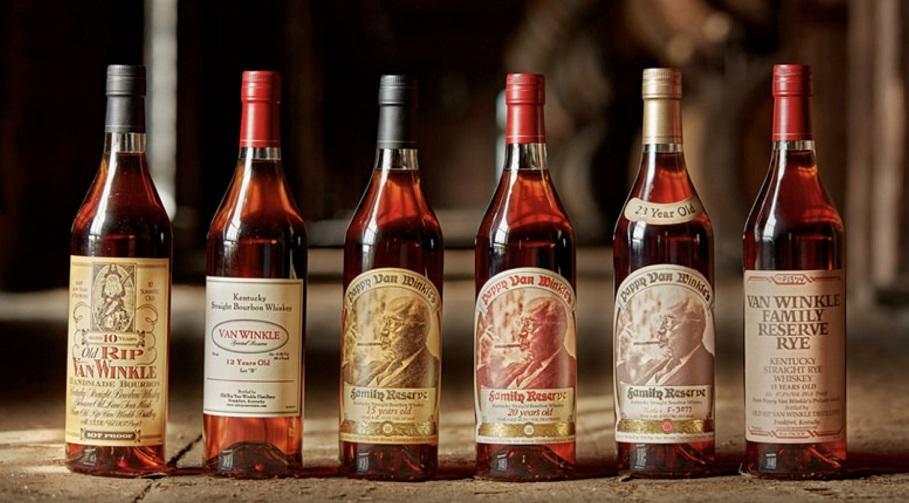
I used to work at a bar where we drank this stuff like it was nothing. We had no idea what we had! Pappy Van Winkle is a whiskey lover’s dream. Released in limited batches, this bourbon is one of the most sought-after spirits globally. With an annual production of only 7,000 cases, whiskey enthusiasts are willing to pay hundreds of dollars a bottle for a taste, if they’re fortunate enough to find a bottle. The limited supply means liquor stores often resort to auctions for their few bottles. Some states, like Idaho, even hold annual lotteries to ensure a fair distribution of their scarce Pappy Van Winkle allocation.
2. The Mystery of Goodnight Fatty and Back Alley Bacon

You better have the password and exact change if you want this guy to serve you. Goodnight Fatty and Back Alley Bacon in Salem, Massachusetts, use scarcity marketing in a way that evokes the secrecy of speakeasies. These establishments operate with limited hours, and the menu is a delightful surprise. Back Alley Bacon serves up its secret, delicious bites from an unmarked location. The chef, known only as “Chef Jon Hamm” (no relation to the actor), wears a pig mask. Customers need a password and the exact change, both revealed on the Back Alley Bacon Facebook page. The catch? They have no idea what’s on the menu, adding an element of mystery. As Don Donato, owner of North Shore food marketing agency Octocog, shared, “what really helped launch Back Alley Bacon wasn’t just the scarcity of the product, but also the scarcity of information.”
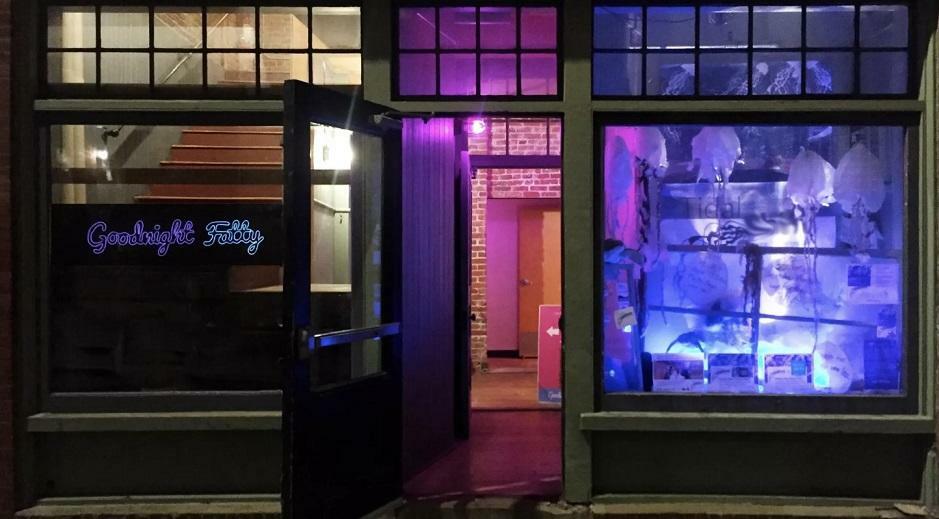
Advertising for Goodnight Fatty is limited to a blinking sign in a secluded back alley. Goodnight Fatty offers cookies, or “fatties” as they call them. The menu is a “top secret,” with three different cookie varieties baked each week (insider tip: go for the bottomless milk). Their scarcity strategy has been successful: Goodnight Fatty has gone from occasional pop-ups to a permanent location, showing how powerful limited availability can be.
3. The Return of McDonald’s Szechuan Sauce
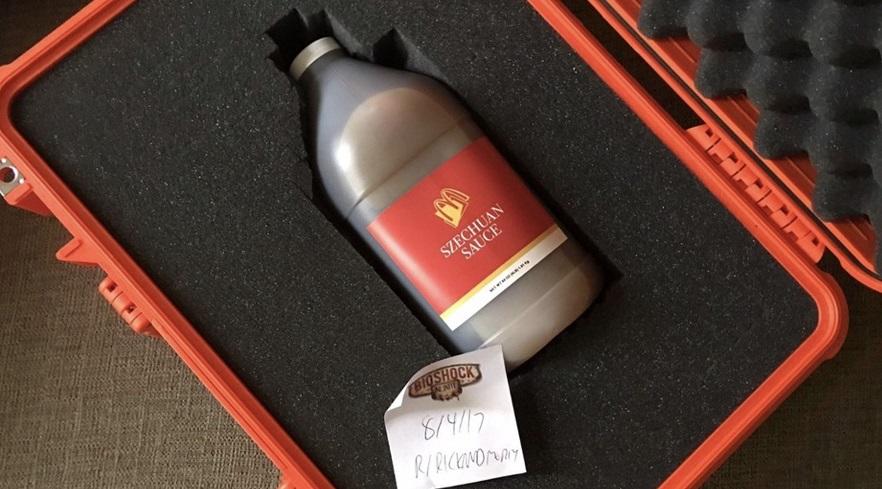
“I want that Mulan McNugget sauce, Morty!” — Rick Sanchez In 1998, McDonald’s released Szechuan sauce for a limited time to promote Disney’s Mulan. After the film’s promotion ended, the sauce was discontinued and forgotten by most…until the animated series “Rick and Morty” featured it. Online discussions about the sauce exploded, and McDonald’s capitalized on the renewed interest. They brought it back for one day only, in extremely limited quantities. Fans and food enthusiasts waited in lines for hours—some even spotted a chance to resell it online for hundreds of dollars.
Scarcity in the World of Apparel & Design
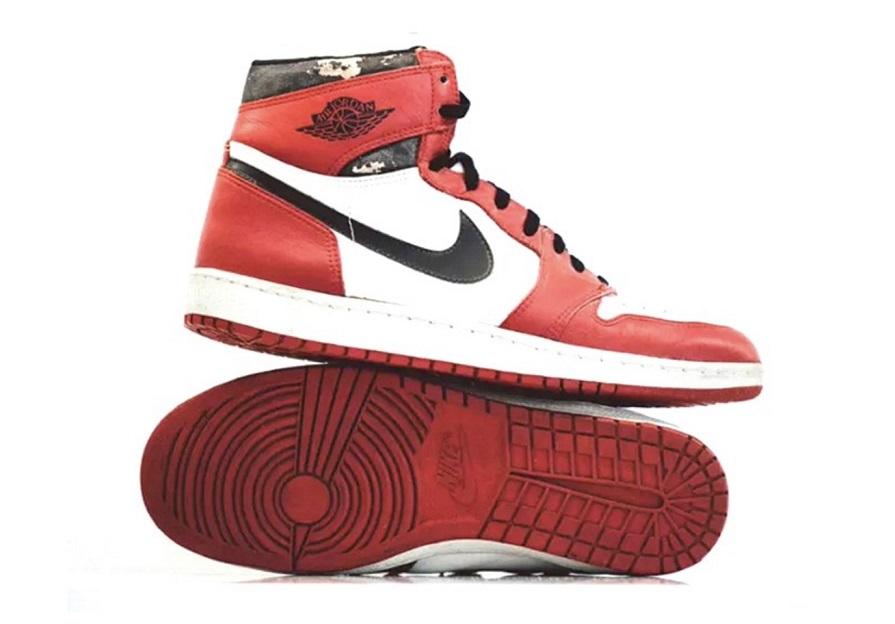
The footwear that started it all.
Clothing and apparel brands benefit from instant recognition. Brands like Nike and Ralph Lauren are so well-known that their logos alone are enough. Everyone sees them and knows what they represent. Apparel marketers understand the value consumers place on their wardrobes and use this to their advantage. Take the iconic Air Jordans, famous for their “limited drops.” These releases, with their limited quantities, create immense desirability among sneakerheads worldwide. Humans are hardwired to collect resources; it was essential for survival in the past. Those with the most food or best tools had a better chance of survival. Today, marketers tap into our innate desire to collect and stockpile. Brady Sadler, author of Collaboration is King, explains, “The term ‘collect’ itself plays on scarcity. Using this word suggests high demand, value, repeat purchases, and positions the purchase as something special. It legitimizes the consumer’s desire to possess something and frames it as a productive outlet.” Here are three brands that have mastered the art of turning products into collectible items through scarcity:
1. Mondo: The Art of Limited Edition Posters
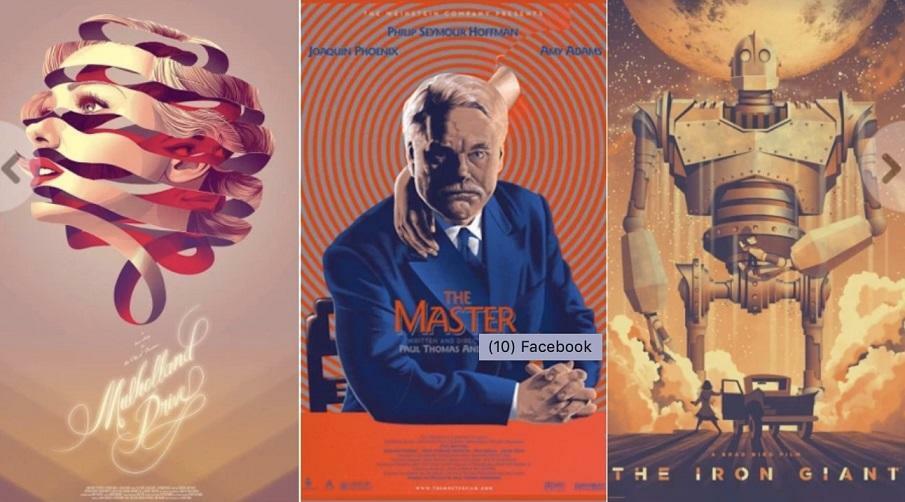
Building a Mondo movie poster collection is an expensive hobby. Mondo collaborates with artists to create unique T-shirt and movie poster designs, primarily focusing on cult classic films like “Jaws” and “The Shining.” Their posters are incredibly popular and sell out almost instantly online. To make things even more exciting, Mondo announces its limited edition releases on its Twitter account, driving a surge of traffic to its website.
2. Supreme: The Power of Hype and Exclusivity
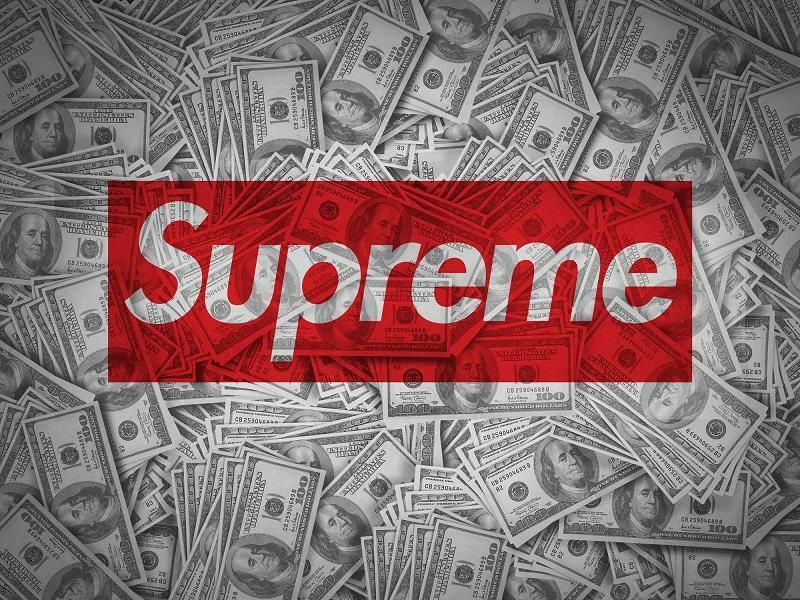
Limited availability = widespread appeal. You’ve likely seen the red and white Supreme logo on a sweatshirt (or the back of JR Smith’s leg). Its popularity has skyrocketed in recent years thanks to devoted fans and a dedicated following. With only 11 stores worldwide, Supreme utilizes “limited drops” and remains fiercely popular amongst celebrities—a recipe for scarcity marketing success.
3. Bape: Cultivating Exclusivity in Streetwear
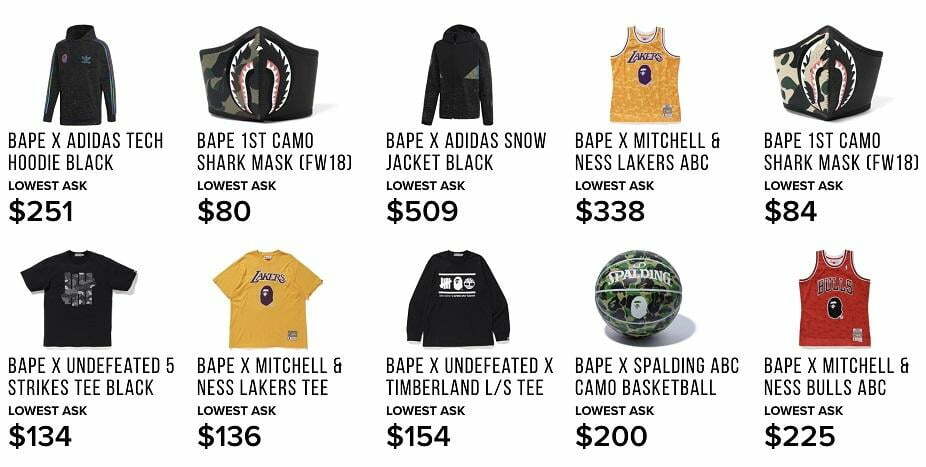
It’s definitely a reseller’s market. Bape, short for A Bathing Ape, is a Japanese streetwear company that leverages collaborations and limited releases to maintain its exclusive image. Much like Supreme, fans are eager to get their hands on Bape clothing, and there’s a thriving resell it online for a pretty penny.
Scarcity in Entertainment & Tech
Exclusivity is just another term for scarcity. Dr. Dimitrios Tsivrikos, a consumer psychologist at University College London, notes, “We collect items and resources to survive, but survival is not just about our physical needs. Psychologically, we need to distinguish ourselves.” Offering exclusive products or experiences caters to this inherent desire to stand out. From collector’s editions of Beatles albums to a solid gold iPhone, the entertainment and tech sectors have found countless ways to entice consumers using scarcity. Here are three examples:
1. Wu Tang Clan’s Once Upon a Time in Shaolin: A Unique Musical Statement

Remember when U2 released their album on everyone’s iPhone? This is the exact opposite. Wu Tang Clan, despite their legendary status in the world of hip-hop, had somewhat faded from mainstream attention as newer artists emerged. In a brilliant PR move, they recorded an album called Once Upon a Time in Shaolin and released just one copy, sparking a bidding war among auction houses. Brady Sadler (Collaboration is King) points out that it wasn’t just about the money. “The album became the most expensive ever sold, reportedly for $2 million,” he says. “But the PR and media coverage it generated surpassed anything the group had achieved in years.” To further cement its legacy, the album will finally see a wider release in 2103.
2. OnePlus: Building Hype with Invites
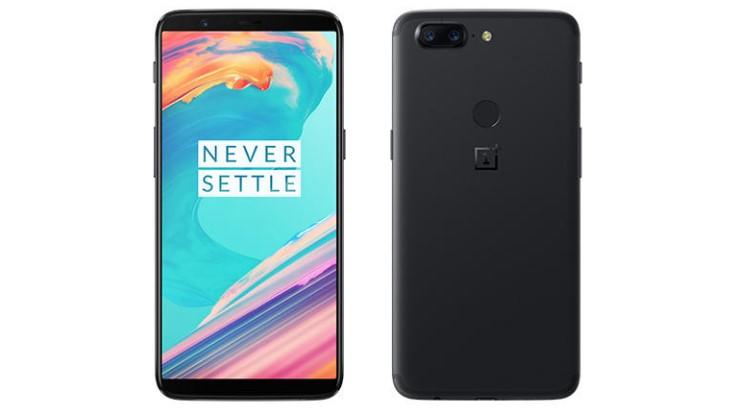
“The best smartphone you’ve never heard of.” — Business Insider OnePlus, now a popular smartphone brand, owes its rise to a clever, invite-only marketing strategy. This approach not only allowed them to manage demand but also created a sense of exclusivity and excitement. Once OnePlus established itself as a top contender, it discontinued the invite system and made its products available to everyone.
3. Gmail: From Exclusive to Ubiquitous
Once a coveted symbol for tech insiders, an @gmail.com email address is now commonplace. Finally, let’s consider a service many of us use daily. While now widely accessible, Gmail started as an invite-only platform. This exclusivity generated considerable buzz and served as a testing ground for the email service.
Implementing Scarcity Marketing for Your Business
These examples showcase how businesses have successfully implemented scarcity marketing. However, it’s important to remember that scarcity marketing doesn’t require large-scale execution to be effective. As you’ve seen, this strategy can work across industries. The key takeaway is that we all desire what we can’t easily obtain—whether it’s a secret meal served in an alley, a rare bottle of whiskey, a pair of limited-edition shoes, or even an exclusive email address. Consider tapping into this desire in your next marketing campaign—you might be surprised by the results.