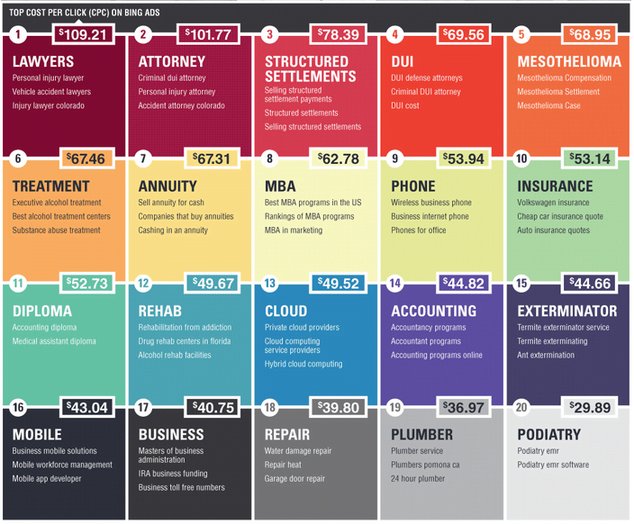
Paid search advertising is a fantastic marketing channel, but it comes with certain hurdles. As data from Bing demonstrates, cost-per-click (CPC) can skyrocket in fiercely competitive sectors like law and finance, sometimes exceeding $100 per click:
Google Ads reveals a similar trend. Conversion rates have also stagnated at around 2.5% for the past 15 years across all industries. Furthermore, desktop search volume is peaked in 2013 as more users shift to mobile devices.
Marketers constantly seek ways to maximize returns while minimizing expenses. The question arises: how can we achieve profitability when CPCs are high, conversion rates remain static, and search inventory is limited?
Remarketing lists for search ads (RLSA) offer a potential solution by enabling tailored campaigns based on user interaction with your website or app. Let’s examine if RLSA lives up to its promise.
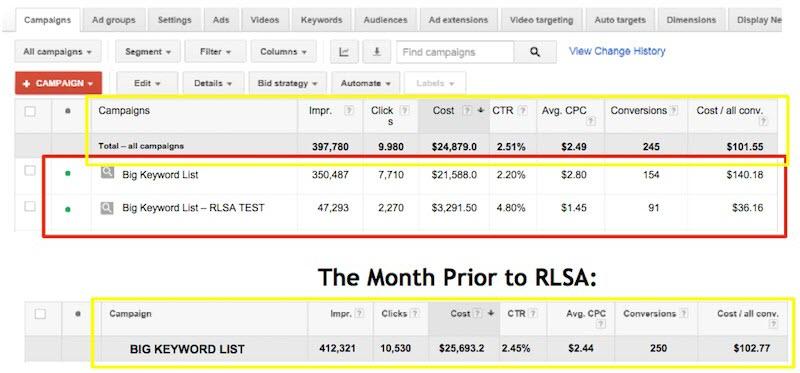
Analyzing campaigns with identical keywords, we observe that the RLSA campaign targeting existing site visitors yields a cost-per-conversion three times lower ($36 vs. $100) compared to the campaign targeting new visitors. This discrepancy stems from the familiarity and trust established with prior website visitors.
The RLSA campaign also boasts double the click-through rate (4.8% vs. 2.2%) and nearly half the average CPC ($1.45 vs. $2.80) due to higher Quality Scores resulting from improved CTR. This data highlights the effectiveness of targeting a warmer audience.

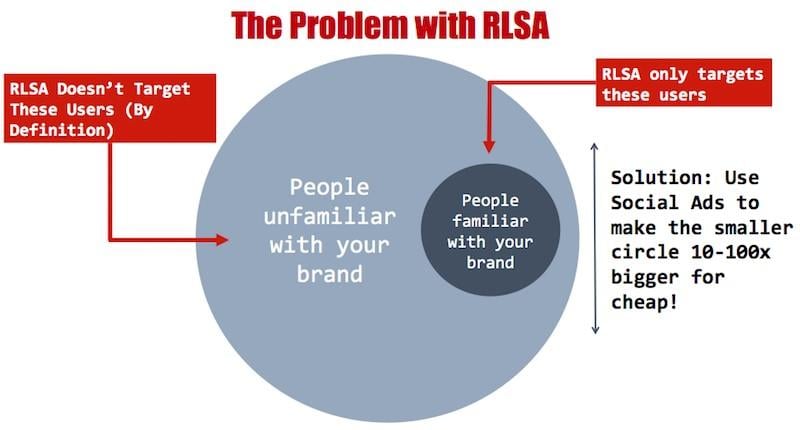
However, despite its advantages, RLSA has a significant drawback: it diminishes volume by focusing solely on a small segment of returning visitors. Consequently, while RLSA might appear to generate cheaper conversions, it achieves this by isolating a fraction of conversions that were already occurring within existing campaigns.

This segmentation, while potentially beneficial for limited budgets, ultimately hinders overall growth. Instead of solely focusing on cost savings, marketers should strive for both increased volume and reduced expenses. So, what is the best course of action?
While not universally applicable, a radical solution for businesses operating in competitive, high-CPC verticals with limited budgets is to prioritize RLSA and abandon generic, non-branded search ads altogether.
This strategy hinges on leveraging social media advertising to substantially expand the reach of your cookie pools, ideally by a factor of 10 to 100. This amplified reach will directly translate into a proportional increase in conversions.
Fortunately, numerous resources and strategies exist to optimize social media advertising efforts and expand your audience base. Consider these examples:
- The Top 10 Paid Social Media Hacks of All Time
- The Top 10 Social Media Advertising Hacks of All Time
- The Ridiculously Smart Guide to Buying Legit Twitter Followers
- 3 Mind-Blowing Hacks to Leverage PPC for Facebook Ads
- The Ridiculously Awesome Guide to Facebook Remarketing
One highly effective tactic involves promoting high-engagement content (unicorns). These pieces attract significant traffic with minimal ad spend, effectively expanding your cookie pool.
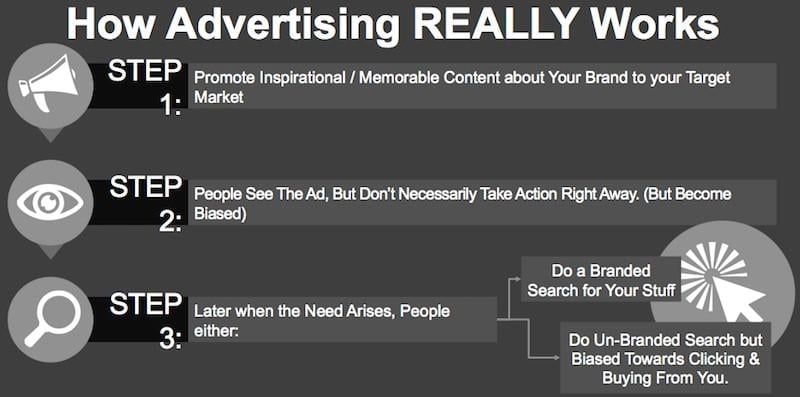
The effectiveness of RLSA is rooted in brand familiarity. Users exposed to your brand through previous interactions are more likely to click on your ads and convert, regardless of whether their subsequent searches are branded or unbranded.
By reallocating resources from non-RLSA campaigns towards social media strategies that drive traffic and build brand awareness, you can maximize the impact of your RLSA campaigns, resulting in higher conversion volume, improved click-through and conversion rates, and reduced CPC and cost-per-action.
This approach, while seemingly unconventional, is a strategic realignment for specific business models. By prioritizing audience building through social media, you prime users to engage with your brand, leading to more cost-effective conversions through RLSA.
This strategy is akin to focusing on remarketing within display advertising due to its superior ROI compared to less effective interest or demographic targeting. Applying the same principle to search advertising, specifically targeting your ideal customer profile through social media campaigns, provides a significant competitive advantage.

Despite the challenges inherent in paid search advertising, the future appears promising. Leveraging new technologies and targeting strategies, like RLSA combined with a robust social media presence, empowers marketers, particularly those in competitive niches with limited budgets, to level the playing field and achieve sustainable growth.
In a crowded digital landscape, relying solely on generic search ads can be detrimental. Instead, adopting a targeted approach by nurturing brand familiarity through social media and capitalizing on the cost-effectiveness of RLSA campaigns offers a significant strategic advantage.

While RLSA alone might not be a game-changer, integrating it with a well-defined viral marketing plan capable of expanding your cookie pools holds immense potential. By focusing on substantial, scalable growth, you can transform your business and achieve remarkable results. Are you prepared to embrace this new era of paid search advertising?