It’s no secret that the mobile market is gaining significant traction. Even industry giants like Google and Bing recognize this, having shifted their advertising strategies to prioritize mobile. With mobile search volumes projected to surpass desktop in the near future, understanding its implications for advertisers is crucial.
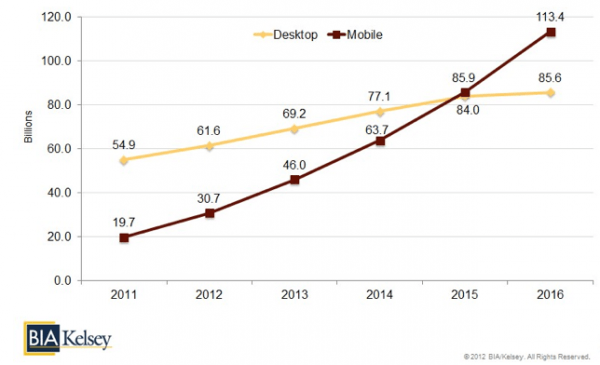
Mobile vs. Desktop Local Search Volumes (BIA/Kelsey Forecast) While speculations about mobile advertising abound, it’s essential to rely on concrete data. This analysis will delve into crucial metrics for mobile marketers, such as optimal click-through rates (CTR) for mobile search ads and the impact of device type on Quality Score, providing a comprehensive understanding of how search engine results pages (SERPs) vary across devices.
Device Variations in SERP and Ad Display
The way Google’s search page appears differs significantly between desktops, tablets, and mobile devices:
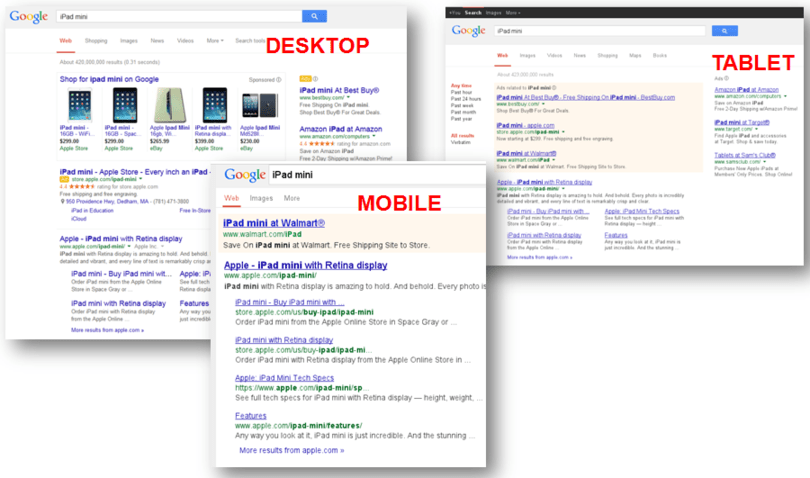
Same search for “iPad mini” across different devices. The most obvious difference is the limited ad space on mobile devices. Unlike desktop and tablet searches that typically display three top ads and numerous ads on the right side, mobile searches show a maximum of two top ads, followed by organic results and potentially two more ads at the bottom. Considering the AdWords auction mechanism, this smaller inventory necessitates a distinct bidding approach for mobile advertising and different benchmark metrics for mobile search ads.
Analyzing AdWords Mobile CTR
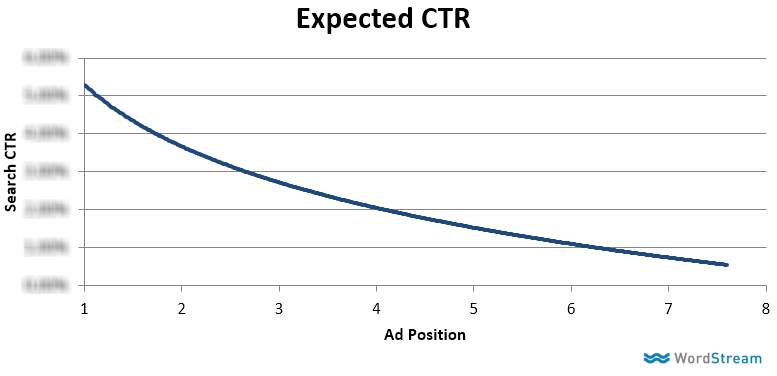
Previous research indicates that top ad positions generally yield the highest CTRs:
However, segmenting this data by device reveals a more pronounced trade-off between position and CTR on mobile:
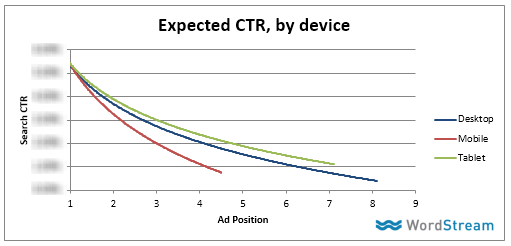
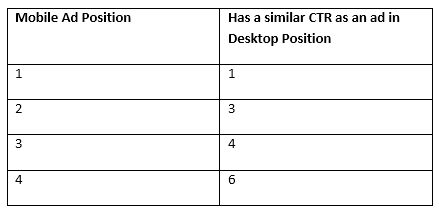
Although CTRs remain relatively consistent across devices for the top position, mobile CTR plummets by a staggering 45% from position 1 to 2. Beyond the top spot, mobile ads experience significantly lower CTRs compared to their desktop counterparts, aligning with CTRs observed in much lower desktop positions:
How Mobile Affects Quality Score
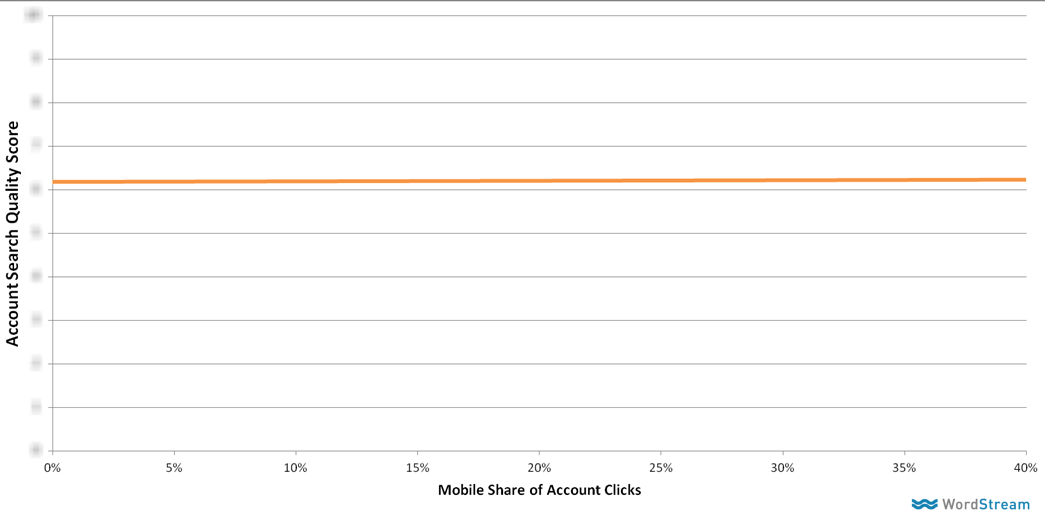
Given that mobile ads tend to have lower CTRs and CTR is a primary factor in determining Quality Score, it’s natural to question if mobile ads inherently receive lower quality scores.

Fortunately, advertisers need not worry. While AdWords doesn’t offer device-specific Quality Score segmentation, Google has clarified in a recent white paper that device type is considered during Quality Score calculations. Similar to how lower ad positions are expected to have lower CTRs, the same applies to mobile ads. This aligns with internal observations that accounts with higher mobile traffic don’t experience Quality Score penalties despite lower mobile CTRs:
Exploring Mobile Cost Per Click (CPC)
The surge in mobile searches has led to a parallel increase in their associated costs. Since early 2012, advertisers consistently running mobile ads have witnessed a staggering 150% surge in CPCs, which is three times the increase observed in desktop CPCs during the same period.
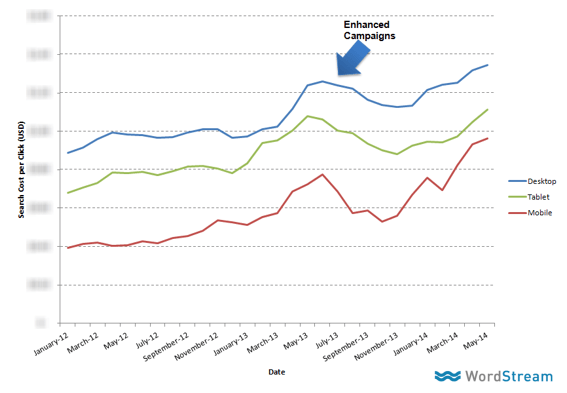
The transition to Enhanced Campaigns did offer a temporary respite with lowered mobile CPCs for many. However, the past year has seen a resurgence in mobile CPCs. While they remain comparatively lower than desktop and tablet costs, this gap is expected to narrow in the coming months.
The Impact of Mobile Impression Share
Adding to the challenge of lower CTRs in lower positions on mobile is the infrequency with which these ads even appear on the SERP:
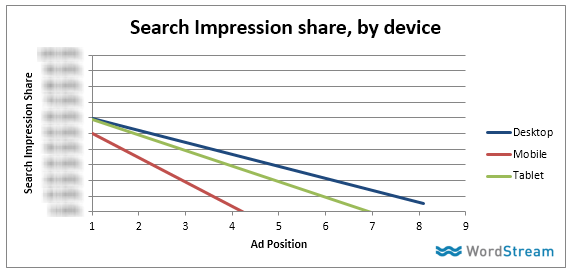
Mobile ads, even in the coveted position 1, have a significantly lower display rate compared to desktop ads. Positions below 2 on mobile are unlikely to be shown and even less likely to garner clicks. An analysis of numerous accounts reveals a complete absence of mobile positions below 4.3, where impression share is practically nonexistent.
Key Takeaways from Google AdWords Mobile Data
In summary, here’s what we’ve learned:
- Mobile search volumes have experienced exponential growth in recent years.
- Mobile CTR declines 45% faster than desktop or tablet CTR as ad positions descend.
- Mobile search CPCs have risen drastically over the past year.
- The penalty for lower impression share is more severe for mobile compared to desktop. These findings highlight the challenges of achieving success in the mobile PPC landscape compared to desktop advertising. Lack of a dedicated mobile strategy can be detrimental. Stay tuned for our upcoming blog post, where we’ll share actionable best practices for navigating the mobile advertising realm. Feel free to share your questions, insights, or successful mobile strategies with us on Twitter, LinkedIn, or in the comments below!
Data Sources
This report draws on data from 240 accounts representing US-based SMBs across all industries. The data encompasses Google Search Network activity between January 2012 and July 2014.