Writers write. They don’t always market. They might “distribute” (emphasis on the air quotes). But…to where? Borders? Right. They’re gone. And good luck finding a Barnes & Noble or any other impactful retail chain these days. You want a bestseller? You’re gonna have to work for it and make it one. And you can do that by thinking like a savvy marketer. The time to promote your book is before it’s even out. Here’s how to do it, with book promotion lessons learned from bestselling authors who took charge of their own success.
1. The Old Ways are Dead. Here’s What to Do Instead
Steven Pressfield, acclaimed author of The Legend of Bagger Vance (among many others), also penned a book for new authors aiming for the top. The title? Nobody Wants to Read Your Sh*t.
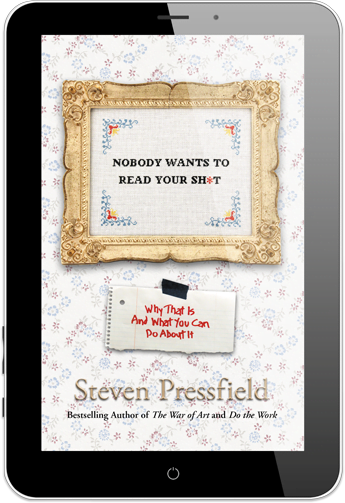
Your book is probably fantastic. But it’s probably not getting the Oprah’s Book Club sticker. And that’s okay. You don’t need her. You don’t need Oprah. (Oprah, if you’re reading this, just go with it). Traditional book promotion is dead. Instead, a focused, niche approach will yield better results than a broad “throw it at the wall and see what sticks” campaign. Michael Ellsberg learned this the hard way after trying the old ways first:
- Radio interviews
- National media
- And an email blast to a tiny list Even after all this, his book didn’t crack the 1,000 rank marker on Amazon. But then his 4-Hour Work Week buddy, Tim Ferriss, stepped in. Tim wrote a blog post about Ellsberg’s book and gave it a glowing recommendation. Within an hour, the book reached 45 on Amazon. It even hit #1 in Amazon’s Job Hunting and Career Guides section. In the following weeks, Ellsberg rode the wave, continuing to pursue traditional press. But nothing came close to the boost from Ferriss’s post. So why did one blog post outperform weeks of relentless promotion?
2. Solo Author Blogs Have the ‘Halo Effect’
The Halo Effect is a real phenomenon. It’s a cognitive bias explaining why some people (or brands or products) are seen as more trustworthy, intelligent, or desirable than others. That’s why people give Apple the benefit of the doubt over Microsoft, Samsung, Google, or any other competitor. The Halo Effect often applies to people with devoted followers, too. Like those over-the-top televangelists. And Oprah. The “Oprah Effect” became a saying because if she featured you on her show, you became an overnight success.
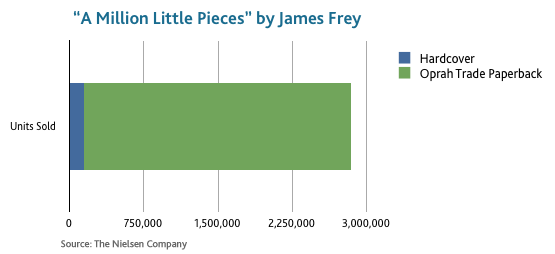
Nielsen sales data for James Frey’s heavily embellished memoir, ‘A Million Little Pieces’ in both hardcover and Oprah Trade Paperback editions Popular solo-author blogs cultivate the same devotion, even if their numbers are smaller. One reason is convenience. Get featured on the biggest radio show (I couldn’t name one), and someone still needs to get home or to the office to remember to look you up. Online, you’re a click away. No delay. Less friction between the devoted reader and that Amazon One-Click to Purchase button.
Ferriss spent years building a following. So when he recommended Michael Ellsberg’s book, his audience took action (More than CNN or the New York Times could generate). Because Ferriss was talking to a dedicated group that was primed and attentive. Online marketer Beth Hayden agrees, and takes it a step further. If you don’t have a Tim Ferriss to write about your book (not everyone does), connect with blogs that cater to an audience just like yours. This lets you establish yourself as an expert in your book’s topic and puts it directly in front of the right readers. Do some research and find high-traffic blogs in your book’s niche. Hayden suggests coming up with a few topic ideas relevant to the blog’s readers, and then pitching a guest post to the blogger.
3. Your Title Is a Headline. Test It
In Tom Hanks’ 1996 classic That Thing You Do, the up-and-coming band the “Oneders” are taken under the wing of Hanks’ character, record-label executive Mr. White. Mr. White gives them a fresh look and image, but first tackles their biggest problem: their ridiculous name.
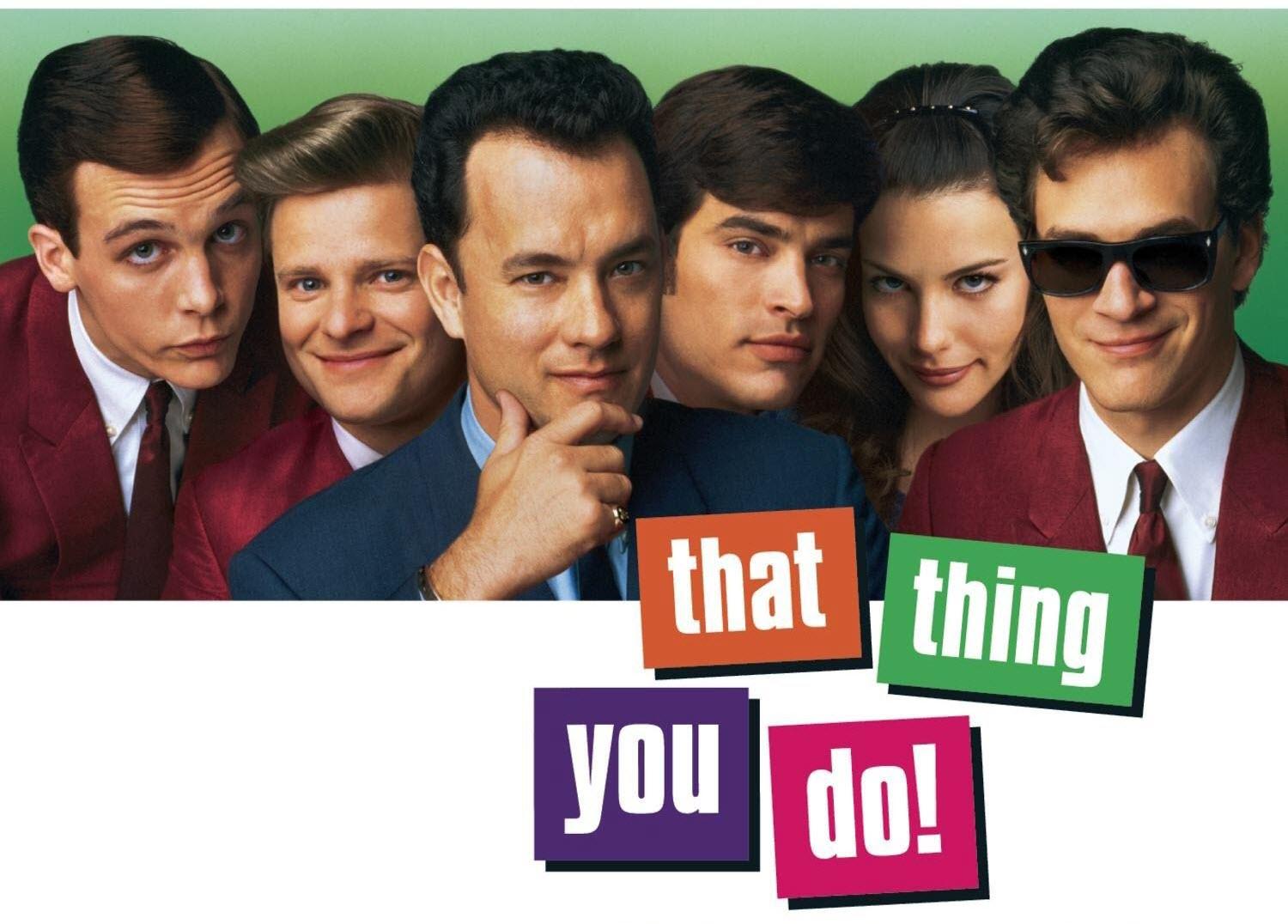
“Next, this ‘Oneders,’ with the O-N-E, it’s no good. Confusing. From now on, you boys are simply, The Wonders,” White said. “As in, I wonder what happened to the O’Needers?” joked bandmate Kenny. Why am I telling you all this? First, go watch the movie—it’s great. Second, no one cares about, or gets, your obscure or quirky title. When marketing your book, a bad title can be disastrous. Instead, think of book titles like ad or article headlines. Because, like book titles, they’re often the biggest factor in who sees your work. A great headline makes people want to read more.
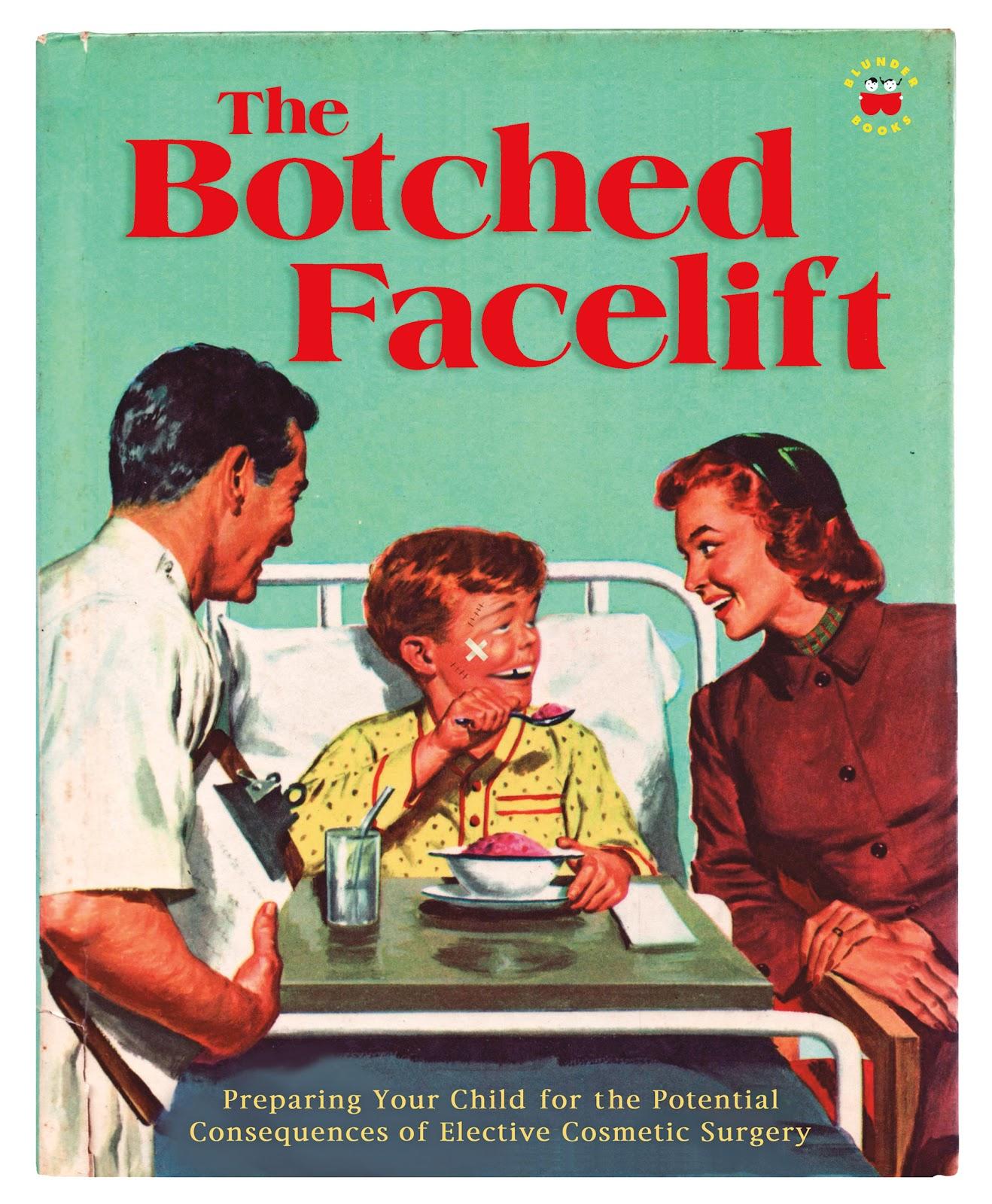
Brilliant. Ogilvy once said, “On the average, five times as many people read the headline as read the body copy. When you have written your headline, you have spent eighty cents out of your dollar.” Some headlines will always outperform others. That’s why writers use power words and headline formulas online to boost their chances of success. Even book titles should be tested to see what resonates and what should end up on that cover. A simple Google AdWords test can offer insights into what potential readers want to see. AdWords made all the difference for Tim Ferriss.
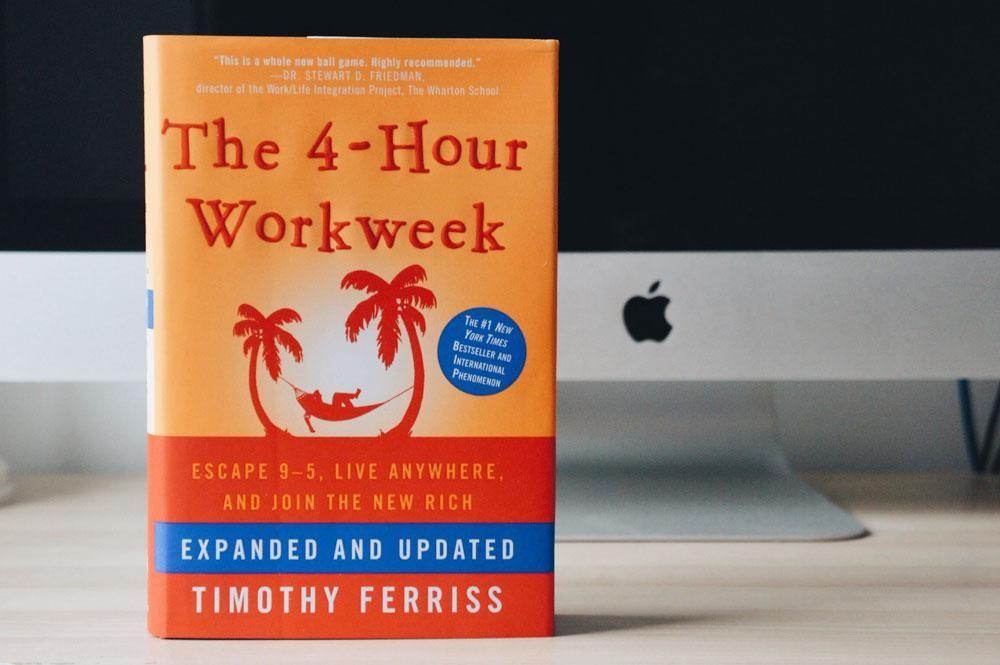
For a quick $200, Ferriss tested six different title and subtitle combinations using AdWords, creating text ads for each, and tracking their click-through rates. “The 4-Hour Work Week” emerged from contenders like “Broadband and White Sand” or “Millionaire Chameleon.” The winning title and subtitle combo wasn’t even his first choice, proving the importance of testing the market (instead of relying solely on your intuition, or worse, your publisher’s).
4. Go Where Your Ideal Readers Are
When Lewis Howes of The School of Greatness fame started marketing his book, he knew he needed to pinpoint his audience and meet them on their online turf. He outlined his readers’ interests, professions, locations, even their age – basically building a customer persona. From there, he created a plan tailored to those interests. He then created content based on his book’s themes and ideas but made them more digestible for each platform. In other words, he repurposed his content into:
- Easy-to-read blog posts
- Concise social media updates
- Short videos for Instagram and Snapchat
- Interviews on relevant podcasts
- And longer YouTube videos that stayed on-message and on-brand for the book James Altucher turned to Reddit when promoting his book Choose Yourself. He hosted an AMA (ask me anything) conversation with the help of marketing agency Brasscheck, and got 3,200 comments and questions from interested readers.
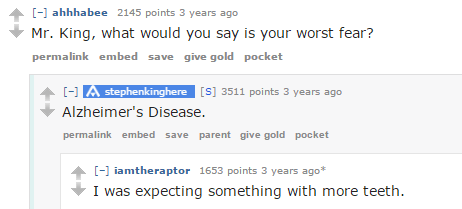
One of the more memorable moments from Stephen King’s Reddit AMA from several years ago. “Putting a link where people are hearing you talk about your product is powerful,” said Mignon Fogarty, creator of Grammar Girl and Reddit user. “It’s much easier to get people to take action online than on radio or TV where they have to find the address or page on their computer or phone later. I prefer working online where you can link directly to what you’re talking about. It’s very effective.”
5. Give People a Reason to Take Action
Remember VHS tapes? Those big, clunky things with actual film inside.
You find yourself in a small clearing, in which the ruins of a once-great civilization are being slowly reclaimed by the vegetation that surrounds them… Then came DVDs. Better quality and more storage. To justify a higher price, DVDs offered bonus material or footage to those who bought them. Consumers were incentivized to spend a little more. James Altucher did a great job going where his audience was. But then he sweetened the deal with an irresistible incentive. Altucher created a special Slideshare presentation to promote his latest book (to business people). On Slideshare, authors can upload PowerPoint presentations, and visitors can search for them by keyword or topic. Good presentations are full of pictures and exclusive snippets from the book. Altucher did all that. But at the end, he included a call to action, promising readers their money back if they could prove they bought and read the book.
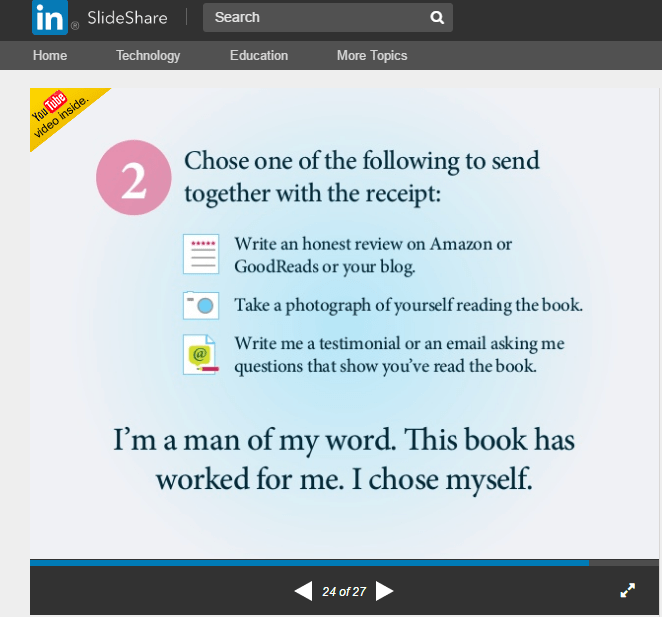
He was creating his own echo chamber, encouraging people to leave reviews (which would only expose more people to his work) and nurturing the relationship with his audience.
6. Build Your Own Halo Effect By Recording an Audiobook
Initially, a professional voice actress was going to read Geraldine DeRuiter’s memoir. Geraldine was a first-time author. This was “standard procedure.” But Geraldine didn’t like it. She’d spent years building a loyal audience on her blog The Everywhereist. The story was personal. She wanted the audiobook to feel personal, too. Recording your own audiobook is like having a conversation with someone for ~10 hours during their commutes.
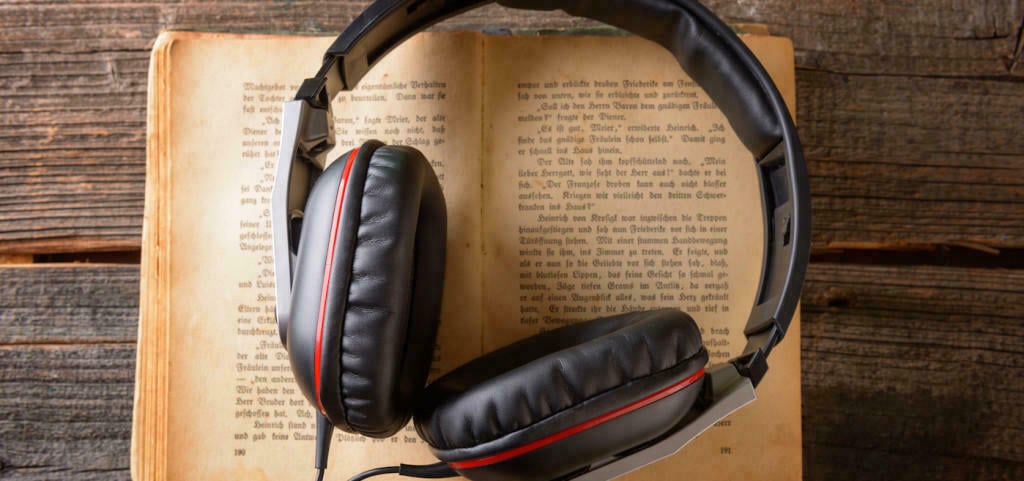
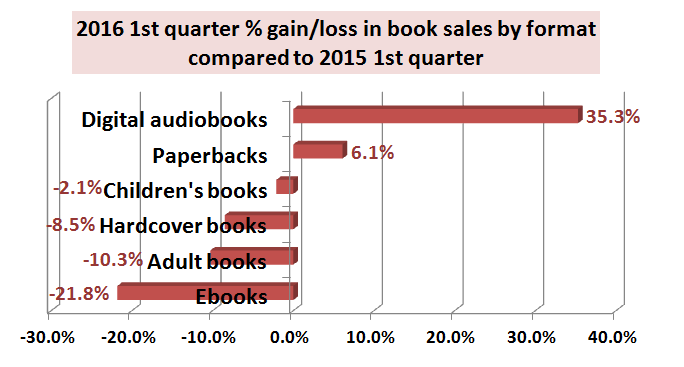
This wasn’t easy. She had to convince her agent, who then had to convince her publisher, Hachette. When they agreed, it took another 18-23 hours of studio time. But it was worth it. In the first three quarters of 2016, audiobook sales have continued to rise by nearly 30 percent. And since everyone has a portable library in their pocket (thanks, smartphones!), audiobooks are becoming standard. The Wall Street Journal even called them the “fastest growing format in publishing.” Even Altucher saw a 500% profit on his initial investment to record an audiobook.
Recording your own audiobook establishes your expertise in a powerful way. Your reader not only sees your words but also hears you speak them. It’s like a trusted friend giving advice or telling a story. Is this thing on? Get recording! Share your voice! Embrace the age of multitasking and let readers listen to your book while they tackle their to-do lists.
7. Create a Visual Book Trailer
Tim Ferriss had experimented with book trailers before. But for the release of The Four Hour Chef, he had two professional trailers made by an ad agency.
The investment paid off, generating 1.5 million and 550 thousand views respectively. Here’s what Tim said about it: “The [previous] book trailers were all pretty dry and low budget; maybe using some Animoto-style text. I wanted a book trailer that looked like a movie trailer.” Tim pointed to other successful cooking-related online communities, like Epic Meal Time (with three million subscribers), as evidence of the passionate “micro communities” online. Joanna Penn, of The Creative Penn, sees five obvious benefits of book trailers:
- Videos are popular
- They are shareable
- They help readers connect with you
- They keep your book fresh in readers’ minds
- They can be easy and affordable to make. You don’t need a Hollywood budget for a quality trailer. Write the script for the video and choose your photos. If you’ll be on camera, find a good location or backdrop. Wistia has everything you need to create a DIY studio.
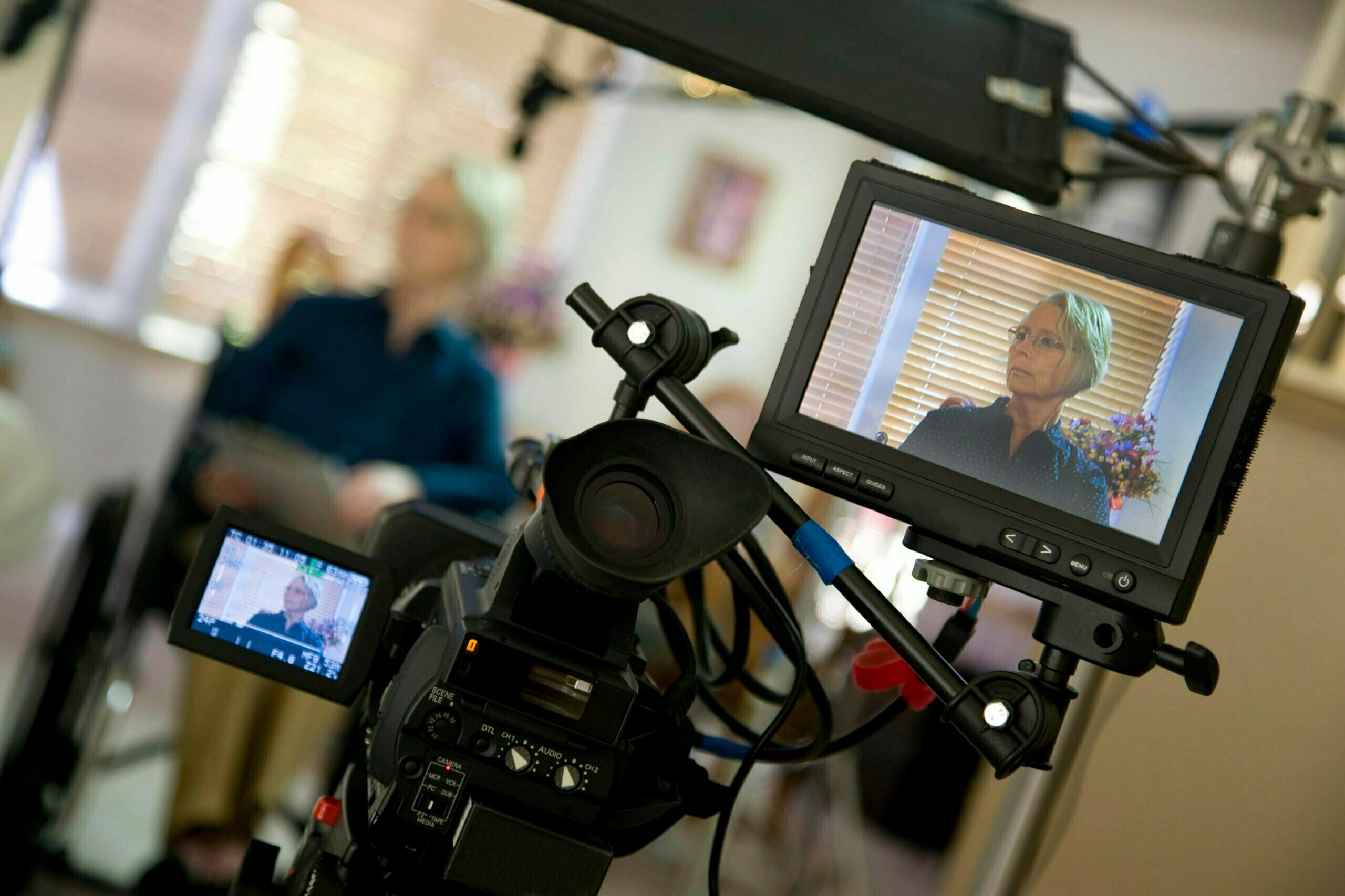
And if your production skills aren’t there yet, there are lots of apps and programs out there that simplify the process. Make sure people see your trailer! Promote it on platforms like Facebook.
8. Get Reviews, Lots of Them
You’ve found your readers. You’ve found who they follow (who will tell them to read your book). And you’ve found where they discover new books. Now, find the people who’ll talk about your book.
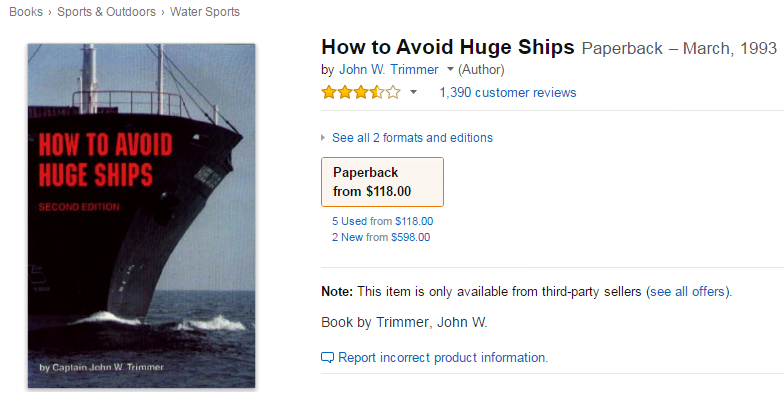
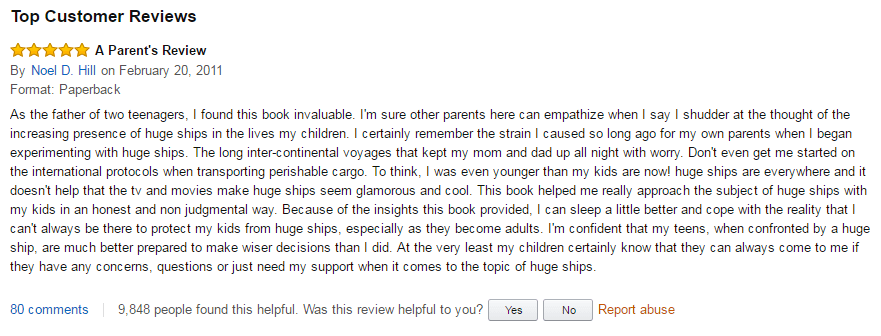
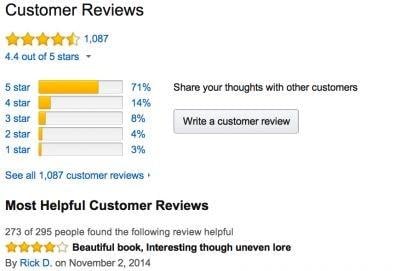
Classic Amazon reviews A Dimensional Research study revealed that 90% of those surveyed consider positive reviews before buying something. More reviews also mean a the higher your book goes in Amazon search rankings. So play the algorithm game and rack up those stars. Start with the easy wins. Have advance copies ready (galleys or digital versions) for readers of your previous books or articles. From there, connect with Amazon’s top reviewers. Their reviews carry weight and can give your book a boost. You can find top reviewers on Amazon, searching for those who review books in your genre or topic. Milena Canizares of Blurb.com recommends coming up with a list of 100 or more to secure around 25 reviews.
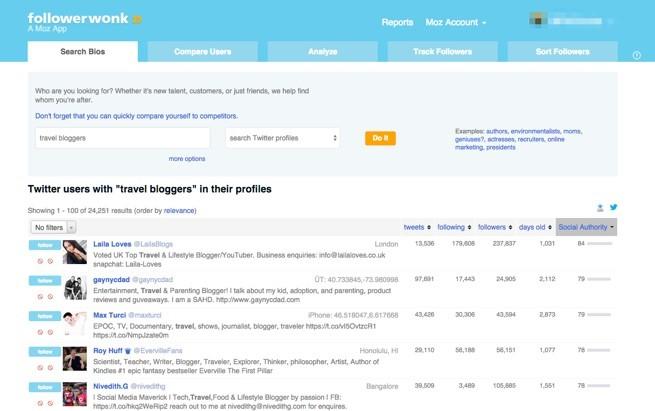
Look beyond Amazon, too. Connect with book bloggers who might review your book. A tool like Followerwonk can help you find niche bloggers on Twitter.
And Blogmetrics.com will rank bloggers, allowing you to prioritize those with the biggest following and influence. Where the Hell is Tesla author Rob Dirks used this strategy to sell 10,000 copies of his book. He admits that no one knew he was, yet he self-published and sold a ton of books. On launch day, he had 25 reviews lined up on Amazon. Giving free books to reviewers earned him credibility as others vouched for his book’s quality.
Become a Bestselling Author
Authors can’t afford to just write anymore. Literally. The promotion burden now falls on authors’ shoulders. And because you’re already swamped (with, you know, writing), you need an effective, repeatable promotion system. Recognize what’s changed. Find new influencers, like those niche solo author blogs, who’ll promote your book to the right people. Borrow from digital marketing, like testing headlines, repurposing content for different formats (including video), and incentivizing reviews to attract new readers. It’s not easy. It takes time and effort. But it means your book’s success is in your hands.