Are you a podcast enthusiast, tuning in daily? Or perhaps you’ve just caught wind of the latest Radiolab episode in a chance encounter on your morning commute? Whatever your level of engagement, there’s no denying the pervasive presence of podcasts.
The Opportunity in Podcast Advertising
Over the past decade, podcasts have skyrocketed from obscurity to mainstream popularity. Podcasting Insights reveals that “44% (124 million) of the US population has listened to a podcast - up from 40% in 2017.”
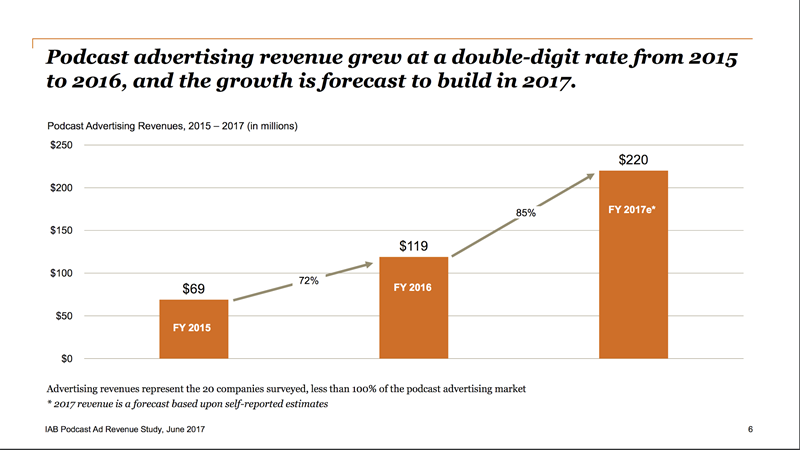
With such impressive figures, it’s safe to say that practically every niche interest, no matter how specialized, has a dedicated podcast (or several) catering to its enthusiasts. This presents a golden opportunity for advertisers. In fact, podcast advertising expenditure has also increased to $220 million in 2017, rising from $119 million in 2016.
Podcast Advertising Challenges
However, this surge in podcast advertising investment has led to a significant hurdle for advertisers: heightened competition. Prime advertising slots within popular podcasts are becoming scarce and expensive. This presents a dilemma for businesses: how to identify lesser-known, niche podcasts whose audience aligns with their target market, without breaking the bank.
This begs the question: are podcasts truly an effective channel for direct-response marketing? Or should they be relegated to the “brand awareness” budget, alongside less measurable efforts? Many marketers, particularly those in small businesses or startups, prefer to stick with what they can measure, like paid search and social media advertising.

But what if there was a way to connect with these engaged, valuable podcast listeners without directly investing in podcast ads?
This post will unveil how to leverage Facebook and Twitter ads to reach individuals who tune into podcasts relevant to your brand.
Using Facebook Ads to Target Podcast Listeners
Despite recent changes, Facebook’s Custom Audiences and advertising platform still offers unparalleled demographic and psychographic targeting capabilities. It’s almost as if it were engineered to decode human behavior with uncanny precision.
As topics gain traction (like the rise of podcasts), discussions around them proliferate online. This buzz creates potential targeting parameters within Facebook’s advertising ecosystem.
The key is to hone in on topics relevant to your business. When online behavior and interests align with potential product needs, diversifying your reach can yield significant returns.
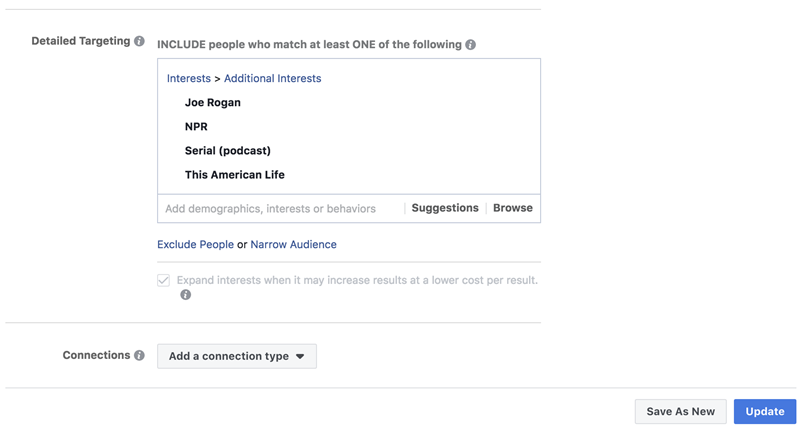
For example, many top podcasts can be found as interests on Facebook, either by their title or host’s name:
What does this mean for you?
Let’s say you’re an avid podcast listener yourself, and you’ve noticed that the ads often align with your target audience or even direct competitors. You can create laser-focused ad sets for each podcast or related topic.
Imagine you listen to the Joe Rogan Experience and sell nutritional supplements. At the start of each episode, Joe promotes his supplement line, “Onnit.” You can leverage this by targeting Joe Rogan Experience fans with Facebook ads that mention the podcast and highlight the benefits of your supplement brand (perhaps emphasizing advantages over Onnit). This familiarity boosts relevance and captures attention more effectively than generic targeting.
You can replicate this across multiple podcasts, crafting a comprehensive “Podcast” campaign with a clear objective (conversions, clicks, purchases, etc.).
For example:
Campaign: “Podcasts - Lead Ads” Ad Set: The Joe Rogan Experience Ad: Joe Rogan Audience-Specific Ad Ad Set: NPR Podcast Ad: NPR Audience-Specific Ad
By segmenting podcasts by topic, host, and genre, you can tailor your ads with creative flexibility, aligning your tone with each podcast’s style.
Furthermore, it’s no secret who’s advertising on which podcasts and how frequently.
By observing the brands investing in podcast ads, you gain valuable insights into audience worth.
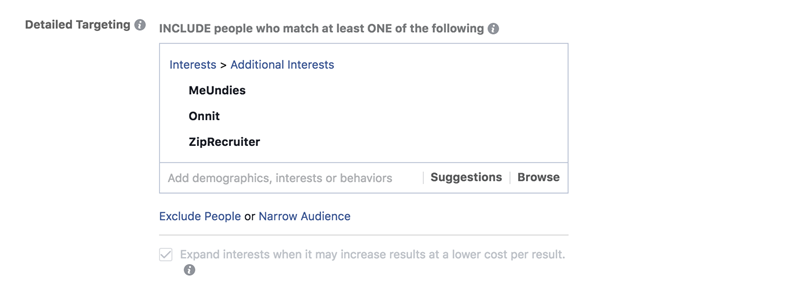
Alternatively, target individuals who’ve interacted with those brands on Facebook (as illustrated above) rather than focusing solely on the podcasts themselves.
Podcast Research: What Are Your Prospects Listening to?
Understanding your target audience’s podcast consumption habits is crucial.
Given the diverse range of topics, styles, and genres, your potential customers might listen with varying intent and derive different benefits. Similar to keyword research, dedicate time to compiling a list of relevant topics your audience might explore through podcasts.
The challenge lies in the sheer volume of niche podcasts. Some might not be directly targetable within Facebook. However, the only way to know for sure is to experiment with your compiled list within Facebook’s audience creation tool.

But your options don’t end with Facebook and Instagram…
Using Twitter to Target Podcast Listeners
After a period of uncertainty, Twitter has resurged as a dynamic platform, fueled in part by news and influential figures.
One of Twitter’s strengths lies in real-time discussions. This makes it incredibly powerful for contextual targeting, especially in the world of weekly podcasts, potentially even more so than Facebook.

If you’re familiar with Twitter advertising, you’ll notice it blends elements of paid search and Facebook. Instead of “Ad Sets,” you have “Ad Groups” (akin to search), but the overall campaign structure mirrors Facebook’s.
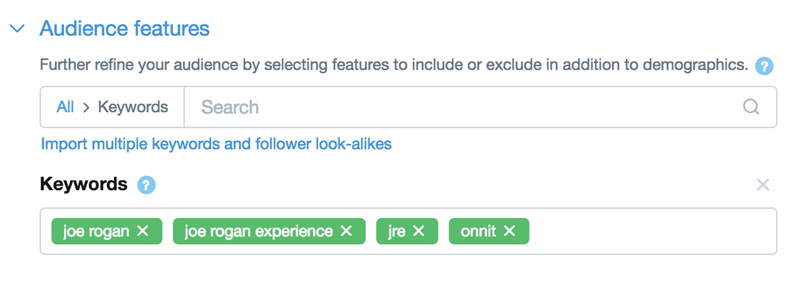
Within Twitter Ad Groups, you can target keywords, interests, behaviors, and follower lookalikes. For our purpose, keywords are key.
Twitter offers two types of keyword targeting:
- Searches: Target phrases people search for on Twitter. Your tweets appear when users search for those topics.
- Timeline: Target users based on their tweets, specifically the hashtags and keywords they use.
This two-pronged approach is powerful because it reaches both passive users searching for topics and those actively engaged in conversations.
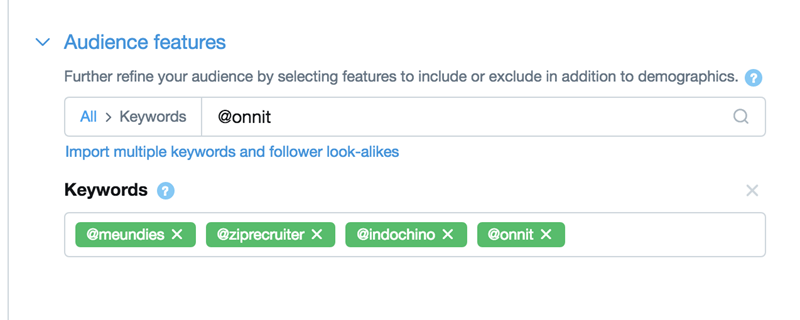
Once again, you can tailor your ads to resonate with specific keywords or podcasts. Like Facebook, you can target keywords related to brands advertising on those podcasts.
Hijack Your Competitor’s Podcast Deals
If you’re in e-commerce, you’ll notice that many similar advertisers offer “promo codes” to podcast listeners. These codes, often mentioned during ad reads, incentivize listeners to visit the advertiser’s website and make a purchase. It’s a way to track ad revenue and identify high-performing podcasts.

You can capitalize on this by offering better deals directly to podcast listeners through social media ads. This is particularly effective if you offer similar products. Your visually appealing ad, with its relevant podcast tie-in, might just sway a listener more effectively than an audio ad heard in passing.
Take the time to listen to podcasts your target audience enjoys. Note your competitors’ deals and outshine them. Seize the opportunity!
Managing Expectations
Podcasts offer a unique glimpse into consumer behavior by revealing content preferences. People listen for diverse reasons and at varying frequencies. Their engagement levels can indicate how well your brand might resonate.
The strategy outlined here provides a clever workaround, allowing you to bypass the fierce competition for ad space with larger brands.
Understanding listener “intent” when targeting podcasts is crucial. Focus on verticalized topics where individuals are in a specific mindset (business podcasts vs. casual entertainment). This distinction is key to the success of this approach.
For some niche businesses, this strategy might not be as effective due to limited audience size on Facebook or Twitter. If that’s the case, consider experimenting with ads on smaller, less competitive podcasts directly.