Bidding wars in paid search conquesting can harm both sides by decreasing brand visibility and increasing costs-per-click (CPC). However, competitive search campaigns can also generate brand awareness among a relevant audience. This article will explore how to minimize risks and maximize rewards in competitive campaigns by understanding the intent behind brand search behavior.
Understanding Search Intent in a Branded Search
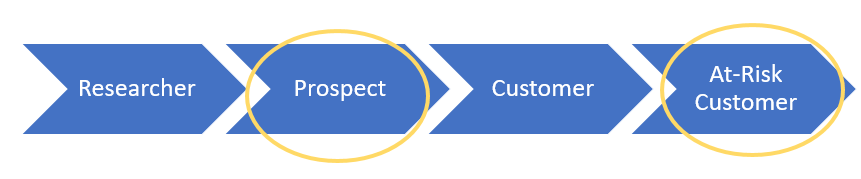
When building campaigns around your brand or a competitor’s, it’s vital to understand the intent behind each keyword and potential search term. This intent scale classifies searchers into four segments, ranging from “researcher” to “at-risk customer”:
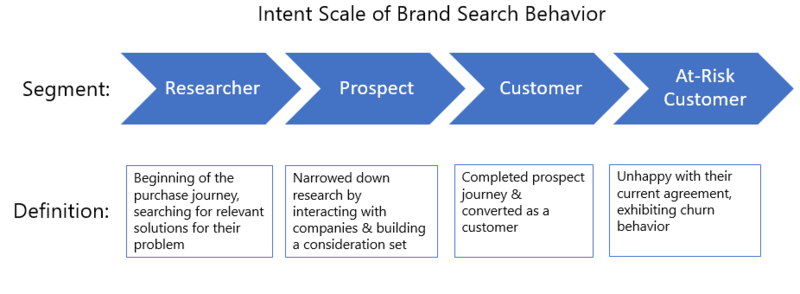
Note: This scale may not apply to every advertiser. It’s presented here as a framework for the strategies discussed in this article.
Let’s analyze the competitive meal plan delivery industry, focusing on Plated’s search engine results page (SERP), to illustrate this methodology.
Scenario #1: Broad Brand Search
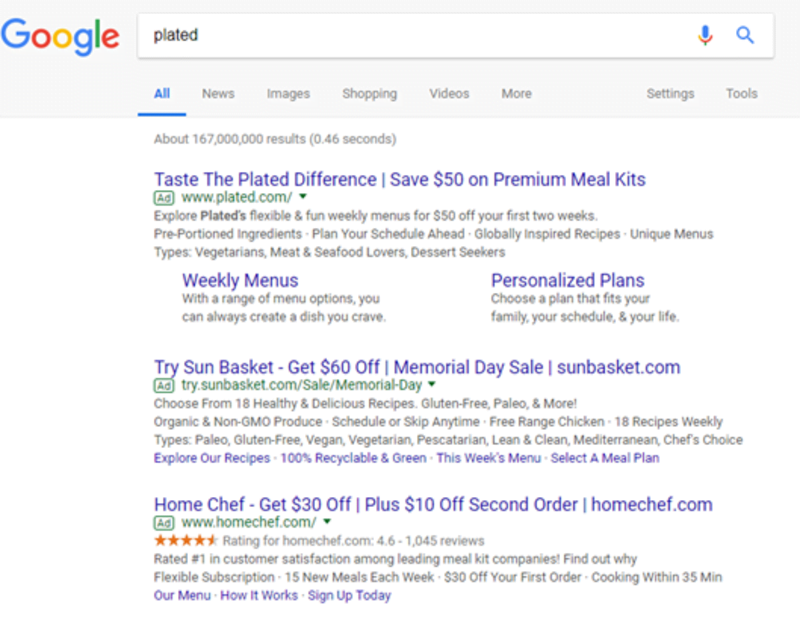
A broad competitor name search is hard to classify. Due to limited information, the searcher could fall into any of the four segments:

Scenario #2: Navigational Query
Next, we have the search “plated.com”:
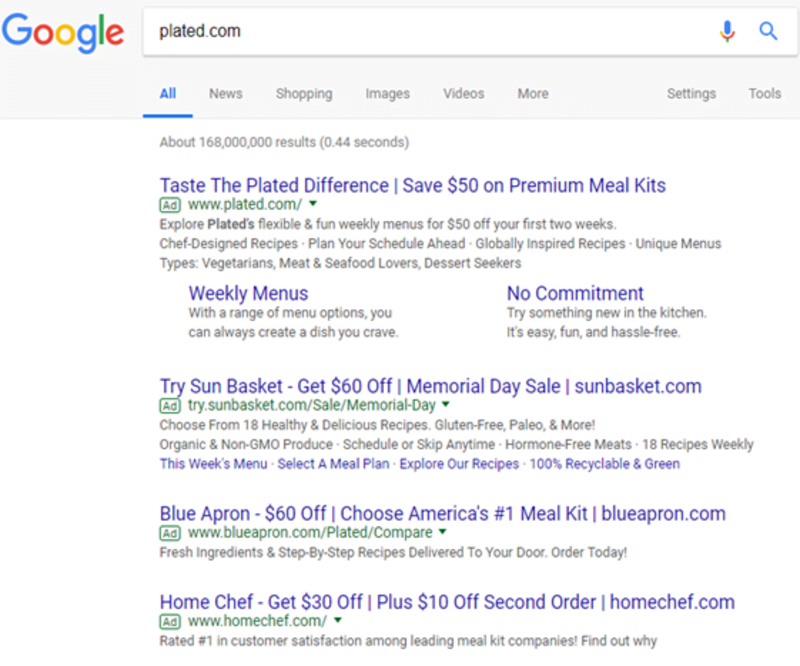
Adding “.com” significantly changes the intent. A user specifically seeking Plated’s website is less likely to click a competitor’s ad. While more targeted, this keyword alone doesn’t fit neatly into one segment:

Scenario #3: “Consideration” Modifier
This search demonstrates a prospect in the consideration stage:
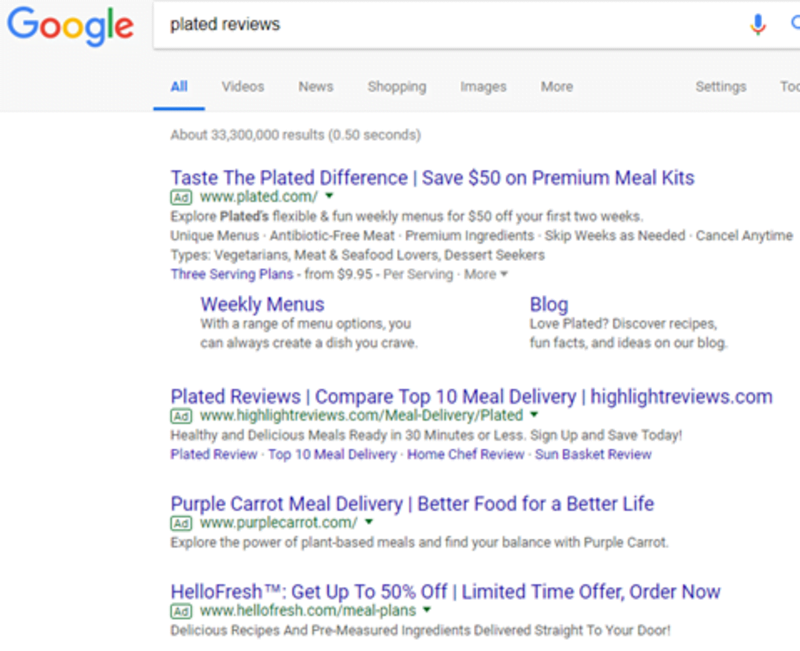
The intent to find reviews suggests the user is gathering information and has narrowed down their options, making them a prospect:

Scenario #4: Customer Query
This search simulates an active Plated customer:
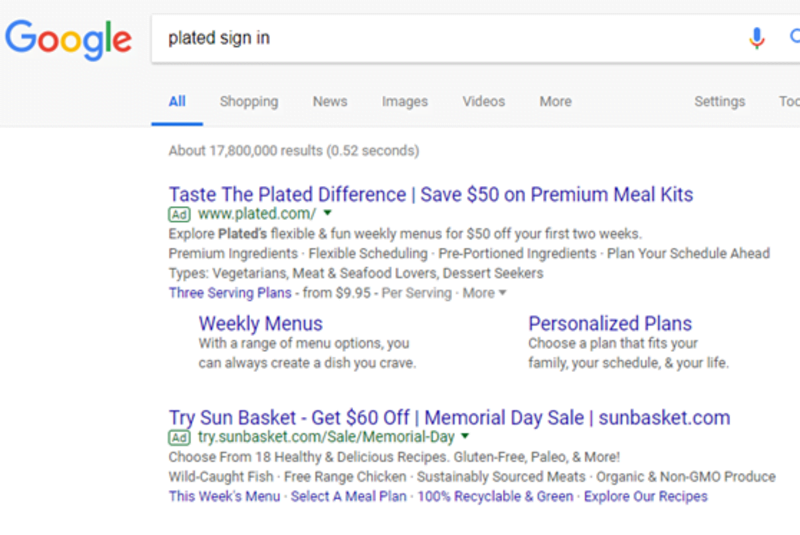
While other factors are at play (Quality Score, bid, budget), Home Chef and Blue Apron likely added “sign in” as a negative keyword to avoid targeting existing customers:

Scenario #5: At-Risk Queries
This search mimics an “at-risk” customer seeking alternatives:
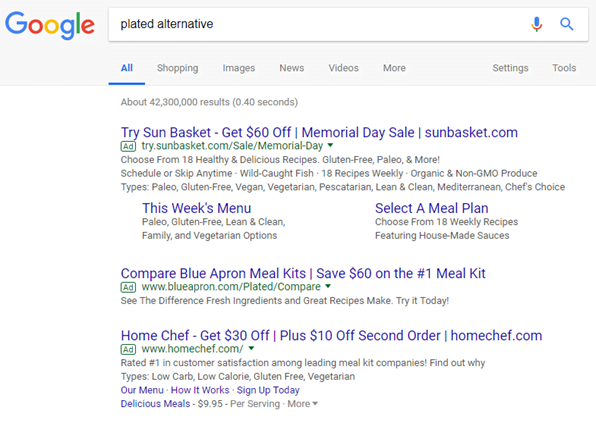
Unlike the previous examples focused on Plated, this search is inclusive, indicating openness to other options. Competitors recognize this shift and dominate the SERP’s top. While framed as an at-risk customer, this query could also represent a prospect:
Applying the Intent Scale to Competitive Campaigns
With the varying intent and value of brand searches established, let’s explore four strategies to optimize your competitive campaign’s ROI.
1. Broad Branded Search Strategy
As seen with “Plated,” the searcher’s intent is unclear. Are they trying to log in, visit the website, make a purchase, gather information, or explore alternatives?

Given the unknowns, utilizing Remarketing Lists for Search Ads (RLSA) can keep you in the prospect’s mind while focusing spending on qualified clicks. RLSA targets past website visitors on the search network. For broad queries, use the “targeting” audience option:

This ensures your ads appear for broad competitor terms only when the searcher has previously visited your site. While targeting is suitable here, use observation audiences for other competitive segments to understand visitor interest in competitors and adjust bidding strategies accordingly.
By combining broad brand keywords with past website visitors, you reinforce your message and potentially sway the prospect:

This improves not only the customer journey but also ad relevance, leading to a higher expected click-through rate (CTR), better Quality Score, improved ad rank, lower costs, and a healthier search account.
2. Targeting Competitive Research Intent
A study by Forbes reveals that 91% of people read online reviews, with 84% trusting them as much as personal recommendations. Therefore, expect prospects to use search engines for reviews before making purchase decisions. Capitalize on this intent by incorporating these keywords:
- Compare
- Similar to
- Versus
- Reviews
3. Minimizing Spend on Competitor’s Existing Customers
Bidding on competitor-focused customer searches (Scenario #4) often leads to wasted spend. Add these negative keywords to your campaign:
- Sign in
- Login
- Customer service
- Contact
- Support
This prevents your ads from appearing for low-intent searches.
4. Targeting Competitor Customer Churn
Leveraging competitor churn offers a powerful way to enter the consideration phase and attract valuable leads. Utilize these keywords:
- Cancel
- Alternative
- Competitor
Conclusion
Competitive search campaigns require careful navigation. Understanding search intent is crucial to control wasted spend and maximize ROI. By categorizing keywords by intent, you can deploy the right strategies at the right time. Evaluate your Google Ads account’s performance against competitors and get your free performance grade today.