When using automation in Google Ads or Facebook Ads, you might wonder about the “Learning” phase and how to avoid it. I’ve researched to clarify the learning period, its causes, and how to handle its downsides.

This post will answer your questions about navigating the learning period.
Understanding the Learning Period
Google’s Definition: “After you change your bid strategy, Google Ads needs time to gather data for bid optimization.”
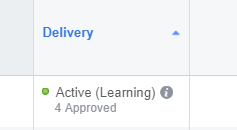
Facebook’s Definition: “When a new or significantly edited ad set is created, our system learns who to show ads to. This status indicates performance stabilization.”
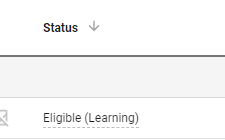
Simply Put: The learning period is the platform’s algorithm adjusting to major changes.
When and Where Does It Occur?
Google Ads: Triggered by automated bidding strategies like Target CPA, Target ROAS, Maximize Conversions, and Enhanced CPC (eCPC). The status column in your campaign indicates the learning period. NOTE: Target CPA and Target ROAS are being phased out. Learn more here. Facebook: Occurs at the ad set level (except for the new campaign budget optimization feature) and is visible in the delivery column.
Learning Period Duration
Google: Usually 7 days after the last significant campaign edit. Facebook: Until your ad set achieves 50 optimization events within 7 days of the last significant change. Key Difference: Facebook uses a data threshold, while Google relies on a fixed timeframe.
Triggers for the Learning Period
Google Ads:
- New or modified smart bidding strategy
- Conversion action updates or additions
- Substantial budget or bid adjustments
- Major campaign structure changes Minor keyword, ad group, or ad changes usually don’t trigger it, but bulk changes might. Facebook:
- Audience targeting modifications
- Significant budget alterations
- Major creative changes (new or edited ads)
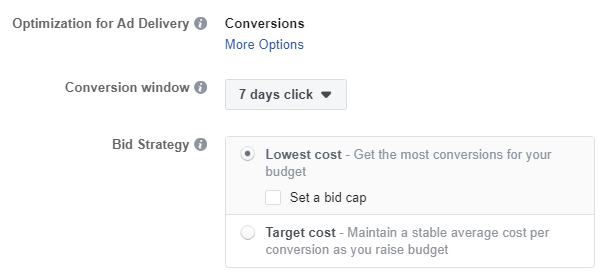
- Setting adjustments (optimization event, conversion window)
- Pausing/re-enabling ad sets/campaigns after 7 days
What Happens During the Learning Period?
Expect reduced delivery and efficiency on both platforms. This usually means lower daily spending, increased CPA, and decreased conversion rates.

While not ideal, campaign optimization shouldn’t be avoided. Learn to manage the impact and give campaigns time to adapt.
Why the Learning Period Exists
Both platforms’ ad auctions rely on algorithms powered by machine learning. Just like Google uses Quality Score and bids, it needs to understand how to achieve your desired conversions. The algorithm needs time to analyze data and discover effective strategies. Google’s DeepMind video illustrates this with machine learning playing Atari. Initially clueless, it masters the game after numerous attempts and 240 minutes of learning, finding the quickest and most effective strategy. This mirrors the algorithm’s process during the learning period. It analyzes new data and learns to achieve your goals. Every impression provides valuable information, helping the algorithm optimize its performance.
Minimizing the Learning Period’s Impact
Google Ads
- Bid Strategy: Select the best one for your needs. If testing smart bidding, start with an experiment for controlled assessment.
- Budgeting: Follow the 20% rule – avoid changes exceeding 20% of your current budget.
- Settings: Provide clear signals. For conversions, set up conversion actions properly.
- Conversions: Plan and bundle conversion action changes to minimize learning periods.
Facebook Ads
- Optimization Event: If struggling to reach 50 events, consider a higher-funnel event for faster learning.
- Review Settings: Strategically set optimization and conversion windows.
- Budgeting: Adhere to the 20% rule, implementing changes gradually.
- Creative: Avoid mass changes to your assets.
- Implementing Changes: Stagger significant adjustments, allowing ad sets to adapt individually.
Conclusion
Don’t fear the learning period. Follow these principles:
- Plan your implementations.
- Provide clear signals and sufficient data.
- Be patient and allow the algorithms to learn for long-term gains.