A robust paid search strategy is crucial, which is why you invest considerable resources in ad campaigns. From keyword optimization and compelling ad copy to targeted spending, your goal is to attract high-quality leads to your landing page.

However, getting prospects to click on your ad is just the first step. It’s essential that they also complete your web form accurately. The reality is, 1 in 10 customers who fill out your webform will inevitably make mistakes when entering their email addresses. Common errors include typos like “gmal” instead of “gmail,” omitting the “@” symbol, or misplacing periods. These inaccuracies render the lead useless. As a result, your advertising budget and valuable time are wasted due to a simple typing error. Frustrating, isn’t it? Fortunately, there’s a straightforward solution to recover these potentially lost leads: email validation.
Landing page form challenges
What could possibly go wrong when someone attempts to fill out your landing page form?
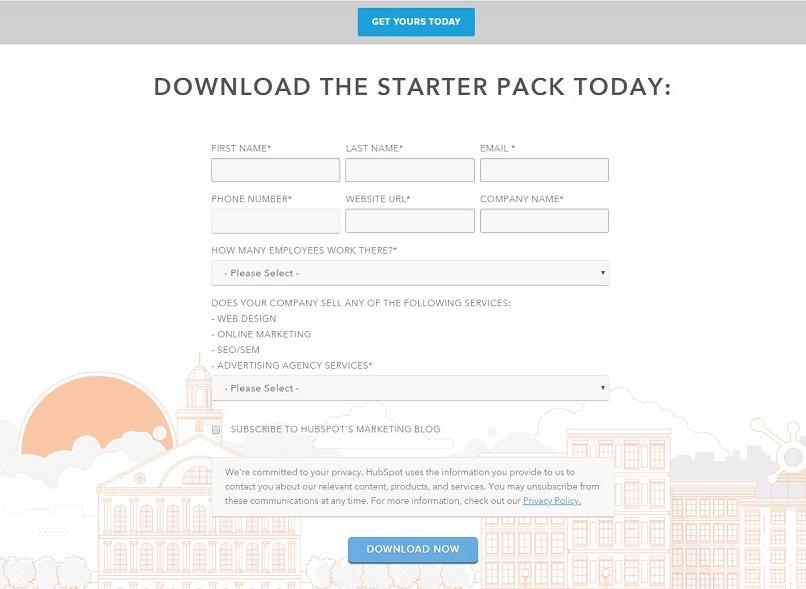
Image Source Plenty of things can go wrong! One common issue is the seemingly insignificant yet detrimental typo. A user might forget the “@” symbol in their email address, accidentally double-type a letter due to fast typing, or even misread numbers without their glasses. These typos, regardless of their nature, can render an otherwise promising lead unreachable. The problem is exacerbated on more users browsing the web on mobile phones compared to desktop computers. It’s easier to mistype on a virtual keyboard or make errors while distractedly entering an email address on a phone. Additionally, marketers must safeguard their forms against spam bots that can inundate databases with bogus or malicious email addresses. While CAPTCHA or reCAPTCHA can help, these bots negatively impact the user experience. It’s no surprise that a significant portion of email addresses submitted through web forms are inaccurate.
Understanding email validation

In essence, email validation is a service that verifies the deliverability of an email address without actually sending an email. This is achieved by validating the email’s domain and mailbox, correcting syntax errors, and filtering out harmful data. Why is this important? Every company that sends emails encounters bounced emails, even those adhering to best practices for email collection, such as emailing only opted-in organic leads. This is because, on average, email marketing databases experience an annual attrition rate of 22.5% of their contacts. Persisting with invalid or harmful email addresses harms your sender reputation, which influences how ISPs and ESPs filter your emails. A poor reputation can relegate your emails to spam folders or, worse, lead to blacklisting. Email validation offers a solution by enhancing data quality, resulting in improved inbox placement and higher response rates.
How email validation works
Email validation employs a four-step process to assess an email address’s deliverability.
- It detects and rectifies spelling and syntax errors, like a missing “@” or “gmal.com” instead of “gmail.com.” This step ensures the accuracy of the email domain part of the address.
- It identifies potentially risky or harmful email addresses.
- It verifies the email domain.
- It pings the email’s mailbox. Once an email address passes through this process, a status code is assigned, indicating whether it’s deliverable (good to go), unconfirmed, or undeliverable, along with the reason. Marketers generally send emails to deliverable addresses and purge undeliverable ones from their lists. However, some may choose to send to unconfirmed addresses, as these often include B2B emails with unique domains or catch-all addresses that are challenging to verify. The best part? Email validation can happen instantly through an API.
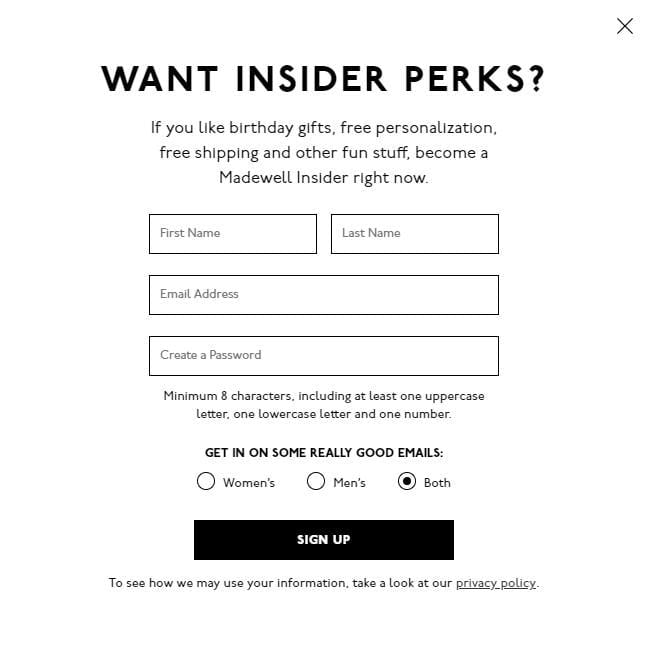
Marketers or developers can integrate an email validation provider’s API into their web form. This allows users to be notified instantly if their email address is incorrect, prompting them to review and correct any errors. Voila! You’ve captured a valid email address and a valuable lead.
Other applications of email validation
Email validation can also be performed retroactively on existing email lists. Quarterly data cleansing is recommended. This involves uploading a .CSV file to an email validation provider’s platform for validation. While not instant, the process is quick and crucial for maintaining data hygiene.

These aren’t the tools you need for effective data hygiene. Other services can enhance the effectiveness of email validation. For instance, imagine you have a list of customers who haven’t opened your marketing emails in the past year. Are their email addresses invalid, or are they simply uninterested? Email validation provides a partial answer. To gain a complete understanding, you need to know when an email account last opened a commercial email. This helps re-engage inactive customers and provides an additional safeguard against fraudulent or low-quality data. For example, if a user last opened a commercial email this month but hasn’t engaged with your emails for a year, you could offer them an enticing coupon to encourage interaction with your brand.
Email validation ROI

Remember that 8.4% of email addresses submitted via web forms are inaccurate. Let’s translate this into financial terms. Consider an e-commerce business with a 25,000-record email list, a 1% average conversion rate, and a $50 average order size. This translates to $12,500 per email campaign. With two campaigns per month, annual revenue from email marketing reaches $600,000. In this scenario, the average value of each email address is $24 ($600,000 / 25,000). Assuming you capture 1,000 new emails monthly, 8.4% inaccuracy equates to 84 lost emails per month or 1,008 annually. With an average email value of $24, this represents a potential loss of $24,192 or 4% of annual sales. Factoring in the cost of email validation, which starts at $0.01 per email, the total annual expense for the example above is $1,200. The ROI calculation is as follows: $24,192 (recaptured revenue) / $1,200 (cost of validation) = 20x ROI. Your figures are likely similar, and this calculation doesn’t even account for the improved open rates achieved through clean data. Use this formula to estimate your email validation ROI: (Monthly new emails) * 8.4% = Potential reclaimed emails (Reclaimed email addresses) * (Value of an email address) = Recaptured revenue (Recaptured revenue) / (Cost of email validation) = ROI
Enhance lead capture with email validation
You invest significant effort in planning, crafting, and analyzing your email campaigns. Why not extend that meticulousness to your email lists? Email validation offers a powerful way to maximize ad spend and ensure you’re capturing genuine leads. By preventing invalid emails at the point of entry and encouraging users to provide accurate information, you can recover lost value.