Advertising outside of the online world, known as out-of-home or OOH, can feel a bit overwhelming. It might seem expensive, complex, and even a little mysterious. You might wonder, “How do I even get my business ad on a bench or a bus stop? What’s the price tag? What should it look like? And the big question: does OOH advertising really work?”
Take a deep breath; we’ve got this.
While OOH might seem like a blast from the past, don’t be fooled—it’s far from outdated or out of reach. This advertising approach has stood the test of time and, when executed correctly, can give your business a significant boost.
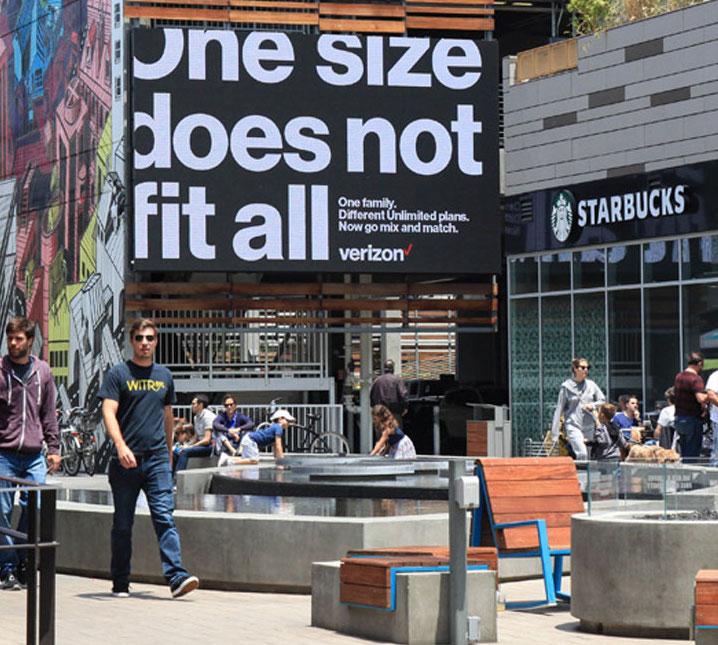
Image courtesy of outfrontmedia.com. In this article, we’re breaking down the essentials of OOH advertising for small businesses:
- What exactly does out-of-home advertising encompass?
- Why should you consider OOH campaigns?
- How do you put these campaigns into action? We’ll also showcase some of our favorite campaigns to spark your creativity. Let’s dive in.
What is out-of-home advertising?
The name says it all: advertisements that connect with your audience while they’re out and about. The most prevalent forms of OOH ads include:
- Billboards, both digital and traditional.
- Street “furniture” like benches, bus shelters, and kiosks.
- Public transportation ads, such as wrapped buses and taxis, or ads in subways and trains.
- Point-of-sale (POS) displays, like those found in the back of taxis. Beyond these, there’s a whole world of less conventional examples, such as sponsored cups at sporting events and ads on gas pumps or even trash cans. The term “out-of-home” is intentionally broad.
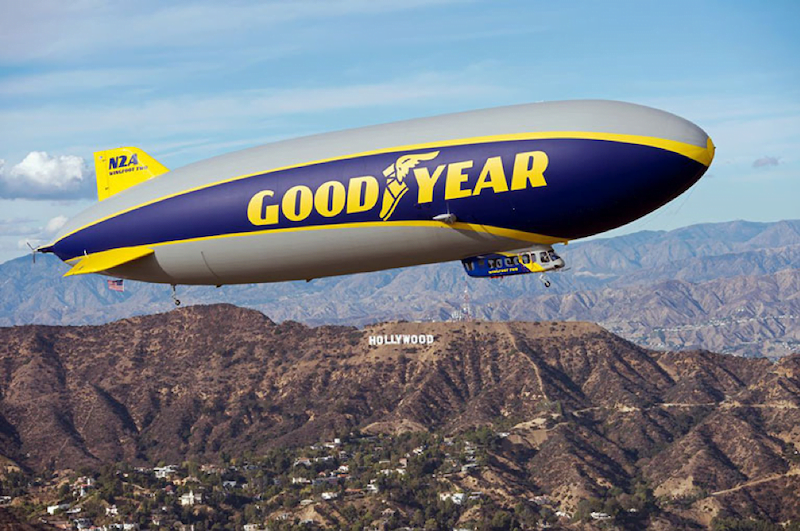
Out-of-home advertising, technically.
Why should small and medium businesses (SMBs) use out-of-home advertising?
For starters, OOH ads can’t be skipped. You can’t change the channel or use an ad blocker in the real world. These ads are large, bold, and impossible to ignore, guaranteeing that they get noticed. Plus, OOH eliminates any doubt that your product or service might not be accessible in a specific geographic location. If people are seeing your ad there, it means you’re available to serve them. But let’s talk hard data. Neilsen and the OAAA revealed that 46% of adults they surveyed admitted to searching online for a brand or product after initially encountering it in an OOH ad. Ocean NeuroScience discovered that consumers are 48% more likely to click on a mobile ad if they’ve already seen the same ad offline. Notably, OOH is the only traditional advertising sector experiencing growth, with more and more brands allocating portions of their marketing budgets to it. And perhaps most importantly, consumers tend to trust it.
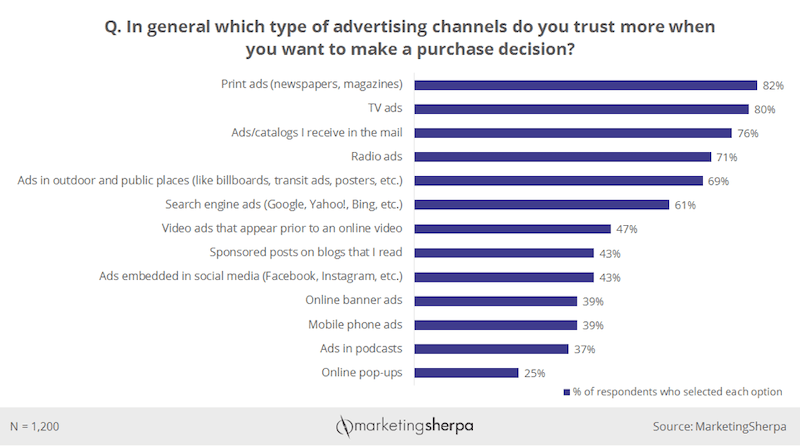
Furthermore, OOH advertising presents a fantastic opportunity to showcase your brand’s creativity. Since OOH is generally less direct-response oriented than, for instance, a paid search ad, you can highlight aspects of your brand that aren’t solely focused on driving conversions.
How to launch out-of-home advertising campaigns
Just like with any marketing channel, your first step is to pinpoint a goal for your OOH ad. This can be as broad or as specific as you like, ranging from general brand awareness to promoting an event, a new product launch, or an expansion of your services. Once you’ve nailed down the message you want to convey, it’s time to choose the optimal OOH locations for your ads. It’s important to be upfront: OOH advertising doesn’t come cheap. Similar to display advertising, the cost is determined by impressions. This system uses a metric called gross rating points (GRP), which represents the estimated number of impressions delivered by an ad schedule for a specific location—also known as a “showing.” Placement options are ranked based on these rating points, with 1 rating point equaling 1% of the target market population. This calculation factors in elements like traffic, visibility, size, and more. If you’re aiming for a month-long OOH ad campaign with 50 rating points (meaning you want to reach 50% of your target population), prepare to shell out a significant sum. That’s why selecting the right placement and crafting a compelling message are crucial. You don’t need to break the bank to achieve success with OOH advertising. When it comes to the actual purchase of ad placements and the design process, there are companies that specialize in plenty of agencies out there to help. It’s a smart move to tap into the expertise of these professionals, at least for your first foray into OOH. Remember, not all OOH is print-based. Digital OOH (DOOH) is rapidly gaining traction! Think of DOOH as the digital counterpart to traditional OOH—imagine digital billboards, bus stop ads, or taxi cab displays. These DOOH placements can be purchased programmatically, often involving less manual labor (you’d be surprised how much time it takes for city subway workers to swap out old ads for new ones).
Strategies for creating impactful out-of-home advertising campaigns
With your strategy in place and a plan for buying OOH ads, it’s crucial to maximize the return on your investment. Here are four strategies for crafting highly successful out-of-home advertising campaigns.
1. Make it shareable
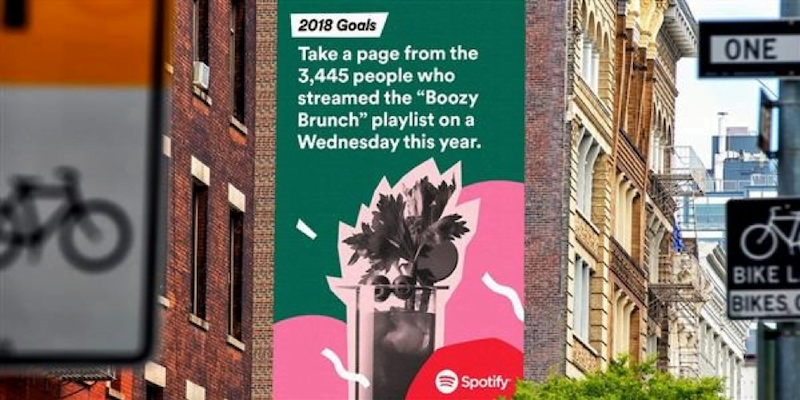
Above all else, your campaign needs a captivating idea that aligns with your goal. The most effective OOH ads are those that people can’t resist photographing and sharing with friends, or anything that makes passersby do a double-take. The longer you can keep eyes glued to your ad, the higher the likelihood that your audience will remember your brand and seek it out later. This 2017 Spotify campaign ingeniously highlighted some of the platform’s most popular playlists and users. It was undoubtedly a hit with the public—I can personally vouch for taking pictures of these ads in subway stations!

Check out this Mike’s Hard Lemonade mural—it’s practically begging Instagrammers to strike a pose in front of it. Who wouldn’t want a photo op with the Notorious B.I.G. in Brooklyn?!
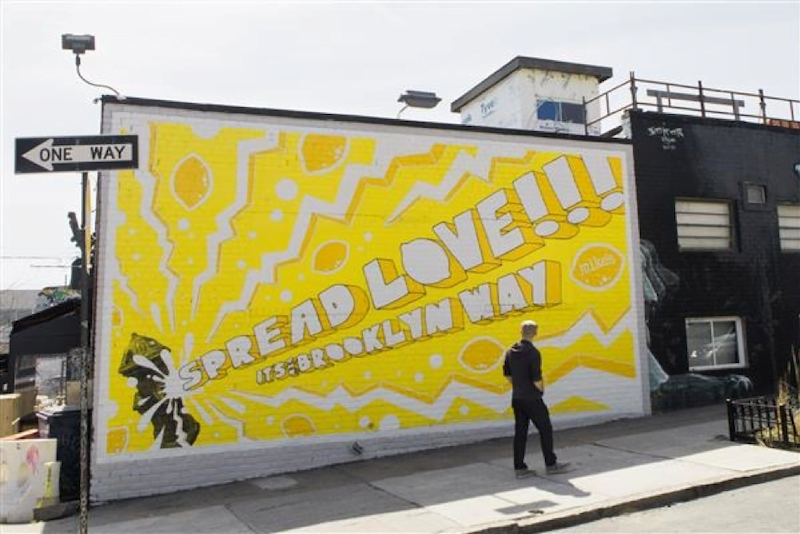
This leads us perfectly to our next strategy for crafting winning out-of-home advertising campaigns.
2. Choose your location strategically
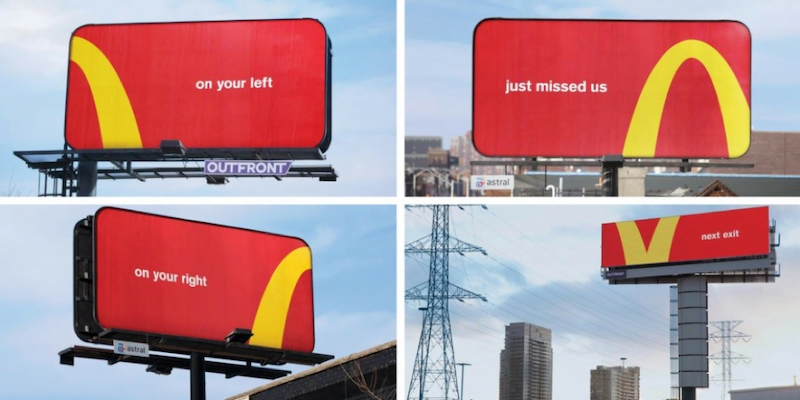
This one’s critical. Firstly, factor in your budget, target geographic area, and audience demographics when choosing a location. Secondly, the placement of your ad will dictate its physical size, which in turn influences your design and copy—consider the difference between a bus stop ad and a towering billboard. Lastly, don’t underestimate the importance of proximity when selecting a placement. Here’s a relatable example: the easiest way to snag a fantastic happy hour deal is by scanning sidewalk signs while strolling down the street. That type of advertising often boasts a high conversion rate (“Two tacos and a Tecate for $7? Sign me up!”) and could be a perfect fit for your business if you’re situated in a bustling area. McDonald’s demonstrated masterful use of proximity with these highway billboards. The company understands that those iconic golden arches are universally recognized:
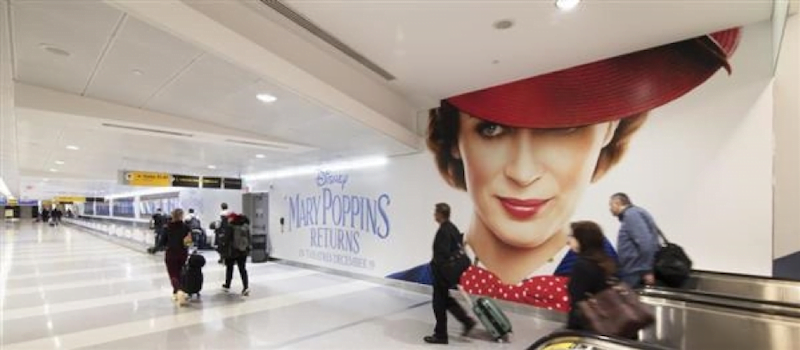
Disney also exhibited savvy placement with this Mary Poppins campaign, creating an eye-catching and engaging display that aligns perfectly with the Mary Poppins brand!
3. Scope out the competition
Before committing to a specific location or message, take some time to observe OOH ads from your competitors. What are their objectives? What design approaches are they using? What resonates with you about their ads, and what opportunities are they missing? Incorporate these competitive insights into your own creative process and placement decisions. You can choose whether or not to position your ad directly next to a competitor’s, perhaps highlighting lower prices or superior quality. However, be mindful that this could escalate into a public feud—it’s best to avoid starting a battle you can’t win. There was a time when Audi and BMW engaged in a memorable billboard war. It all began with a simple Audi ad and snowballed into a viral social media phenomenon, with fans of both brands photoshopping witty responses onto the billboard. Here’s a glimpse of the action, and you can delve deeper into the story here:

4. Keep it concise
When it comes to OOH ads, brevity is key. Stick to short, direct copy—ideally, no more than 14 words on your ad. While that might seem limiting, you can achieve a lot more than you think with a concise message! Remember, your design should do most of the talking. This Knox campaign exemplifies the power of concise copywriting that complements the design perfectly (although the close-up images of creepy crawlies might make some viewers a bit squeamish).
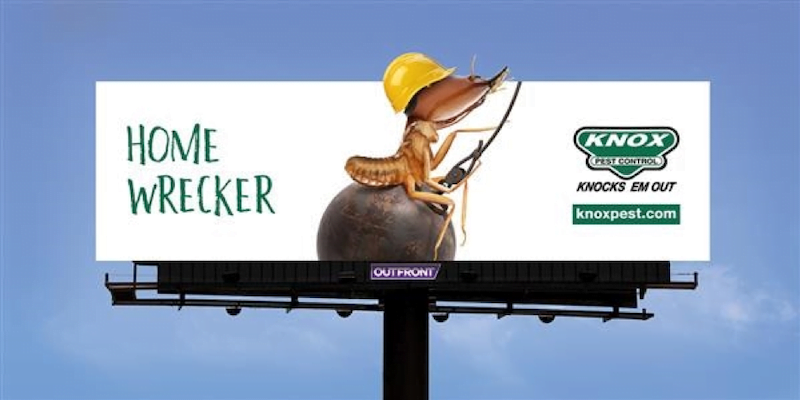
This 2016 #WhatsHappening campaign from Twitter skillfully uses a simple photo and a hashtag to emphasize the wealth of global news circulating on the platform.

Time to brainstorm your OOH advertising campaigns
We’ve covered the essential elements of out-of-home advertising campaigns that every small business should know. Now it’s your turn to take the reins. Gather your team, unleash your creativity, and explore how you can connect with your customers through the power of OOH!