Changing a company’s brand is a significant task, especially when it involves a new name and website address. We speak from experience—we rebranded from Logojoy to Looka earlier this year after months of preparation and effort.

Google Ads is a crucial platform for us to gain new customers, so it was essential to develop a rebranding campaign strategy months in advance. We encountered challenges and gained valuable insights throughout the process, which we’d like to share with other companies undergoing a similar transformation. It can be intimidating, but it’s achievable. Here’s our 11-step guide to successfully updating your Google Ads campaigns for your rebrand.
Preparations Before Your Rebrand Launch
The first eight steps should be completed four to five months before your company rebrand launch to provide ample time for testing, troubleshooting, and involving necessary team members.
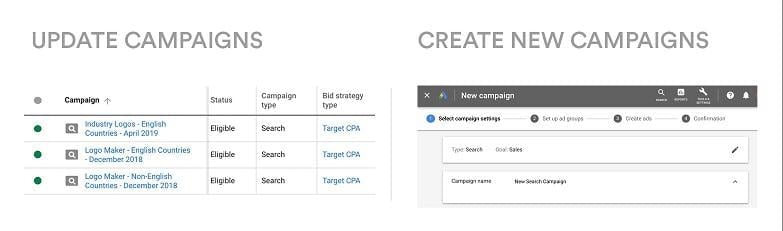
1. Decide Between Updating Existing or Creating New Search Campaigns
Updating existing campaigns is generally more advantageous unless your rebranding targets a completely new market with different keywords, or if you’re introducing a new brand or product line (like a sub-brand).
This way, you can utilize past knowledge and performance data. If you do require new keywords, be prepared to establish completely new search campaigns.
2. Ensure Conversion Tracking on Your New Website
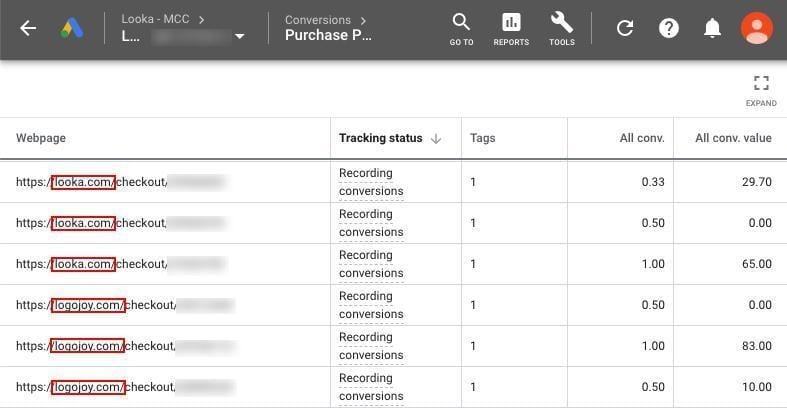
If you’re changing your domain and intend to shut down your old site, redirecting traffic to the new one, you can implement the same Google Ads conversion tag from your current account. This simplifies the process significantly.
3. Optimize Your Account Thoroughly
Before the rebrand, ensure you have at least three expanded text ads and one responsive search ad active per ad group. This should already be in place if you’re using the same keywords. Aim for an optimized account in excellent condition before the rebrand.
Ensure you:
- Utilize all relevant ad extensions (sitelinks, callouts, price, etc.).
- Remove irrelevant search terms.
- Achieve a Keyword Quality Score of 8 or 9.
4. Minimize Major Changes to Your Search Account
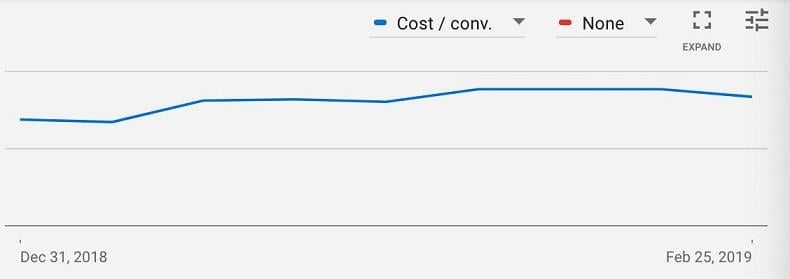
When using automated bidding (target CPA or ROAS), ensure the algorithm is stable. This helps isolate any performance fluctuations specifically related to the rebrand.
The key takeaway? Implement major changes early and allow them to stabilize well before the rebrand launch.
5. Compile a List of Brand Name Update Locations
Brand names can appear in numerous places. Meticulously review your copy, checking areas like:
- Expanded text/responsive search ad copy (headlines, descriptions, display paths).
- Ad extensions.
- Landing pages (including ad and extension URLs).
6. Test Your New Website’s Landing Page Conversion Rate
If both websites will be live concurrently, use Google Ads’ campaign drafts and experiments to direct some traffic to your new site. Update ad copy, extensions, and landing pages to the new brand name within your campaign draft.
Important: Before replacing your old brand name with the new one, consider:
- Character Length: Adjustments might be needed if the new name is longer.
- Context: Does your message remain consistent, or does the new brand require a different value proposition? Craft new copy if necessary.
- Landing Page Relevance: Ensure your landing page remains relevant to search queries.
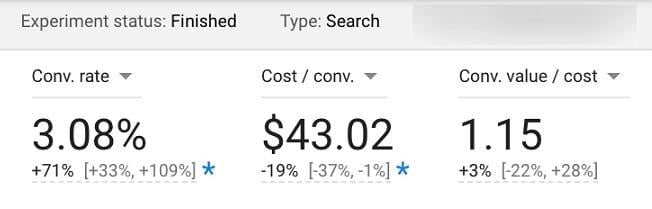
After launching the experiment, closely monitor the conversion rate. Earlier testing provides more time for data collection, analysis, and landing page optimization. Learn from our mistake of late testing and insufficient data. Continue refining landing pages until you achieve a conversion rate comparable to, or better than, your old site.
7. Prepare Branded Search Campaigns
Running branded search campaigns is crucial, especially during a rebrand. This raises awareness about your new brand before competitors target your old brand terms.
We made the mistake of not prioritizing this, allowing competitors to capture our traffic. Once addressed, we saw significant improvements.
If you already have branded campaigns, ensure you:
- Create new ads informing users about the rebrand.
- Schedule new ads to launch and old ads to pause on rebrand day using labels and automated rules.
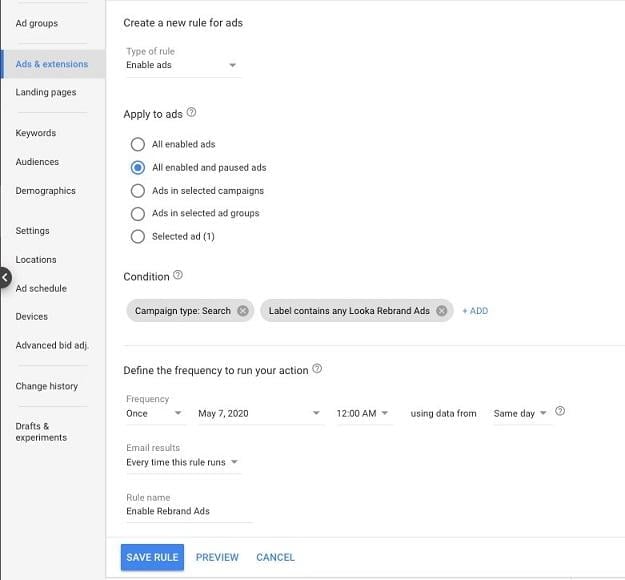
Additionally, create a new branded search campaign for your new brand, highlighting the rebrand using phrases like “formerly” or “is now.” Schedule this to go live on launch day.
8. Create Sitelink Extensions Leading to a Dedicated Rebrand Landing Page
Provide a way for users to learn about your rebrand. A dedicated landing page can address:
- Reasons for rebranding.
- Changes being made.
- Frequently asked questions
Once ready, add these sitelink extensions to your ads, scheduling them for launch day.
Rebrand Launch Day Activities
The day has arrived! Have a dedicated person or team handle these next steps:
9. Update Existing Campaigns
Apply your winning experiment if available. If not, manually update, ensuring character length, context, and landing page relevance are addressed. Use “find and replace” to update ads with the new brand name and landing page.
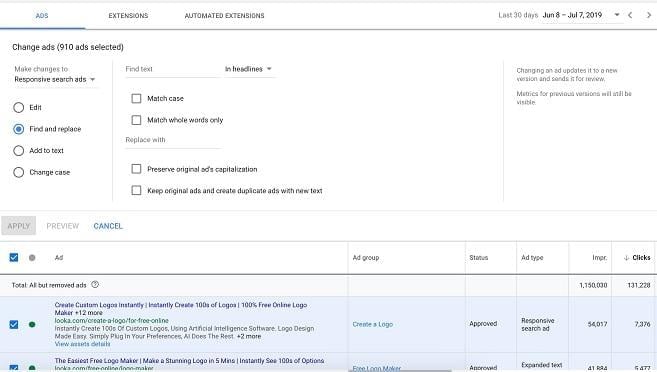
Note: Update during low-traffic periods, like late at night or early morning.
10. Verify Branded Search Campaigns and Ad Extensions are Live
Don’t repeat our mistake! With preparation, this step involves checking:
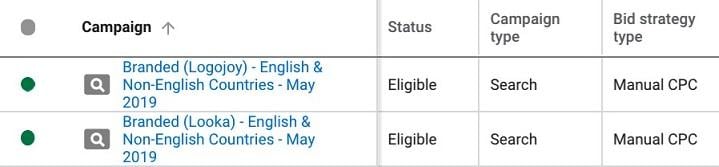
- Campaign status is “Enabled.”
- Start date is your rebrand launch date.
- New ads are enabled and approved, while old ads are paused.
- Impressions and click data are being recorded.
11. Closely Track Results and Make Necessary Adjustments
Expect a slight dip in ad performance initially. If preparations were thorough, performance should recover quickly.
Here are some helpful tips:
- Monitor your “day one” conversion rate over several weeks prior to the rebrand for a baseline comparison.
- Investigate technical issues or test new landing pages if a conversion rate dip persists.
- Consider temporarily loosening automated bidding targets (ROAS, CPA) to encourage more aggressive bids and counter initial conversion dips.
- Continuously refine ad copy and landing pages for optimal performance.
Ready for Rebranding
There you have it! Meticulous updating, optimization, and testing of your search campaigns equip you to confidently handle your company rebrand.
Remember: Start early and be attentive to details. Ensuring your ads are aligned with your new brand identity, messaging, and run seamlessly, maximizes your chances of success and adoption by existing and new customers.
Achieving this paves the way for a successful rebrand, especially from a paid search perspective!