In recent years, Google has emphasized a mobile-first approach as smartphone usage for searches surged. In 2016, they demonstrated this commitment through significant changes. They redesigned the desktop search results page to mirror the cleaner mobile format, empowered advertisers with more control over mobile and tablet bids, and launched price extensions specifically for mobile ads, improving both aesthetics and performance. Furthermore, they’ve revealed their intention to transition towards a mobile-first search index.
Just this week, Google announced another mobile ad extension: message extensions.
Understanding Google Ads Message Extensions
Similar to other ad extensions, message extensions can appear alongside an advertiser’s existing ads on the search results page, generally enhancing their size, features, and click-through rates.
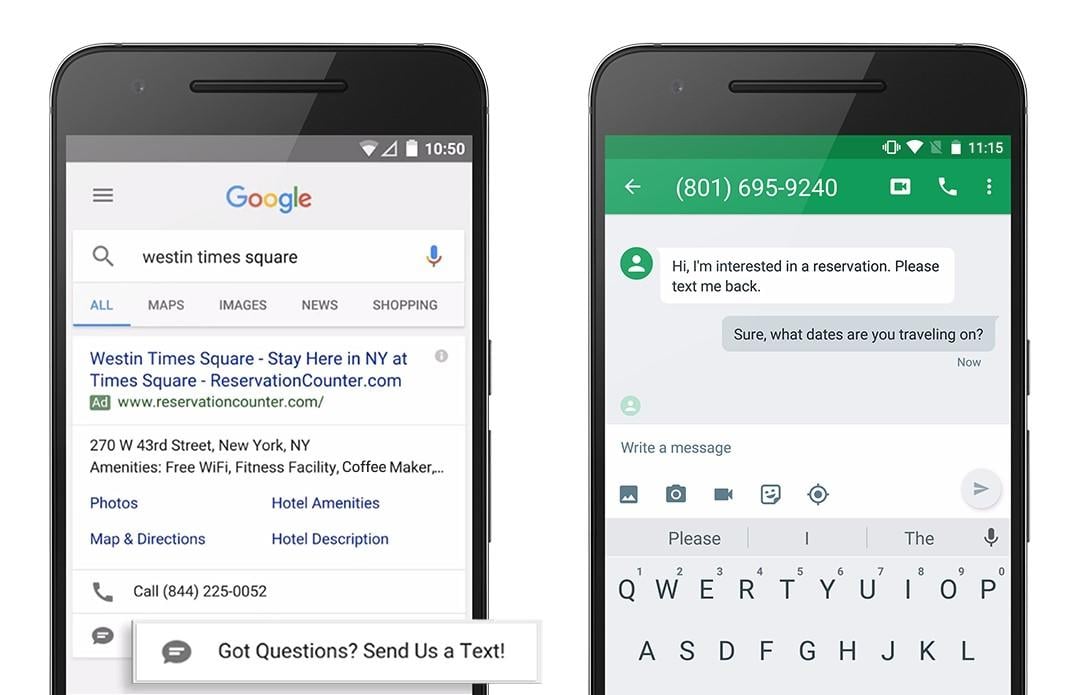
The key innovation here is evident in the image above: message extensions allow users to directly text a business right from the search results page! Advertisers can even provide pre-written text messages, simplifying the process for mobile users seeking quick interactions. Notably, Google Ads (previously Google AdWords) charges the standard cost-per-click fee when a user engages with a message extension, just as they would for clicking on the ad’s headline or another extension.
Integrating Message Extensions in Your Google Ads Account
While currently accessible to a limited number of accounts, Google assures us that message extensions will be rolled out to all advertisers in the coming weeks.
Advertisers can implement message extensions at either the ad group or campaign level via the ad extensions tab. Upon creating a new message extension, the following prompt appears:
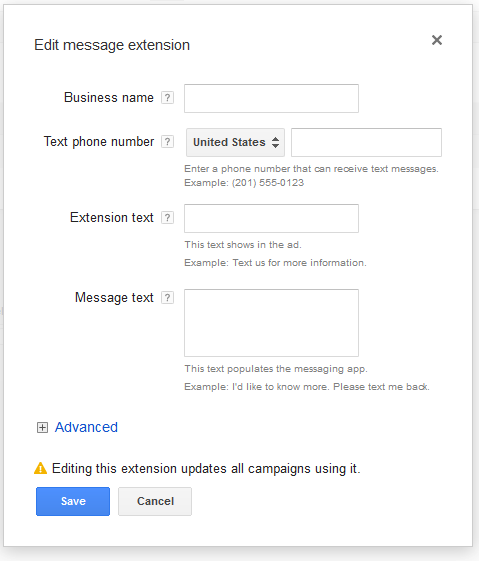
The required information is as follows: Business Name (25 Characters): Use a familiar business name for easy recognition. Text Phone Number: This number will be used by users to send text messages. The key requirement is the ability to receive SMS messages. Naturally, landlines are excluded, but you are free to utilize any texting service your business prefers, be it a sophisticated SMS system or even a designated mobile phone number. Extension Text (35 Characters): This concise text snippet will be displayed alongside your ad on the search results page. Use clear language like “Text us” or “Message us” to indicate that clicking will initiate a text message. Message Text (100 Characters): This pre-filled message will appear in the user’s default messaging app after clicking your extension. Craft this message strategically to initiate a conversation with your sales team. Specific prompts like “I’m interested in scheduling an appointment” or “Tell me about upcoming events in Boston” are more effective than generic phrases like “I’d like to know more” or “Call me,” leading to more productive interactions and potentially higher conversion rates.
Evaluating the Effectiveness of Message Extensions
Like all ad extensions, Google Ads Message Extensions are proven to boost click-through rates. Beta testing has shown significant improvements in mobile click-through rates when these extensions are displayed. Five distinct nexus-security Managed Services clients participating in the beta phase experienced CTR enhancements through message extensions, achieving an average CTR uplift of 50% compared to the mobile ad alone! The effectiveness of these extensions even rivaled that of call extensions.
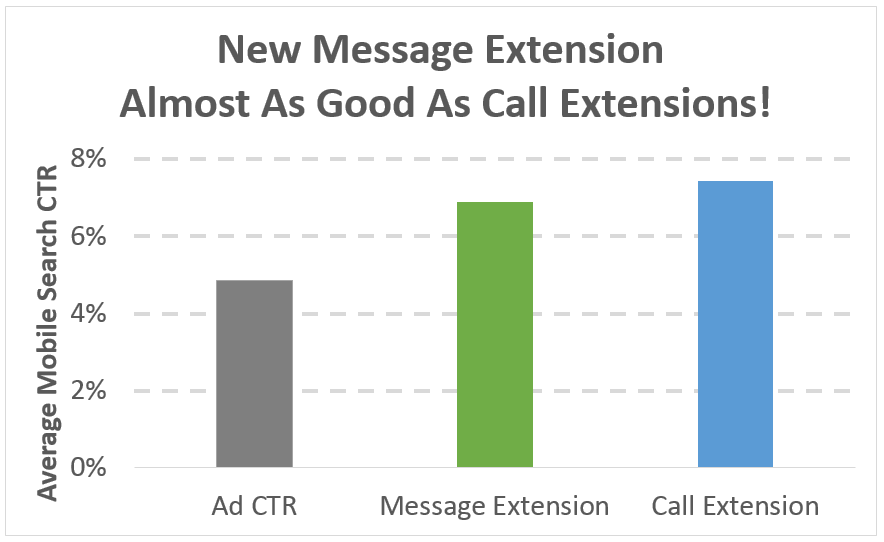
Beyond increased leads and higher CTR, incorporating these new message extensions also brings additional benefits. Similar to other extensions, Google Ads Message Extensions can enhance your ad’s relevance and Quality Score.
Best Practices for Utilizing Message Extensions and Click-to-Message Ads
Refining Your Mobile Search Strategy
Message extensions are exclusive to mobile devices and might not always be visible. Succeeding on the mobile search results page can be challenging; if your message extensions aren’t appearing consistently, consider increasing your mobile bid adjustment or improving your Quality Score.
Tailoring Message Extensions to Different Customer Segments
Ensure your message and extension text resonate with all potential customers. You might need distinct message extensions for different products or services. For instance, if someone is looking for an appointment in Boston, their message shouldn’t be routed to your team in New York, and vice versa.
Scheduling Your Extensions
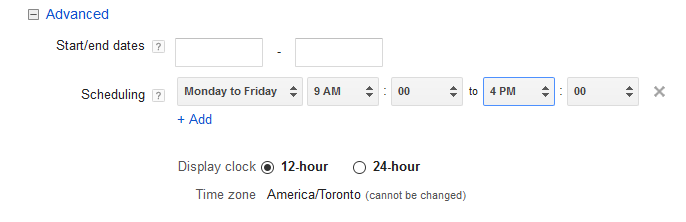
Even with the best intentions, even Larry Kim requires rest and downtime. If you or your team are unavailable to respond to messages outside of business hours or during weekends, schedule your extensions to appear only when your team is prepared to engage with customer inquiries.
The Drawback of Message Extensions – Absence of Conversion Tracking!
It’s important to acknowledge a current limitation: while advertisers can monitor the number of impressions and clicks on their message extensions like any other Google Ads extension, Google currently lacks the capability to track text messages originating from message extensions as conversions within Google Ads.
Consequently, advertisers seeking to gauge the volume of text messages generated by their message extensions need to establish their own tracking mechanisms. Some advertisers have achieved this by either tracking the number of texts containing their pre-set message text or by utilizing a dedicated phone number exclusively for Google Ads message extensions.
As Google prepares to introduce this extension to all advertisers in the upcoming weeks, keep an eye out for it within your account!
Data Sources:
The aggregated data presented here is derived from a sample of five nexus-security client accounts granted early beta access to Message Extensions. These accounts were actively advertising on the Google Search Network during September 2016.