Even with advanced ad targeting and technology, advertising frequently misses the mark on accessibility and inclusivity. Misrepresentation of certain demographics (or their complete absence) persists, and some ads fail to connect with their intended audiences.
Therefore, accessibility and inclusivity should be integral to your campaign from the initial conceptualization phase. These are not mere add-ons but fundamental elements that dictate a campaign’s success, reach, and resonance.

Image source However, many ad strategists overlook these vital aspects, possibly due to a lack of understanding on how to create universally appealing campaigns. This post aims to:
- Define accessibility and inclusivity within the context of advertising.
- Emphasize their importance as key components of successful ad campaigns.
- Outline strategies to ensure both are incorporated throughout your campaign creation process. Let’s begin by defining accessibility and inclusivity in advertising.
Accessibility and Inclusivity in Advertising: A Definition
Although often intertwined, accessibility and inclusivity are distinct concepts. A clear understanding of each is crucial before analyzing their impact on campaigns, as conflating them can lead to inadequate implementation.
Accessibility in Advertising
Accessibility refers to the ability of individuals with physical or cognitive impairments to experience campaigns fully. Campaigns should not exclude anyone based on their inability to see, hear, or engage with the advertisement due to other limitations.
With over 22% of people in the United States and 15% worldwide living with disabilities (refer to these diversity, equity, and inclusion in marketing statistics), failing to accommodate them can limit your reach and project insensitivity. Ad strategists must identify potential shortcomings and make necessary adjustments.
However, this is often easier said than done. Lack of accessibility often stems from fundamental design flaws during the initial campaign conceptualization. Advertisers must consider how individuals with disabilities will perceive (both visually and aurally) the ad and make necessary accommodations.
For instance, brands are increasingly incorporating both subtitles and narration in their multi-platform ads to cater to audiences with hearing or visual impairments.

This is a starting point for enhancing ad accessibility, reflecting the right mindset when considering the audience’s experience. Similar to accessibility, inclusivity in advertising requires ongoing efforts.
Inclusivity in Advertising
Inclusive ad campaigns acknowledge and represent people of all genders, races, and backgrounds. It goes beyond mere diversity.
Historically, advertisements have often underrepresented various genders and backgrounds. Unrealistic beauty standards and limited minority representation have prompted a reassessment of casting and portrayal in advertising.
Body-positive, minority-led, and non-stereotypical campaigns are becoming increasingly prevalent. For example, clothing brand Aerie’s #AerieREAL campaign showcases real women from diverse backgrounds who are making a difference, challenging the conventional norms of representation in national and global campaigns.
Inclusive campaigns broaden perspectives, empower individuals, and foster a more understanding environment. Prioritizing accessibility and inclusivity not only benefits the audience but also expands our own horizons. RELATED: 10 Diversity Equity & Inclusion Resources for Small Businesses
Why Accessibility and Inclusivity Matter in Advertising
Embracing accessibility and inclusivity is not a one-time task but an ongoing commitment. Integrating these values into all facets of marketing is crucial for several reasons:
1. Enhanced Reach and Relevance
Accessible and inclusive ads inherently reach a wider audience and resonate more deeply. Neglecting these aspects can severely limit a campaign’s impact. For instance, what if your Facebook video ad relies solely on narration while targeting an audience with a significant portion of deaf individuals?
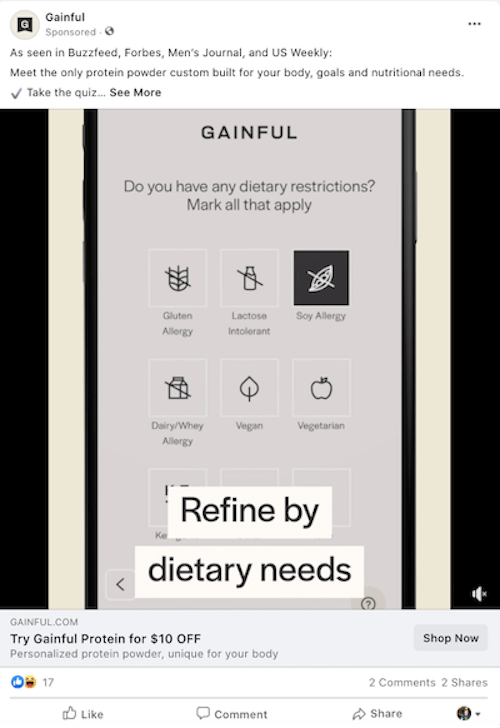
Similarly, a campaign featuring a homogenous cast might alienate potential customers who feel excluded.
Even with targeted advertising, overlooking accessibility and inclusivity can be detrimental, causing you to miss out on potential customers who might have been drawn to your product otherwise.
Ultimately, embracing these attributes leads to more successful and impactful ads.
2. Potential Legal Consequences
The legal landscape surrounding ADA accessibility in advertising and marketing is complex. Over the past few decades, guidelines and resolutions have aimed to ensure businesses make their websites and advertisements accessible.
However, enforcing these laws has been challenging due to varying interpretations and the need for further clarification. Nevertheless, it’s crucial to address accessibility in all marketing efforts to avoid potential lawsuits.
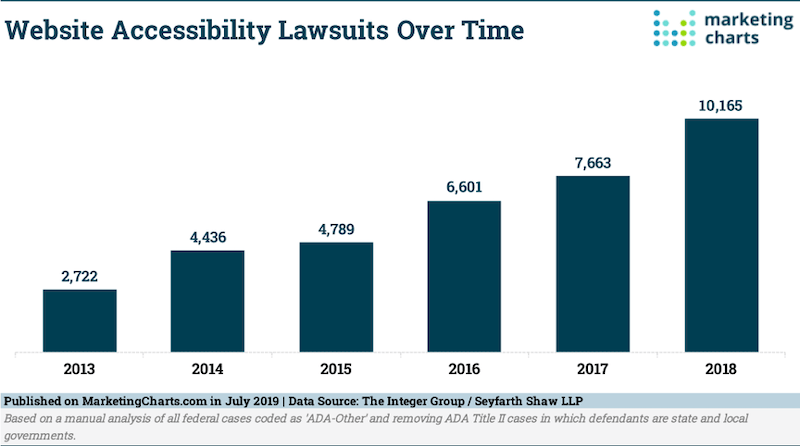
Despite legal ambiguities, website accessibility lawsuits have been steadily increasing, with over 10,165 cases reported in 2018.
To mitigate legal risks, implement necessary website adaptations and prioritize accessibility in campaign design.
3. The Ethical Imperative
Beyond strategic and legal reasons lies a fundamental moral obligation.
Businesses should strive to be inclusive, ensuring their message and marketing are welcoming to everyone, regardless of ability or background. Everyone deserves access to and understanding of the advertisements they encounter.
Fostering Accessibility and Inclusivity in Advertising
Businesses must proactively ensure their campaigns are inclusive and don’t leave anyone behind. Fortunately, the adjustments required are often minor but yield significant impact. Embracing these principles benefits your company in the long run and allows a wider audience to appreciate your work.
So, how do you achieve this? Here are four tips to improve accessibility and inclusivity in your advertising:
1. Utilize Randomized Focus Groups to Mitigate Bias
Sometimes, proximity to a project can cloud judgment. Seeking external feedback and diverse perspectives strengthens campaigns.
Focus groups are invaluable for identifying personal biases and ensuring ad accessibility and diversity. They provide a platform for gathering diverse viewpoints on whether your advertisement effectively addresses these attributes. You gain insights from fresh perspectives and understand how consumers interpret your ad.
Unintentional use of stereotypes in ad creative is not uncommon. Only 76% of female marketing professionals believe they create ads free from gender stereotypes.
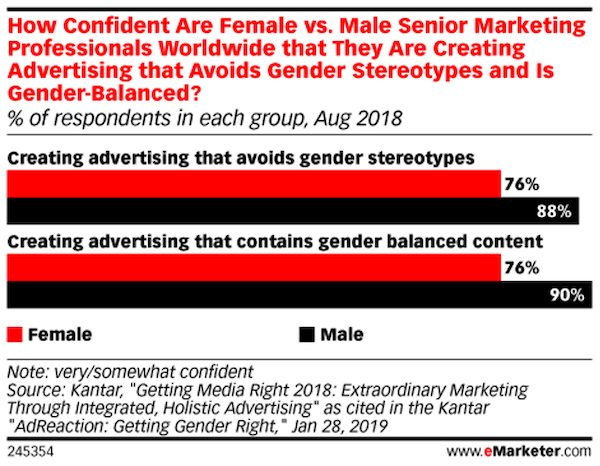
Despite precautions, subconscious biases can seep into creative work. Feedback from multiple sources, including focus groups, helps create a well-rounded campaign that considers all crucial aspects.
2. Redesign Your Website with Accessibility in Mind
Advertising extends beyond creative elements; your entire funnel, including your website, must be accessible and inclusive.
Most websites require an overhaul to align with ADA guidelines and ensure accessibility and inclusivity. Some common steps include:
- Ensuring sufficient contrast between text color and background for colorblind individuals.
- Adding alt text to images for visually impaired users.
- Incorporating auditory cues and site readers for the hearing impaired.
While redesigning your site with these features might seem daunting, it’s crucial. These changes significantly impact how people perceive your content.
For instance, the website for Dev Art could benefit from increased contrast between the text color and gray background, as it might pose challenges for colorblind individuals.
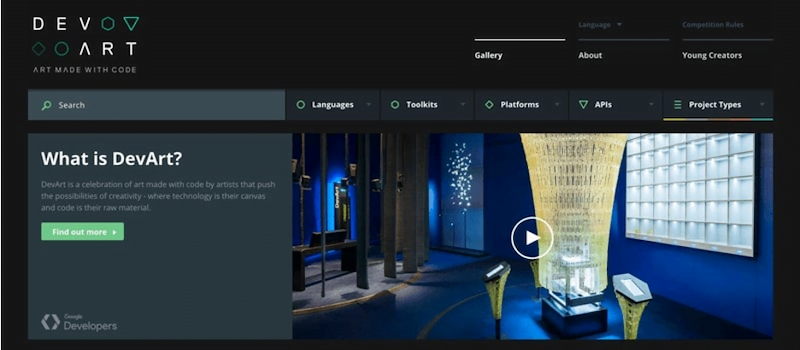
An accessible website ensures that everyone who encounters your ad can complete the call to action, regardless of any disabilities.
3. Integrate Narration and Subtitles in Digital Ads
Incorporating narration and subtitles is a simple yet impactful adjustment for digital ads running on platforms like Facebook, Instagram, and Twitter. This allows individuals with audio or visual impairments to experience the advertisement fully.
Adding narration or subtitles to digital ads is relatively easy. You can easily record and implement a voiceover for video ads. For subtitles, Facebook’s caption feature allows for easy caption addition with just a few clicks. You can even preview and edit auto-generated captions before publishing. Once reviewed, click “Save to Video” to add them to your content.
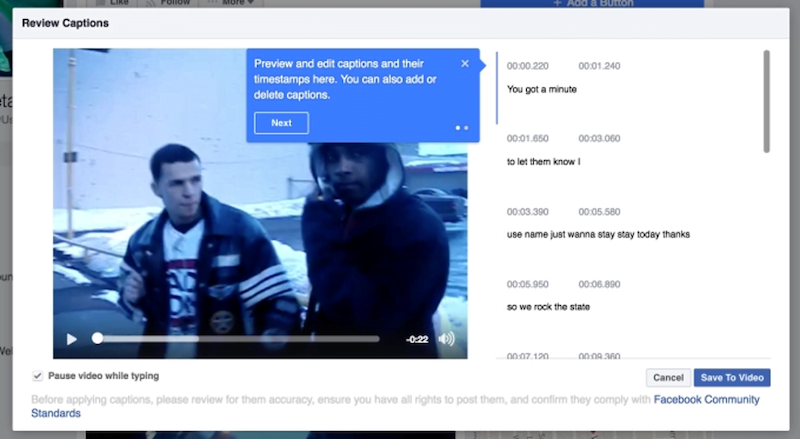
Image source These minor tweaks significantly expand your campaign’s reach.
Developing a Proactive Accessibility and Inclusivity Strategy
Understanding the importance of accessibility and inclusivity is insufficient; actively integrating them into all aspects of your marketing is crucial. They are fundamental to successful advertising, broadening reach, mitigating legal risks, and upholding ethical standards. To ensure your campaigns are accessible and inclusive:
- Conduct focus groups to eliminate bias.
- Design your website to accommodate impairments.
- Add narration and subtitles to your advertisements. These strategic changes position your campaign for success while guaranteeing everyone who sees your ad can enjoy it on their own terms.