A few weeks back, the idea of hiring myself for a project crossed my mind. Sounds absurd, I know! It is, and I wouldn’t have considered it had I not fallen prey to identity theft!
This experience is something I feel compelled to share with my fellow freelancers. There’s nothing amusing about the lessons I learned, and I certainly didn’t learn them the easy way. That’s precisely why I’m putting this article out there, and why it deserves your attention.
A Skype chat marked the beginning.
My Skype pinged with a message from someone claiming to have hired me via a freelancing platform. He explained that, after working on a project for a while, he realized the person wasn’t as skilled as they claimed, leading to the discovery that the freelancer wasn’t actually me!
He shared every bit of information he had – contact details, profile, everything. Reviewing it all, I was floored.
This impersonator had meticulously crafted a persona mirroring mine. My profile picture, pilfered from Facebook, adorned his profile. My portfolio and skills, lifted directly from my Toptal profile, were on full display, alongside content stolen from sites like LinkedIn.

How is this even possible?
Delving deeper, I uncovered that this wasn’t a rare occurrence. It’s incredibly common and a growing menace!
Just like in many other sectors, this act of pilfering intellectual property for an unfair advantage is rampant in freelancing.
Unscrupulous individuals create profiles on open freelance platforms, masquerading as experts with years of experience under their belts. They use these stolen profiles to snag jobs and demand inflated rates.
Open freelance platforms often lack rigorous background checks, giving them limited control over the content their members post.
This lack of member vetting creates fertile ground for identity thieves to exploit.
Let me be clear – I’m not implying they intentionally facilitate fraud. It’s a consequence of their structure. We’re talking about open networks, which inherently have relaxed background checks. If they didn’t, they wouldn’t be open, right?
On the flip side, clients seeking hiring freelancers frequently accept online portfolios at face value. They conduct interviews without video calls or place excessive trust in online interactions.
This makes them sitting ducks for these unethical actors. Fake profiles become tools to secure real jobs and generate actual income.
Am I a victim? Here’s how to tell.
This one’s pretty straightforward.
Just Google yourself and check for your presence on major freelancing platforms.
However, remember that some platforms allow users to remain hidden from public view. So, you might need to register on the platform and log in to search effectively.
Bear in mind that this might not be foolproof, especially for common names, as searches could yield numerous results.
These impersonators are crafty; they use alternative spellings and other tactics to keep their fraudulent identities hidden.
Preventing this: Is it possible?
Achieving 100% protection is a pipe dream.
So, what’s the recourse?
While you can’t completely eliminate the risk, you can certainly take steps to bolster your privacy.
Your goal isn’t to create an impenetrable fortress but to make identity theft so tedious and time-consuming that attackers look elsewhere. Essentially, stronger security deters attackers and forces them toward easier targets.
Here are a few straightforward measures:
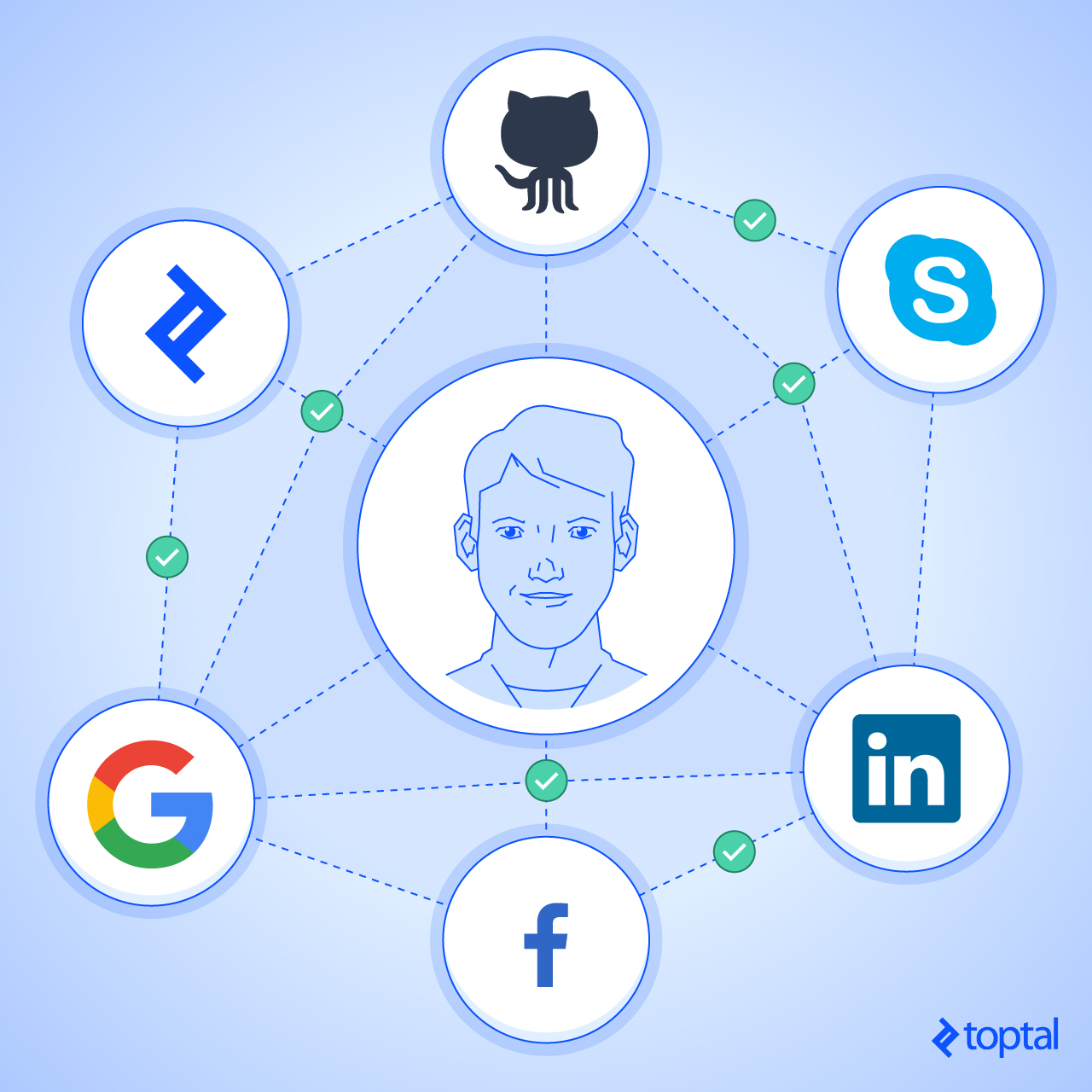
Interlink your profiles across all public platforms you utilize: email, email signature, Skype, and so on. If you have a personal website, link your Toptal profile, Skype, LinkedIn, Facebook, Twitter, and any other relevant accounts.
On each of these platforms, explicitly state that these are the only accounts you use. A simple background check revealing communication from a different account should raise red flags, prompting potential clients to seek additional information (hopefully from your legitimate accounts).
For added protection, create accounts on various freelance networks, even if you don’t intend to use them. Replicating a profile on a network where your genuine profile already exists is challenging, making fraud detection easier. If a fake profile surfaces, you have your original to file a complaint.
It’s crucial to remember that none of these strategies guarantees absolute immunity from identity theft.
Think of it this way: installing a state-of-the-art alarm system in your car doesn’t make it theft-proof. It just makes your car a less appealing target, as thieves gravitate toward easier prey.
This same deterrence principle applies to online security. Your aim isn’t to construct an impenetrable barrier around your professional identity but to create enough hurdles to make stealing it more trouble than it’s worth.
The industry needs a crackdown.
Why am I making a mountain out of a molehill? We’re talking about small-time freelancers, right? The financial damage is insignificant compared to, say, overall cost of identity theft or large-scale intellectual property theft.
Well, for starters, it’s not about the money.
We’re professionals.
Every freelancer pours their heart and soul into building their reputation. Having someone pose as you jeopardizes that hard work, potentially causing lasting damage. Just ask Susan Greene, a copywriter who experienced this firsthand on Elance.
Clients who unwittingly hire these impostors become victims of fraud themselves. Once they realize this, they might reach out to you, desperate for help.
You don’t want strangers contacting you about payments for work you never did. But it happens, and sometimes, these clients seek your assistance in resolving the situation.
Professional networks targeted by these fraudsters (like Toptal) also face reputational and financial risks, making them victims too.
While the immediate financial impact on these platforms might seem insignificant, the reputational damage can be substantial and have long-term consequences. This is why the industry must treat this issue seriously and implement stricter measures to combat identity theft on their platforms.
We’re all in this together, and it’s high time we started acting like it.
Why my experience should matter to you.
The answer is simple – it happened to me!
Initially, I laughed it off.
But after two weeks of exchanging generic emails with the platform’s support team, frustration set in. I received repetitive responses stating they were “working on my case” and “thanking me for bringing it to their attention.”
I even offered to send a copy of my ID for verification.
They verified my account, but nothing changed. More generic responses followed, stating they couldn’t disclose the investigation’s outcome to “protect the member’s privacy.”
This was absurd on multiple levels, considering I was the one whose privacy was violated.
I realized I had to take matters into my own hands.
My research led me to the Digital Millennium Copyright Act (DMCA) Takedown Notice.
A DMCA notice is essentially a formal complaint anyone can file if their copyrighted material is used without permission.
Note: Misusing DMCA notices is becoming increasingly common. Some misinformed individuals attempt to use them to remove legitimate content they find objectionable. This practice is unethical and risky, as filing baseless DMCA notices can have legal ramifications in most jurisdictions. Don’t misuse DMCA notices! Use them only when you’re certain your copyright has been infringed upon. When in doubt, consult a legal professional.
Filing a DMCA takedown notice: A how-to guide
Several some services offer to handle the entire process on your behalf, but these services come at a price.
If you’re uncomfortable outsourcing your DMCA claim, you can tackle it yourself. Just be prepared for a bit of work and patience.
Step one: Identify the right recipient for your notice. Determine the legal representative of the website hosting the infringing content and identify their hosting provider.
Next, check if the company/ISP has an online DMCA takedown request form and use it if available.
If not, email is your next best option. Most companies have a legal@ email address for these matters. Tools like Headreach or Email Hunter can help you locate the correct address. If they request a different format or email address, comply promptly for a faster resolution.
Before sending your DMCA notice:
- Craft your DMCA notice letter carefully.
- Maintain a professional tone: Avoid arguing, as it’s counterproductive.
- The notice must be signed and include details about the copyrighted material, such as the author.
- Compile a comprehensive document detailing everything stolen from you.
- Include links and screenshots, particularly links to your original work.
The more thorough you are, the quicker the situation gets resolved.
Include your contact information and a statement explaining the issue and asserting the legitimacy of your claim.
You can find a sample DMCA Takedown Notice here.
The asterisks indicate fields you need to fill in yourself. It’s similar to the one I used, and it worked wonders; the fake profile vanished in under three hours.
For a deeper dive into DMCA takedown procedures from a legal standpoint, check out Sarah Hawkins’s website. This article was instrumental in resolving my situation and saved me countless hours.
Is legal action necessary?
This is a tough one.
Open freelance networks often include clauses in their Terms of Service (TOS) that shield them from liability for user-uploaded content. This means you can’t sue the platform, just like you can’t sue Facebook for someone creating a fake profile using your name.
However, you can pursue legal action against the individual who stole your identity and used your materials. Here’s the catch: since they’re impersonating you, their real identity remains unknown.
While open freelancing platforms have the means to assist in uncovering their identity, they aren’t obligated to do so. In my case, the platform likely knew who the impostor was, at least through their IP address and payment gateway details. However, citing their TOS, they refused to share this information to “protect their user’s privacy.”
This leaves the burden of proof squarely on your shoulders.
I briefly considered a less conventional approach.
My plan was to create a fake profile of my own and offer the impostor a job, hoping to glean some information about their true identity. However, I ultimately decided against it, as it felt ethically questionable.
What if I’m the one hiring contractors?
In these scenarios, multiple parties share responsibility:
- The freelancer whose identity is stolen.
- The client who unknowingly hired the unqualified impostor.
- The freelance network the impostor exploited.
Legitimate freelancers face numerous risks.
Identity theft can tarnish their reputation, potentially leading to financial losses. They also risk getting entangled in disputes between the client and the impostor.
Victims of identity theft are forced to dedicate time and resources to resolve the issue, attempting to get the offender banned while clearing their own name.
Clients who hire impostors don’t receive the services they paid for. They essentially pay premium rates for subpar work.
The repercussions for clients extend beyond financial loss. Like freelancers safeguarding their identities, clients are compelled to take action, costing them time and resources. The damage to their business can be significant, depending on the impostor’s involvement.
Open freelancer networks, due to their sheer volume of work and members, often lack the resources for comprehensive applicant vetting.
While they might not face direct financial repercussions, the threat to their reputation is undeniable. It’s in their best interest to weed out these fraudulent actors and maintain a trustworthy platform.
Here’s how clients can protect themselves from impostors:
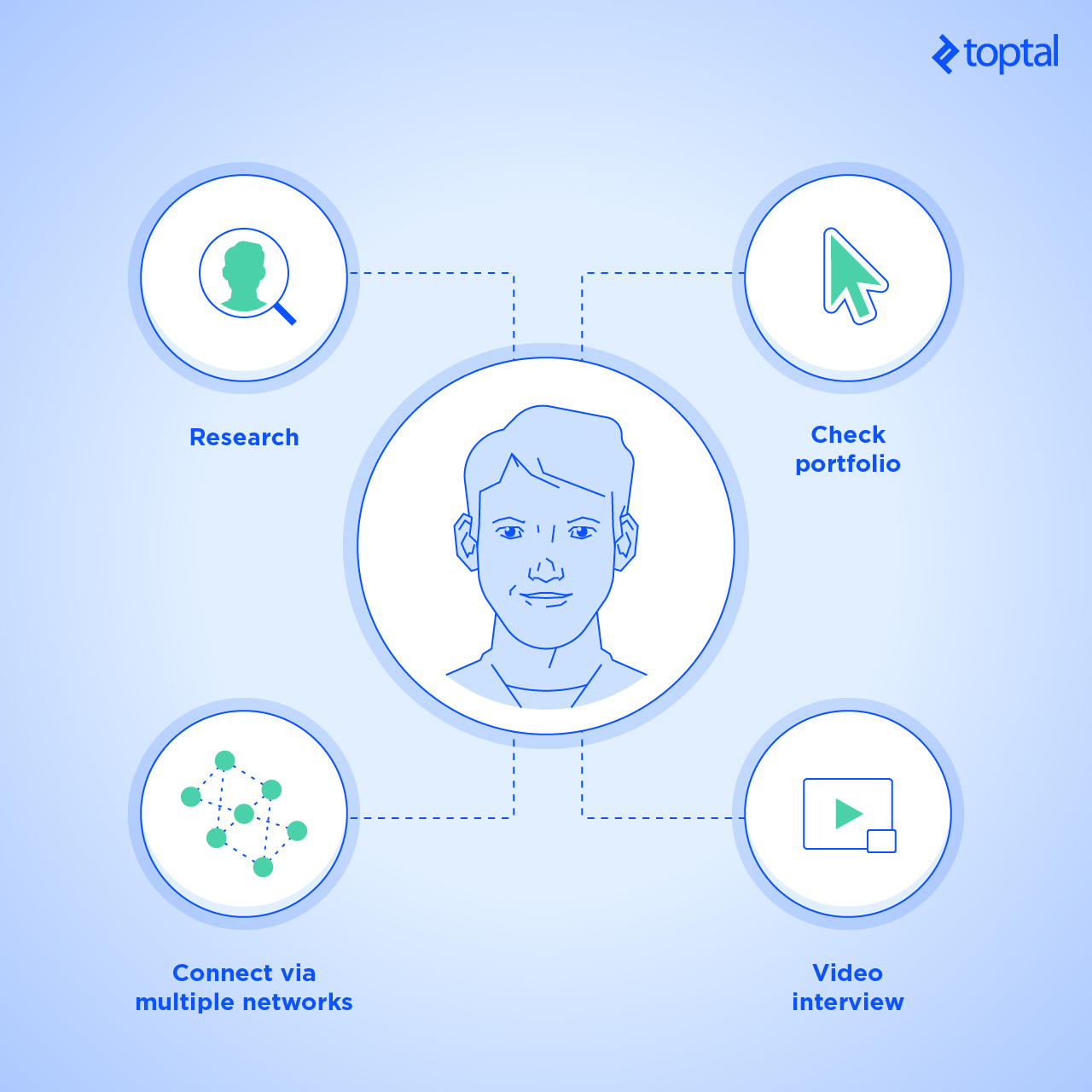
- Make these practices routine when hiring: * Thoroughly research every candidate. Google them, scrutinize their online profiles, and assess their professional skills and experience. Check if their profiles link back to the platform you found them on. Tools like Headreach and Email Hunter can help verify the email address they’re using. * Don’t just glance at their portfolio – scrutinize it. Click every link provided. Check if websites are live and functional. Broken links might indicate a site that was taken down or, more tellingly, never existed. If a live website link is absent, it could be fabricated. While developers might be restricted by NDAs from showcasing certain projects, inquiring about them without demanding sensitive information is always possible. * Always opt for video interviews. When scheduling interviews, prioritize video calls. In today’s digital age, using your webcam for initial interactions is standard practice. It’s an opportunity to establish a personal connection and build trust, similar to meeting a candidate in person for a non-remote position.
- If feasible, try these additional measures: * Seek expert opinions. If you’re well-versed in the field you’re hiring for, assess the candidate’s knowledge and experience yourself. If you’re not technically inclined, get a qualified individual to screen technical candidates for you. * Reach out to their previous employers. Request references. Contacting four or five references increases your chances of getting at least one response. Keep your inquiries concise and avoid requesting excessive information. Their responses should give you a general idea of their work ethic and capabilities. * Enhance your hiring process. When dealing with “unvetted” freelancers, incorporate open-ended interview questions designed to expose potential fraudsters. You can also take a more personal approach and ask questions based on their online presence, such as their interests mentioned on Facebook (music, TV shows, clubs, etc.). A fraudster might not have covered these bases.
- If you suspect you’ve encountered an impostor: * Connect with them on various platforms. Ask them to share their profiles on publicly available networks like LinkedIn, expressing your intent to connect with them there. Once connected, message them through LinkedIn instead of your usual channel and observe their response. This will help determine if you’re interacting with the same person. While they might accept your LinkedIn request without a second thought, messaging them directly on the platform adds another layer of verification. Creating a single fake profile is easy, replicating it across multiple platforms significantly increases their chances of slipping up and getting caught. * Utilize Skype for communication. Once they’re in your contact list, check their “current timezone” on Skype. See if it aligns with the city they claim to be in. However, exercise caution and common sense. They might be on vacation, visiting family, or working remotely. Inquire about their location and evaluate the plausibility of their explanation.
Caution, not paranoia, is key!
My advice to anyone hiring online talent, especially from open networks, is simple: be vigilant.
Referrals from trusted sources are generally safe bets. However, if you’re hiring someone you found online, dedicate time for thorough research and background checks. I understand this can be time-consuming, as every hour spent vetting candidates is an hour taken away from other tasks.
To complicate matters further, many clients turn to online hiring in desperate times – when deadlines loom, and they need extra hands on deck.
Dedicating a few days for candidate communication and background checks can seem impossible when you’re racing against the clock.
However, the potential risks of hiring a fraudster far outweigh the time invested in due diligence.
Notice I said reasonable background check. Avoid creating an excessively rigorous or intrusive hiring process that could alienate legitimate professionals. They might perceive you as an unreasonable client and take their skills elsewhere.
Skilled freelancers are in high demand and can afford to be selective. Clients need to carry most of the vetting burden themselves.
Avoid overwhelming freelancers with requests for background information, references, and work samples. Be strategic. Focus on addressing key concerns with minimal effort.
Even the most eloquent responses are useless if you’re asking the wrong questions.
Could this occur on Toptal?
Toptal isn’t your typical open freelance network. You can’t simply sign up and create a profile.
Their comprehensive application process involves rigorous screening and vetting of all candidates.
Contracts are signed with both clients and freelancers, and projects have dedicated overseers, making it an incredibly hostile environment for identity thieves.
To put it more vividly, attempting to fool Toptal with a fake identity is akin to invading Russia in November wearing nothing but flip-flops and swimming trunks.
While this might sound reassuring, it indirectly exposes Toptal freelancers to risk. Anyone seeking a qualified freelancer to impersonate might target Toptal’s growing talent pool.
Be responsible, be proactive, protect yourself.
Online identity theft is rampant. As you read this, someone is likely falling victim. Hopefully, it’s not you.
The repercussions of identity theft can be severe for everyone involved – freelancers, clients, and even freelance networks like Toptal, though indirectly.
Freelancers must prioritize protecting their online identity and intellectual property. Clients must be aware of these risks. Open freelance networks need to offer better support in suspected identity theft cases.
Ultimately, everyone needs to contribute to safeguarding the industry’s integrity. It’s in our collective best interest.
Just like your home, your reputation is yours to protect and yours to benefit from. Keep it safe and secure, and keep malicious actors at bay.