The primary concern for most digital marketers is achieving measurable outcomes and linking advertising expenses to specific results. While this sounds straightforward, Facebook’s marketing platform has evolved into a highly intricate system for monitoring actions and targeting users accordingly.
This article will guide you on effectively tracking results on Facebook and leveraging its complexity to your benefit.
The Facebook Pixel
Prioritizing optimal setup is crucial when aiming for tangible outcomes through paid advertising. This might seem obvious, but many overlook readily available opportunities.
This is where Facebook’s universal tracking pixel, the Facebook Pixel, comes in. This HTML code snippet, accessible from any advertiser’s Business Manager, is designed to be embedded across your website for universal conversion tracking and audience creation, similar to a universal remote controlling multiple devices.
2021 update: Due to iOS 14+ privacy features and the phasing out of third-party cookies, the Facebook pixel’s effectiveness is diminishing. Refer to these iOS14+ audience targeting tips and implement the Facebook Conversions API for precise conversion tracking.
How Does the Facebook Pixel Work?
Imagine your website as a bustling city bar. People constantly enter and leave throughout the evening. If your website is the bar and visitors are the traffic, the Facebook pixel acts like a wristband or stamp given upon entry. Even after leaving, they likely keep wearing it (unless removed). As they explore other establishments, you can target them with tailored offers (think free drinks!).

This analogy illustrates remarketing and the Facebook pixel’s role in tracking cookies. However, numerous methods exist to fully utilize this pixel; let’s explore their effective integration into your strategy.
Step 1: Remarketing Audiences
Remarketing forms the bedrock of a robust Facebook Ads strategy. Assuming your Facebook pixel is deployed, you can start creating audiences in various ways. To build a remarketing audience of past visitors, navigate to the “Audiences” section in Business Manager:

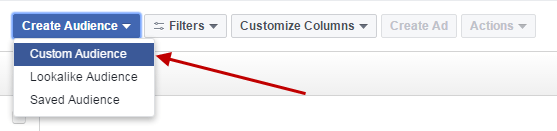
Go to “Create Audience” and choose “Custom Audience”:
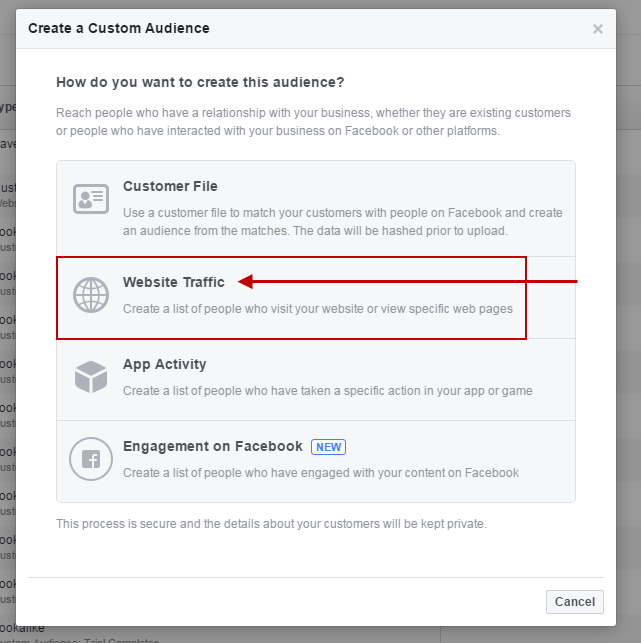
Select “Website Traffic”:
You can now create various remarketing audiences tailored to your strategy.
Timeframe
Segmenting based on recency of website visits, while simple, is incredibly effective. It reflects user intent, engagement, and aligns with your sales cycle.
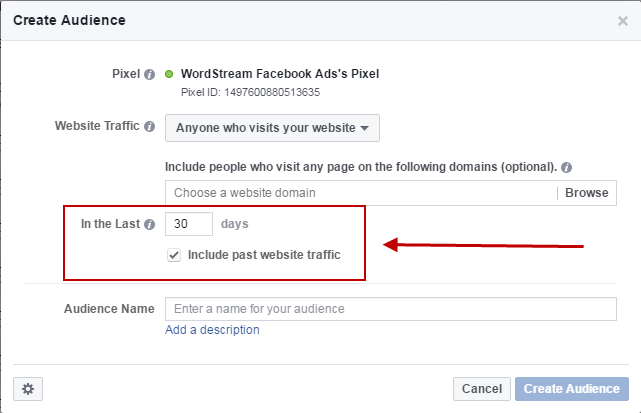
Significant traffic volume is key here. We segment into 30-, 60-, and 90-day segments due to our high traffic. If your traffic is low or your pixel is new, extend the date range to build a sizable audience.
Pages Visited
Besides visit timeframe, you can segment by specific pages or groups of pages based on their URLs:
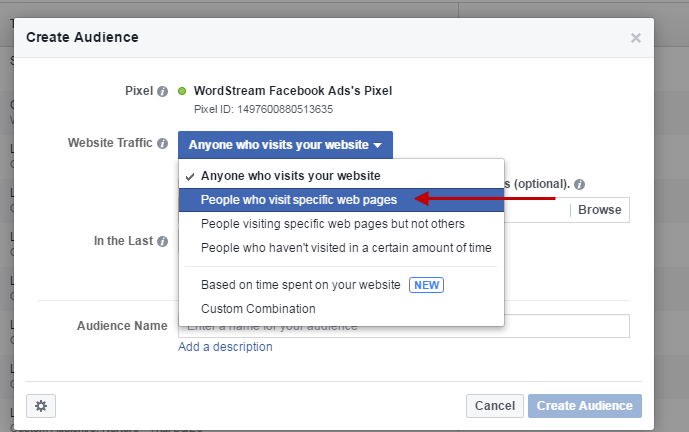
You can also specify whether the URL should exactly match or contain a variation of your input:
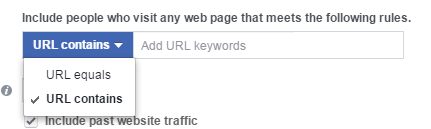
This is useful if you have blog posts or products catering to a particular topic or customer segment. For instance, if you sell pet products, create separate custom audiences for those who visited dog-related and cat-related product pages, enabling targeted ads for each group.
Number of Visits/ Duration
Frequency and duration of visits indicate intent and brand recognition, crucial factors to consider. Someone who briefly visited your site once is less familiar than a daily reader who spends several minutes on your blog. Create a frequency-based audience by selecting “Custom Combination”:
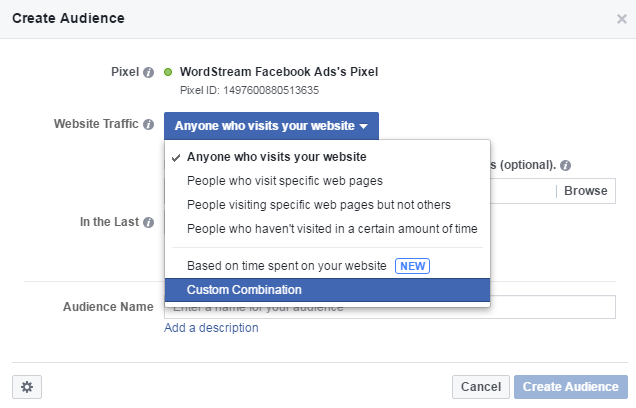
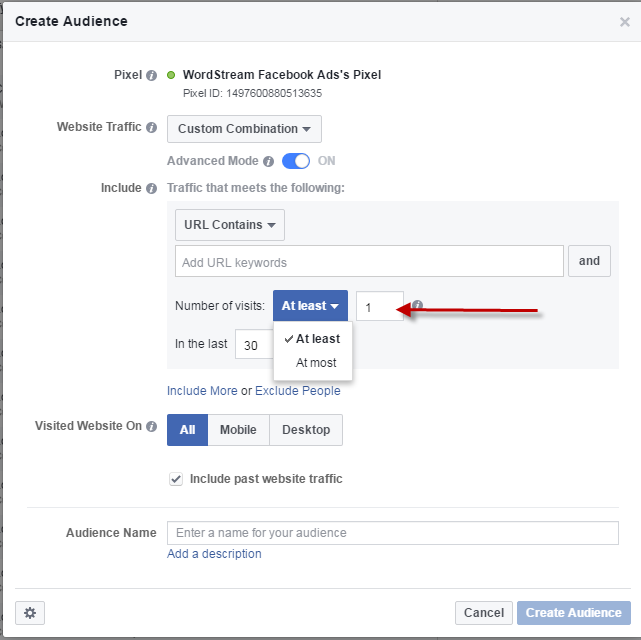
Specify the page(s) and the minimum or maximum visits:
To create a time-based audience, choose “Based on time spent on your website”:
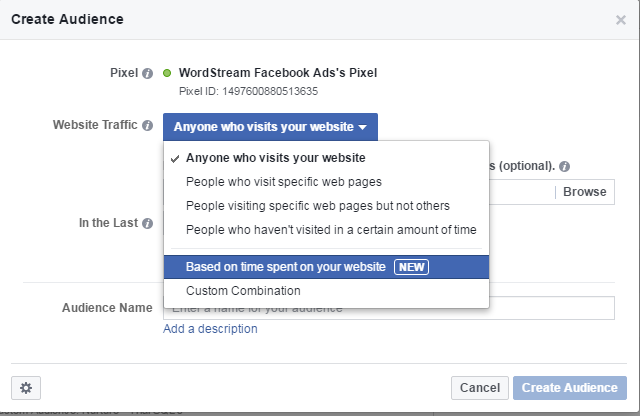
You can then target your most engaged users, whether they’re in the top 5%, 10%, or 25%. Testing these options reveals insights into engagement and conversion potential. While this isn’t URL-specific, you can exclude unwanted pages from your ad set. More on that later…
Step 2: Excluding Web Audiences
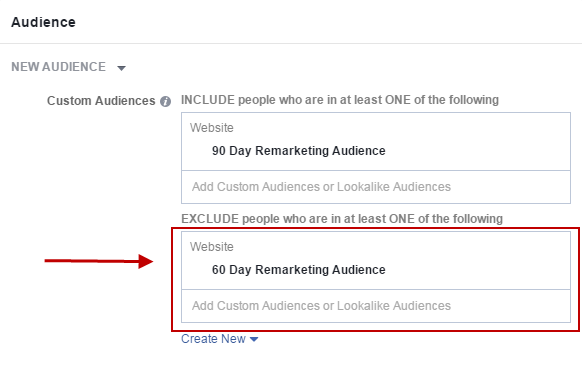
All audiences created with the universal tracking pixel can be used for exclusion. For instance, to target a 90-day remarketing audience while excluding the 60-day segment, follow these steps during ad set creation. Choose the 90-day audience:
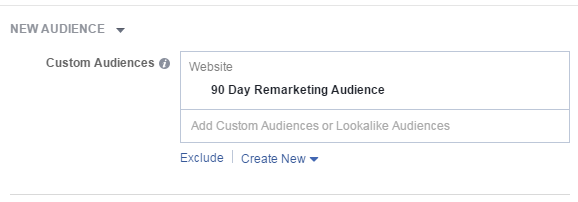
Select “Exclude”:
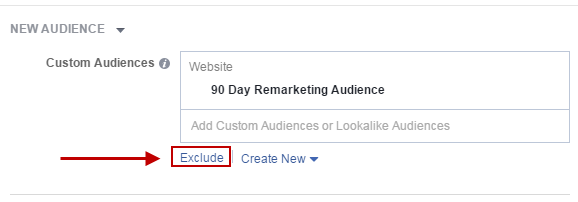
Find the audience to exclude:
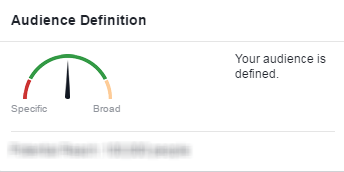
Be mindful of the audience definition meter. A small base audience or a large excluded audience can result in an overly specific target. Fortunately, that’s not the case here:
‘Custom’ Conversion Tracking
Driving conversions is the ultimate goal of Facebook marketing, and the pixel plays a key role in tracking them efficiently. Assuming your Facebook pixel is on all pages, creating conversion events using URLs is simple. Go to “Custom Conversions” in your Business Manager menu:
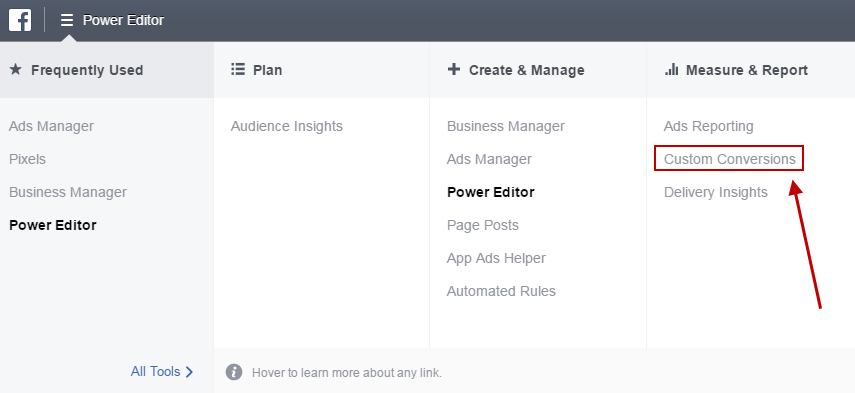
Select “Create Custom Conversion”:
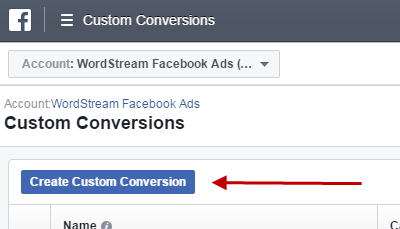
A familiar menu appears:
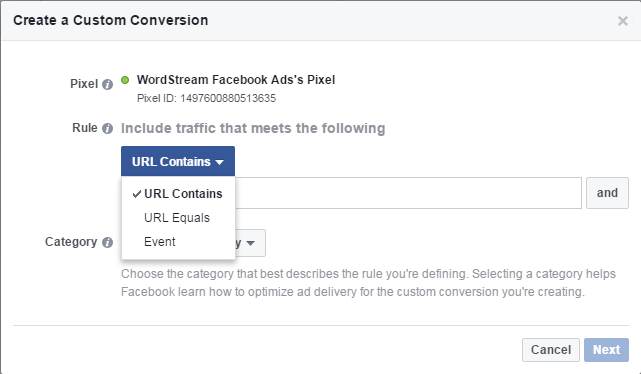
URL-based conversion tracking relies on users landing on a “confirmation” page after completing a desired action. For example, someone submits a form and is redirected to a “Thank You!” page. This page becomes the custom conversion URL, signaling a conversion to Facebook. URL Contains: Use this for multiple promotions with the same conversion value. If content downloads use the same form, the URL can “contain” shared parameters for a unified conversion event. URL Equals: Use this for unique and specific conversion events. Event: Events relate to the pixel code on your site rather than URL parameters. To avoid complexity, you can learn more about these here. After creating custom conversions, monitor their performance through the conversions dashboard or campaigns. Dashboard:
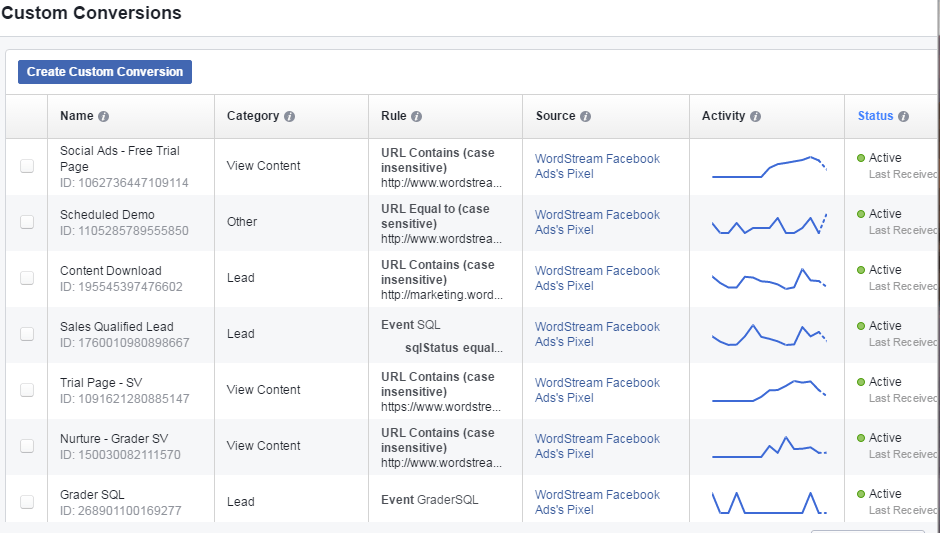
Campaign level:
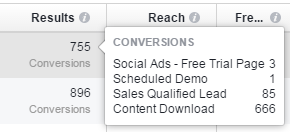
Create conversion events for other on-site actions to gauge your ads’ impact. These “view-through” events, such as site visits, provide greater visibility into user behavior after seeing your ads, even if they don’t immediately act.
How to Optimize for the Conversions You Want
Correctly building conversion-focused campaigns is crucial. Choose the “Website Conversions” objective initially:
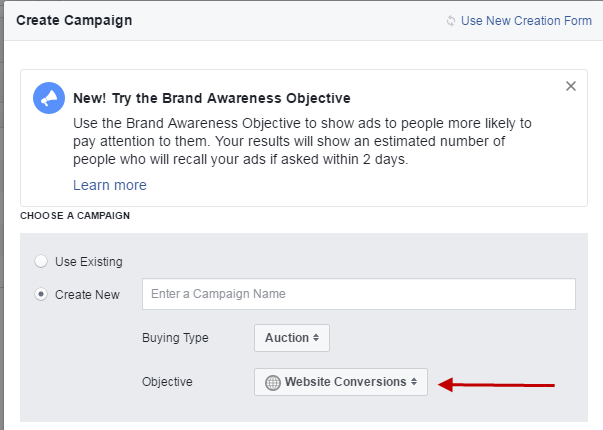
During ad set creation, select the specific conversion for optimization:
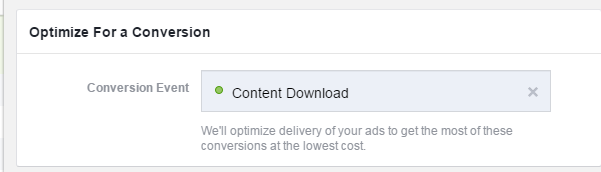
This allows Facebook’s algorithm to prioritize serving ads that drive your desired conversion.
How to Build a Lead Nurture Funnel
Conversion Audiences: As conversions come in, create usable audiences based on URLs or standard events:
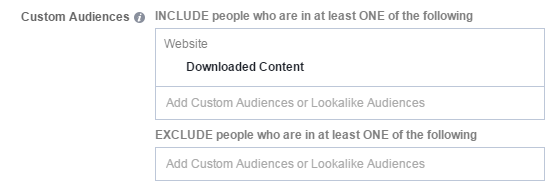
This feature has two primary uses: 1. Nurture: Provide further promotions or move current conversion audiences down the sales funnel with tailored messaging. 2. Exclusionary: Exclude converted users from seeing your ads again (saving your budget), similar to other custom audiences:
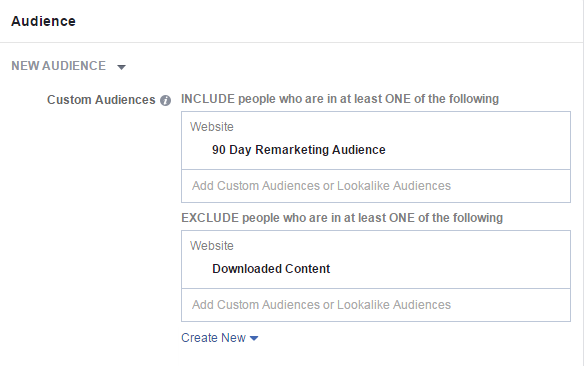
Here, a remarketing campaign aims to drive content downloads. Excluding “Downloaded Content” removes users upon conversion, preventing wasted ad spend.
Using the Conversion Tracking Right Tools
Think of Facebook and Google Ads as toolboxes containing instruments for building your business, brand, and customer base. Mastering these tools simplifies the process. Proper tracking is essential for reaching the right audience with your ads. The quickest way to waste money on Facebook is by targeting users who won’t convert.