Information about your customers is incredibly important for many reasons, but one of the most significant is its potential to make your marketing more impactful. Customer insights can form the bedrock of your marketing approach, enable you to fine-tune your campaigns for maximum effectiveness, and shape the messaging you use to resonate with your audience.
However, with privacy becoming increasingly paramount and customers showing heightened awareness of how companies gather, retain, and utilize their data, this presents a notable hurdle for businesses—particularly smaller, local enterprises. This guide is designed to equip you with the essential knowledge to navigate the collection and utilization of customer data ethically, ensuring your marketing and targeting remain highly effective.
Contents
- What is customer data?
- What are the types of customer data?
- How can you collect customer data?
- How can you use customer data for marketing?
- Tips for ethical customer data collection and storage
What is customer data?
Customer data encompasses any details about your existing or potential clientele. This includes standard demographic details, contact information, and much more (we’ll delve into the specific types of customer data shortly!).
Gathering customer data is crucial for refining your campaign targeting, building segmented email lists, gaining a deeper understanding of your audience, and achieving various other objectives.
Before we explore the different types of customer data, let’s examine the various sources of data:
- Zero-party data: Information willingly shared by customers with businesses.
- First-party data: Information businesses collect directly from their customers.
- Second-party data: Information businesses can access through partnerships or agreements, but don’t own directly.
- Third-party data: Information compiled from various sources and made available for purchase, often used by businesses for targeted campaigns or market research.
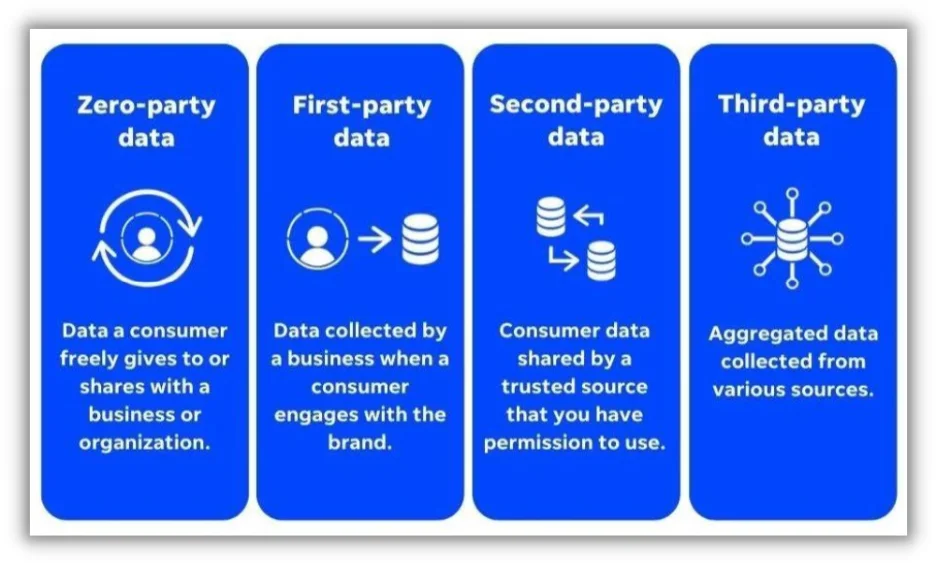 Prioritizing zero- and first-party data is recommended when sourcing customer information. Why? Because these methods emphasize transparency, minimize the risk of privacy violations, and contribute to more engaged customers and successful campaigns. While second- and third-party data still hold value in informing your marketing strategies and enhancing the efficacy of other campaigns, it’s crucial to prioritize ethical and transparent methods.
Types of customer data
There are four primary types of customer data that you can gather—each playing a distinct role in bolstering your business’s marketing endeavors.
Basic data
Basic data is quite straightforward. It refers to the fundamental information about your customers, such as:
- Name
- Email address
- Phone number
- Address
- Gender
- Income
- Industry
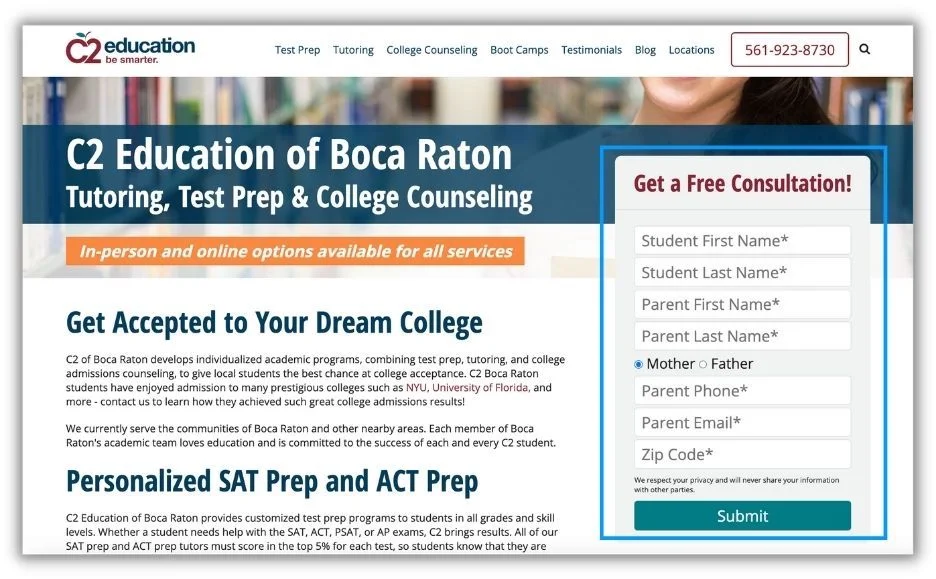
- And more This essentially constitutes demographic data. Collecting basic data is relatively simple, as many individuals are accustomed to providing their names, email addresses, phone numbers, and addresses when making online purchases, downloading content, or subscribing to newsletters.
 Source
This information can lay the groundwork for targeted campaigns, assist in evaluating which marketing channels to use, and inform a variety of marketing tactics.
Source
This information can lay the groundwork for targeted campaigns, assist in evaluating which marketing channels to use, and inform a variety of marketing tactics.
 Download our free guide » 135 Impactful Words & Phrases for Emotionally Resonant Marketing
Engagement data
Engagement data sheds light on how your customers interact with your business across various touchpoints. This could involve their activity on your social media platforms, their navigation patterns on your website, or whether they click on your online advertisements.
Businesses typically analyze this data collectively rather than on an individual level, though some specialized tools do offer insights into user-specific engagement.
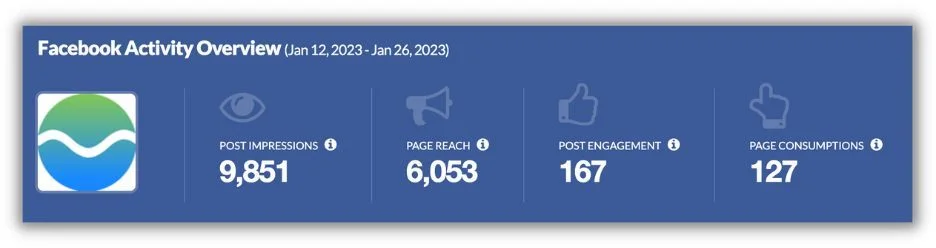 Example of engagement data for a business’s Facebook page.
Leveraging this customer data enables you to gauge the effectiveness of your marketing initiatives, pinpoint specific campaigns or messages that are hitting the mark, and identify areas within your marketing strategy that could benefit from adjustments.
Example of engagement data for a business’s Facebook page.
Leveraging this customer data enables you to gauge the effectiveness of your marketing initiatives, pinpoint specific campaigns or messages that are hitting the mark, and identify areas within your marketing strategy that could benefit from adjustments.
Attitudinal data
Attitudinal data provides invaluable insights into your customers’ sentiments towards your business, products, and services. While incredibly useful, this type of data is inherently more challenging to collect.
Directly sourced from your customers, this data is often gathered through surveys or review.
 Attitudinal data is instrumental in enhancing your marketing campaigns, fine-tuning your products and services, and optimizing your overall business operations.
Behavioral data
Behavioral data offers a glimpse into how customers directly interact with your products or services. This includes their purchase history, scheduled appointments, items added to their online shopping carts, and more.
This data can be gathered through various sources, such as lead management platforms, point of sale (POS) systems, and more.
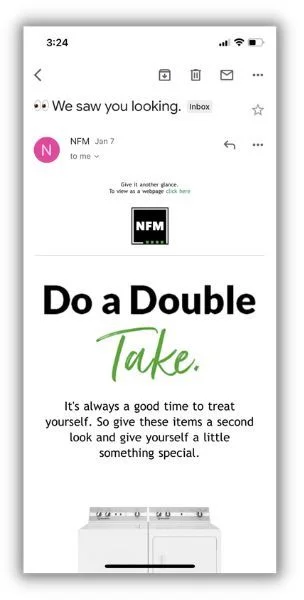 Behavioral data can significantly impact your nurture campaigns, the promotions you run, and many other aspects of your business.
How to collect customer data
Numerous methods exist for collecting customer data ethically without encroaching on your customers’ privacy or violating their rights. Our focus will be on exploring some effective zero- and first-party customer data collection techniques.
Consider these options for ethically gathering customer data:
1. Cultivate an email list
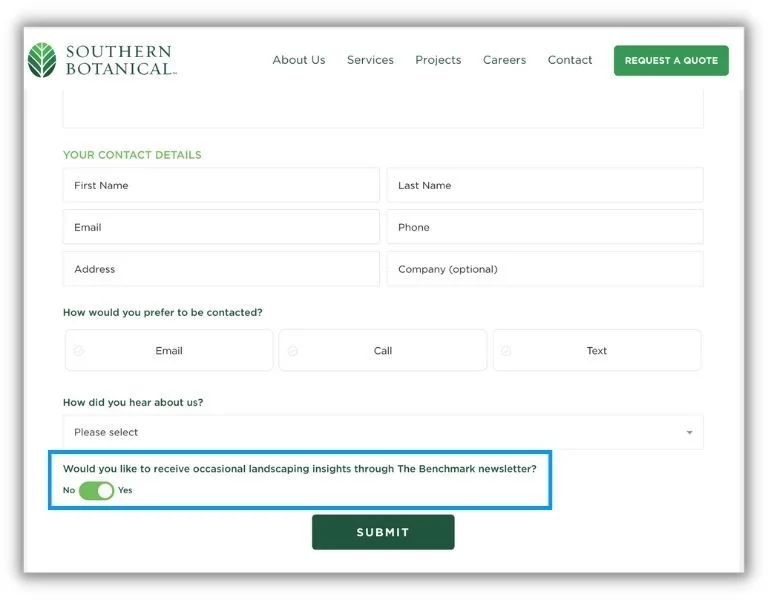
Building an email list is arguably one of the most effective methods for collecting customer data. You can grow your email list in numerous ways, such as:
- Inviting visitors to subscribe to your newsletter
- Incorporating a contact form on your website
- Adding a contact form to your landing pages
- Crafting engaging quizzes where users provide their email addresses in exchange for their results
- And a few other strategies we’ll explore shortly
 Source
Cultivating an email list not only facilitates the collection of basic and engagement data, but also lays the foundation for gathering additional data using some of the other techniques we’ll cover.
Source
Cultivating an email list not only facilitates the collection of basic and engagement data, but also lays the foundation for gathering additional data using some of the other techniques we’ll cover.
 Download our free guide to learn the tools and techniques for building high-converting landing pages » How to Make Great Landing Pages (with Crazy-High Conversion)
2. Conduct a survey
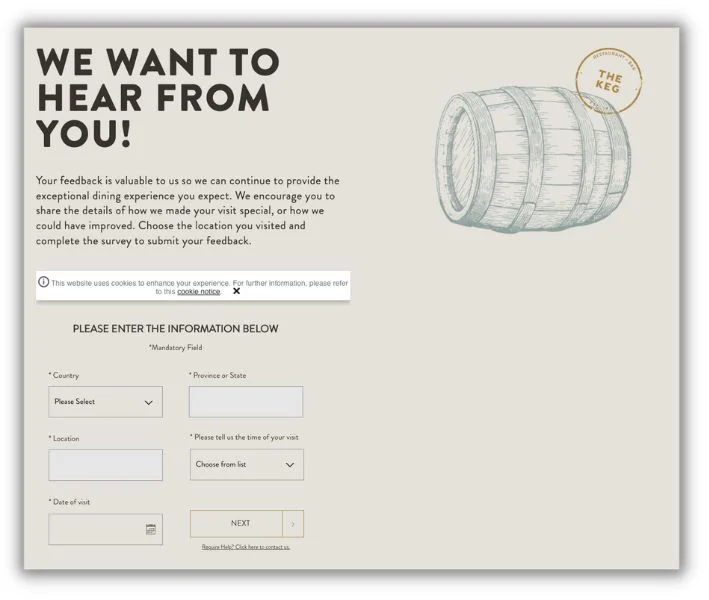
Directly asking your customers and prospects is one of the most effective ways to gain insights. Surveys, which can be distributed via email, linked on your website, or included with invoices and receipts, are an excellent tool for this purpose.
 Source
The design and content of your questions in your survey will directly correlate with the specific customer data you aim to collect.
Source
The design and content of your questions in your survey will directly correlate with the specific customer data you aim to collect.
For example, if your objective is to gather basic data, your survey might resemble a lead capture form with fields for the customer’s name, phone number, address, and occupation.
If you’re seeking to uncover valuable attitudinal data, your survey should focus on gauging customer perceptions of your business, products, and services.
Surveys can also help you gather information that can indirectly inform behavioral data, such as the social media platforms your customers frequent, where they encountered your business online, and the types of content they find engaging.
3. Host a contest
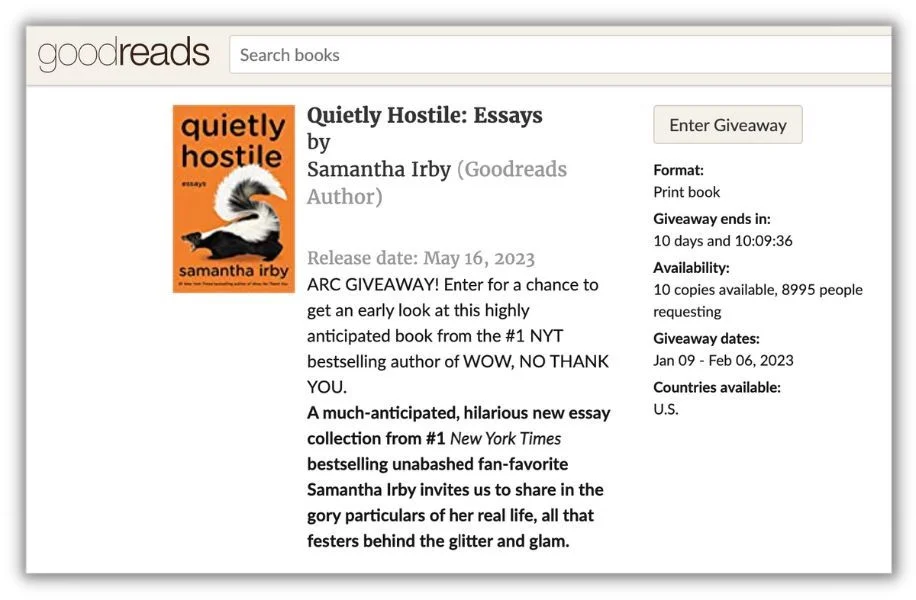
Whether you’re aiming to expand your email list or observe shifts in engagement data, running a contest is a highly effective customer data collection method.
Since you’re requesting valuable information from your customers, it’s crucial to offer a compelling prize and promote your contest strategically on the channels where your target audience is most active—likely social media, email, and your website.
4. Implement a lead management system
Utilizing a lead management system is one of the most effective strategies for gathering customer data and gaining deeper insights into your customers’ behaviors and preferences. These systems track lead sources, online engagement patterns, and their interactions with your products or services.
A lead management system equipped with a unified lead inbox can consolidate your customer data, revealing noteworthy trends that can significantly impact your overall marketing strategy and budget allocation.
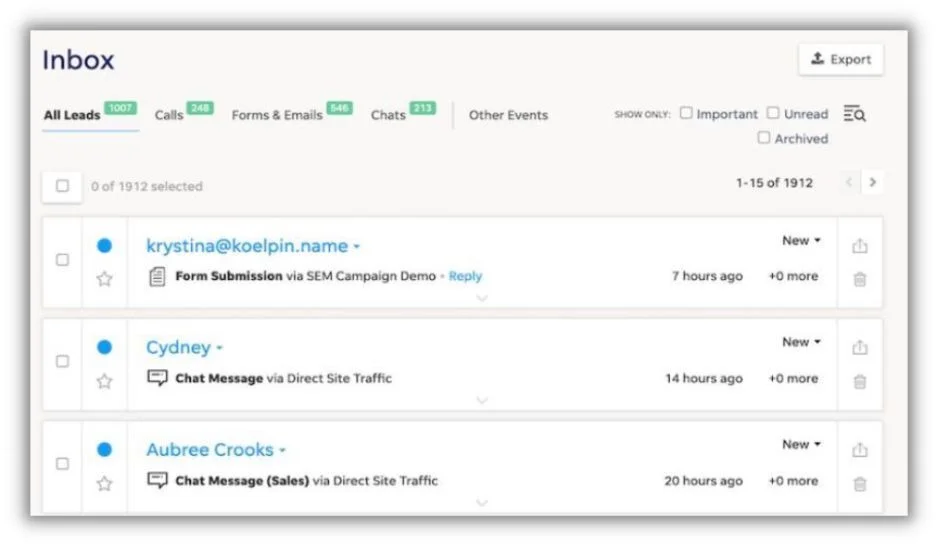 This data collection method also illuminates the intricacies of your customers’ journeys, highlighting factors such as the average number of touchpoints required for a lead to convert or the marketing channels yielding the highest conversion rates.
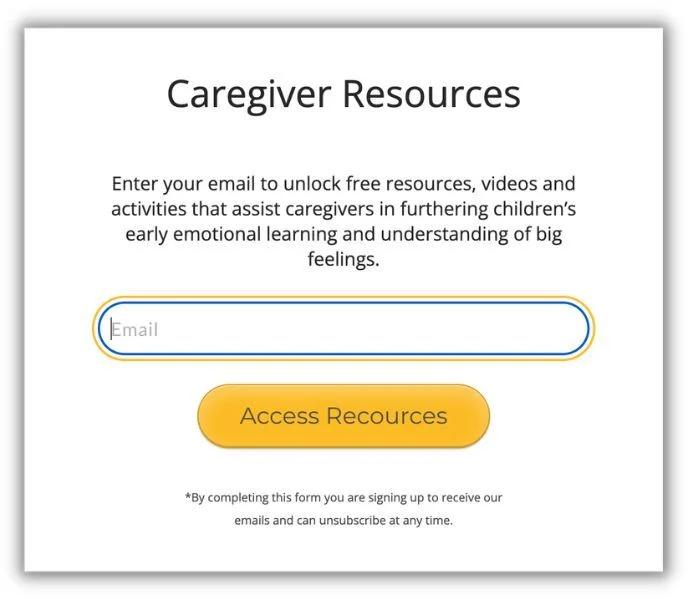
5. Provide a free downloadable resource
Offering a valuable downloadable resource related to your business is another effective way to grow your email list and collect customer data.
While prevalent in the B2B sphere, this strategy can also prove highly effective for B2C businesses. For instance, a cleaning company could offer a downloadable spring cleaning checklist, while a dentist might provide a downloadable guide on foods to avoid for optimal oral health.
The key lies in creating a resource compelling enough that prospects or customers are willing to exchange their information to access it.
 Source
Offering a diverse range of downloadable resources enables you to gather customer data on the topics generating the most downloads, allowing you to tailor your content creation or campaigns accordingly.
Source
Offering a diverse range of downloadable resources enables you to gather customer data on the topics generating the most downloads, allowing you to tailor your content creation or campaigns accordingly.
How to leverage customer data for marketing
While we’ve briefly discussed how different types of customer data can shape your marketing efforts, let’s delve a bit deeper now that you have some strategies for collecting this valuable information.
Identify the most effective marketing channels
By understanding your customers better, including their demographic characteristics and their online behavior, you can identify and focus on the marketing channels that will generate the most significant returns for your business.
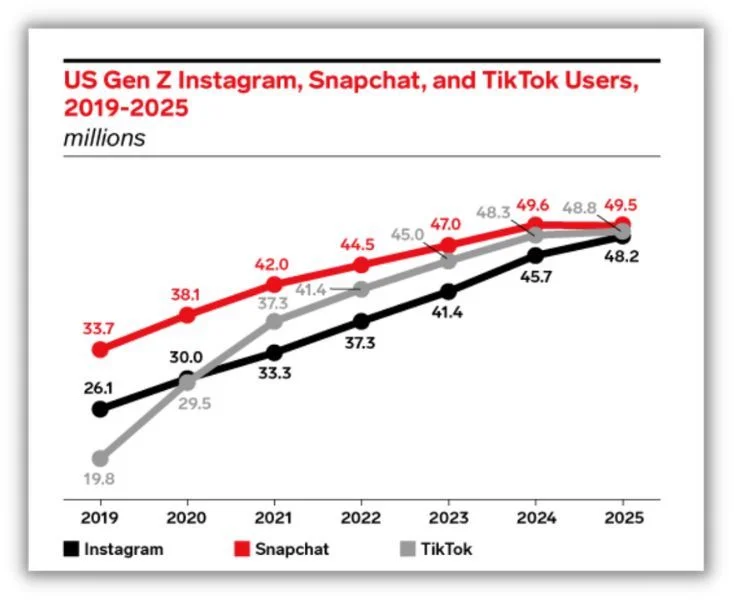
For instance, if your customer base primarily consists of Gen Zers, you can safely assume that platforms like TikTok, Snapchat, and Instagram will be key drivers for your business.
 Source
Alternatively, if a survey reveals that a majority of your current customers discovered your business through Google, it might be prudent to allocate more of your marketing resources to search ads and SEO to capitalize on this trend and capture a larger audience.
Source
Alternatively, if a survey reveals that a majority of your current customers discovered your business through Google, it might be prudent to allocate more of your marketing resources to search ads and SEO to capitalize on this trend and capture a larger audience.
Collecting customer data might also unveil new and previously unconsidered channels, presenting opportunities to experiment with new strategies and enhance your marketing efficacy.
Refine your marketing messages
Gaining a clear understanding of how your customers interact with your business, their purchase motivators, and their primary pain points enables you to craft more compelling and resonant marketing messages. This, in turn, empowers you to personalize your marketing strategy to resonate with your ideal customers, ultimately driving better outcomes.
For instance, after surveying your plumbing customers, you might discover that a majority of them highly value your rapid response time to emergency calls. This insight can then be integrated into your ad copy, website content, and social media posts to encourage potential customers to contact you or consider your services when facing a plumbing emergency.

Optimize your campaigns
Leveraging customer data to gain a deeper understanding of your target market is incredibly beneficial for optimizing your campaigns and refining your overall marketing strategy.
Even the most fundamental customer data can prove valuable. For example, location data often forms the cornerstone of many paid advertising campaigns. Understanding that most of your customers are concentrated within a specific suburb allows you to fine-tune your ad targeting for optimal reach and impact.
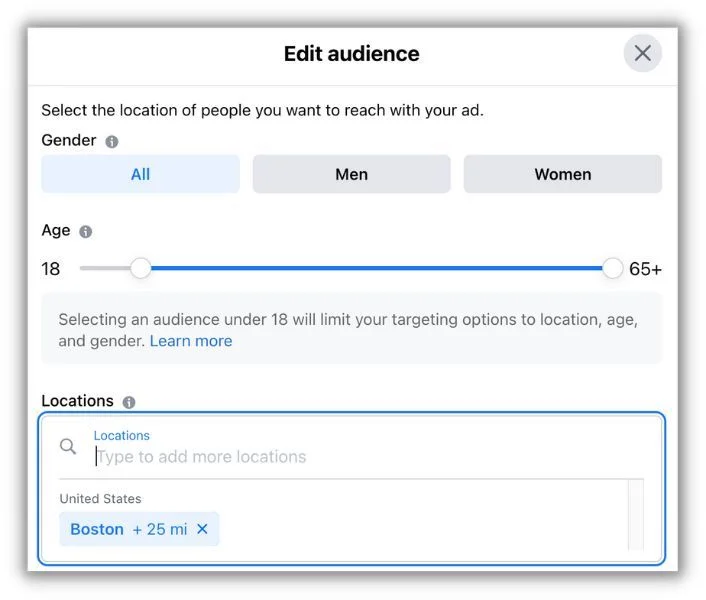 You can also leverage the insights gleaned from your refined marketing messages to optimize your ad copy and pinpoint specific search queries that led customers to your website or prompted them to click on your ad.
 Need assistance with targeting? Download our guide » 10 Effective Facebook Ad Targeting Strategies for a Privacy-First Landscape
Personalize your marketing
Personalization is no longer a bonus, but a fundamental aspect of successful marketing. And achieving effective personalization hinges on having access to relevant customer data.
Customer data enables you to segment your audiences effectively, resulting in more targeted ad campaigns and email marketing messages.
For instance, you can leverage your lead management system to tag customers who have previously purchased your teeth whitening package and send them targeted emails promoting teeth whitening specials or sharing informative content on maintaining oral hygiene, as these topics are likely to resonate with them. These personalized messages create a tailored experience for your customers, increasing the likelihood of them taking action.
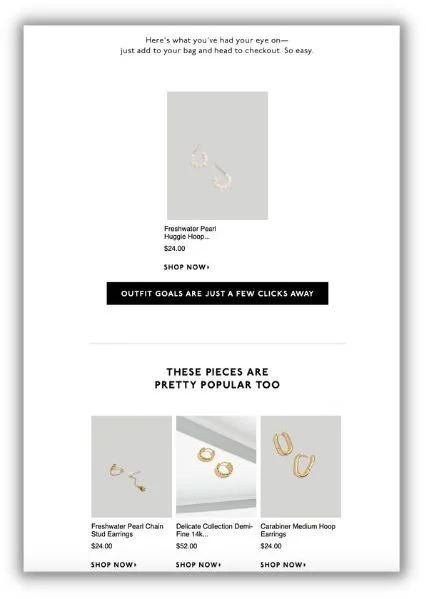 Customer data also informs your content creation process, fostering a more personalized experience. This content can be disseminated across various channels, including social media, your website, your newsletter, and more, leading to increased engagement across your marketing platforms.
Shape your nurture sequences
By collecting customer data that reveals insights into your buyer’s journey, you can craft nurture sequences that are designed to boost conversions.
Email nurturing involves sending a series of strategically timed emails designed to guide prospects through the sales funnel and ultimately convert them into paying customers.
Gathering customer data on how individuals interact with your business throughout the funnel enables you to optimize your nurture sequences, ensuring that each segment of potential customers is guided along the most effective path.
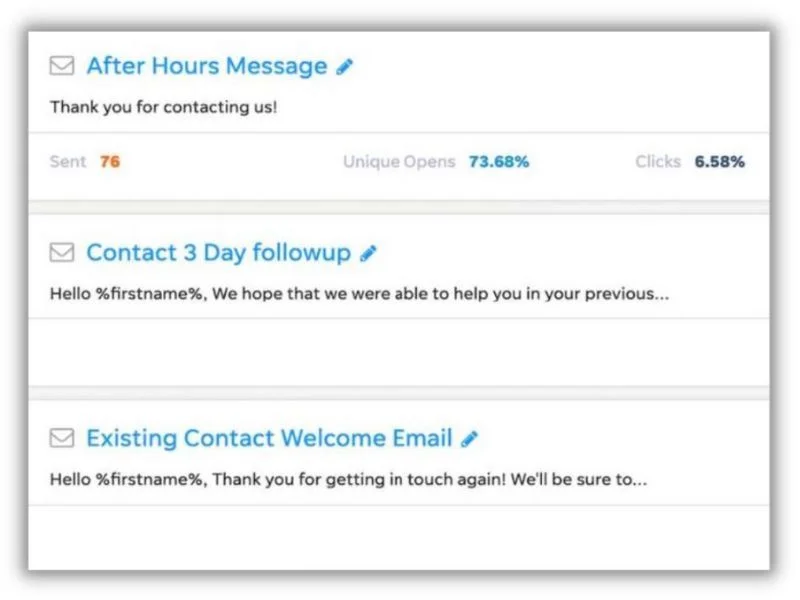 Let’s say you run an SAT prep center. You might discover that an email offering tips to help students prepare for the SATs followed by an email featuring a testimonial from a parent and student who achieved excellent scores after enrolling in your program resulted in a significant increase in inquiries and course registrations. This suggests that this particular nurture sequence is worth testing further to optimize for even better results.
Tips for ethical customer data collection and storage
It’s crucial to address some important tips for the ethical collection and storage of customer data.
- Always include unsubscribe buttons: Every email you send to your subscribers should have a clear and easily accessible unsubscribe button, empowering them to opt out at any time.
- Create a privacy policy—and display it on your website: A comprehensive privacy policy that outlines your data collection, usage, and storage practices is essential. This policy should be prominently displayed on your website and included whenever customers provide their data or opt into your email list.
- Prioritize customer data protection: All businesses that collect customer data are susceptible to security breaches. Implementing robust security measures to safeguard your customers and their sensitive data is paramount.
- Maintain transparency: Communicate openly with your customers or prospects in the event of a data breach, updates to your privacy policy, or any potential threats to their data.
- Consider implementing a double opt-in: A double opt-in is becoming increasingly standard as it provides an extra layer of confirmation, ensuring that customers are fully aware of the information they are sharing. This can also lead to a more engaged email list.
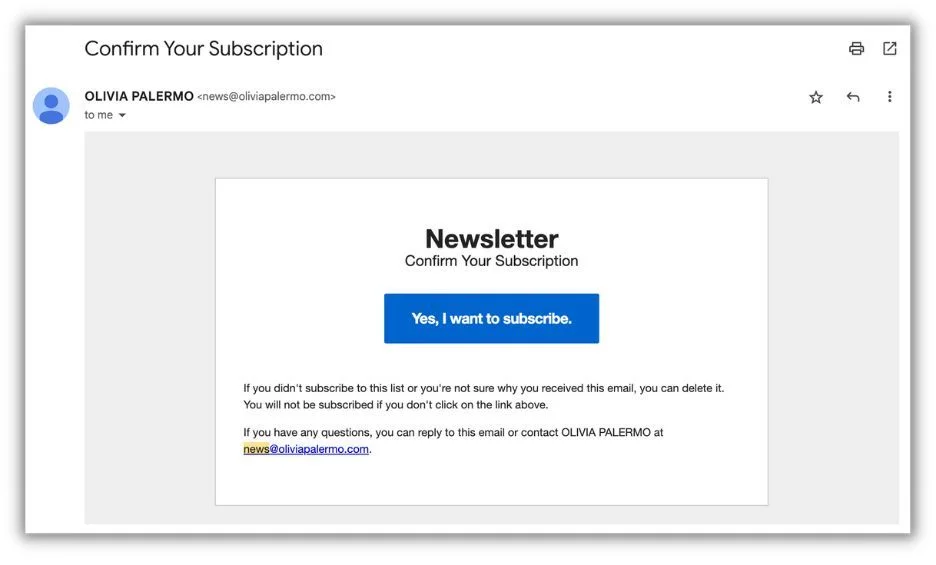 Example of a double opt-in email.
Collect and utilize customer data responsibly
While navigating the intricacies of customer data collection and utilization can be complex, adhering to ethical zero- and first-party data collection practices empowers you to access valuable customer insights without infringing on their rights or making them feel uncomfortable.
As the landscape of second- and third-party data collection becomes increasingly murky, these ethical data collection methods provide a reliable foundation for acquiring and leveraging customer data responsibly.