A successful PPC agency doesn’t just deliver strong campaign results; it also effectively communicates those results to clients in an informative and goal-oriented manner. This is the purpose of quarterly business reviews (QBRs), which, when conducted effectively, serve to reassure clients, showcase your agency’s worth, and bolster the client-agency relationship.
This guide delves into how to conduct QBRs that not only impress clients but also keep them content, involved, and eager to continue their partnership with you. Additionally, we’ve included a quarterly business review PowerPoint template and a ready-to-use outline for your convenience!
Contents
What is a quarterly business review?
A quarterly business review (QBR) is a comprehensive evaluation that agencies conduct for their clients every three months. Its purpose is to assess performance, address concerns, and establish goals. It can take place either in person or via a conference call, and it involves a visual presentation, typically a slide deck.
Why QBRs matter
Quarterly business reviews are essential for ensuring the success of both your agency and your clients. Here’s why QBRs are so important:
- Strategic Planning: While weekly and monthly PPC reports guide tactical decisions and identify early issues, quarterly check-ins utilize broader data sets to shape the overall strategy.
- Value Demonstration: QBRs offer a platform to showcase your agency’s value to clients, not only in terms of KPIs and revenue but also through the knowledge you impart and how you measure up against competitors.
- Relationship Strengthening: Quarterly check-ins are the optimal way to demonstrate transparency and ensure alignment with client goals and expectations—crucial elements in building enduring client relationships.
What to review in a QBR
A quarterly business review extends beyond a mere presentation of numbers. As emphasized earlier, it’s a comprehensive evaluation of all aspects of your work with the client. Here are the key components of a thorough QBR:
Performance metrics
Firstly, provide an overview of PPC metrics. This includes click-through rates (CTR), conversion rates, cost per click (CPC), cost per acquisition (CPA), return on ad spend (ROAS), and the overall campaign performance. With a broader data set, you can pinpoint patterns, highlight external factors or industry trends, and identify both successful areas and improvement opportunities. Moreover, comparing your performance against industry benchmarks is recommended.
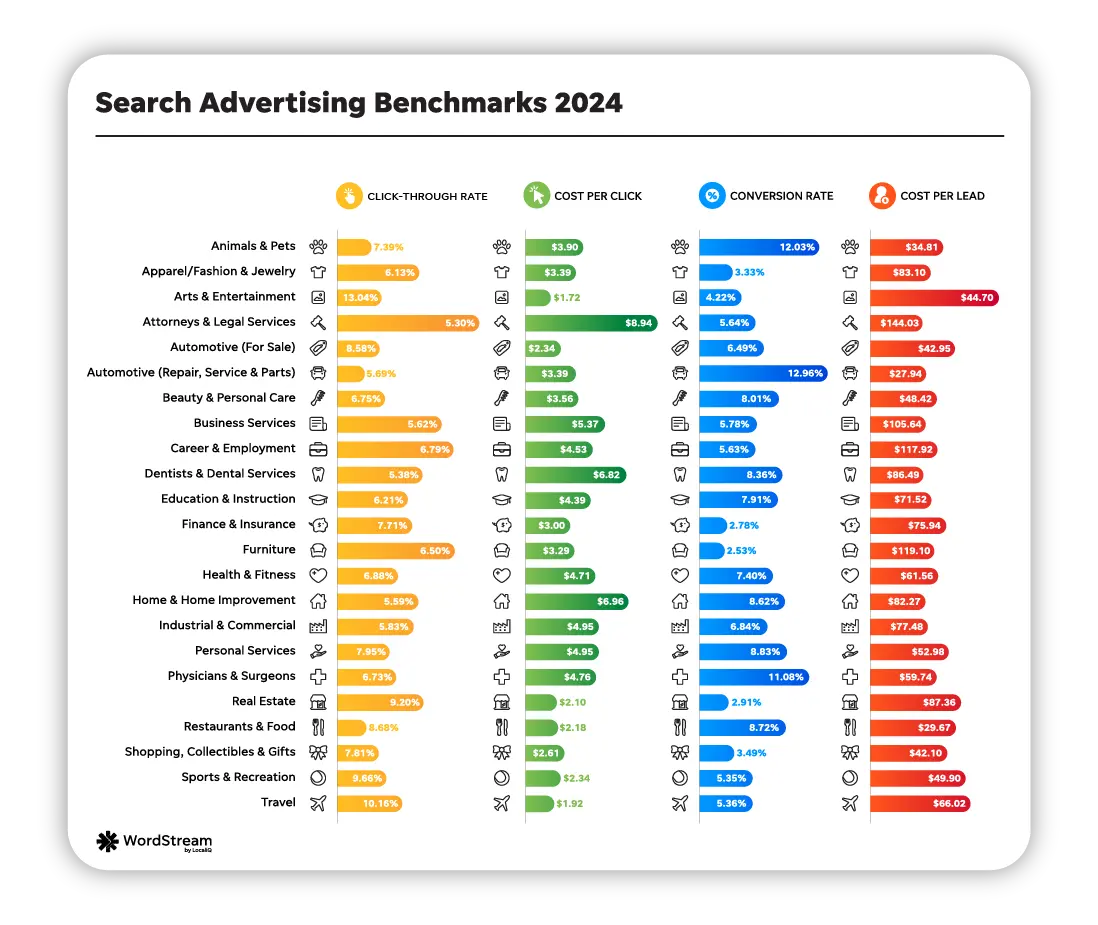
 Want to know what results your clients can anticipate from Google Ads? Explore our latest Google Ads Benchmarks to discover more!
Goals
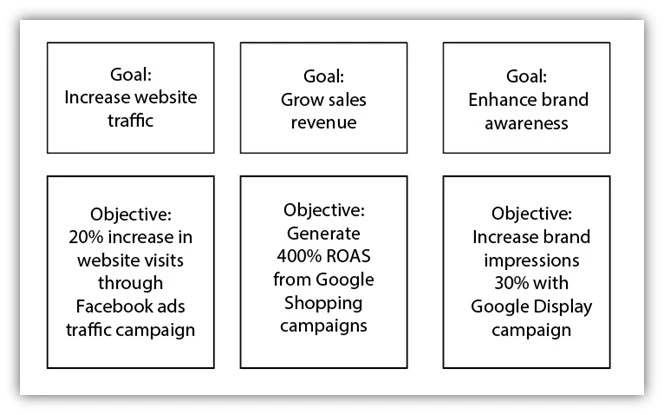
Reviewing the goals set at the quarter’s beginning is crucial. Were these goals achieved? Why or why not? Achieving them is ideal, but falling short in some areas is acceptable. When managing PPC campaigns, there will always be uncontrollable factors, and not every campaign will be flawless. Transparency and clear explanations are key. This information can then be used to fine-tune these goals or their associated objectives.
Campaigns
After reviewing overall metrics and goals, delve into individual campaigns. This involves examining individual ads, keywords, targeting settings, ad extensions, and more, in addition to reviewing the breakout metrics for each campaign. Here, you can provide specific insights into successes and failures and propose data-driven and expertise-based optimizations. Optimizations might involve ad copy and creative, account structure, budget allocation, and other areas.
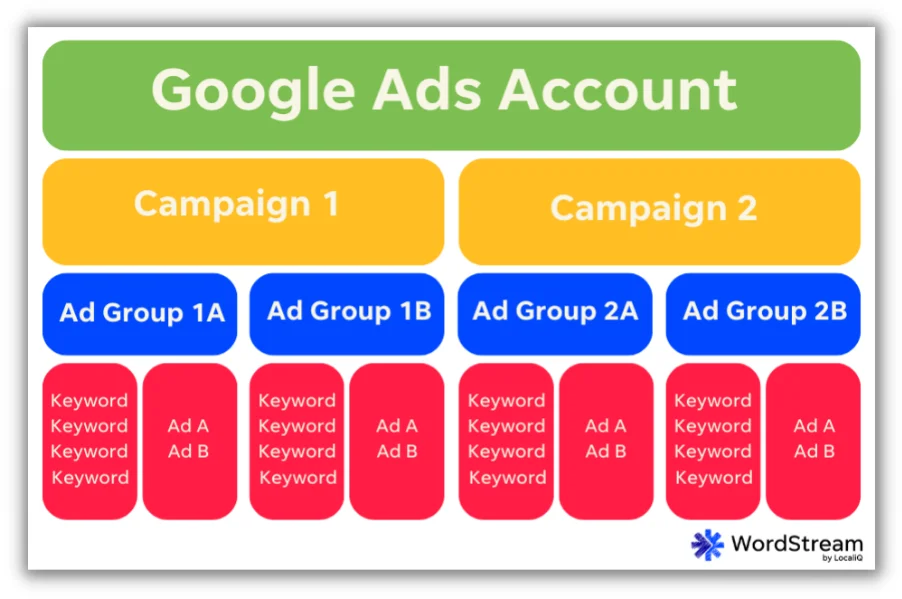
 Is your (or your client’s) Google Ads account optimized for success? Download now » The Last Guide to Google Ads Account Structure You’ll Ever Need
Budget
This section focuses on how you’ve managed the client’s budget. This could include budget allocation across different ad networks, campaigns within those networks, ads within campaigns, or even keywords. Crucially, demonstrate wise budget management by highlighting the return on investment. You can then discuss adjustments based on performance and any changes in the client’s business priorities.
Competitive analysis
Assessing and sharing insights into competitors’ marketing and advertising strategies is essential. This might encompass their brand voice, targeted keywords, advertised products or services, and more. Based on this analysis, you can suggest optimizations or changes, such as adjustments to ad copy and targeting, to help your client maintain a unique and advantageous market position. We offer numerous competitive analysis templates here, along with competitive advertising strategies worth exploring.
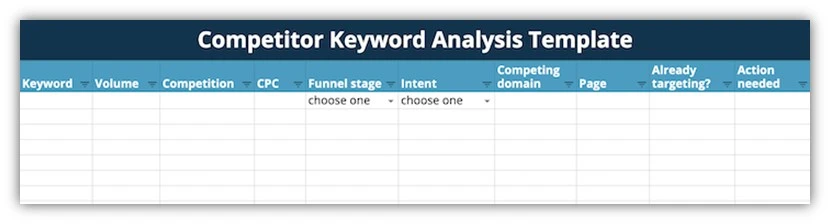 Access our competitor keyword analysis template here.
Strategy planning
Based on the data and insights shared, propose a strategy for the upcoming quarter. This should include well-defined goals and measurable objectives. Encourage client feedback and iterate on the strategy to ensure alignment with their priorities and goals. This is also an opportune time to introduce new trends, features, campaign types, and ideas they might find valuable.
Feedback and Q&A
Encourage feedback and questions throughout the QBR, after each slide. Dedicate a final slide specifically for overall feedback and questions. This ensures the client is satisfied not only with deliverables and performance but also with the overall service and customer experience. It’s also an opportunity to address questions about the contract and set expectations. By following these steps, you’ll conclude a productive and rewarding quarterly business review with a satisfied client. Well done!
Final tips for conducting great QBRs
Before moving on to the template, consider these final tips for conducting QBRs that encourage client retention:
- Preparation: Thorough preparation is vital for an effective QBR. Gather all relevant data beforehand, including:
- Clear communication: Present easily understandable data, provide clear explanations, and welcome questions after each slide. Transparency about mistakes and areas for improvement is essential.
- Post-meeting deck sharing: Avoid sharing the deck before the meeting. Use the meeting to guide the client through it, ensuring they receive information in context. Afterward, send the deck for their records and reference.
- Connected narrative: Treat each QBR as a chapter in the ongoing story with your client. Each one should link back to the previous quarter’s goals and look ahead to the next.
- Storytelling approach: As mentioned earlier, QBRs are part of a larger narrative. Present them as such, with your client as the hero of their story, to create an engaging and memorable experience.
QBR template
Below is a copy-and-paste template for your QBR. Alternatively, explore this PowerPoint template for customization!
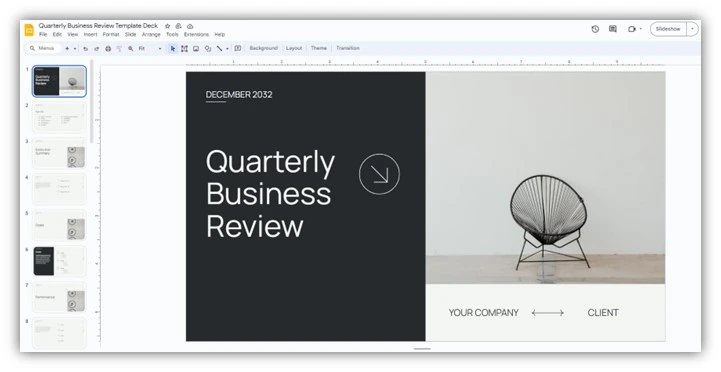
- Executive summary:
- Overview of the current status of PPC campaigns
- Key achievements and highlights
- Challenges encountered and implemented solutions
- Performance review:
- Campaign metrics: Click-through rates (CTR), conversion rates, cost per acquisition (CPA), return on ad spend (ROAS), etc.
- Comparison against KPIs and benchmarks
- Analysis of trends and insights
- Budget utilization:
- Detailed breakdown of budget allocation across campaigns
- Evaluation of budget effectiveness
- Recommendations for optimization
- Competitive analysis:
- Analysis of competitors’ strategies and their performance
- Identification of opportunities and potential threats
- Recommendations for maintaining a competitive edge
- Strategic recommendations:
- Proposed strategies for the upcoming quarter
- Measurable goals and objectives
- Clearly defined deliverables, KPIs, and targets
- Ensuring alignment with client priorities and prevailing market trends
- Client feedback and concerns:
- Open dialogue on client satisfaction and any concerns
- Addressing feedback and proposing solutions
- Commitment to continuous improvement
- Mutual understanding of expectations and desired outcomes
- Review of contract terms and conditions
Start conducting stand-out QBRs now
Quarterly Business Reviews (QBRs) present invaluable opportunities to showcase your performance, demonstrate your agency’s worth, and strategize for the upcoming quarter. Utilize the tips and template provided to ensure alignment with your clients’ goals and objectives, meet their expectations, and deliver an experience that fosters a lasting partnership!