Many agency professionals would concur that each client is distinct, especially when working with businesses across various industries, each catering to its own unique target market. It quickly becomes evident that a one-size-fits-all approach to channel selection rarely exists. As an account manager, your role is to evaluate the effectiveness of strategies and channels, and when necessary, seek alternative solutions.

This guide will navigate you through the process of identifying the most effective foundational channel for your client, along with strategies for adapting when performance falters.
Leading Ad Platforms: Google, Facebook, & LinkedIn
Prior to delving into client-specific factors, let’s review the core marketing channels we’ll be examining:
- Google Ads
- Facebook Ads
- LinkedIn Ads It’s understood that the most successful advertising strategies employ a multi-platform approach, encompassing other channels such as Twitter, Pinterest, Bing, among others. However, for establishing a basic PPC strategy, we’ll concentrate on these major platforms that are most popular among advertisers. While identifying the primary platform to build your strategy upon is a good starting point, the process naturally becomes more intricate as you progress. Although these platforms share similarities, their marketing nuances are well documented. The key to platform selection lies in prioritizing client analysis.
1. Client Objectives
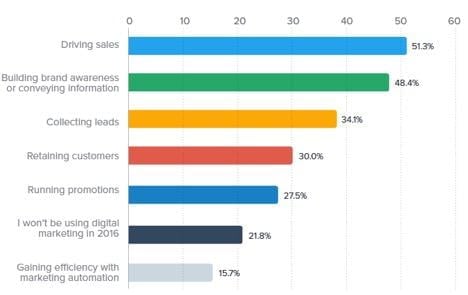
The most crucial factor, irrespective of the subsequent elements we’ll discuss, is always the client’s primary objective.
During client onboarding, asking the right questions is crucial to determining the client’s true expectations from paid advertising. Clients often lack a clear understanding of their desired outcomes. Many are driven by the understanding that business growth necessitates paid advertising, which is true, but requires more specific goals. Without delving too deep into the client vetting process, it’s vital to conclude the introductory call understanding their core business operations and how paid marketing can best support them. Since these key components aren’t hierarchical, they must be considered holistically for optimal decision-making.
2. Business Model
Once client goals are established, understanding the business model is the next step in channel determination. While Google and Facebook effectively serve both B2B and B2C, certain features of each cater better to one or the other. Let’s break these down at the broadest level.
B2B Clients
Business-to-business marketing can be complex for newcomers. Without prior experience, assumptions about paid advertising for B2B can be misleading. Many presume Facebook is ineffective because they’re targeting decision-makers in other businesses. This is far from true, as Facebook offers various B2B targeting options. Moreover, the myth of users being in a particular “mindset” is common, but realistically, work occupies a significant portion of our thoughts, especially for business owners.
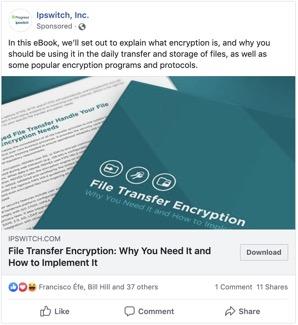
When using social media for B2B marketing, it’s crucial to remember that you’re targeting individuals who also happen to be involved in business decisions (with proper targeting). Many B2B companies mistakenly believe LinkedIn should be their starting point, which isn’t always ideal. B2B sales cycles are typically longer with more intricate marketing funnels. Therefore, I’ll elaborate on how to determine the initial channels for these clients later in the post.
B2C Clients
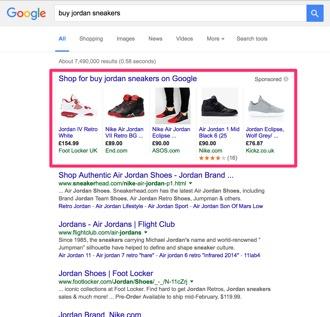
Business-to-consumer marketing on paid platforms differs significantly as conversions might be primarily linked to direct sales. Given the nature of these businesses, starting with both Facebook and Google makes sense (especially shopping and catalog sales for e-commerce). Existing historical data can be beneficial in decision-making. Successful B2C marketing hinges on specific campaign objectives, as branding and direct sales dictate budget allocation.
3. Funnel Stage
Another factor directly related to the business model is the funnel stage. Clients with larger budgets may require more elaborate strategies targeting multiple funnel layers. Marketing funnels for B2B and B2C differ, as they do between businesses and industries. Therefore, you need to pinpoint the target funnel stages for your client and adjust your strategy accordingly.
Top or Middle of the Funnel
When the client aims to increase volume and establish a lead nurturing program, Facebook might be the optimal starting point. Low-friction offers like ebooks, sign-ups, or anything with a shorter form perform best where costs are generally lower. Facebook is suitable for these offers due to its wide audience reach at relatively lower costs. A common mistake, particularly for B2B, is resorting to LinkedIn for volume, as it often costs more and isn’t universally effective. The Google Display Network (remarketing and custom intent audiences) is another effective top-of-funnel channel. However, remember that ad creative significantly impacts campaign success for these channels.

In short: Utilize Facebook Ads and Google Display for top-of-funnel promotions.
Bottom of the Funnel
For bottom-of-funnel offers, Google Ads has proven to be most successful. Facebook can be effective, but only for certain products and industries. When targeting bottom-of-funnel offers on Facebook, starting with remarketing to website visitors or a nurtured custom list upload (CSV file of existing leads) is recommended. This differs for B2C clients where the “bottom of the funnel” might be a product sale. In this case, Facebook might be more cost-effective. Determining this relies on the target return on ad spend (ROAS) for the product. Google Shopping campaigns are also effective for B2C or e-commerce products, suggesting a budget split between that and Facebook.
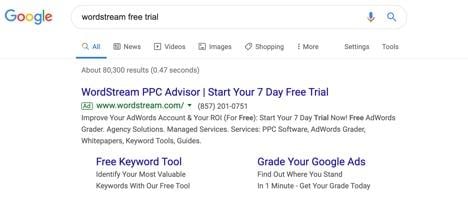
In short: Leverage Google Ads and Facebook Ads (in specific cases) for bottom-of-funnel offers. Experiment with LinkedIn for B2B clients afterwards.
4. Industry
A thorough understanding of the client’s industry and target audience is crucial. Determine how defined and niche this audience is or if it’s broad and accessible. The point here is that without the necessary remarketing audiences or assets to generate lookalike audiences, Facebook advertising becomes challenging, particularly since the platform has removed many detailed targeting options. For less defined audiences, focusing on the client’s or promotion’s value proposition might be a better strategy. This allows for building an intent-based strategy rather than persona-based audience targeting. Again, industry type (B2B vs. B2C) is crucial.
Intent vs. Persona
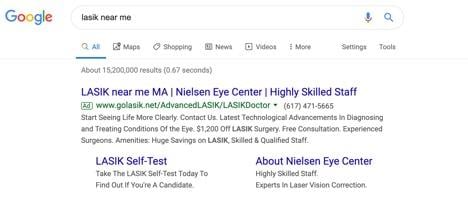
When targeting product or promotion intent, the Google Search Network is more suitable. Targeting various search queries related to the problem that the promotion or product addresses is the best strategy for audiences with shared pain points. If the audience is clearly defined by demographics, occupation, interests, or behaviors, platform selection becomes trickier. In this scenario, revert to funnel stage and industry type. A good example of intent-based targeting is for services like LASIK procedures. The audience can encompass any demographic as long as they experience vision problems.
Industry Type
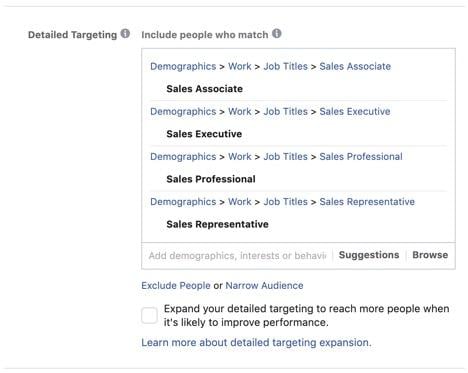
Comprehending the “industry type” enables informed decisions regarding budget and effort allocation. Many B2B industries perform better on Facebook than LinkedIn, contrary to common belief. Sales and marketing companies tend to perform well on LinkedIn, while others show mixed results. Given this uncertainty, LinkedIn remains an option but rarely as the primary platform for driving results. Consider the target audience’s LinkedIn activity level. Facebook Ads benefit from multiple placements where individuals are frequently active. If the audience is definable on Facebook, it’s an excellent starting point for any industry!
5. Budget
The final deciding factor is the client’s advertising budget. A substantial budget allows for multi-platform testing, optimizing, and refining over time to allocate resources effectively. However, a limited budget demands careful allocation based on business type, promotion type (funnel stage), and target audience.
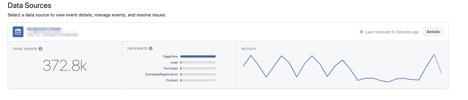
Also, consider the client’s organic presence and website traffic. If strong, your initial strategy should focus on remarketing campaigns to capitalize on readily available opportunities. Both Facebook and Google are effective remarketing platforms, particularly Facebook, where ad copy can be tailored to the web audience.
Recognizing When to Adapt
When crafting an online advertising strategy for a new client, results take time. Knowing when to adjust and adapt is crucial—almost as important as platform selection. This decision depends on:
- Results and costs achieved.
- Insights gained about the target audience, identifying new opportunities.
- Quality of leads or average order value of generated sales. Adaptation isn’t always a last resort. Distributing your resources across multiple platforms is generally advisable. With budget allocated across platforms, adaptation might involve shifting resources based on performance. Trust your instincts. Experience in account management provides valuable reference points for decision-making in challenging situations. Trusting these instincts is vital for developing expertise.
Identifying the Ideal Platform for Your Client
We’ve covered a lot. Let’s recap the steps for identifying the optimal foundational ad platform:
- Establish the client’s goal.
- Determine the business model (B2B vs. B2C).
- Understand the client’s marketing and sales processes.
- Analyze the industry.
- Determine whether an intent-based or user-based approach is stronger initially.
- Consider the client’s budget.
- Adapt and change strategies when necessary. Always request access to all channels for new clients, regardless of the initial strategy. This enables remarketing audience building and simplifies future strategy adjustments. Remember, paid advertising involves planning and strategizing, but true performance unfolds during implementation. Therefore, preparation and positioning yourself for success is crucial.