The term “revenue operations” (RevOps) has recently gained traction in the business world. True to its name, it involves overseeing the revenue generation process of a company. But what does that entail?
This article will cover:
- The definition of RevOps and its distinction from SalesOps
- The aims and advantages of having a RevOps department
- Determining if your business requires revenue operations
- Implementing RevOps
Why Revenue Operations Matters
A 2020 McKinsey study revealed that 31% of companies have automated at least one internal function. As businesses increasingly embrace automation for efficiency, the need to effectively manage all departments to drive revenue becomes paramount.
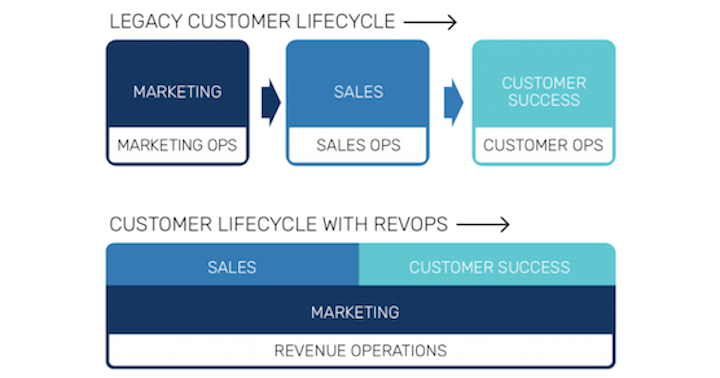
This is where RevOps comes in—a function acting as a command center for a company’s revenue funnel. It brings together various departments, functionalities, and resources that were once separate.
Defining RevOps: A Multifaceted Concept
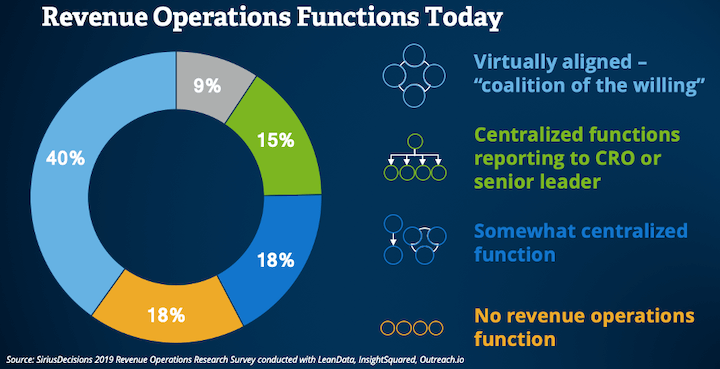
A survey by Sales Hacker found that RevOps has different interpretations:
- Aligning marketing, sales, and customer success efforts
- Four key pillars: sales, marketing, operations, and customer success
- Sales and marketing alignment, redefined
- A fancy term for sales operations
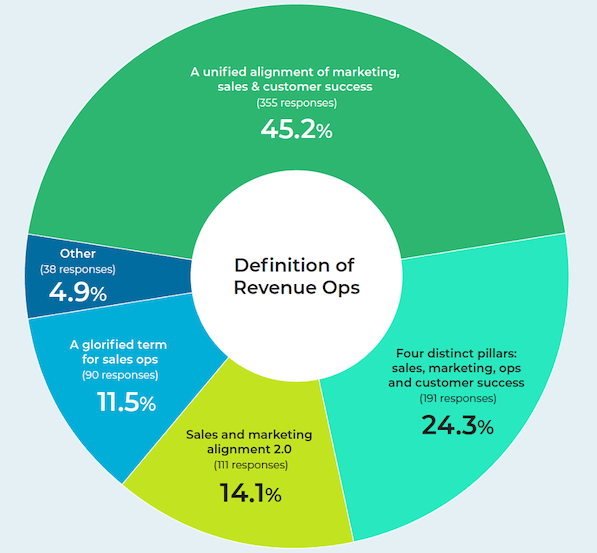
Image source For clarity, we’ll adopt Forbes’ definition: RevOps is a method to maximize a business’s revenue potential by unifying sales, marketing, and customer success teams into a cohesive revenue-generating force.
Often, individual teams within an organization get so focused on their own growth and processes that they lose sight of the bigger picture.
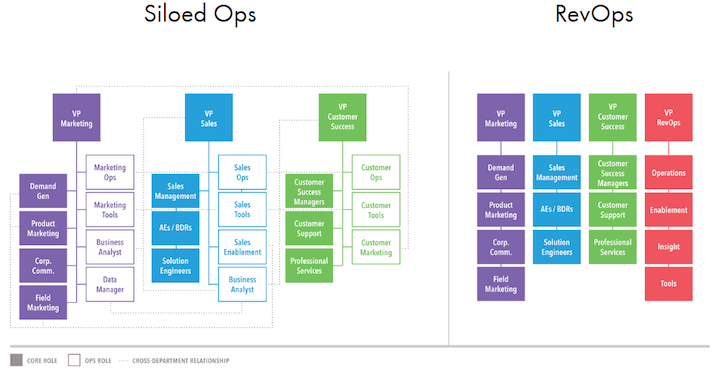
For instance, the sales team has its own targets, customer data, and reports to its manager. Similarly, marketing teams manage their campaigns, metrics, and report to their manager. This siloed approach makes inter-team coordination challenging and time-consuming. While working towards a shared objective, they end up moving in different directions.
Revenue operations ensures accountability and consistency across sales, marketing, and customer service operations. This leads to better resource allocation, enhanced customer experience, and increased revenue, creating a mutually beneficial situation.
Marketing’s Role in Revenue Operations
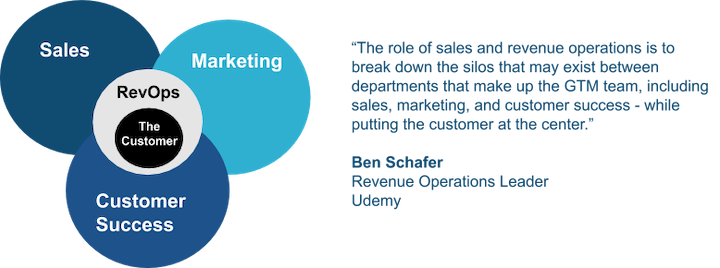
In essence, marketing is one of the three core departments that RevOps aims to support:
Sales
The RevOps team has a comprehensive view of the sales funnel, enabling them to identify and resolve issues, allowing sales teams to focus on selling. From monitoring quality leads generated through paid and organic traffic to engaging prospects and closing deals, sales teams perform better with RevOps providing oversight.
Marketing
Marketing teams often handle more data and technology than other go-to-market (GTM) teams. RevOps streamlines this tech stack, facilitating access to data from other teams, promoting better collaboration, and enhancing lead-generating content marketing strategies.
Customer Success
With RevOps breaking down silos and fostering teamwork, teams can prioritize customer needs. This results in improved communication, service, and overall customer experience. Implementing RevOps effectively helps build lasting client relationships.
Differentiating Revenue Operations from Sales Operations
The key difference lies in their scope. Sales operations specifically support the sales team with sales opportunities and other sales-related aspects. In contrast, RevOps oversees operations across marketing, sales, and customer success teams.
Here’s an analogy: If sales operations aims to empower the sales team to sell more by removing obstacles, RevOps focuses on the holistic generation of revenue.
The Advantages of Revenue Operations
Implementing revenue operations offers numerous benefits, including:
1. Predictable Business Growth
Companies are increasingly prioritizing revenue growth predictions for strategic planning. From optimizing enterprise search marketing to exploring new markets, each strategy can be planned and evaluated for effectiveness. RevOps provides precise metrics to forecast revenue trajectories.
2. Enhanced Inter-Team Transparency
A common scenario in cross-team meetings involves different departments speaking different languages: marketing on SEO, sales on closing rates, and paid media on conversion rates. Despite serving a common purpose, the lack of alignment hinders understanding of each other’s efforts. This leads to friction and blame games when issues arise.
RevOps steps in to ensure every team has visibility into others’ activities by aligning handoff points. This fosters accountability across the board. For instance, data on the impact of SaaS marketing on the business should be accessible to all GTM teams. Increased accountability naturally breeds greater transparency.
3. Improved Team Collaboration
RevOps promotes collaboration among cross-functional teams. By working together towards a common goal, teams can reduce internal conflicts and dedicate more time to achieving objectives. Historically, teams outperform individuals when striving for a shared outcome, minimizing friction and improving overall processes.
4. Increased Customer Retention
Streamlined processes through RevOps empower GTM teams to be more attentive to customer needs. This naturally enhances the customer experience and fosters higher retention rates.
Do You Need Revenue Operations?
“We’re overwhelmed by too many tools!” “Our processes are chaotic!” “Our teams aren’t coordinated!”
If these statements resonate with you, it’s time to consider RevOps.
Traditionally, each department relies on its own set of tools and technologies. However, this siloed structure often leads to overlapping tools, increasing expenses and creating a messy tech stack. RevOps addresses this by centralizing the acquisition, implementation, and management of technology.
Businesses must constantly adapt to evolving trends and technologies, necessitating regular updates to processes. RevOps involves all teams in developing new processes, ensuring everyone is aligned to drive conversions effectively.
Siloed teams hinder smooth revenue generation. RevOps tackles departmental conflicts and silos by shifting the mindset from a narrow team-centric view to a holistic understanding of revenue flow across the organization. It essentially merges smaller, self-contained units into one powerful team.
Implementing Revenue Operations: A Phased Approach
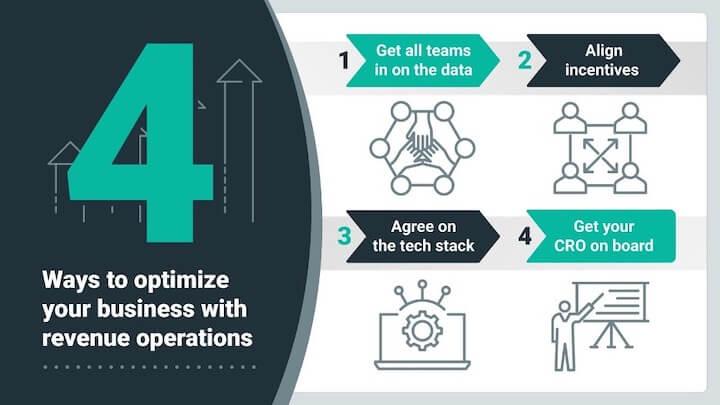
Gartner predicts that 75% of high-growth businesses will adopt RevOps by 2025. Implementing RevOps can streamline your retail sales channel through four key phases:
- Audit
- Align
- Build
- Optimize
Audit
This phase involves examining the customer journey to pinpoint pain points between departments. This is achieved through:
- Content audit: Align existing content with the customer lifecycle and fill any gaps.
- Technology audit: Evaluate existing technologies across marketing, sales, and customer success to ensure accurate tracking of customer movement and traffic.
- Website audit: Ensure the implementation of conversion rate optimization (CRO) best practices.
Align
- Leverage Google Analytics to gain a clear understanding of your revenue funnel and overall business health.
- Conduct a software audit to identify any technology overlaps.
- Provide your team with streamlined RevOps processes for inbound and outbound sales, content marketing, and customer service.
Build
- Create a roadmap for GTM teams focusing on customer acquisition and onboarding.
- Develop task queues for inbound and outbound sales, including follow-up emails.
- Establish a dedicated RevOps dashboard to visualize bottlenecks and pain points.
Optimize
- Schedule regular RevOps meetings with department heads to maintain alignment on the unified revenue generation process.
- Identify and address the most significant bottleneck each month using pre-defined playbooks.
- Develop a 12-month execution plan for the continued adoption of the RevOps strategy.
Enhancing Customer Experience with RevOps
RevOps is here to stay. It breaks down departmental barriers, fosters transparency, and optimizes lead generation.
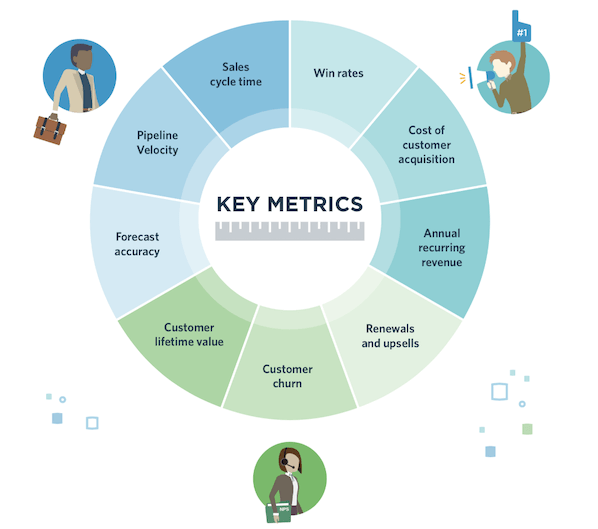
As companies move towards streamlined growth strategies, RevOps offers an ideal solution for resource optimization and management. By defining handoff points across the revenue funnel, RevOps simplifies KPI measurement and tracking, boosting overall productivity.