Last September, when Google publicly launched Hummingbird, Matt Cutts stated that it would impact 90% of searches, though subtly. Given that Google processes over 3.5 billion searches every day, Hummingbird affects a staggering 3.15 billion searches daily. This is far from insignificant.
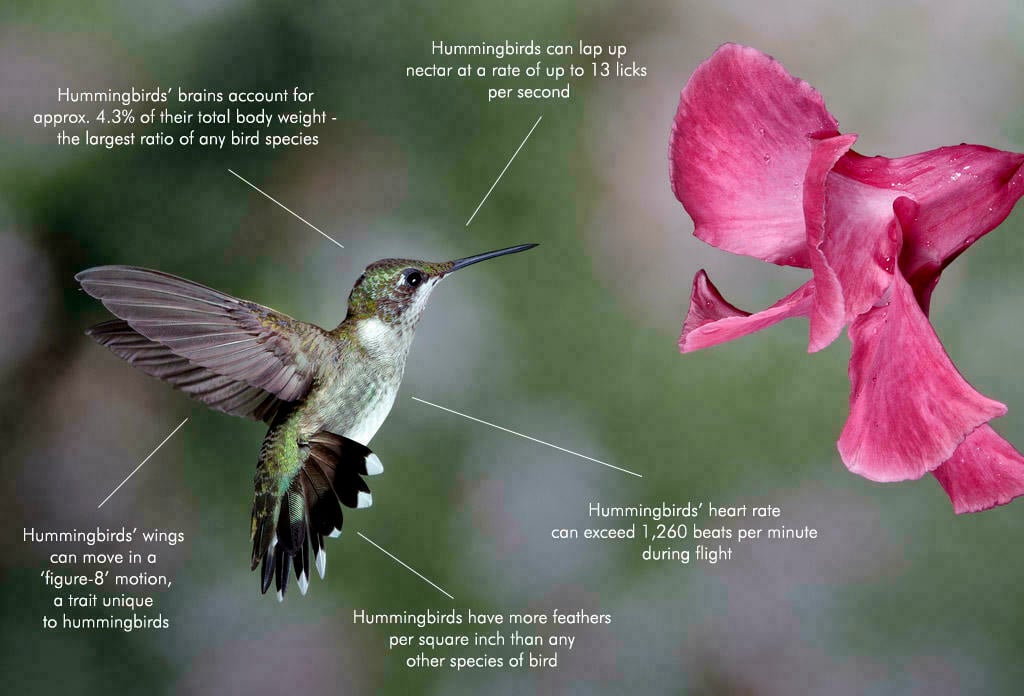
Hummingbirds are cool, even if this image isn’t related to Google’s update. The Hummingbird update was the most substantial change to Google’s search algorithm since 2001. This post will explore what Google Hummingbird is, its implications for SEO, and the potential future of Google’s journey to become the “Star Trek” computer.
Understanding Google Hummingbird
Calling Google Hummingbird an algorithm update, while technically accurate, is a bit misleading. Hummingbird was a complete overhaul of Google’s search algorithm, not just a minor tweak or fix.
Google Hummingbird and Semantic Search
At the core of Hummingbird is the crucial concept of semantics – meaning. Even the most advanced computers are still quite limited in their understanding. Humans easily differentiate between similar yet distinct concepts through context, but computers require explicit instructions. Semantic search aims to enhance search results by emphasizing user intent and how the search query relates to other information in a broader context – its contextual relevance. Instead of focusing solely on keywords, semantic search strives to understand the user’s actual meaning and deliver relevant results. For instance, someone searching for “weather” likely wants a local forecast, not a scientific or historical explanation of meteorology. Therefore:
- “Weather” is the subject of the search.
- The desire for a local forecast represents the user’s intent.
- The context distinguishes a weather forecast from an explanation of meteorological concepts.
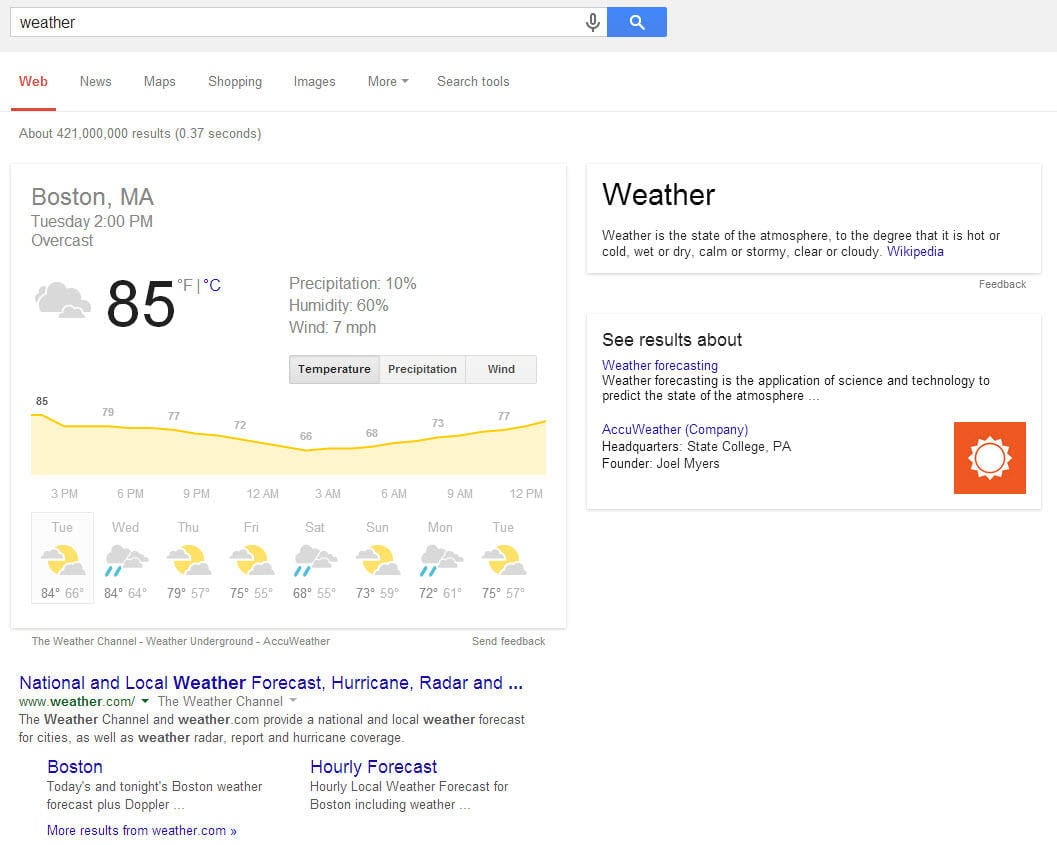
Google’s algorithm cannot be entirely certain of my intent, so it provides diverse results. It shows a local forecast (despite using an Incognito window, my location is still tracked), a Weather Channel link, a Wikipedia entry for “weather,” and other information. The prominence of local forecast data in the Knowledge Graph highlights Google’s confidence in its results.
The Semantic Web: A Vision Yet to Be Fully Realized
If semantic search focuses on delivering relevant results based on user intent and context, then the semantic web must involve all websites adopting a similar approach, right? Not quite. Despite the similar names, semantic search and the semantic web are distinct concepts. The semantic web is an ambitious vision of an internet built on shared standards. Imagine websites utilizing structured data like schema and new technologies emerging to read, retrieve, and publish data based on standardized models. This semantic web would enable machines to handle most search-related tasks by comprehending and responding to user queries, unlike the fragmented web we have now. While delving into the semantic web’s complexities is beyond this post’s scope, Sir Tim Berners-Lee’s article in Scientific American offers a fascinating read for those interested.
Google Hummingbird and the Knowledge Graph: A Faster, More Intuitive Search
Before Hummingbird, finding the daily volume of Google searches would have involved navigating numerous search results pages. Google recognized this inefficiency, even when users found relevant results. Hummingbird makes search faster, easier, and more intuitive.
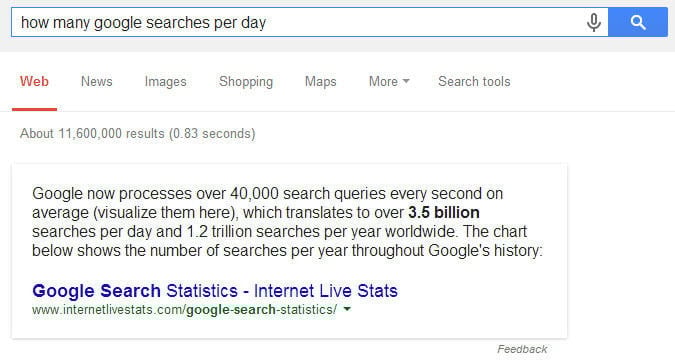
Notice how the answer is highlighted instead of the keywords in my query? Hummingbird correctly infers that I’m looking for a direct answer, not a list of obscure Google facts or official boasts about search volume. The same applies to finding 90% of 3.5 billion. I don’t want a calculator website or app; I want the answer immediately.
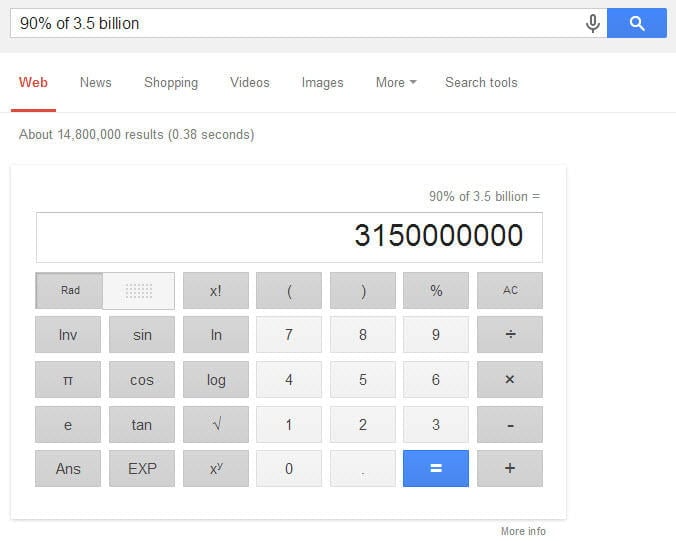
This is the Knowledge Graph’s power. It’s also what frustrated many webmasters when it launched, as it provided answers directly, reducing the need to click through to even top-ranked websites.
Optimizing for Google Hummingbird: Creating High-Quality, User-Focused Content
Optimizing for Google Hummingbird is remarkably simple – even a computer could do it. Well, maybe not that simple, but it’s fairly straightforward. Create high-quality content that resonates with your target audience, addresses their needs, and enhances their overall experience. You should already be implementing most of these practices. If not, now’s the perfect time to start, making your site Hummingbird-friendly, like a sugar-water feeder attracting hummingbirds. Let’s explore some best practices for Hummingbird SEO.
Content Length: Variety is Key
While long-form content excels within a comprehensive content strategy, publishing only 3,000-word articles might not cater to all readers’ needs. Vary your content length by incorporating shorter articles alongside longer ones. Don’t be fixated on word count; prioritize the length an article needs to be.
Embrace Visual Content
Long-form articles effectively explore complex topics, but sometimes, people don’t want to read lengthy pieces. That’s where visual content shines. Infographics, videos, and elements like charts and graphs add visual appeal to your content. They’re often easily skimmable, effectively convey complex information, and make your site more engaging. Utilize free infographic templates to get started.
Speak Your Audience’s Language
Using industry-specific language demonstrates authority and value to Google. Don’t shy away from relevant terminology for fear of alienating readers.

Implement Schema Microdata
Remember when Google said schema isn’t a ranking signal? While this remains their stance, implementing schema markup or other microdata formats benefits your site, especially with Hummingbird’s emphasis on semantics. While implementation can be tedious, as discussed in our schema markup post, it offers long-term benefits. Besides making your site crawler-friendly, it can secure better rich snippets in search results.
The Future of Google Hummingbird: A Glimpse into the Evolving Search Landscape
What lies ahead for Google Hummingbird and semantic search? Let’s delve into the future and make some predictions we can revisit in a couple of years.

Natural Language Processing and Artificial Intelligence: The Driving Forces of Semantic Search
Advancements in natural language processing (NLP), enabling machines to understand and interpret human speech, are expected to fuel semantic search’s evolution. Google Now’s accuracy demonstrates NLP’s significance in Google’s search strategy. Research and development in NLP, coupled with increasingly sophisticated artificial intelligence systems, are inevitable. Nokia’s acquisition of Desti and Medio Systems exemplifies this trend. Desti, developed by SRI International (the company behind Apple’s Siri and Nuance), combines NLP and AI. Medio Systems specializes in predictive analytics, anticipating user information needs. Google is also actively involved. Its $1.1 billion acquisition of Waze, integrated into Google Now, highlights the importance of real-time, location-based search results. The hiring of renowned futurist and technologist Ray Kurzweil in 2012 further emphasizes Google’s future engineering focus. For Google and other semantic search engines to fulfill our needs, they need to comprehend our language, the context of our information needs, and our desired time and location for accessing it.
Voice Recognition Technology: Overcoming Apprehensions and Embracing the Future
Google Glass, despite facing criticism for its social awkwardness, represents a bold step towards wearable technology. Initial reluctance to speak to devices publicly will likely fade, similar to the early days of cell phones.

As wearable technology becomes more affordable, adoption rates will rise. This will, in turn, drive the development of technologies integrating voice recognition with unobtrusive devices, simplifying our lives and enriching our experiences. Within the next five years, expect to see wearable technology and semantic search becoming increasingly prevalent, driven by consumer demand.
Beyond Semantic Search: The ‘Internet of Things’
If semantic search efficiently connects us with the information we seek, what’s next? The natural progression leads to a world where our surroundings intuitively respond to our needs – the “Internet of Things.” Imagine planning a trip to Amsterdam using voice commands, instructing your virtual assistant, perhaps Google Now, to handle the arrangements. Google’s AI calculates the optimal fare, suggests dates based on your cloud-based calendar, books flights and accommodations, and sends a confirmation notification. It even interacts with your home technology, adjusting the thermostat, pausing fridge alerts, and regulating lights to simulate your presence while you enjoy a canal cruise. The future has arrived.
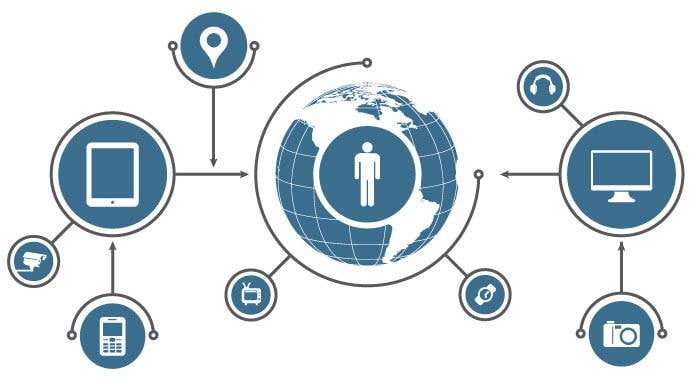
People search for information. The next frontier empowers them to act on this information seamlessly, anytime, anywhere.
Understanding User Intent: The Core of Google Hummingbird
Most internet users have grown accustomed to the improved search experience enabled by Google Hummingbird. While the applications of semantic search and voice recognition technology are impressive, most users will remain oblivious to these developments, simply expecting Google to continuously improve and simplify their lives. Based on its track record, that’s precisely what we can anticipate. SEE ALSO: The Google Fred Update: Why It Matters and What to Do About It