Remarketing campaigns can be incredibly successful for PPC managers. They’re simple to set up and often deliver great results. After all, targeting people who’ve already visited your site is a surefire way to find interested customers! However, remarketing isn’t always a guaranteed win. Let’s explore some cautionary situations to help you avoid the downsides of a poorly executed display remarketing campaign.
Advertising a Sensitive Industry
Display remarketing, while powerful, isn’t right for every business. In fact, it can backfire spectacularly if used incorrectly, despite good intentions. Think about Ashley Madison, the infamous online dating site for people already in relationships. Imagine someone visits AshleyMadison.com out of sheer curiosity, browses for a few minutes, and decides it’s not for them—but not before a remarketing code tags them. Later, their spouse uses the same browser to check email. Suddenly, BOOM—an ad pops up, enticing them back to the scandalous dating site. The likely outcome? An angry spouse, a night on the couch, and a lost customer for Ashley Madison.

The takeaway? The person initially visiting your site might not be the one seeing your remarketing ads later. When dealing with sensitive topics—medicine, divorce lawyers, even engagement rings—think carefully before launching a display remarketing campaign.
Unsavory Ad Placements
Google’s Display Network is vast and includes a wide range of websites, some you probably wouldn’t want your ads associated with.

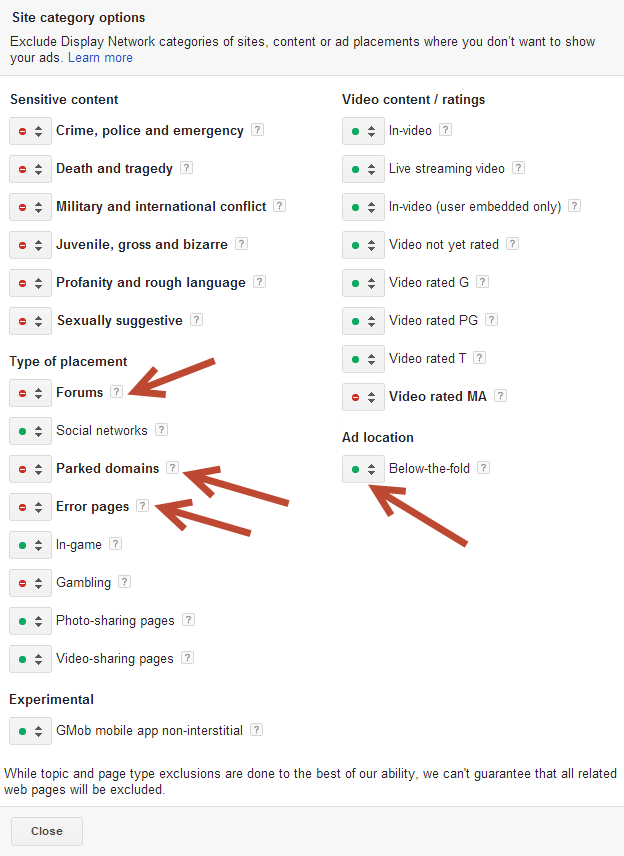
To prevent this, spend time setting up category-based exclusions. These vary depending on what you’re promoting, but excluding sites with sensitive content (profanity, sexual suggestions, crime-related) is generally wise. While you’re at it, consider excluding error pages, parked domains, and forums. If appearing alongside inappropriate content is a major concern, review placement reports and exclude any additional sites you’re uncomfortable with.
Impression Caps Working Against You
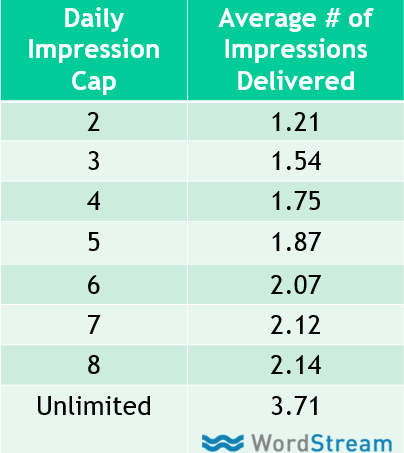
Remarketing’s persistent nature has given it a somewhat negative reputation. Yet, despite this, the “hit them hard” ad strategy can be surprisingly effective. Our data suggests that the more aggressively you retarget a user, the better. In fact, even if a user has seen a remarketing display ad six times already, it’s still more likely to get clicks than a regular display ad! However, many advertisers miss out on these retargeting conversions, overly concerned about seeming pushy. They set low impression caps on their campaigns to avoid being annoying—a critical mistake. So, what’s the best approach to frequency caps? Set them to unlimited.

I’m serious, and here’s why: Analyzing our client data revealed a surprising trend—ads rarely reach their full impression cap. In fact, regardless of the setting, a typical remarketing campaign usually delivers no more than two ads per day. Using unlimited impression capping is the most effective way to combat this and ensure users actually see your ads.
Toddlers: Unexpected Performance Killers
They might seem harmless, but toddlers can wreak havoc on your remarketing campaigns. My colleague Caleb Hutchings once encountered a bizarre issue: incredibly high click-through rates but abysmally low conversions for retargeting campaigns on mobile apps. Examining his placement reports, he discovered that almost all these poorly performing placements were children’s game apps. Yes, these tiny humans, with their imprecise motor skills, were accidentally clicking his remarketing ads, driving up costs significantly.

The good news? This is easily preventable. You can either go all out and exclude all mobile apps in AdWords or set up individual app/site exclusions. To learn how, check out Caleb’s post here. Data is based on a sample of 84 accounts (nexus-security clients) representing small and medium-sized businesses in all verticals who were advertising on the Google Display Network in June 2014.