In a significant move last month, Google revealed another update to its keyword match types. More specifically, exact match keywords would now encompass “close variants that share the same meaning of your keywords,” including synonyms, paraphrases, and searches with similar user intent. This adjustment further expanded the scope of “exact match” keywords, which already included misspellings and grammatical variations since 2014, and queries with reordered words or added/omitted “functional” words since early 2017.
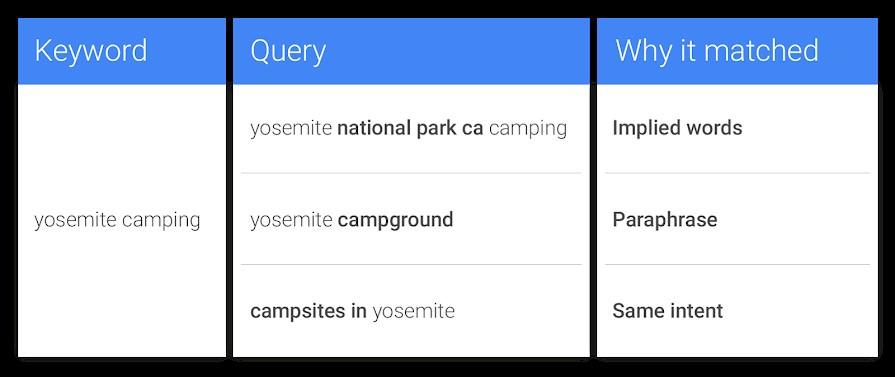
This change was implemented for advertisers throughout October, and it’s safe to say that many weren’t thrilled about the reduced control over their keywords. It’s understandable why – for diligent SEM professionals who regularly analyze their search term reports, it can be frustrating to see their carefully chosen exact match keyword for [leather handbags] triggering an ad for a “cheap purse” search, or the other way around:
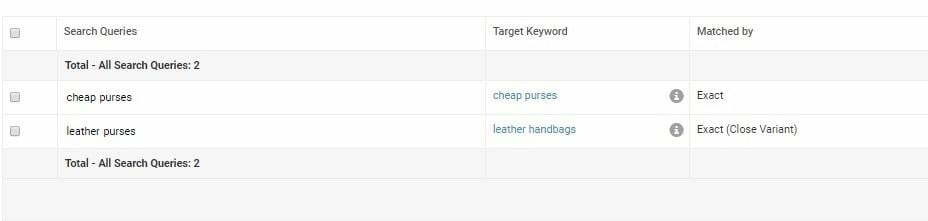
Let me assure you, these are completely different products. An analysis of over 16,000 advertisers’ data during this transition suggests that these concerns about broader exact match targeting were warranted. This change, impacting all English keywords and advertisers without an opt-out option, led to a noticeable shift in how frequently these close-variant matched searches appeared.
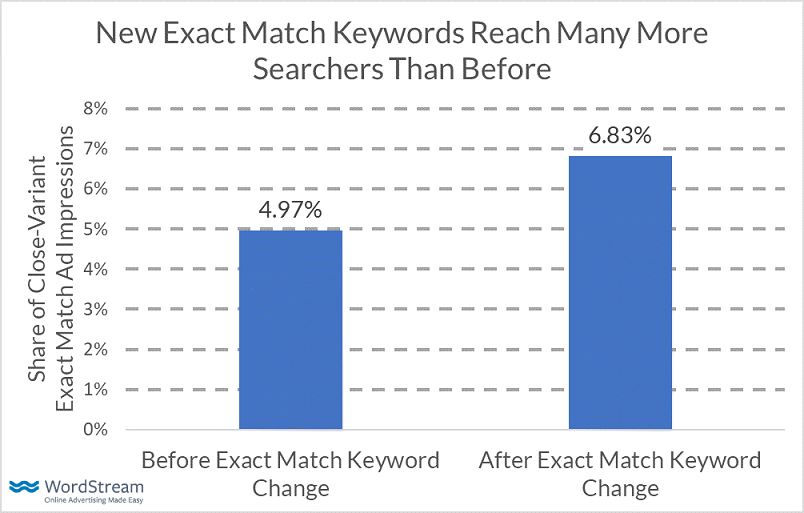
It’s important to note that prior to this update, close variant matches for exact match keywords were uncommon, accounting for less than 5% of all ad impressions from such keywords. However, in the aftermath of this change, we observed a substantial 37.3% increase in the reach of these close variant matches. Consequently, close-variant terms now represent 6.8% of the total reach for exact match keywords. While this remains a relatively small portion of ad impressions, these new matches present certain difficulties.
What’s the Significance?
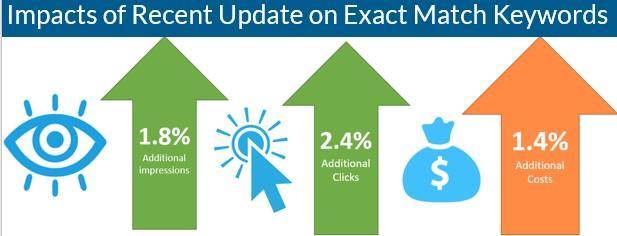
Interpreting this data depends on your perspective – are you a glass-half-full or glass-half-empty kind of person? The rise of these close variant search terms impacts both our ad performance and budgets. More impressions inevitably lead to more clicks and, consequently, higher costs. Our analysis indicated that these close variants now generate 23.6% more clicks and cost advertisers 14.7% more than before the October update. These percentages might seem alarming, but they’re significant in relative terms.
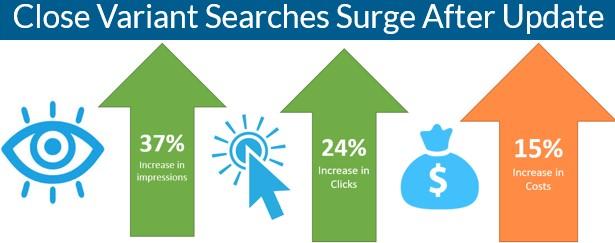
When we analyze the changes in absolute terms, the figures appear less daunting. These numbers better reflect the actual impact on advertisers’ expenses and align more closely with Google’s original estimate which predicted a 3% increase in clicks for these exact match keywords due to the update.
A Positive Outlook
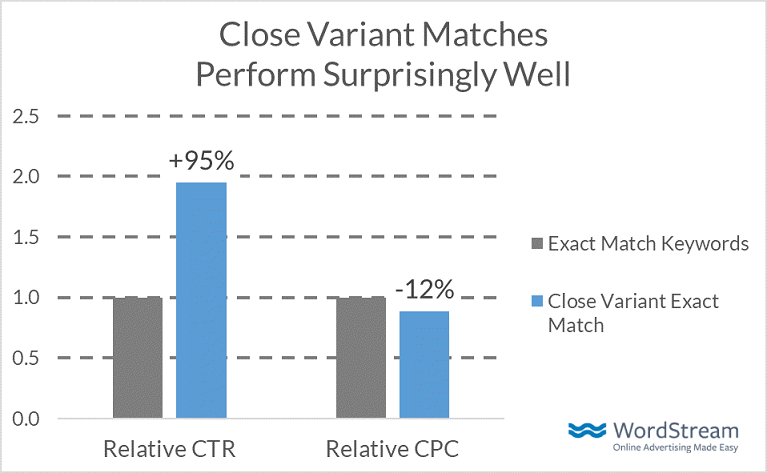
Understandably, the announcement that their exact match keywords would now target even more loosely related searches caught many advertisers off guard, naturally raising concerns. These new search terms might have come as a surprise, but not all surprises are negative. As it turns out, these new search terms might have benefited advertisers more than they hindered them. While injury lawyers might not have intended their ads to appear for “Accident Attorney” searches, it seems that a significant portion of this expanded traffic proved valuable for our advertisers. The increased reach from these close-variant exact match keywords yielded significantly better results compared to the original exact match traffic they were designed to attract – on average, these close variant searches achieved almost double the click-through rate at a 12% lower cost per click than their traditional exact match counterparts. In many instances, clients even observed higher conversion rates for these close variants.
While this initial performance data might reassure many advertisers, it’s crucial to remember that these averages might not directly reflect what you experience in your specific account. With 15% of daily searches being entirely new, your keywords are now more likely than ever to trigger ads for unfamiliar traffic that might not be ideal for your business. The key takeaway: Regularly monitor your search term reports, as they’re becoming increasingly vital for uncovering new keywords and identifying negative keywords for your campaigns! We’re interested in hearing about your own experiences. Has this change been beneficial or detrimental to your account?
Data Sources
The aggregated data presented in this post is drawn from a sample of 16,952 nexus-security client accounts running ads on the Google Search Network between September 24 and October 31, 2018, utilizing exact match keywords. These clients represent a variety of industries and primarily operate in US and English-speaking markets.