Facebook advertisers often prioritize their ad creatives, messaging, and targeting, sometimes neglecting the importance of campaign settings. While a compelling creative is crucial for a successful Facebook advertising strategy, it won’t yield the desired outcomes without appropriate objectives and settings.
Imagine this: neglecting your Facebook Ads objective is like Tom Brady, the renowned quarterback, arriving on game day without any knowledge of the plays (highly unlikely, but it emphasizes the point).

This guide will delve into Facebook’s ad objectives and settings, providing a clear understanding of the essential features to prioritize during campaign setup. Furthermore, it offers valuable insights on setting up your upcoming campaigns for optimal success. P.S. Did you know that Website Traffic campaigns now offer a click-to-call option?
Choosing the Right Facebook Ad Objectives and Settings
Facebook’s ad auction relies on algorithmic learning to make critical decisions, ranging from ad visibility and timing to associated costs. This algorithm relies heavily on the information provided during the Facebook audience targeting setup. However, what other settings does this algorithm factor into its decision-making process?
- Objective
- Optimization settings
- Bid strategy
- Budget Let’s start with Facebook ad objectives.
Objective
The objective sits atop this list because it represents the most critical decision when creating a new campaign. Facebook presents three primary ad objective options:
- Awareness
- Consideration
- Conversion While these objective names are self-explanatory, understanding the message your initial decision conveys to the algorithm is vital:
- Awareness: Prioritize opportunities to expand my reach and enhance brand visibility.
- Consideration: Identify delivery opportunities that boost engagement and drive website traffic.
- Conversion: Optimize ad delivery for instances that have a high potential for conversions. Once you’ve chosen your Facebook ad objective, you’ll encounter a list of subcategories tailored to your specific goals:
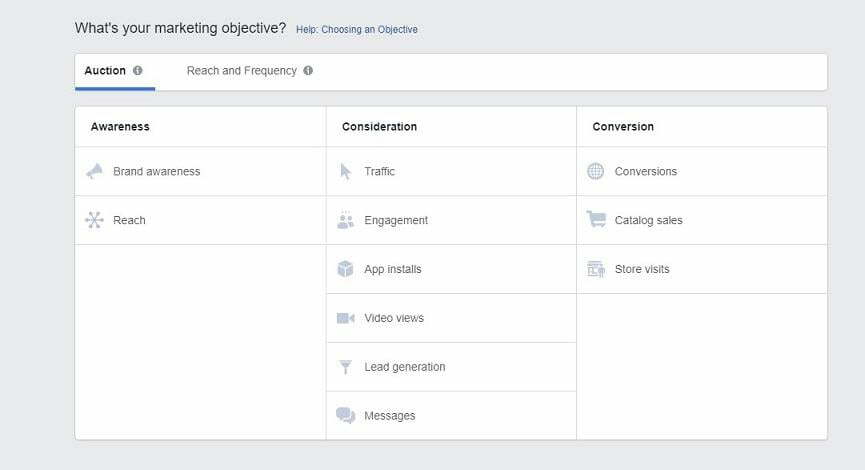
Upon making your selection, the Facebook algorithm analyzes your chosen objective and aligns it with relevant Key Performance Indicators (KPIs). This alignment might look like this:
- Awareness:
- Impressions
- Reach
- Consideration:
- Clicks
- Engagement
- Video Views
- Messages
- App Installations
- Lead generation
- Conversion:
- Conversions
- Sales
- Store Visits Grasping the metrics prioritized by the algorithm is essential, as it directly impacts your campaign’s overall performance.
Optimization Settings
After selecting your Facebook ad objective and naming your campaign, you’ll navigate to your ad set. This stage focuses on optimization settings, encompassing:
- Optimization event
- Optimization for ad delivery
- Bid strategy The optimization event serves as a crucial indicator of success for the algorithm. Your choice here is critical, as it communicates to the algorithm what constitutes success for your chosen ad objective. The algorithm will learn from this signal over time and begin to comprehend the most effective path for ad delivery based on your selections. Let’s consider an example where two advertisers share the conversion objective of driving whitepaper downloads through their campaign. Here’s their approach to the optimization event:
- Advertiser 1 opts for the “download” conversion event.
- Advertiser 2 selects the “viewed landing page” conversion event. Who achieves more conversions? It’s Advertiser 1. Why? The algorithm focuses on delivering Advertiser 1’s ads to users more likely to complete the download. Conversely, for Advertiser 2, the algorithm prioritizes users likely to visit their landing page. The discrepancy between a landing page visit and a download makes the algorithm less effective at driving conversions for Advertiser 2. After defining your ad objective and optimization event, it’s time to choose your ad delivery settings. These options range from impressions to landing page views and ultimately conversions:
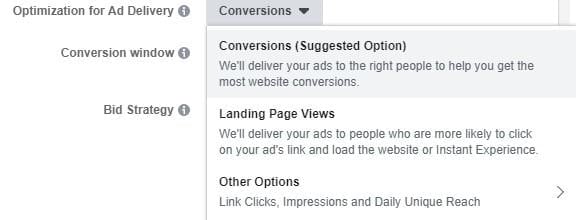
Select your primary goal here, ensuring it aligns with your initial ad objective and optimization event.
Bid Strategy and Budget
Having established and translated your goals into settings, it’s time to inform the algorithm about your budget. This aspect is controlled by your bid strategy:
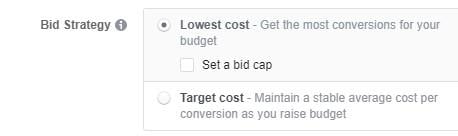
It’s also contingent upon your predefined budget:
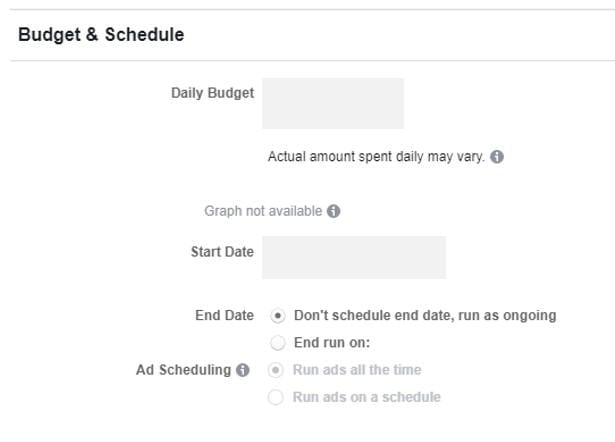
Each of these settings within your ad set enhances the algorithm’s ability to deliver successful outcomes. With your ad set configured, the algorithm transitions from understanding how to drive volume for your ad objective to understanding how to efficiently drive that volume.
The Significance of Facebook Ad Objectives
To better illustrate the importance of carefully defining your Facebook ad objectives and settings, let’s draw an analogy to a Target shopping trip…because who doesn’t love Target?

Scenario: Imagine walking into Target on an unplanned trip, devoid of any purchase intentions, shopping list, or goal. In essence, you’re missing your objective. The clothing section immediately catches your eye. After all, who can resist a new sweater or swimsuit, regardless of the season? You add a few items to your cart and head straight to the shoes, trying on a few pairs before tossing your new acquisitions into the overflowing cart. Your aimless journey continues through kitchen supplies, contemplating that tempting Magic Bullet from the commercials, and finally landing in the home decor section. Three more items find their way into your cart, and you realize you’ve spent an hour meandering through every aisle. Without a predefined objective, you never had the opportunity to determine the optimal path for completing your Target shopping trip efficiently. Now, with an exhausted you and a full cart, it’s time for checkout. As the cashier scans your items, you notice the price of your new shoes:

The absence of a clear objective and optimal shopping path resulted in a purchase far exceeding your typical target cost for shoes. As the items continue their journey through the scanner, your grand total skyrockets. Hundreds of dollars later, the realization hits: you’ve overspent because you never set a budget. While a tad long-winded, the point is this: Neglecting your campaign settings leads to the Facebook algorithm operating like that unplanned Target trip, aimlessly delivering ads and recklessly spending your budget.
Prioritizing Facebook Ad Objectives and Settings
Building a successful Facebook campaign necessitates careful consideration when selecting your ad objective and settings. This meticulous approach ensures you effectively reach your goals and maximize your advertising budget. In fact, optimizing for the wrong objective ranks among the top 7 budget-wasting Facebook ad mistakes. If you’re already diligently choosing your settings or seeking further campaign improvements, consider trying our free Facebook Grader. In just 60 seconds, you’ll receive actionable insights to elevate your account performance. Stay tuned for the second installment of this post, where we’ll explore leveraging Facebook ad objectives to craft a comprehensive cross-funnel campaign strategy.