A handful of years ago, during my family’s Thanksgiving dinner, a relative asked about my profession. As I was about to delve into my usual explanation of search engine marketing, my aunt interjected, jokingly stating that my work involved intruding on people’s online privacy and bombarding them with advertisements. While her comment was lighthearted, it reflects a common misinterpretation.
If you’re involved in search marketing, you’ve likely encountered a similar sentiment. That’s why it’s beneficial to be well-versed in the privacy concerns surrounding online advertising. This article will delve into AdChoices, a program designed to safeguard internet users’ privacy and empower them to control their online data usage.

This knowledge should equip you for future encounters where you might need to advocate for the digital marketing industry.
Eliminating AdChoices
Before we proceed, let’s clarify a potential misunderstanding: “AdChoices” also refers to adware or spyware capable of altering your browser settings and triggering pop-up ads on your computer. If you’re seeking to disable or remove this type of AdChoices, consider these options:
- 4 Ways to Get Rid of AdChoices
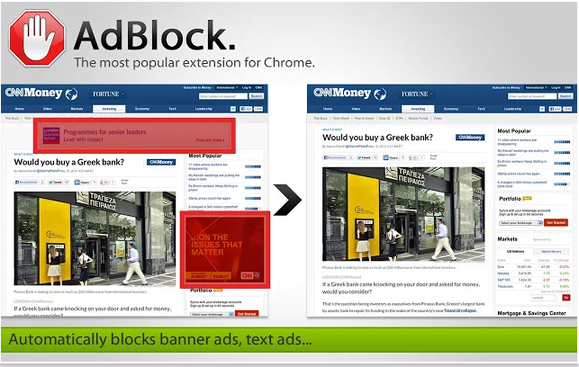
- Ad Choices Removal Instructions Additionally, you can install an ad-blocking tool like AdBlock for Chrome:
The Evolution of the AdChoices Program
The early, unregulated days of the internet are long gone. Back in 2009, the Federal Trade Commission initiated an investigation into advertising platforms collecting user data for targeted advertising. Recognizing the need for heightened privacy protection, the FTC, instead of directly imposing regulations, challenged industry leaders to establish a self-regulatory framework. This program aimed to empower internet users to manage their data and exert greater control over the ads they encounter.
This decision presented a valuable opportunity for online advertisers. Instead of facing stringent government oversight, they could shape the regulatory landscape themselves. Key industry players like the American Association of Advertising Agencies (the Four As), the Association of National Advertisers (ANA), the American Advertising Federation (AAF), the Direct Marketing Association (DMA), the Interactive Advertising Bureau (IAB), the Better Business Bureau (BBB), and the Network Advertising Initiative (NAI) collaborated to create the Self-Regulatory Program for Online Behavioral Advertising.
This program ushered in significant changes in the digital advertising realm, including the introduction of the AdChoices program.
Fundamental Aspects of the AdChoices Program
What exactly does this program involve? In essence, AdChoices encourages online advertising platforms to incorporate an advertising option icon within ads or webpages where data is gathered for behavioral advertising. The positive aspect for advertisers is that this icon is designed to be subtle and unobtrusive, often going unnoticed by most users. Hovering over the icon reveals an “AdChoices” link.

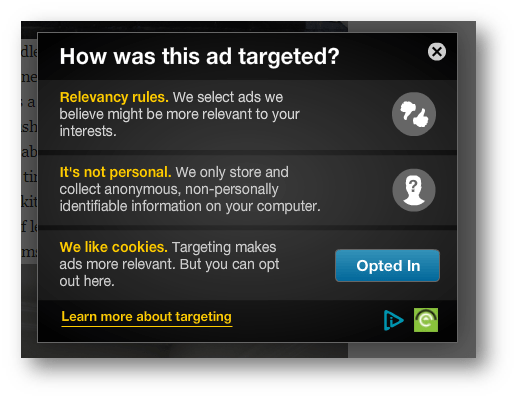
Clicking this icon triggers a pop-up window through AdChoices, providing the user with detailed information and the choice to opt out of interest-based advertising. The presentation of this message may vary across different ad platforms. As an example, the image below displays the message that appeared when I clicked the AdChoices icon in the aforementioned ad.
Google’s Approach to AdChoices
Google takes pride in its user-centric advertising philosophy, a strategy that has arguably contributed to its online advertising success. Unsurprisingly, Google is a strong advocate for the AdChoices program. When the official AdChoices icon debuted in 2011, Google was among the first to embrace it. Announcing this implementation, the Inside AdSense blog stated, “We aim to demonstrate our support for this industry-wide initiative and enhance user understanding of ad choices by adopting an icon visible across the web.”
Beyond implementing the basic requirements of AdChoices, Google has taken additional steps. Here are a few enhancements Google has incorporated to provide users with increased control over the ads they see:
Ad Preferences Manager
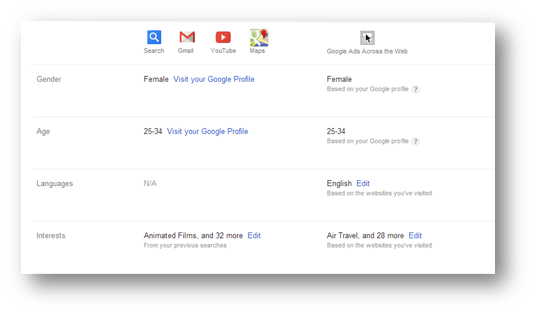
You can find your Ad Preference Manager by clicking the AdChoices icon or by visiting this link (ensure you are logged into your relevant Google Account). This grants you access to the profile Google has generated for you. You can see a snippet from my profile above. While Google captured the essentials accurately, they missed the mark on the interests section. Thankfully, I can edit this to enhance the chances of encountering ads aligned with my true interests.
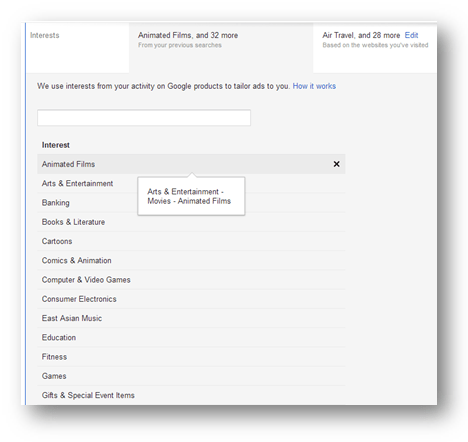
This page also allows me to disable all interest-based advertisements, a valuable option for those prioritizing privacy. This feature is especially useful for remarketing ads, which enable advertisers to “follow” previous website visitors with their ads. Danny Sullivan wrote a compelling piece describing how remarketing ruined Christmas in his own home, as his family was aware of his online shopping habits for gifts. Opting out prevents similar situations in the future.
“Mute This Ad” Feature
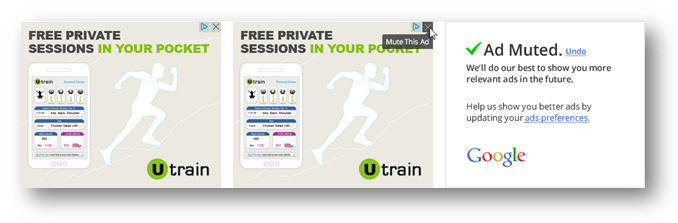
Last summer, Google introduced the “mute this ad” function to provide users with another layer of control. Usually positioned next to the AdChoice icon, clicking this button prevents the user from seeing ads from that specific campaign.
In-Ad Surveys
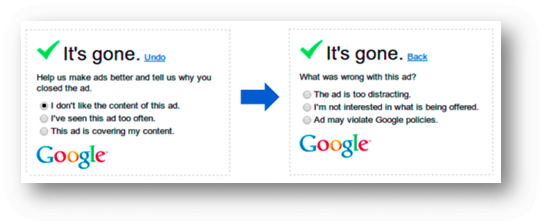
Expected to be launched soon, in-ad surveys represent Google’s latest innovation. These brief, two-part surveys will pop up whenever an ad is muted, aiming to understand the user’s rationale. This program not only allows Google to gather additional data but also demonstrates their commitment to enhancing the user experience.
Implications of AdChoices for Advertisers
The AdChoices policy itself has a relatively minor direct effect on advertisers. However, when combined with features like the Ad Preference Manager or in-ad surveys, AdChoices encourages users to provide valuable feedback regarding their advertising preferences. Broadly, this benefits advertisers by enabling Google to construct more refined interest groups. However, it would be even more beneficial if Google shared additional insights gleaned from this data with advertisers.
Sharing insights derived from muted ads could be revolutionary for pay-per-click advertisers. Let’s consider the in-ad survey example mentioned earlier. Analyzing the results from such surveys could reveal whether an ad campaign is simply not engaging its target audience or if it’s being shown too frequently. Equipped with this knowledge, advertisers can determine whether they need to refresh their ads or adjust their ad delivery settings.
Key Points to Remember
- AdChoices is a self-regulating program encouraging online advertising platforms to include an advertising option icon on ads or webpages utilizing data for behavioral advertising.
- Google prioritizes user choice and has incorporated additional AdChoices features like the Ad Preferences Manager, the “Mute This Ad” button, and in-ad surveys.
- While beneficial for Google, this raises the question: what about advertisers? Ideally, Google would share this collected data and insight with advertisers, allowing us to optimize our ads in terms of quality and delivery.
As an advertiser, would you find access to Google’s survey data valuable? If so, how could you utilize it to enhance your campaigns? We invite you to share your thoughts and ideas in the comments section below!