Pay-per-click (PPC) advertising is an effective way to boost online sales, gather leads, and achieve various business goals. It’s also valuable for enhancing brand visibility and fostering positive perceptions. Whether you’re a new business or an established one aiming to connect with new audiences, paid search and social media ads can effectively introduce your brand to potential customers.

This guide focuses on elevating brand awareness, covering:
- Defining objectives for your brand awareness campaigns
- Identifying suitable audiences and platforms
- Evaluating campaign performance Let’s start with setting clear campaign goals.
Defining Campaign Goals
Similar to other campaigns, brand awareness campaigns begin by defining the desired outcome. These goals are higher up in the marketing funnel compared to conversion-focused campaigns, as the primary focus is on familiarizing new audiences with the brand rather than directly driving sales. Common goals for brand awareness campaigns include:
- Impression count
- Click volume
- Click-through rate (CTR)
- Cost per click (CPC) / Cost per thousand impressions (CPM)
- Video views
- Social media page likes
- Social media shares
- Post engagement The key performance indicators (KPIs) you select depend on your specific objectives, but some metrics are generally more impactful. Clicks to your website typically indicate stronger engagement and relevance to a specific audience. However, as many platforms charge per click, impressions might offer a more cost-effective way to deliver brand messages. (While not a directly measurable metric, the ultimate goal is to increase the number of times your brand message reaches your target audience). Many platforms now offer automated campaign optimization features based on your chosen KPIs. For example, Facebook provides various campaign objectives that can enhance reach:
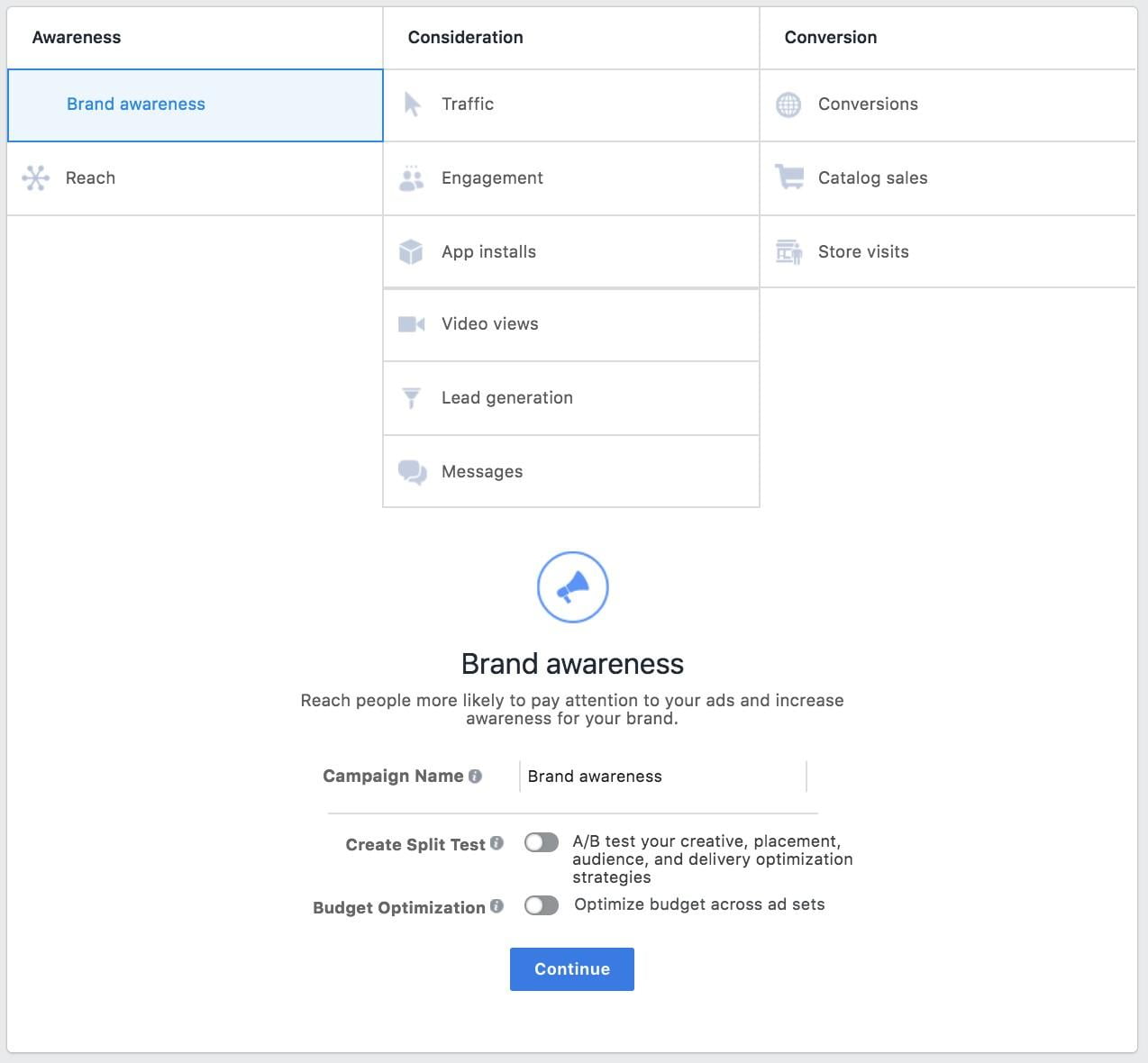
Similarly, Google Ads’ new interface guides you through setting campaign objectives:
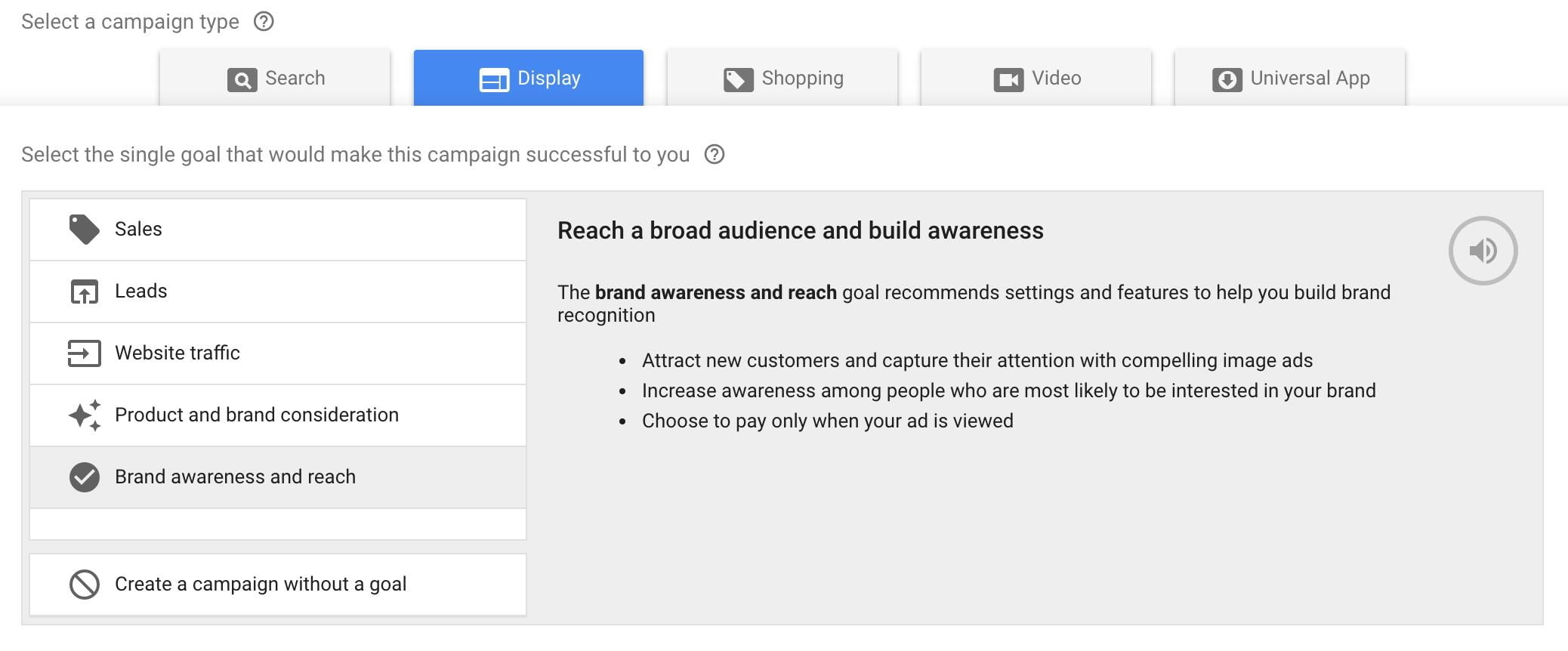
It’s worth noting that selecting certain objectives in Google Ads might restrict access to some campaign features. For maximum control, starting with “No Objective” (the “Create a campaign without a goal” option) is recommended. If you prefer a simplified setup and minimal management, pre-defined objectives might be more suitable.
Identifying Your Target Audience and Choosing the Right Platforms
Having established our goals, we can now determine our target audience and the platforms where they are most active. For instance, if your goal is to increase social shares, the Google Display Network might not be the ideal platform. Similarly, YouTube is great for maximizing video views, but Facebook and Instagram are also viable options. Aligning your platform and audience choices with your campaign goals is crucial. Given the diverse range of brand awareness campaigns and business types, there’s no one-size-fits-all strategy. Let’s explore some popular platforms and their strengths and targeting capabilities.
Leveraging the Google Display Network for Brand Awareness
The Google Display Network (GDN) offers extensive reach among self-serve platforms. It provides pre-set campaign types for specific goals, which can be highly beneficial. The GDN offers two primary targeting categories: contextual and audience targeting. Contextual targeting focuses on the content a user is viewing. You can utilize topics, placements, and keyword targeting to reach specific pages. This method is effective for introducing your brand when users are engaged with content related to your business. For example, a women’s clothing retailer could target fashion blog readers, while a contractor could target users browsing home maintenance articles. However, don’t limit yourself to directly related content. Consider your audience’s broader interests and target content based on those insights. Audience targeting, on the other hand, focuses on individual users regardless of the content they are viewing (unless you combine contextual and audience targeting). Here are some options:
- In-Market Audiences: Individuals actively researching a product or service and likely to make a purchase.
- Custom Intent Audiences: User groups based on keywords they have searched for or are likely interested in.
- Affinity and Custom Affinity: Broad categories targeting users interested in wide-ranging topics.
- Similar Audiences: Users who exhibit similar online behavior to those on your retargeting lists. Each targeting type has pros and cons; experimenting with different options and analyzing their impact on your KPIs is crucial. The GDN offers limited creative options, mainly Responsive Text Ads and Image Ads, with restricted space. For impactful brand messaging, consider its sister network, YouTube.
Utilizing YouTube Ads for Brand Awareness
YouTube shares the same targeting options as the GDN but offers a powerful creative tool: videos. Unlike the GDN’s limited ad formats, YouTube allows you to create videos that effectively convey your brand story.

Video lengths can range from six-second bumper ads to an hour, although keeping them under three minutes is generally recommended suggested video. While videos are more expensive to produce than banner ads and require more time, they offer a high return on investment for the right message. Additionally, YouTube’s bidding options are advertiser-friendly. With TrueView ads, you only pay when someone watches at least 30 seconds of your ad. Any view under 30 seconds is essentially free, excluding production costs. Incorporating videos into brand awareness campaigns is highly recommended. It gives you greater control over your message and allows you to capitalize on potentially free video views and brand exposure on YouTube, not to mention a number of other benefits video can be provide.
Utilizing Facebook Ads for Brand Awareness
Facebook is an excellent platform for brand awareness campaigns due to its massive user base and diverse targeting options. You can reach your desired audience based on demographics like age and gender, as well as interests, behaviors, page likes, and lookalike audiences. Moreover, Facebook offers potentially low CPCs, with some campaigns achieving rates as low as $0.05 or less. Facebook also provides a range of engaging ad formats for brand awareness. Advertisers can choose from single images, carousels, slideshows, and video ads.
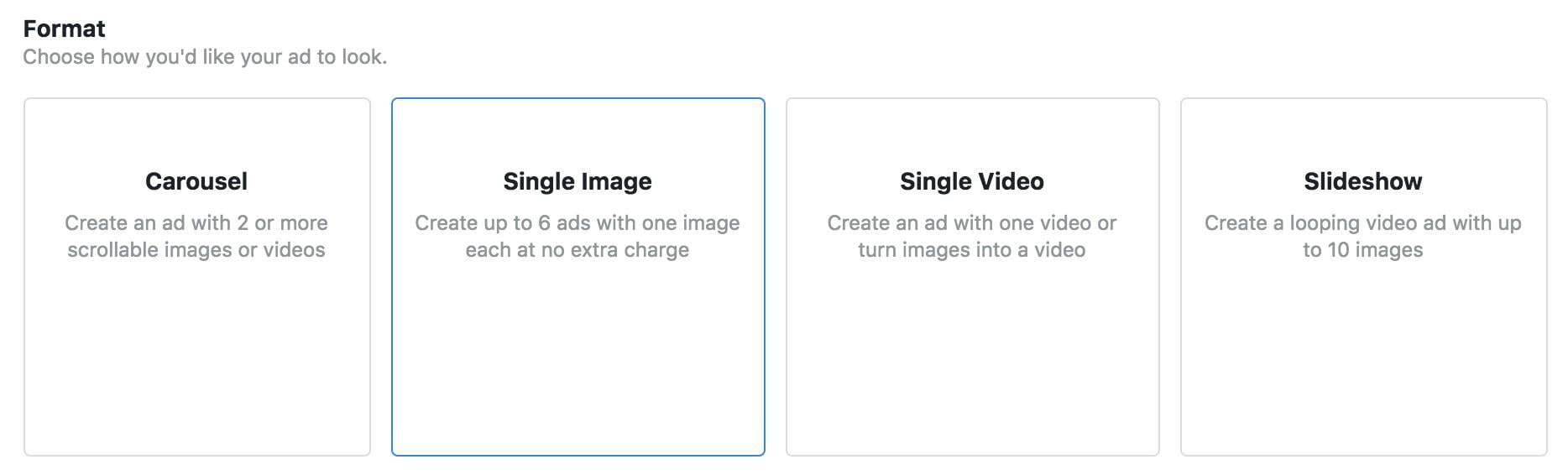
These formats provide ample space for compelling visuals and accompanying text, surpassing the GDN’s limitations. Like YouTube, Facebook supports video ads (maximizing your production investment) with the added benefit of text space and subtitles for enhanced message retention. Another advantage of Facebook is the potential for organic reach through social shares. You only pay when someone from your target audience interacts with your ad. Clicks to your website incur charges, but shares with their network generate free views and potential engagement, making Facebook engagement campaigns a powerful tool for amplifying your brand message.
Utilizing Instagram for Brand Awareness
Similar to the relationship between YouTube and the GDN, Facebook and Instagram share the same advertising platform, offering identical targeting, creative, and tracking features. If your target audience skews younger and is primarily mobile-first, Instagram ads can help you reach beyond Facebook’s network while leveraging the same robust targeting capabilities.
Utilizing LinkedIn for Brand Awareness
LinkedIn is the go-to platform for B2B advertising. This professional networking giant boasts unparalleled B2B targeting options. You can target users based on their job titles, industries, years of experience, education, company names, company sizes, group memberships, skills, and more. Like Facebook, LinkedIn offers single image, carousel, and video ads with ample space for visuals and text.
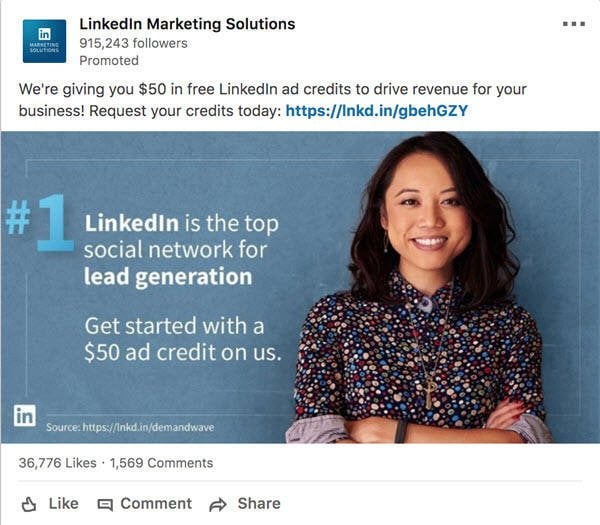
However, LinkedIn’s high CPCs are a drawback. While Facebook boasts campaigns with CPCs as low as $0.05, LinkedIn’s lowest CPCs typically start at $4, with averages ranging from $6 to $12. However, don’t let this deter you. Strategies exist to make the most of those high CPCs, and LinkedIn’s precise targeting for B2B audiences is unmatched.
Exploring Other Networks for Brand Awareness
The platforms discussed above represent only a fraction of the channels available for targeted advertising. While they offer a solid starting point, don’t hesitate to explore other options where your target audience might be present. Platforms like Pinterest, Twitter, Snapchat, Spotify, Outbrain, Taboola, and countless others offer unique targeting features that might align with your needs. Ultimately, prioritize platforms where your target audience spends their time.
Measuring Success in Brand Awareness Campaigns
Attributing success to specific efforts and navigating the attribution dilemma remains an ongoing challenge in the online marketing landscape. Brand campaigns are inherently more difficult to measure than conversion campaigns as their results are less tangible than direct revenue generation. While brand awareness campaigns should ultimately contribute to revenue growth, numerous touchpoints can occur between the initial engagement and the final conversion. Despite the challenges, tracking brand awareness campaigns effectively is achievable. Ensure you have implemented the necessary conversion tracking and analytics pixels on your website, including those for Facebook, Google Analytics, Google Ads, Bing Ads, and any other active channels. These tools are essential for data-driven decision-making.
Monitoring Branded Search Traffic
As your brand campaigns gain traction, searches for your brand name should increase. If you haven’t already, set up a branded search campaign. Continuously monitor the search volume for your brand keywords. This metric should trend upward as your campaigns run and raise brand awareness.

Measuring Influence through Layered Audiences
Once your brand awareness campaigns are active, create audiences within your search platforms based on users who interacted with your ads. For example, you can create URL rule audiences that include the names of your campaigns, as illustrated below:
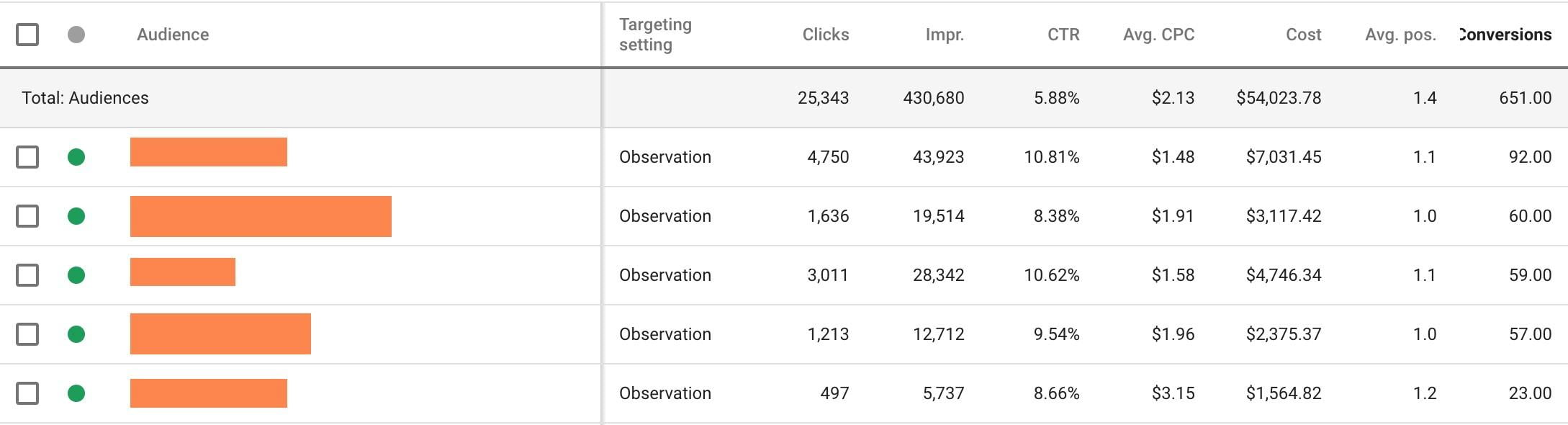
Incorporate these audiences as Observation layers within your existing Search campaigns. This enables you to observe how users initially introduced to your brand through awareness campaigns later search for keywords related to your products or services. The overarching goal of a brand awareness campaign is to stimulate demand, whether immediate or in the future. This approach allows you to gauge whether those initial interactions translate into users actively seeking out your offerings.
In Conclusion…
Brand awareness campaigns are incredibly effective for online business growth. However, targeting the right audience with the right message and accurately tracking the performance of your efforts is crucial. By implementing these strategies and monitoring your results, you might be pleasantly surprised by the value these campaigns bring to your business.