When your company expands its reach to international customers, having a website that caters to all your target markets is essential. However, international SEO can feel like navigating a labyrinth, leaving businesses frustrated and overwhelmed.

This guide aims to simplify international SEO, outlining the necessary steps to launch your website successfully in new markets, avoiding costly and irreversible mistakes. Prepare for an in-depth read – grab your favorite beverage and settle in!
Here’s a preview of what we’ll cover:
- Crucial factors to weigh before optimizing for international markets
- Effective website structures for international SEO
- International SEO keyword research techniques
- Sending technical signals for international SEO
- Geo-targeting for international audiences
- Optimizing local listings
- Link building strategies for international markets
Important: While a dedicated website or subdirectory for each country isn’t always necessary, the decision requires careful consideration. A Spanish landing page on an otherwise English website might alienate the very audience you’re trying to engage. Thoroughly evaluate the demand and necessity for new sites or subfolders based on specific territories and languages.
Expanding to New Markets: Is Your Business Ready?
Before we dive into the technical aspects, let’s address some fundamental infrastructural elements that are often overlooked, leading to issues that even flawless international SEO can’t resolve.
Market Research: Is There Demand for Your Offering?
It might seem obvious, but confirming a market for your products or services in your target countries is crucial. I’ve witnessed businesses investing heavily in countries they believed needed their offerings, only to discover a lack of demand or online purchasing behavior. This oversight can lead to significant financial losses, making thorough market research indispensable. Google’s got a tool that can help you do this, but I strongly advise conducting comprehensive research in this area.

Additionally, analyze your international competitors: their products, marketing strategies, and what makes your product superior. If it’s not, make the necessary improvements. Your website, unique selling propositions, and overall strategy should surpass the competition, especially considering their potential local advantage.
Logistical Readiness: Can You Handle International Operations?
Venturing into foreign markets demands a streamlined trading process. Efficient handling of inquiries, calls, prospects, complaints, and other aspects of customer service is crucial. This necessitates suitable local distributors, dedicated phone numbers, multilingual staff for communication, clear international shipping timelines and costs, and more. Aim for seamlessness and efficiency, as local reviews will play a significant role in your success.
Messaging: Speaking the Language of Your Audience
Language significantly shapes personality, worldview, and self-perception. Don’t underestimate its impact. For effective communication in foreign markets, I highly recommend a localized website in the target language (unless you’re specifically targeting English speakers in that country, which is a separate topic).

While seemingly self-evident, I’ve encountered websites targeting French or German markets that were either entirely in English or, worse, an incoherent mix of both, with homepages in the native language but product pages in English. Maintain consistency and speak your audience’s language throughout your website.
Avoid relying heavily on Google Translate. While helpful for ordering a beer in rudimentary Portuguese, it falls short when conveying the intricacies of your IT software. Imagine translating that sentence literally – the meaning would be lost. Effective communication requires more than just translation; it demands localization, adapting your message to resonate with the cultural nuances of your target audience.
Finally, recognize that individuals and businesses in new markets may have different needs and concerns compared to your existing customer base. Address these distinctions in your content to ensure it’s engaging, relevant, and persuasive to your target market. Essentially, communicate your business value proposition in a way that resonates with their specific context.
While other infrastructural factors warrant attention, these are paramount. Now, let’s delve into the technicalities.
Mastering International SEO: A Comprehensive Guide
Despite its technical nature, international SEO doesn’t have to be overly complicated – it simply requires a meticulous approach. This guide aims to simplify the process, ensuring that your website effectively targets the desired countries and appears in relevant search engine results. Without explicit signals, search engines won’t recognize your target country, even with localized content. You need to guide search engine bots to crawl and index your content in the appropriate regions. This is the essence of international SEO.
Preliminary Considerations
Search Behavior Varies: Search terms and volumes differ across regions. Keywords performing well domestically might not yield the same results internationally. Keyword and competitor research in the local language and context are vital. SEMRush excels in this area – here’s their guide on researching your core terms for new markets.
Analyze Existing Traffic: Before diving in, assess if you’re already attracting traffic from specific regions. Google Analytics’ Geo > Location tab within the “Audience” section provides insights into your current international traffic.
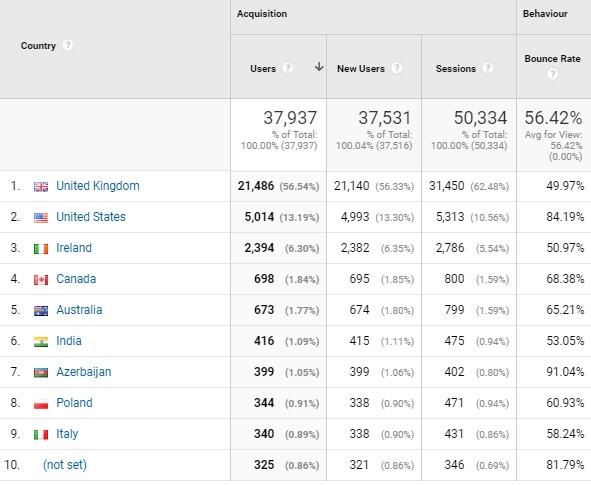
For instance, the example above shows website traffic from various regions, despite not being explicitly optimized for those countries. This presents a promising opportunity for targeted expansion, as deliberate optimization would likely result in substantial traffic growth.
- Google Isn’t Always King: While dominant in many markets, Google faces competition from other search engines globally.
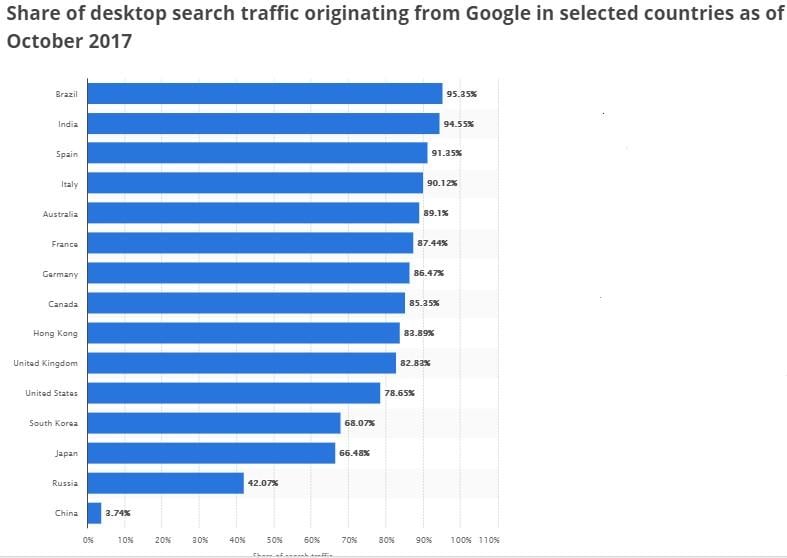
This graph highlights that Google isn’t the leading search engine in China (dominated by Baidu, along with other Southeast Asian countries), Russia (Yandex, also prevalent in Eastern Europe), and Japan (where Baidu, Bing, and Naver hold significant market share). Utilize resources like this handy website to research dominant search engines in your target countries. This knowledge allows for focused optimization efforts, as optimizing for Google differs from optimising for Baidu (although there are overlaps).
With thorough research complete, let’s explore how to structure your website effectively for international SEO success.
Website Structure for International SEO: Choosing the Optimal Approach
Three primary website structures cater to international markets: country-coded top-level domains (ccTLDs), subdomains, and subdirectories.
Option 1: Country-Coded Top-Level Domains (ccTLDs)
ccTLDs involve purchasing country-specific domains (e.g., www.example.fr, www.example.co.uk). This method provides the strongest geo-targeting signals to search engines, diminishing the significance of server location. By explicitly indicating the target country, ccTLDs foster trust among search engines and users alike. Seeing their country code in a domain reassures users that your services are accessible to them.
This strategy is ideal for targeting two or three countries. Note that I emphasize “countries” over “languages.” For language targeting, subdirectories or subfolders are more suitable.
Targeting numerous countries with ccTLDs can become logistically complex and expensive. Managing multiple domains, hosting, ensuring appropriate server locations, and other factors add complexity.
Drawbacks:
- As mentioned, targeting numerous countries with ccTLDs can strain resources and finances, potentially leading to unavailable domain names and the need for alternatives.
- Link building, a crucial SEO aspect, becomes more demanding, as domain authority is divided among multiple domains. Building links for one website is challenging enough; managing multiple websites amplifies the difficulty. Consider this factor carefully if your digital marketing team lacks expertise in link building.
Option 2: Subdomains
You’ve likely encountered subdomains before (e.g., http://fr.example.com). This structure uses a generic Top-Level Domain Name (gTLD) with a country- or language-specific subdomain.
Advantages:
- Easy setup
- Hosting flexibility
- Sends clear geo-targeting signals to search engines
However, subdomains tend to be less trustworthy for users, less user-friendly, and similar to ccTLDs, they split domain authority.
Option 3: Subdirectories – My Preferred Choice
Subdirectories utilize a gTLD with country- or language-specific subdirectories (e.g., http://www.example.com/fr or http://www.example.com/fr-fr).
When targeting multilingual regions like Switzerland, include both country and language subdirectories (e.g., https://www.example.com/fr-ch/, https://www.example.com/it-ch/, https://www.example.com/de-ch/, and https://www.example.com/rm-ch/ for all Swiss languages).
Subdirectories offer several advantages:
- Consolidated link building efforts (domain authority benefits both the main site and subdirectories)
- Easy setup and scalability for future market expansion
- Simplified website updates (redirects managed within a single ht.access file)
Note that subdirectories don’t have to mirror the main site’s content entirely. They can include essential pages like the homepage, product/service pages, a country-specific blog section, contact forms, and more, depending on your needs.
Drawbacks:
- Compared to ccTLDs, subfolders offer weaker international signals. However, this can be compensated for through other measures (Google Search Console, schema markup, Bing Webmaster Tools, citation building, etc.), provided you’re meticulous and consistent.
- Single server location (though many ccTLD sites don’t necessarily utilize relevant server locations either).
- Potential challenges in structuring the homepage to clearly convey the international nature of your business and website – a design consideration.
My Recommendations:
- ccTLDs: Ideal if you’re targeting only two or three countries with no plans for further expansion and possess a strong marketing team capable of managing multiple websites effectively.
- Subdomains: Suitable for broader global targeting. They are more cost-effective, simpler to manage than numerous websites, and don’t necessitate link building for multiple domains. Large international corporations like Apple, Zara, and Microsoft utilize this approach.
Once you’ve chosen your website structure and communicated your requirements to your web developers (who will also need to factor in design considerations based on target markets) and ensured accurate content translation, it’s time for keyword research.
International Keyword Research: Uncovering Local Search Behavior
Avoid literal translations – they might be inaccurate, irrelevant, or not reflect your target audience’s search terms. Native speakers with industry experience should review translated keywords. Analyze competitor keywords in your target countries to fine-tune your research.
SEMRush is a valuable tool for this purpose, revealing approximate keyword search volumes and competitor rankings and AdWords bids in specific countries:
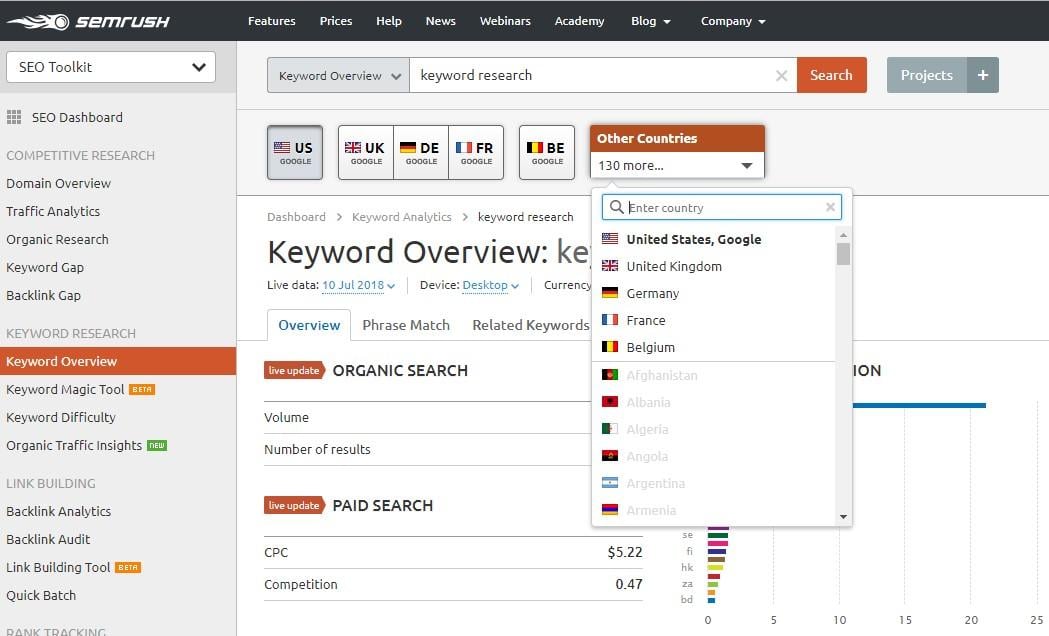
Other helpful keyword research tools include:
- nexus-security’s Free Keyword Tool
- Google AdWords Keyword Planner
- Bing Ads Keyword Planner
- Baidu Index
- Yandex Keyword Statistics
Select the most effective keywords for your landing pages and optimize accordingly – here’s a comprehensive guide: great guide on on-page SEO.
Depending on your resources, consider tools like STAT or Authority Labs to monitor your international rankings for specific keywords in each country. Track traffic fluctuations and increases to your landing pages using Google Analytics.
Sending Technical Signals for International SEO: Guiding Search Engines
These technical signals indicate your target country and language to search engines. The more signals you implement, the better search engines understand your intentions and direct relevant traffic to your site.
1. Hreflang Tags: Specifying Language and Region
Hreflang tags connect pages with similar content but different target audiences. They inform search engines that despite content similarities (though strive for differentiation), specific pages or sets of pages cater to German speakers in Germany, while others target German speakers in Switzerland or Portuguese speakers in Brazil.
Think of hreflang tags as introducing your website to Google: “Hey Google, I’m the Spanish version for folks in Spain, ready to be indexed! By the way, here are my cousins – they’d like to be indexed in their respective countries too.”
Hreflang tags are placed within the <head> section of a website (including self-referencing tags).
Here’s an example from Apple:
<link rel="alternate" href="https://www.apple.com/" hreflang="en-US" /><link rel="alternate" href="https://www.apple.com/ae-ar/" hreflang="ar-AE" /><link rel="alternate" href="https://www.apple.com/ae/" hreflang="en-AE" /><link rel="alternate" href="https://www.apple.com/am/" hreflang="en-AM" /><link rel="alternate" href="https://www.apple.com/at/" hreflang="de-AT" />
Let’s break it down:
<link rel="alternate" href="https://www.apple.com/" hreflang="en-US" /> (I’m the US English version, index me in the US)
<link rel="alternate" href="https://www.apple.com/ae-ar/" hreflang="ar-AE" /> (I’m the Arabic version, index me in the UAE)
<link rel="alternate" href="https://www.apple.com/ae/" hreflang="en-AE" /> (I’m the English version for English speakers in the UAE)
<link rel="alternate" href="https://www.apple.com/am/" hreflang="en-AM" /> (This one’s a bit unclear – targeting English speakers, but “AM” isn’t a standard hreflang code. It might be an error, which are quite common)
<link rel="alternate" href="https://www.apple.com/at/" hreflang="de-AT" /> (I’m the German version for German speakers in Austria)
Don’t worry about memorizing these codes. Tools like the hreflang Tags Generator Tool or the hreflang XML sitemap tool for sitemaps can generate hreflang tags for you.
After implementation, use Google Search Console to identify and address any errors, which the tool clearly outlines.
Important Note: Canonical tags guide search engines to the preferred version of a page, preventing duplicate content issues that may arise from multiple versions with trailing slashes etc.
Here’s how they work:
- A canonical tag pointing to another URL signals: “Hey Google, ignore me, index my twin instead – he’s the one you want.”
- A self-referencing canonical tag signals: “Index me, Google, not those other versions – I’m the real deal.”
Understanding canonical tags is crucial because a page often has both hreflang and canonical tags. Ideally, they point to the same page, sending a clear message: “Hola Google, I’m the Spanish version, superior to my twin. Index me, please, and my international cousins too!”
Inconsistency between hreflang and canonical tags creates confusion for search engines: “Hola, I’m the Spanish version, but index my twin instead. Oh, and I speak Spanish, so index me and my cousins from other countries.”
This conflicting information leads to search engines either indexing the pages they deem relevant or ignoring all of them – neither scenario is ideal. Ensure consistency between these tags for optimal results.
2. The X-Default Tag: Providing a Default Option
The x-default tag designates a default version of your site for users whose language or location doesn’t match any available options and no other page is more suitable. For example, if you have UK and US versions, but someone from Australia searches for related terms, the x-default tag directs them to your preferred version.
Here’s an example:
<link rel="alternate" href="http://example.com/en-gb" hreflang="en-GB" /> (For English speakers in the UK)
<link rel="alternate" href="http://example.com/en-us" hreflang="en-US" /> (For English speakers in the US)
<link rel="alternate" href="http://example.com/" hreflang="x-default" /> (For English speakers in other countries without a dedicated site)
3. Meta Content Language Tags: Indicating Content Language
Meta content language tags specify the language of your HTML content (and optionally, the country), signaling the target audience to search engines.
Example:
<meta http-equiv="content-language" content="en-us">
These tags are less influential than hreflang tags and are often overlooked.
4. Schema Markup: Providing Context and Structure
Schema markup, also known as structured data, is a powerful tool for communicating your website’s content and your company’s operations to search engines. This universal language, understood by all major search engines, simplifies website comprehension.
Implement schema markup through Google Tag Manager (this is how you do just that). Use Organization and LocalBusiness markup for each subdomain, subfolder, or ccTLD to indicate operational locations. The Organization schema encompasses all locations, signifying business operations in those areas, while the LocalBusiness schema applies to each specific location.
Bonus: Schema markup is a ranking factor, improving search engine understanding and enhancing your knowledge panel appearance in local search results.
Geo-Targeting: Pinpointing Your Audience
With all technical signals implemented, including website structure, localized and optimized content, relevant tags, cultural considerations, and clear calls to action, you need to guide search engines on how to handle your site.
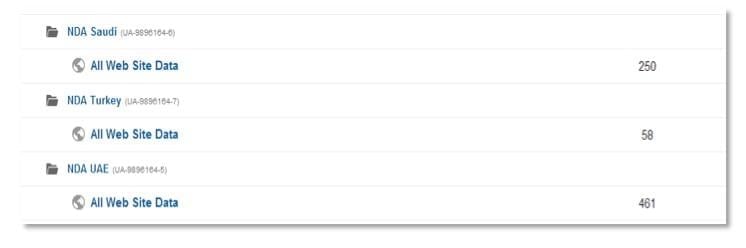
Google Analytics and Google Search Console are essential for measuring SEO performance and identifying technical or indexing issues. Both tools also offer geo-targeting capabilities.
Track all domains, subdomains, and subdirectories separately in Analytics and Search Console.
Google Analytics:
Google Search Console
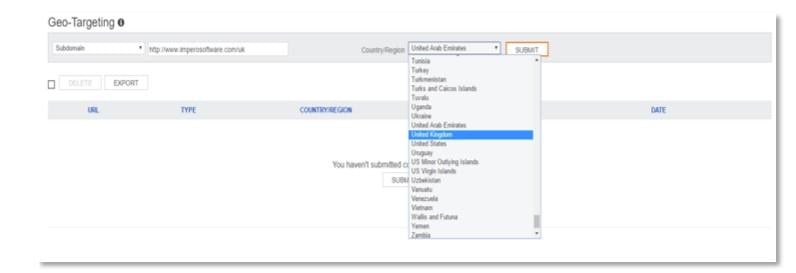
Geo-target your site based on your chosen website structure. Add each subdomain or ccTLD separately. For subfolders, create specific properties in Google Search Console and Bing Webmaster Tools:
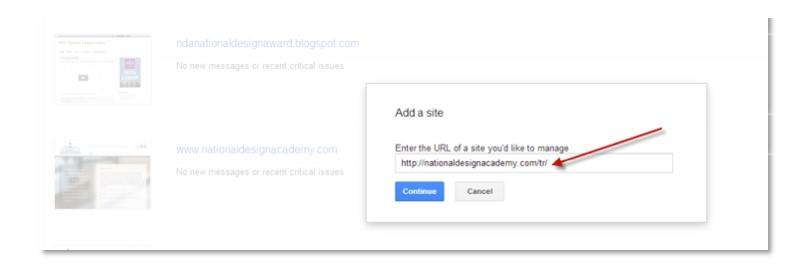
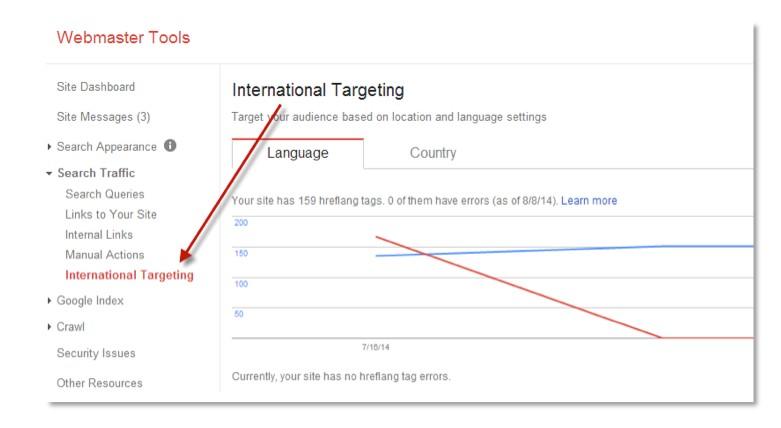
Verify hreflang tag functionality and address any errors:
Confirm accurate country targeting:
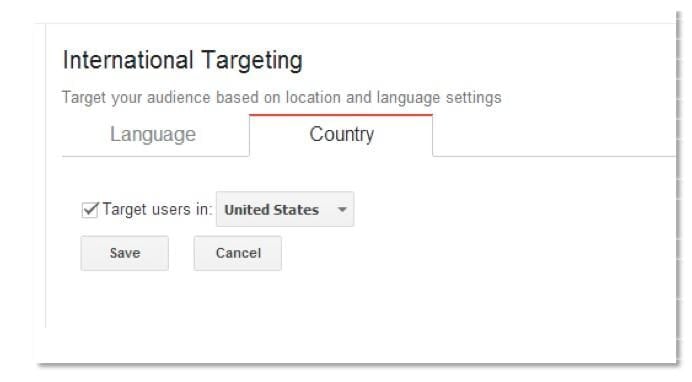
(ccTLDs are automatically detected.)
In Bing Webmaster Tools, navigate to:
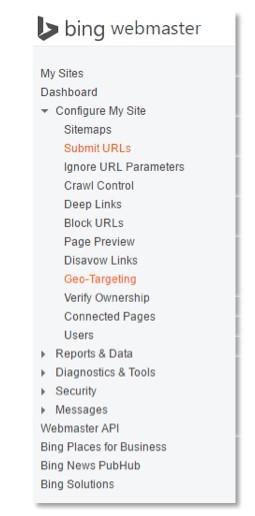
Set your target location here:
Now, let’s focus on off-page signals, specifically Google My Business, Bing Places, and domain authority.
Google My Business and Bing Places: Establishing Local Presence
Google My Business and Bing Places are valuable tools for listing your business and its locations, informing search engines about your operational areas and helping potential customers locate you on a map. This is particularly useful for businesses with multiple locations, as users searching for your company will see the closest branch on the map.
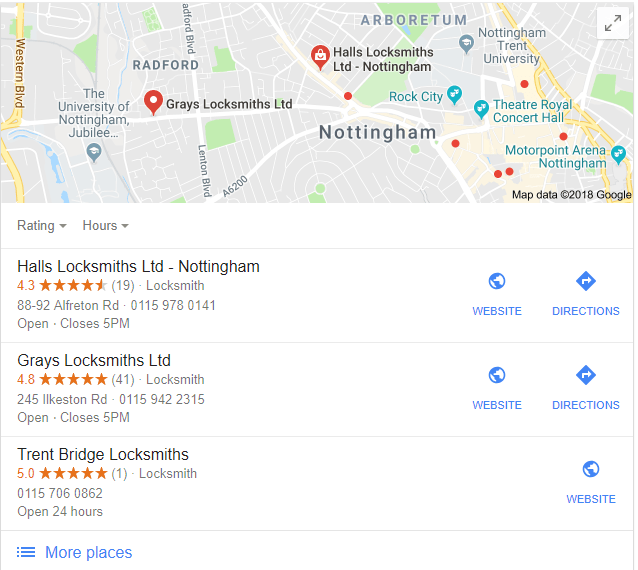
Learn how to manage multiple locations in Google My Business and Bing Places.
International Link Building: Enhancing Visibility and Authority
Link building is an indispensable SEO component, especially for ccTLD and subdomain structures. With multiple websites requiring links, the workload increases significantly.
Link building boosts domain authority, promotes international websites, and drives relevant local referral traffic, ultimately improving visibility in search engines and increasing brand awareness locally.
Consider these link building aspects:
- Local Citation Building: Establish a strong local presence through relevant online directories.
- Competitor and General Research: Identify market-relevant websites, discover engaging content ideas, uncover competitor listings (useful for finding local directories), and analyze competitor outreach strategies and content. This research helps understand cultural factors, identify potential press contacts and influencers, and tailor your content strategy.
- Utilize Tools Like BuzzSumo: Discover trending topics and content formats in your target market, aiding in competitor research and content strategy development.
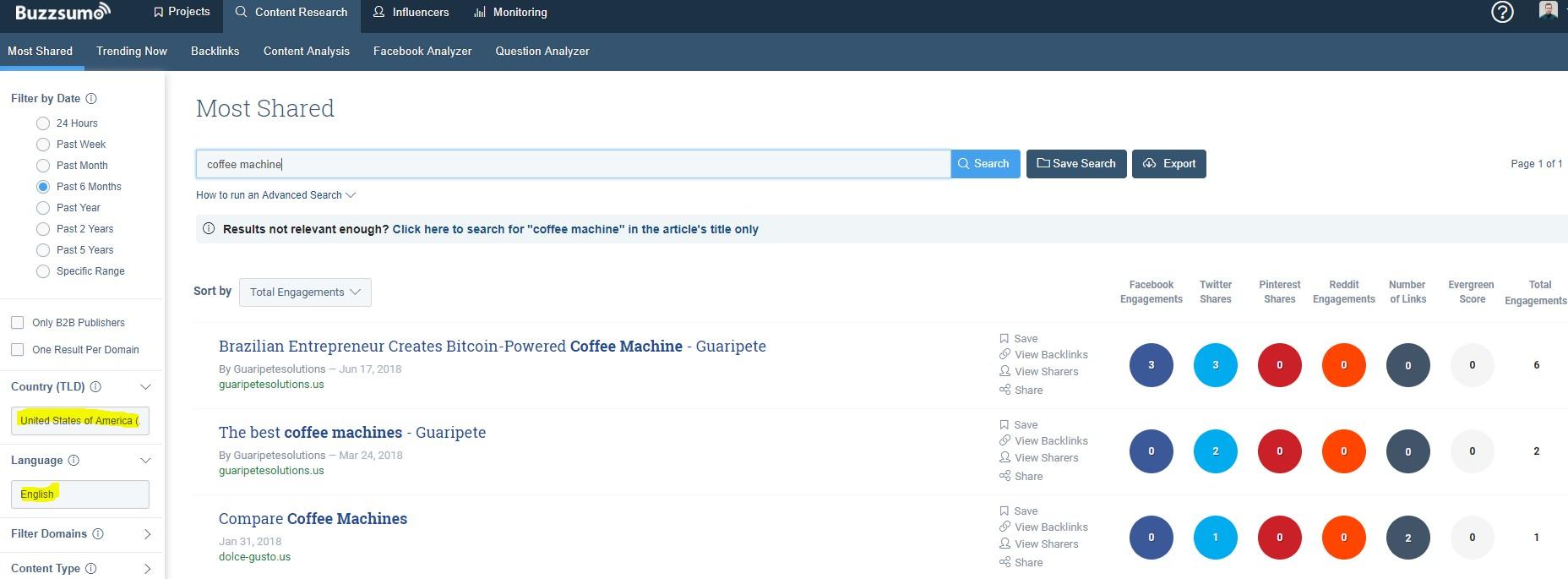
Instead of copying competitors (unless they’re doing a terrible job – then improve upon it), use research to inform your content strategy. Create high-quality, optimized content tailored to your new audience (product/service information, how you can address their needs, long-tail keyword-based FAQs and blog posts, thought leadership pieces, relevant industry topics, etc.). This approach will naturally attract valuable backlinks.
SEO is a long-term game (with occasional quick wins) requiring a dedicated, tailored strategy. For international SEO, ensure each country has its own unique strategy, as a one-size-fits-all approach is ineffective and potentially detrimental for multiple ccTLDs.
That concludes our comprehensive guide to international SEO – good luck with your global expansion!