Update: Google has officially announced that this update will roll out in May of 2021. It’s widely known that content is extremely important for search engine optimization. To attract organic traffic, your website needs web pages, and those pages need to rank well for a variety of relevant keywords. Getting authoritative inbound links to your pages can also significantly improve your website’s organic performance. However, what about the technical aspects of SEO? How much do factors like site speed, broken links (404 errors), pages not linked to your website (orphan pages), mobile user experience, website security (HTTPS), and link structure contribute to achieving a first-page ranking in search results?
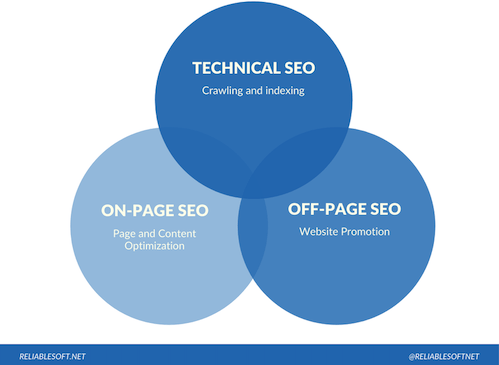
While these technical elements have always been important, their significance is predicted to increase substantially when Google fully implements its new page experience update in 2021. This update incorporates a new set of metrics called Core Web Vitals into Google’s existing criteria for evaluating page experience. What does this mean for you and how will it impact your website? This post will:
- Define and explain each of the three Core Web Vitals.
- Provide clarity on the page experience update and its timeline.
- Discuss its potential implications and outline how you can get ready. This algorithm update is anticipated to have a considerable effect on search rankings, so it’s crucial to stay informed and understand the necessary tools to maintain robust SEO for your business.
What are Core Web Vitals?
To understand Google’s latest algorithm update, you must first grasp the concept of Core Web Vitals. Introduced by Google back in May 2020, Core Web Vitals can be seen as the fundamental requirements for a technically sound website. Google’s definition of Core Web Vitals is:
“Real-world, user-centered metrics that quantify key aspects of the user experience. [Core Web Vitals] measure dimensions of web usability like load time, interactivity, and the stability of content during loading (preventing accidental taps on shifting buttons—very frustrating!).” Simply put, Core Web Vitals are indicators that Google uses to assess the UX (user experience) of a page. While they have technical names, the diagram below illustrates how they represent page loading speed, interactivity, and visual stability:
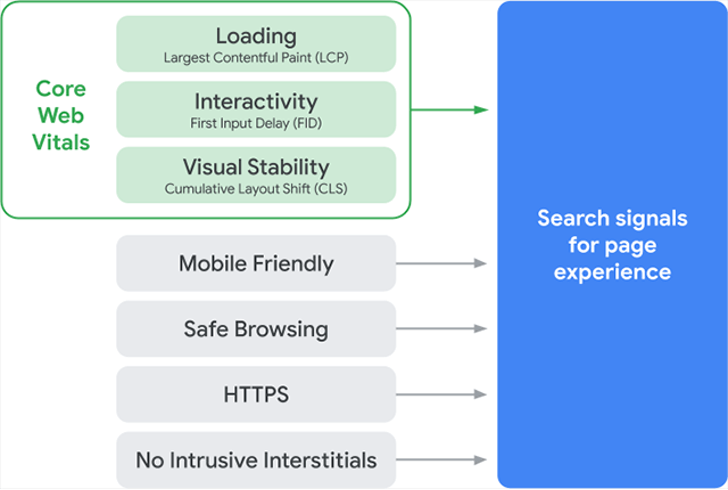
This particular update to page experience represents a notable shift in SEO. Traditionally, Google has been secretive about algorithm updates and their impact on search rankings. However, in an apparent attempt to enhance transparency (a crucial aspect in today’s digital landscape, which Google has been emphasizing for a while now), they are providing a clear plan for optimizing websites in anticipation of the upcoming algorithm update. Google’s Core Web Vitals are as follows:
- Largest Contentful Paint (loading): Measures the speed at which a page loads, focusing on the moment when the primary content has likely finished loading.
- First Input Delay (interactivity): Measures how responsive a page is, quantifying the user’s experience when first interacting with the page.
- Cumulative Layout Shift (stability): Measures the visual stability of a page, quantifying the degree to which visible content shifts unexpectedly during loading.
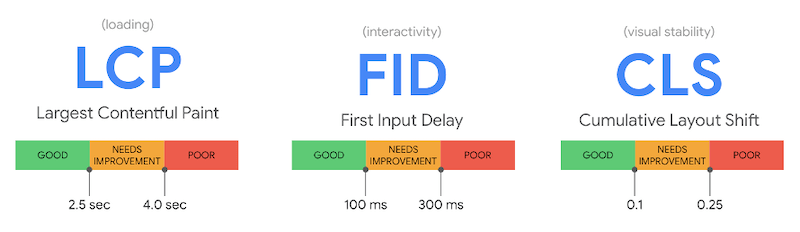
In essence, these three metrics evaluate how long it takes for a user to access your page, how easy or difficult it is for them to initially interact with it, and how likely they are to be disoriented by inconsistencies or shifts in the page layout.
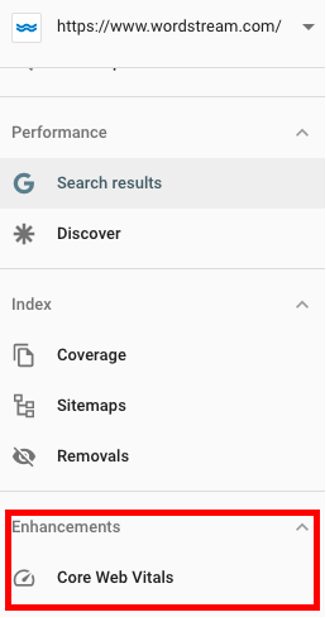
To put it simply, Core Web Vitals measure how quickly users can access your page, how easily they can interact with it, and how smoothly it loads without confusing design shifts. Importantly, Google has also incorporated a dedicated Core Web Vitals report into its Search Console. This report provides an overview of the number of pages on your site that are performing “good,” “poor,” or need “improvement”:
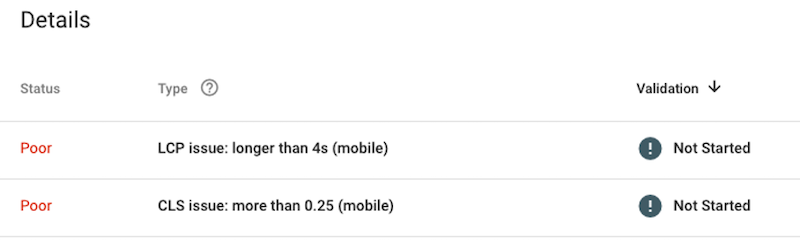
Clicking on the “poor” or “need improvement” segments will reveal the specific issues affecting your page, whether they relate to LCP, FID, or CLS:
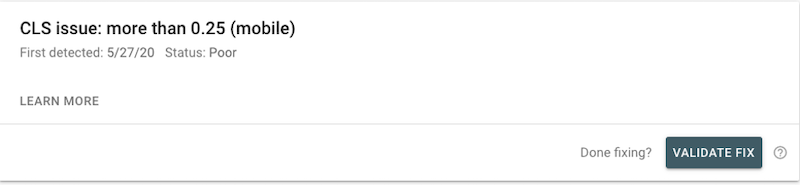
Similar to validating fixes for crawl errors, server errors, and 404 errors in the Coverage report, you can now validate fixes for your Core Web Vitals on a per-page or bulk basis:
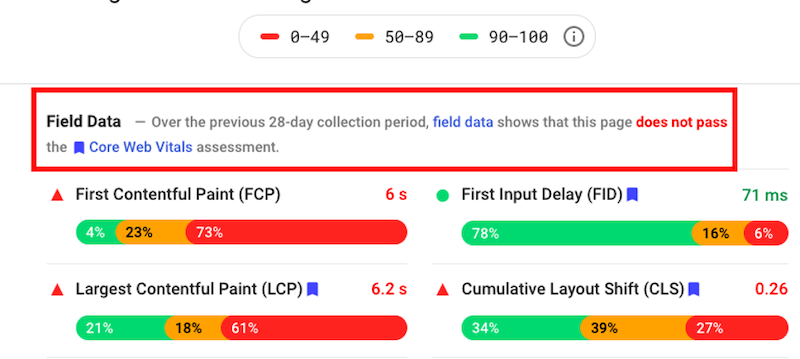
Google has implemented the same roadmap across all PageSpeed Insights reports. By entering a page URL, you can see if that specific page meets the criteria for healthy Core Web Vitals:
This represents a substantial change in how Google evaluates and reports on page experience. It also empowers business owners to address technical issues that negatively impact user experience on their websites. Google’s integration of technical performance into its search algorithm is not new; we’ve seen it before with Mobilegeddon (when mobile-friendliness became a ranking factor) and the Speed Update (when mobile page speed became a ranking factor). However, the page experience update, which Google announced in May, appears to be a significant leap forward.
This update marks a significant change not only in page experience evaluation but also in the ability of business owners to rectify technical issues that hinder user experience. Note: For more detailed guidance on technical SEO, refer to our post on conducting a technical SEO audit.
What is the Google page experience update?
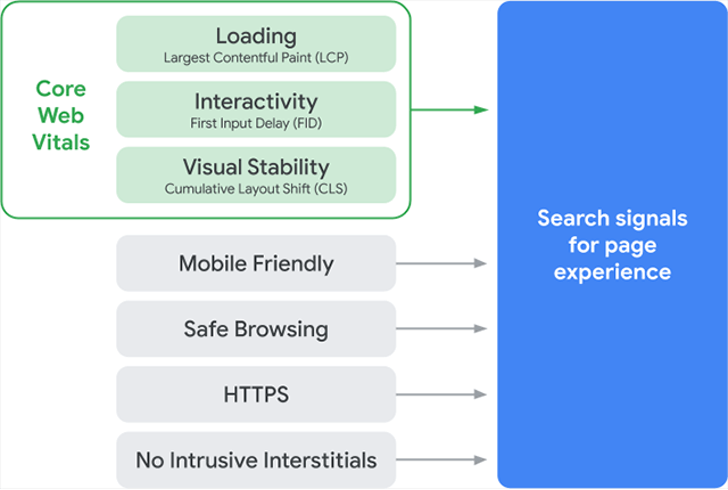
Google defines the page experience update as “a new signal that combines Core Web Vitals with our existing signals for page experience to provide a comprehensive view of the quality of a user’s experience on a web page.” We’ve discussed Core Web Vitals. The “existing signals for page experience” that Google refers to include: mobile-friendliness, safe-browsing, HTTPS-security, and intrusive interstitial guidelines. This brings the total number of search signals that contribute to Google’s new Page Experience assessment to seven.
When will the page experience update take place?
Google states the following about the Page Experience rollout: “We understand that many site owners are currently focused on addressing the impacts of COVID-19. The ranking changes discussed in this post will not be implemented before next year, and we will provide a minimum of six months’ notice before they are rolled out. We are providing these tools now to help you get started (and because site owners have consistently requested early notification of ranking changes), but there is no urgent need to take action at this time.” As of October 2020, Google has not yet provided the 6-month notice. Therefore, the “no immediate need to take action” statement still applies. Unless unforeseen circumstances arise, the earliest possible rollout date for the general public is Spring 2021.
Unless something unexpected happens, the earliest we can expect this update to be rolled out to everyone is Spring 2021. However, if your Core Web Vitals report currently shows a significant number of “bad” or “needs improvement” URLs, you should start working on them. Enhancing page experience while preserving content value can be challenging. While rich content and useful content are not always the same, engaging users is easier with immersive and detailed content. Despite the importance of site speed, pages with captivating elements like 1KB cat gifs tend to be more engaging than those without.
Implications: How can I prepare my website for the page experience update?
One implication of the page experience update that might not directly affect you as a business owner is its impact on Top Stories, a coveted feature for publishers. Top Stories is essentially the featured snippet for news articles.
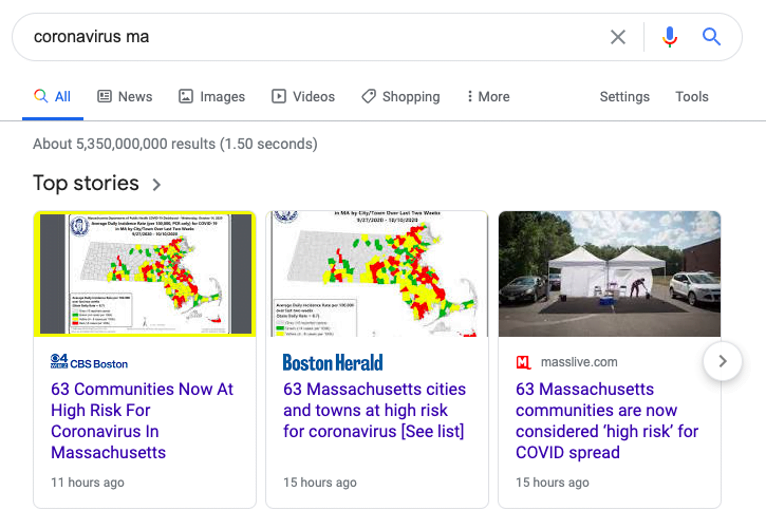
If you run a major news publication like the Boston Globe or the WSJ, or even a smaller local news outlet, it’s crucial to address any issues highlighted in your Core Web Vitals report as soon as possible. Google has explicitly mentioned Top Stories as a feature that will be affected by the page experience update. For local businesses, online retailers, SaaS companies, and others, my recommendation is to take this update seriously. That being said, the top three ways to reap the splendors of search engine optimization remain unchanged:
- Create high-quality content.
- Focus on producing valuable content.
- Prioritize content creation and ensure its quality. As Google states: “While all aspects of page experience are important, we will always prioritize pages with the best overall information, even if some page experience aspects are lacking. A positive page experience does not replace having excellent, relevant content.”
“Having a good page experience is not a substitute for great, relevant content.” -Google
Technical factors have always influenced search rankings, and the page experience update is no exception. That’s why SEO experts like Glenn Gabe are rightfully asking whether or not this update will “have teeth.”. While the exact impact of this update remains uncertain, websites with subpar mobile user experiences or slow loading speeds that consistently rank well might assume they can neglect Core Web Vitals if their content remains excellent. However, is it worth the risk? What could be worse than experiencing a sudden, significant drop in website traffic overnight? Effective SEO, as emphasized by renowned SEO specialist Tom Brady, is about being proactive, not reactive. Take the time to thoroughly examine your Core Web Vitals report. Utilize tools like PageSpeed Insights, GTmetrix, and others to identify and address elements that affect on-page user experience and performance.
Considering everything…how much of an impact will the page experience update actually have?
Two key aspects of this update suggest that it will have a more significant impact on search engine results pages (SERPs) than previous technically focused algorithm updates:
- By the time Google officially launches the page experience update, it will have been almost a year (if not longer!) since its initial announcement.
- Google has meticulously designed a set of metrics and reports to provide SEOs, webmasters, and business owners with actionable steps to improve their Core Web Vitals and maintain their SEO performance. Skeptics might argue that Google is strategically mitigating potential backlash in the name of transparency. However, it’s hard to deny the transparency of this approach. To all SEOs, when this update finally arrives, don’t resort to online forums and article comments to express dissatisfaction if your traffic is negatively affected. It’s October 2020, and Google is fulfilling its commitment to transparency. This is an opportunity we should all seize.